

Windhoek
Windhoek, the capital city of Namibia, is a vibrant and cosmopolitan hub nestled in the heart of the country. With its mix of German colonial architecture and modern African charm, Windhoek offers visitors a unique blend of history and contemporary culture. The city’s skyline is dominated by the striking Christuskirche, a Lutheran church built in 1907, which stands as a symbol of Namibia's German colonial past.
Port of Spain
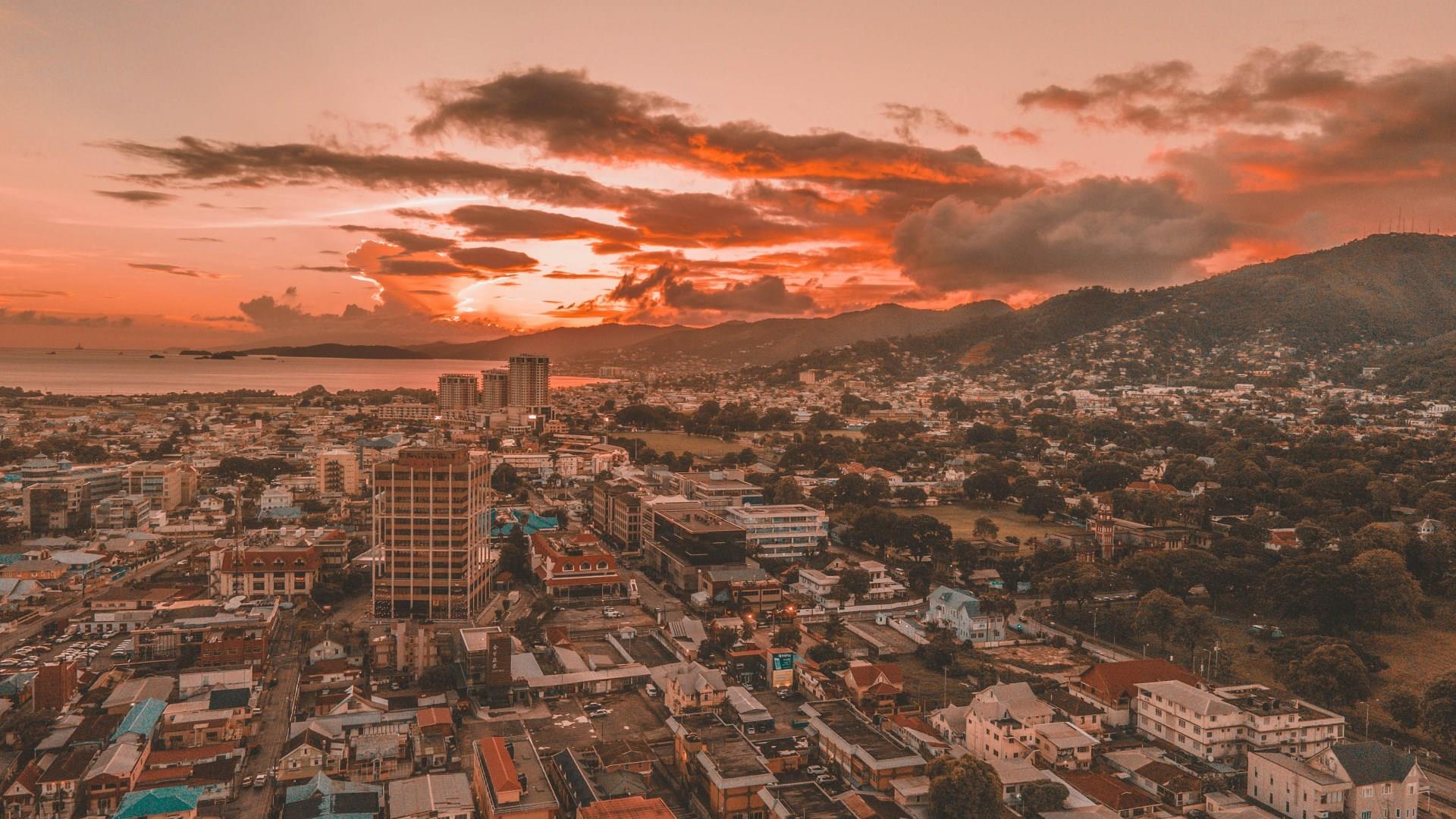
Port of Spain, the capital of Trinidad and Tobago, is a city that brims with cultural energy and layered history. Set against the backdrop of the Northern Range mountains and overlooking the Gulf of Paria, it has long been a hub of trade, migration, and creativity.
Antigua
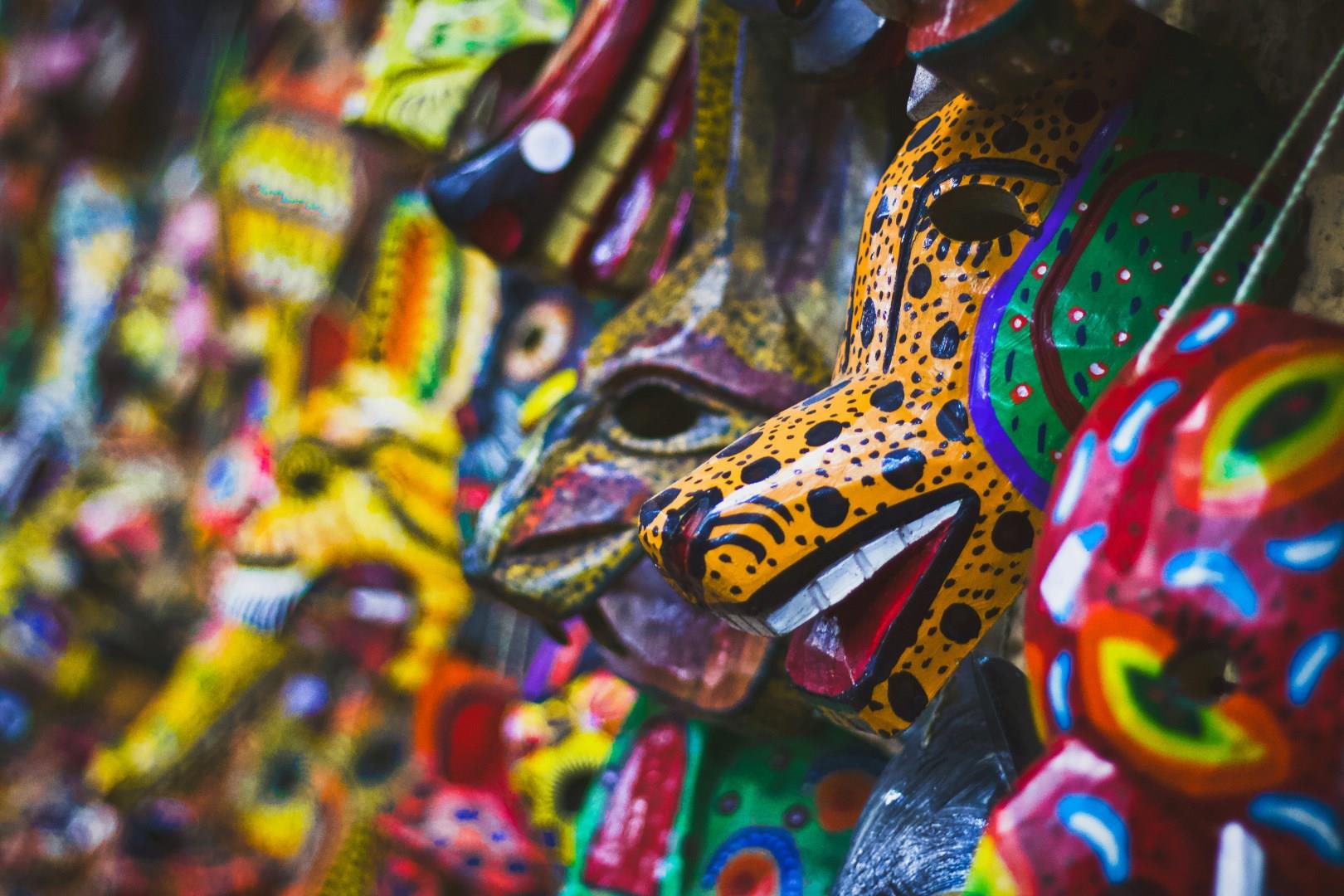
Antigua is a city shaped by centuries of artistry, tradition, and natural forces. Set in a highland valley and surrounded by volcanoes, its streets are lined with colorful buildings, hidden courtyards, and open-air plazas. The Santa Catalina Arch is one of Antigua’s most recognizable features, originally built as a passage between two sections of a convent. Today, it frames a dramatic view of Volcán de Agua and is a popular gathering spot for both locals and visitors.

Genoa
This thriving port city has so much to offer, including several museums, the beautiful historic quarter Porto Antico and La Lanterna. This lighthouse is Genoa's best known landmark and provides stunning views over the port and bay.
Taghazout
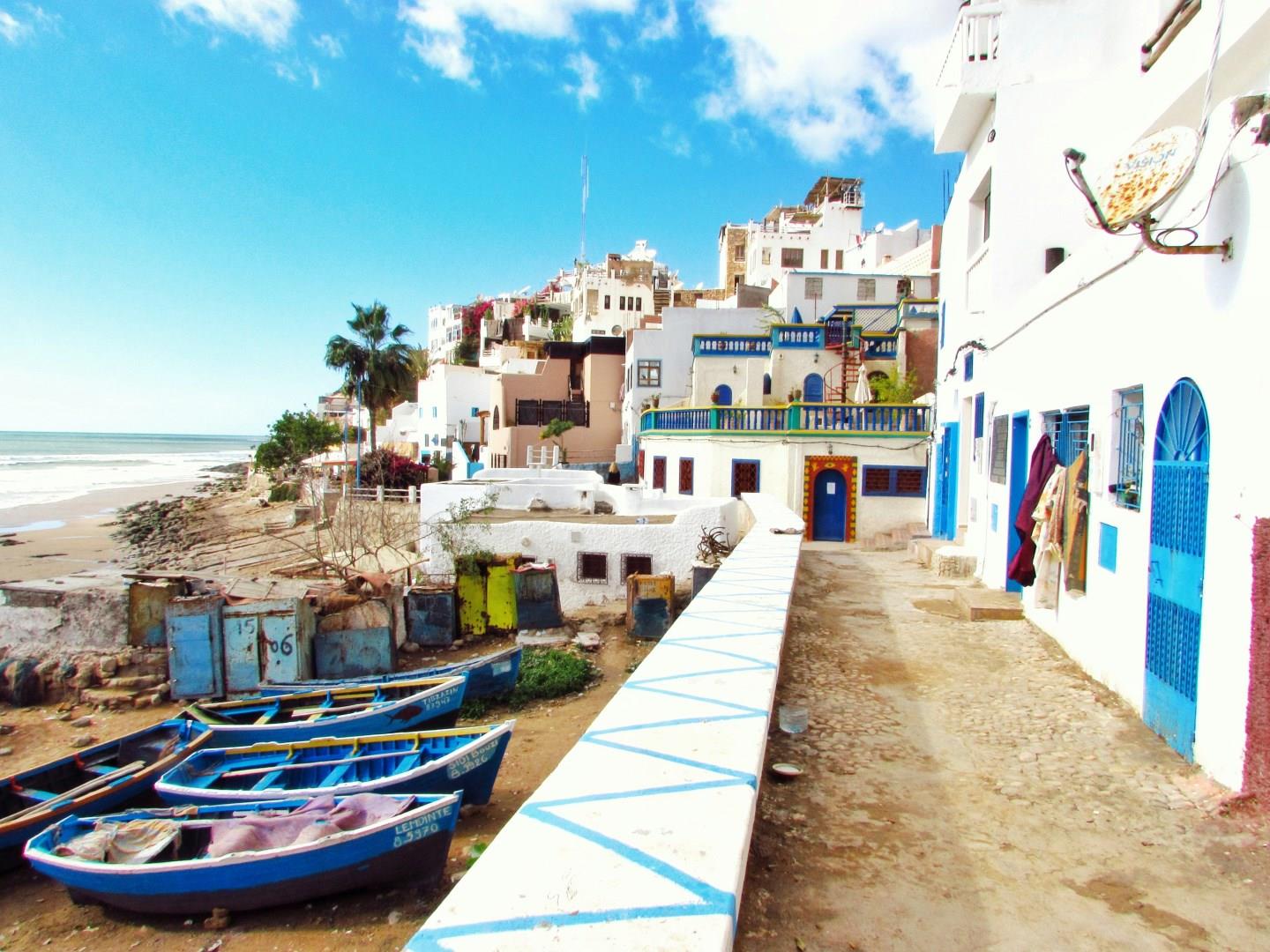
Taghazout is a small coastal village on Morocco’s Atlantic shore, once a quiet fishing settlement that has grown into a global surf destination without fully shedding its roots. Life here still follows the rhythms of the sea, with boats pulled onto the sand and daily routines shaped by tides and weather. Berber culture underpins the village’s identity, visible in local customs, food, and the understated pace that sets Taghazout apart from Morocco’s larger resort towns.
