
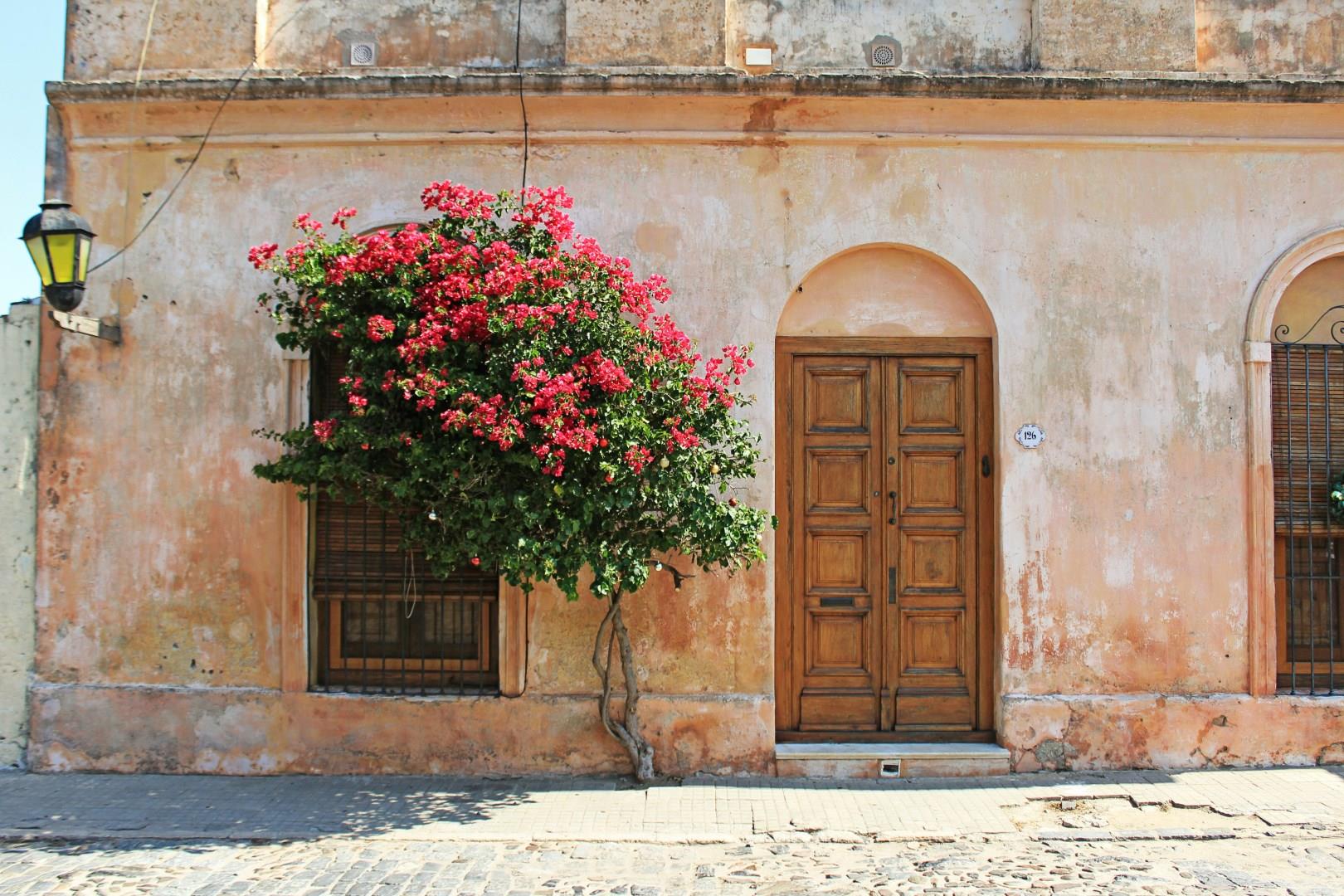
Colonia del Sacramento
Colonia del Sacramento is where time lingers. Founded in 1680 by the Portuguese and later contested by the Spanish, the town’s past is etched into its cobblestone streets and weathered facades. The Barrio Histórico, a UNESCO World Heritage Site, is compact enough to walk in an afternoon yet layered with centuries of stories. Visitors can explore remnants of the original city walls and climb the iconic lighthouse for sweeping views of the Río de la Plata.

Rotorua
Natural wonders await you in the steaming, geothermally active North Island city of Rotorua, New Zealand. Pohutu Geyser erupts several times per day, and blistering mud pools provide a truly unique sightseeing experience. When in Rotorua, tourists also visit its living Maori village, as well as Te Puia (New Zealand Maori Arts and Crafts institute), where weaving and woodcarving is featured.
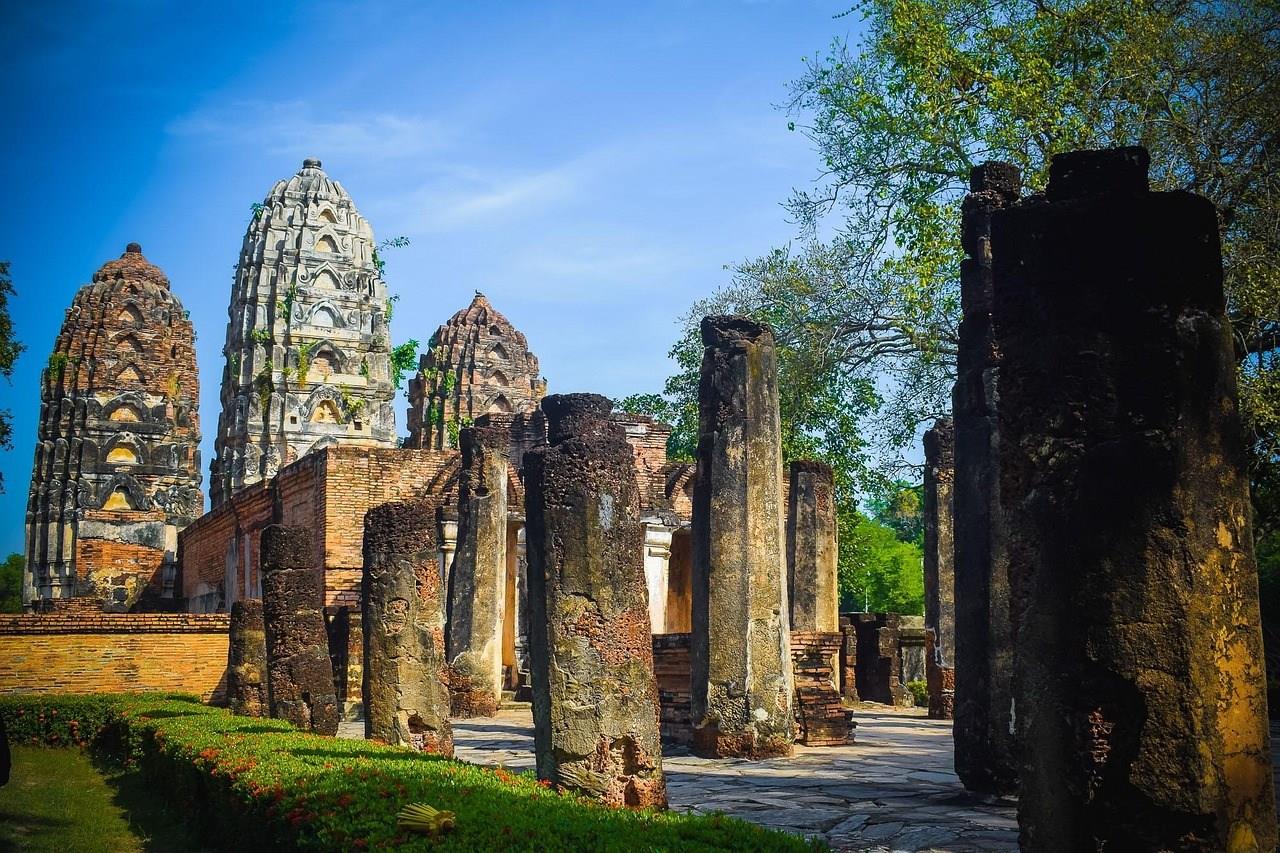
Sukhothai
Sukhothai, located in north-central Thailand, was once the capital of the first independent Thai kingdom in the 13th century. Today, it’s best known for the Sukhothai Historical Park, a UNESCO World Heritage Site filled with stone temples, lotus-filled moats, and ancient Buddha statues. The park spans over 70 square kilometers and features more than 190 ruins.
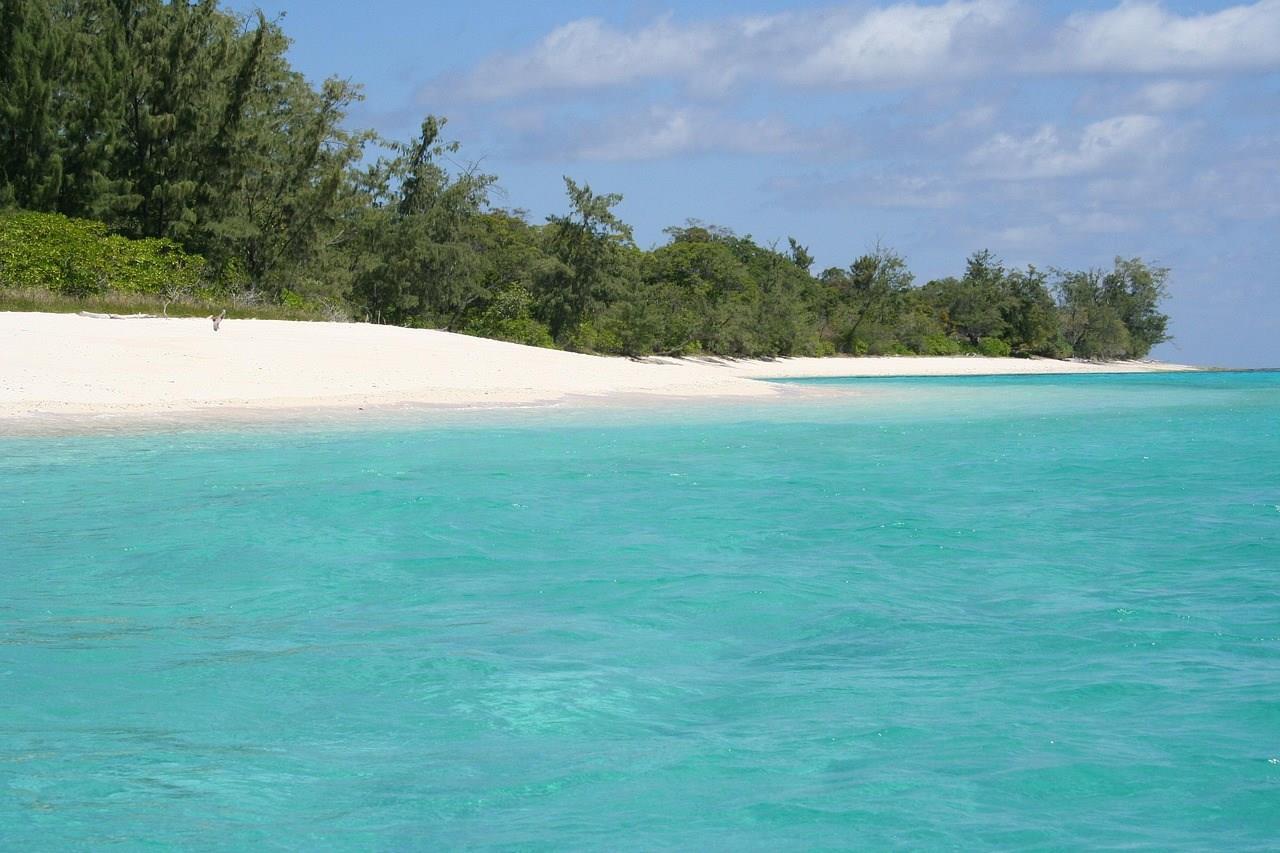
Timor-Leste
Timor-Leste, one of the world’s youngest nations, is a place where resilience and cultural richness shape everyday life. Its history is deeply marked by centuries of Portuguese colonial rule, followed by Indonesian occupation and a long struggle for independence, achieved in 2002.
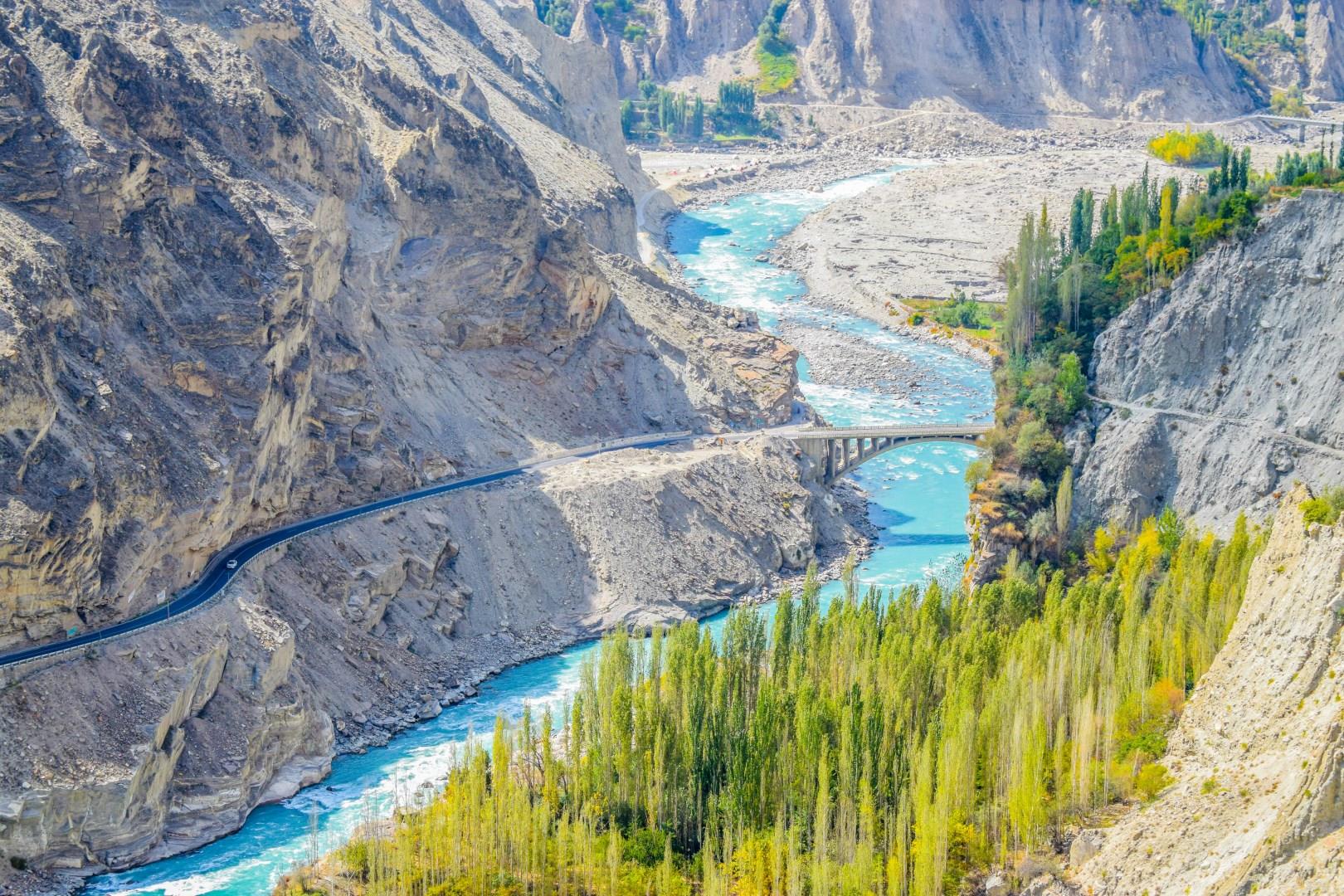
Pakistan
Pakistan is a country of remarkable diversity, combining mountains, deserts, rivers, and coastal areas. The northern regions feature some of the world’s highest peaks, including K2, while the southern plains are home to fertile agricultural land and the port city of Karachi.
