
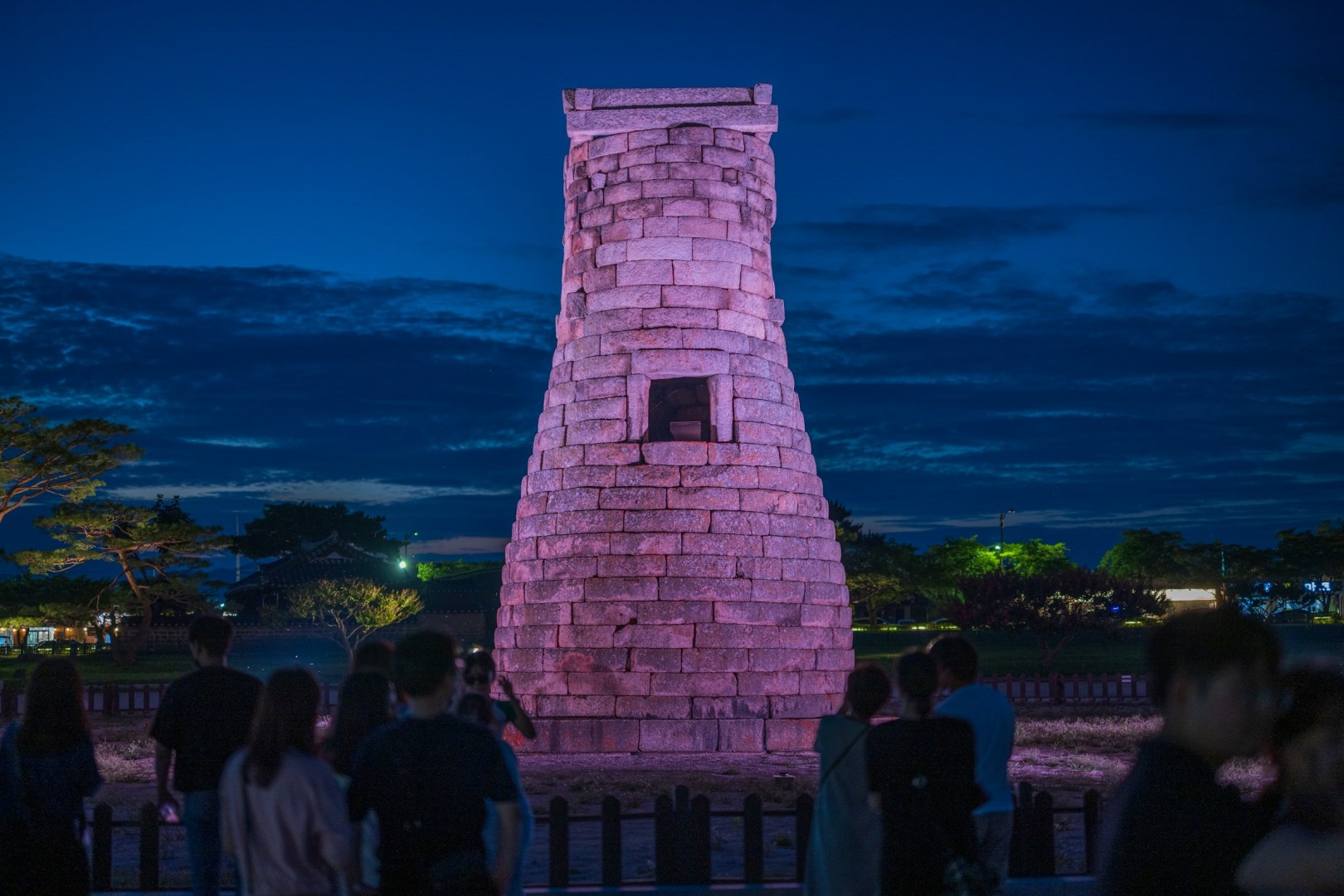
Gyeongju-si
Gyeongju-si is a historic city in southeastern South Korea known for its close connection with the Silla kingdom and its concentration of archaeological sites, temples, royal tombs, and Buddhist monuments. Much of the city’s heritage is spread across open landscapes rather than confined to a single historic center. The Gyeongju Historic Areas include Mount Namsan, the Wolseong area, royal tomb complexes, and the remains of major temples and palaces.
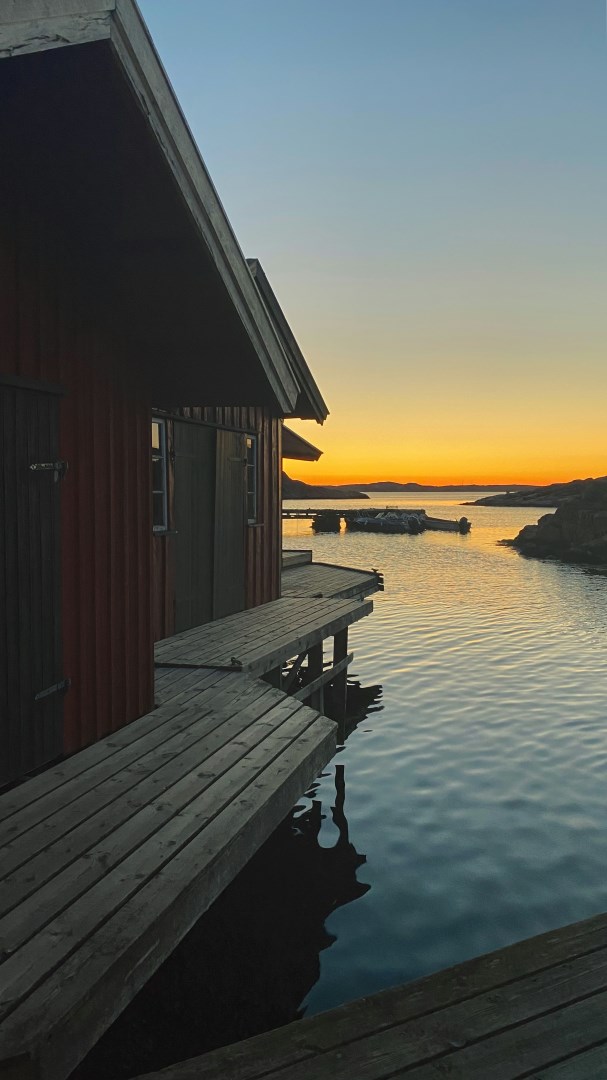
Lysekil
Lysekil is a coastal town in Västra Götaland County on Sweden’s western coast, situated at the edge of the Gullmarsfjorden and surrounded by the rocky landscape of Bohuslän. The town has a long connection with fishing, shipping, and maritime trade, while its waterfront remains active with boats, ferries, restaurants, and small harbors. Granite outcrops are a defining feature of the surrounding landscape, creating a rugged shoreline of cliffs, islands, and sheltered coves.

Wellington
On Cook Strait sits Wellington, New Zealand's charming windy city. Must-sees here include the waterfront, the lovely beaches, and the Wellington Cable Car that takes riders to botanical gardens. For cultural exposure, visit The Museum of New Zealand Te Papa Tongarewa, with its Maori national treasures and art gallery. Wellington Zoo is another key attraction, and features Tahi, a one-legged kiwi, as its mascot.
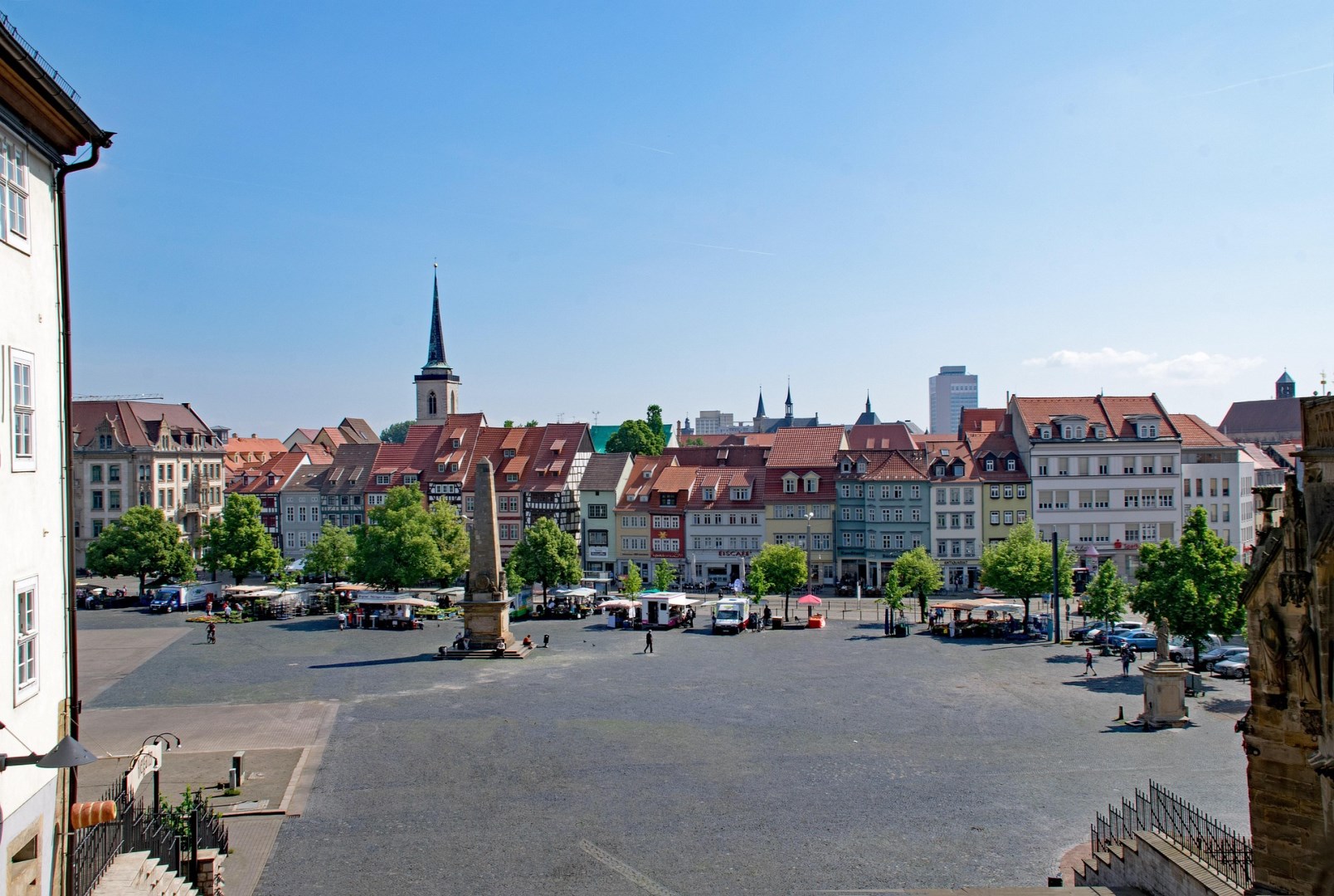
Erfurt
The skyline of Erfurt is shaped by dozens of churches, monasteries, and convents thrusting their pointed steeples upward to the sky. In the Middle Ages, Erfurt was known as "Thuringian Rome" because of its religious orders. The impressive twin churches on the Domberg (Cathedral Hill), the Roman Catholic St. Mary's Cathedral (14th century) and the Roman Catholic Parish church St. Severus with a flight of 70 outdoor steps leading from the Cathedral Square up the hill to the churches.
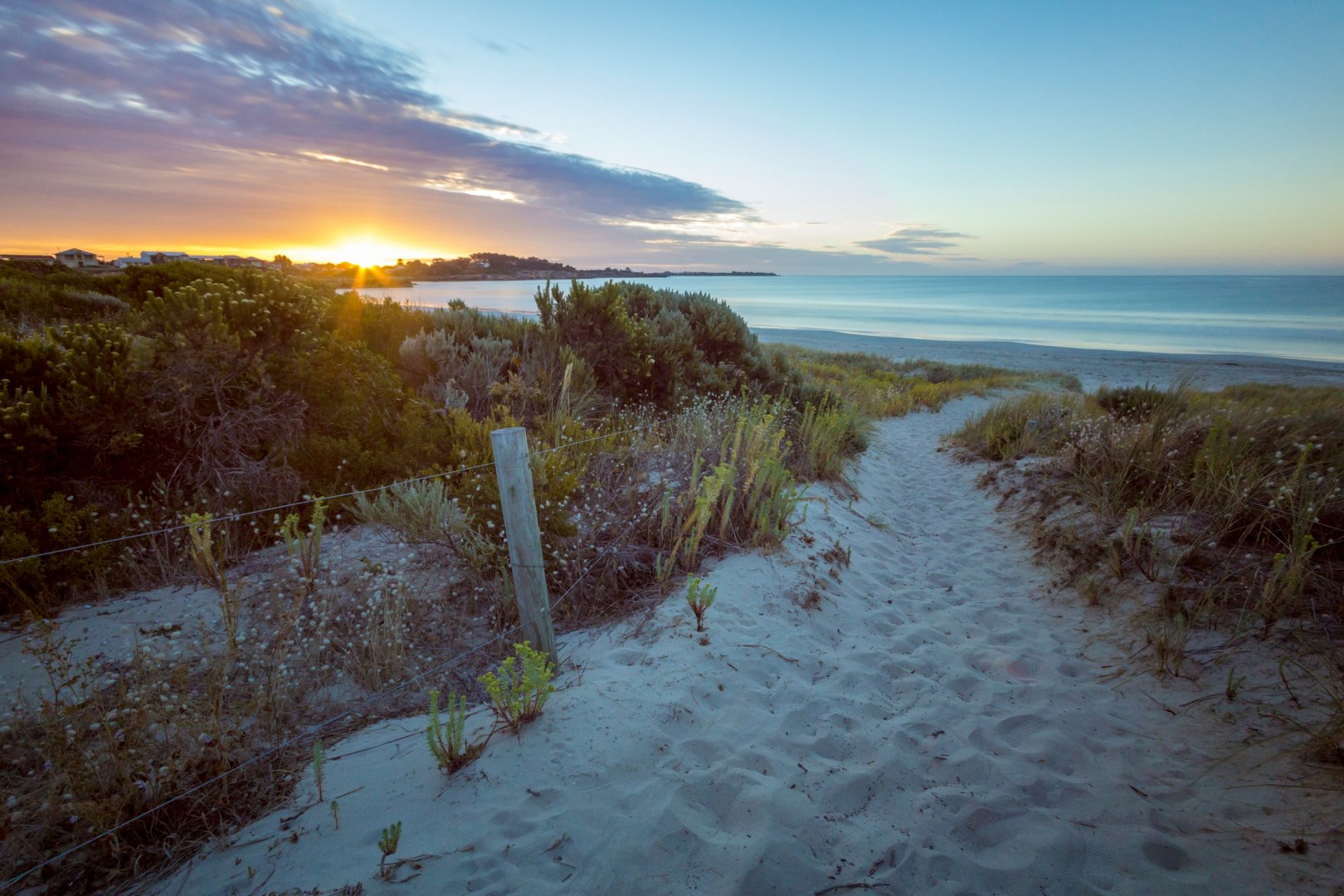
Robe
Robe is a small coastal town on South Australia’s Limestone Coast, overlooking Guichen Bay between long beaches, low dunes, lakes, and rocky headlands. Its setting combines a working fishing community with a historic town center containing numerous heritage-listed buildings. Robe developed as a port serving the pastoral districts of the southeast, and its maritime character remains visible around the harbor and waterfront.
