

Chefchaoeun
Chefchaouen, a picturesque city nestled in the Rif Mountains of northern Morocco, is renowned for its stunning blue-painted streets and buildings. Founded in 1471, Chefchaouen's medina—a maze of narrow, winding streets—is one of its most enchanting features, where every corner reveals a splash of blue, creating a serene and photogenic atmosphere. T
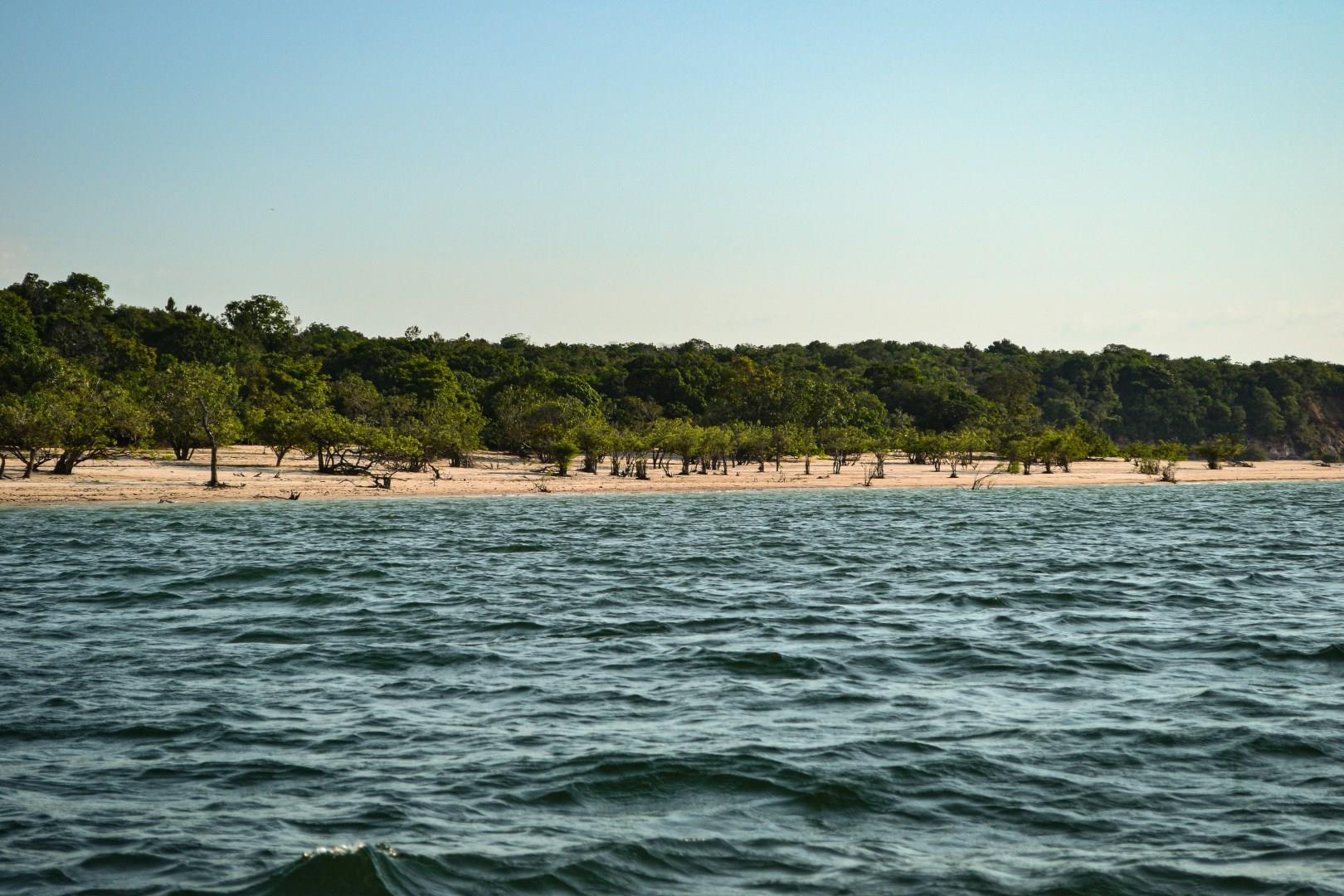
Alter do Chão
Alter do Chão is a riverside village in the Brazilian state of Pará, on the banks of the clear Tapajós River. Though part of the larger municipality of Santarém, Alter do Chão has its own rhythm and identity, known far beyond Brazil for the white-sand beaches that appear when river levels drop between July and December. One of the most famous spots is Ilha do Amor (Love Island), a sandbar just off the village shore that feels almost like a hidden world of warm water and bright sky.
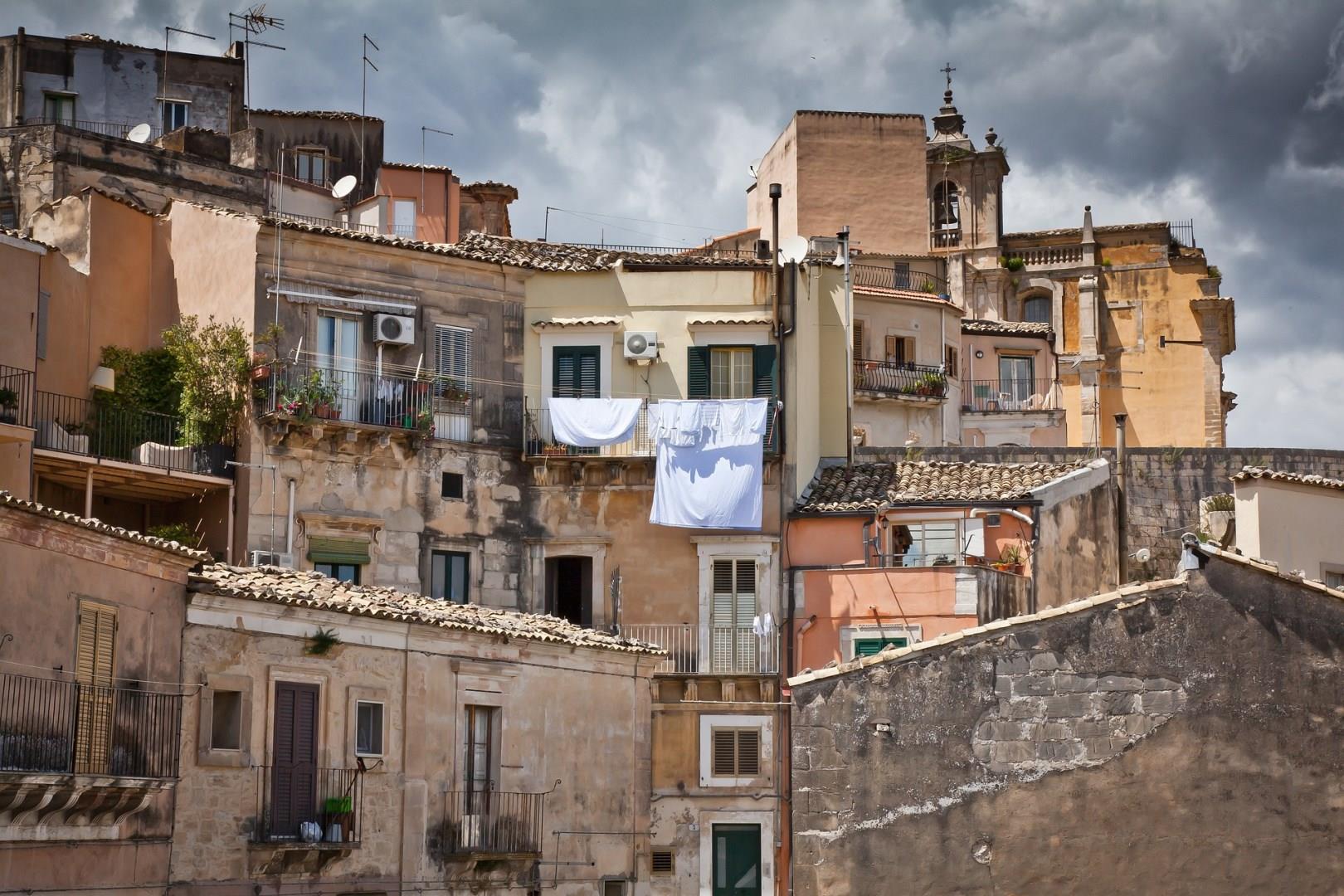
Ragusa Sicily
Ragusa, located in southeastern Sicily, is a city steeped in history and Baroque beauty, often overlooked but truly a gem for travelers seeking a unique and authentic Italian experience. Divided into two distinct parts—Ragusa Superiore and Ragusa Ibla—the city showcases a dramatic contrast between the new and old.
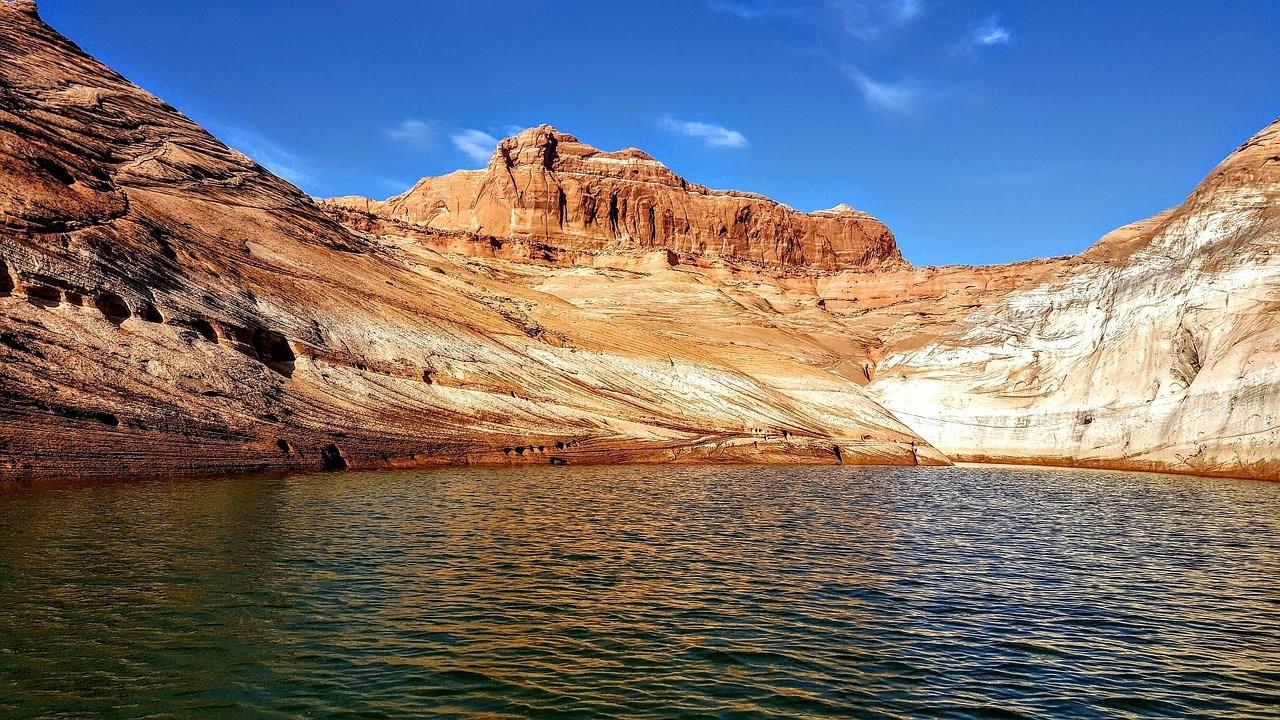
Lake Powell
Lake Powell, stretching across the Utah-Arizona border, is one of the largest manmade reservoirs in the United States. Formed by the flooding of Glen Canyon after the completion of the Glen Canyon Dam in 1963, it covers over 180 miles in length and contains nearly 2,000 miles of shoreline, more than the entire West Coast of the U.S. Despite its modern origins, the area has long been home to the Ancestral Puebloans and later Navajo communities.

El Calafate
El Calafate, a small town in southern Patagonia, serves as the main gateway to one of Argentina’s most spectacular natural wonders, the Los Glaciares National Park. Sitting on the shores of Lake Argentino, El Calafate was once a quiet outpost known mainly for sheep farming and the hardy calafate berry. Today, it attracts travelers from around the world who come to witness massive ice formations and the shifting blue walls of nearby glaciers.
