

Roatán
Roatan is the largest of the eight islands known collectively as Las Islas de la Bahia. Brilliant clear blue waters and palm fringed beaches are cooled by gentle trade winds. An extensive reef system offers the most spectacular diving and snorkeling in the Western hemisphere, while inland nature reserves give an up-close look at native wildlife, including monkeys, sloths, and parrots.
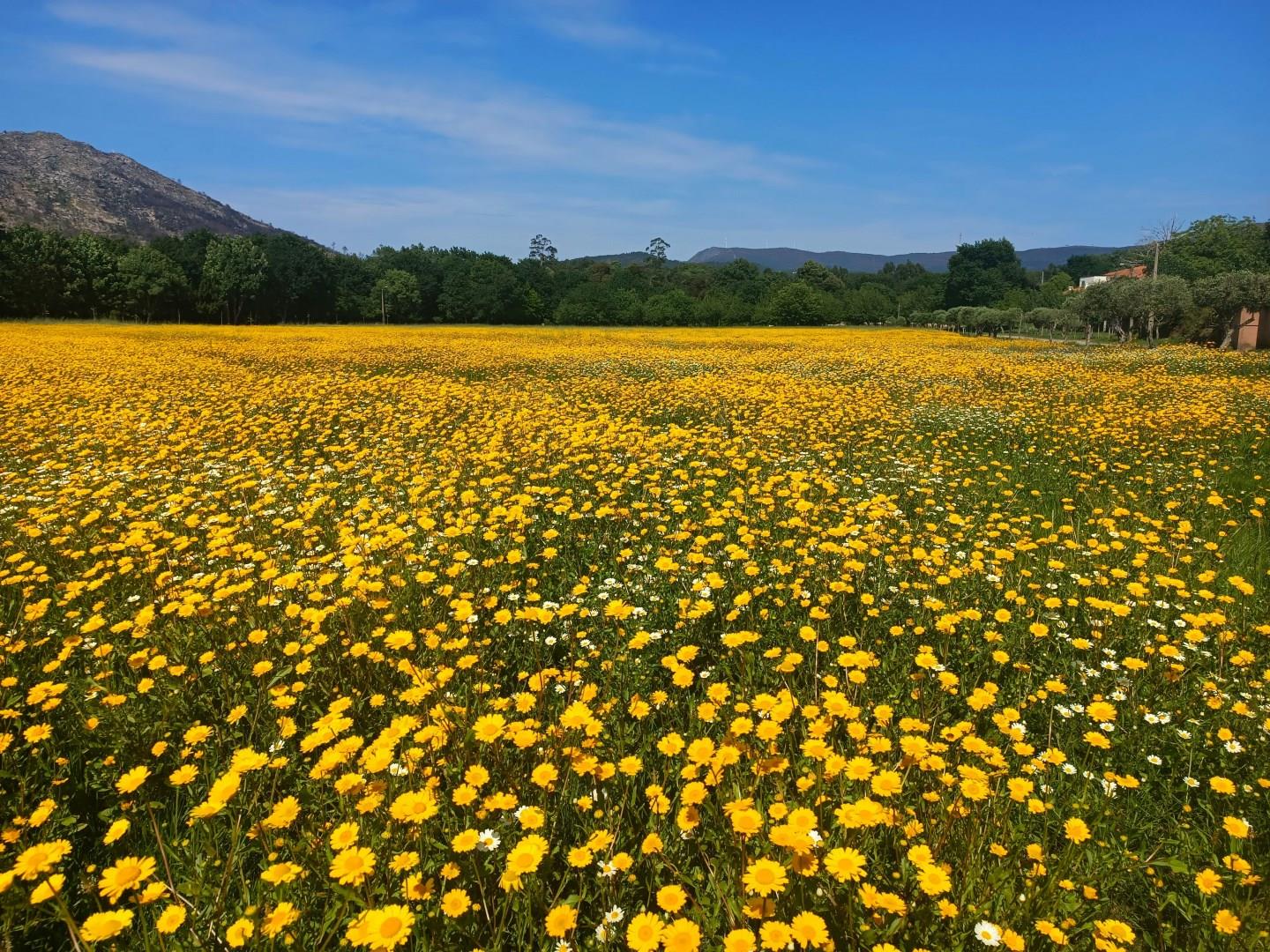
Caminha
Caminha sits at Portugal’s northern edge, where the Minho River meets the Atlantic and marks the border with Spain. Its history is closely tied to defense and trade, visible in remnants of medieval walls and a compact historic center that once guarded the river mouth.
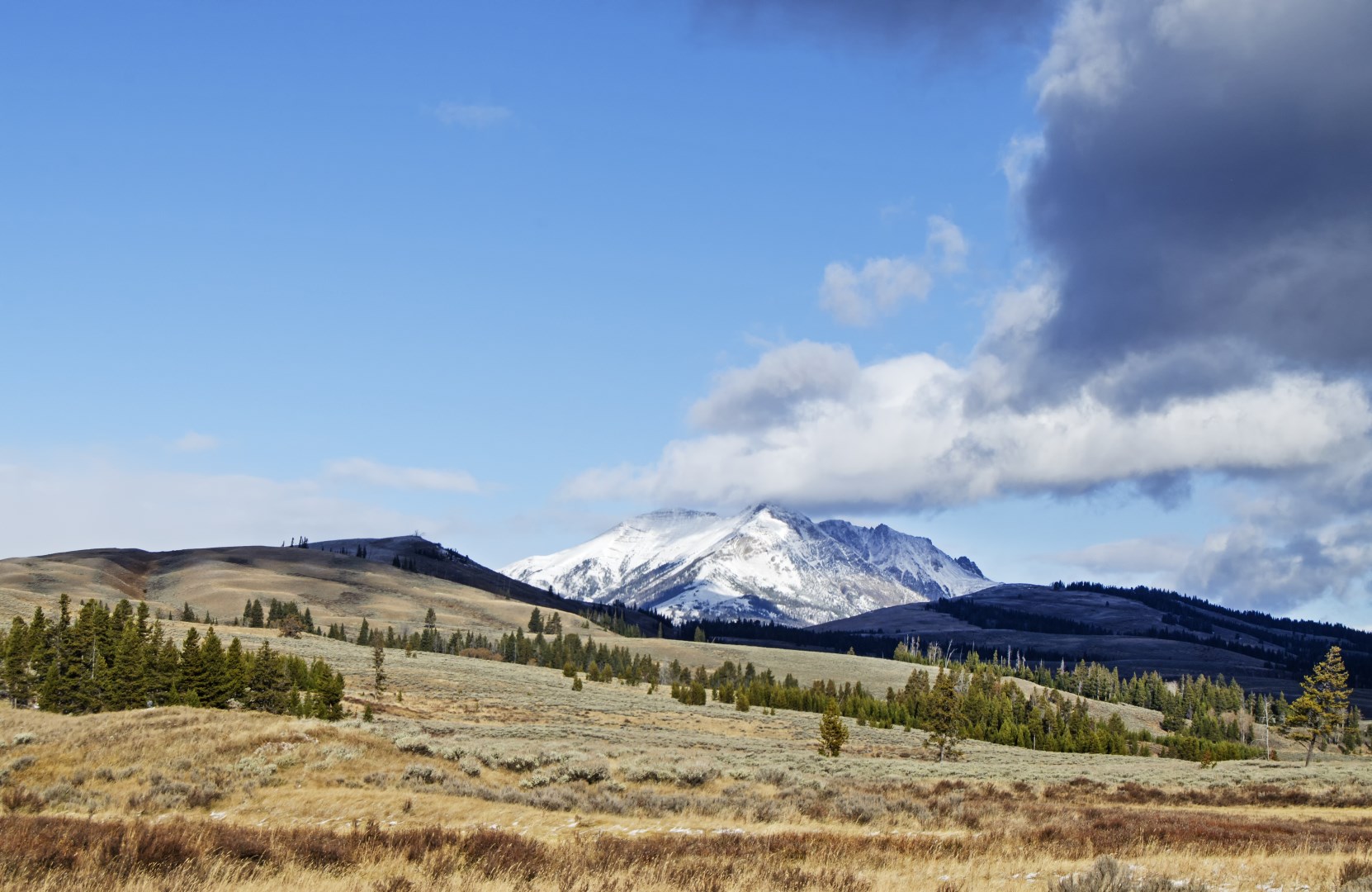
West Yellowstone
West Yellowstone, Montana sits right at the edge of one of the most visited protected landscapes in the United States, serving as a gateway to vast forests, geothermal fields, and wide open valleys. The town is built around travel into nearby wilderness, with simple log-style buildings, outdoor gear shops, and easy access points that lead directly toward major park entrances.
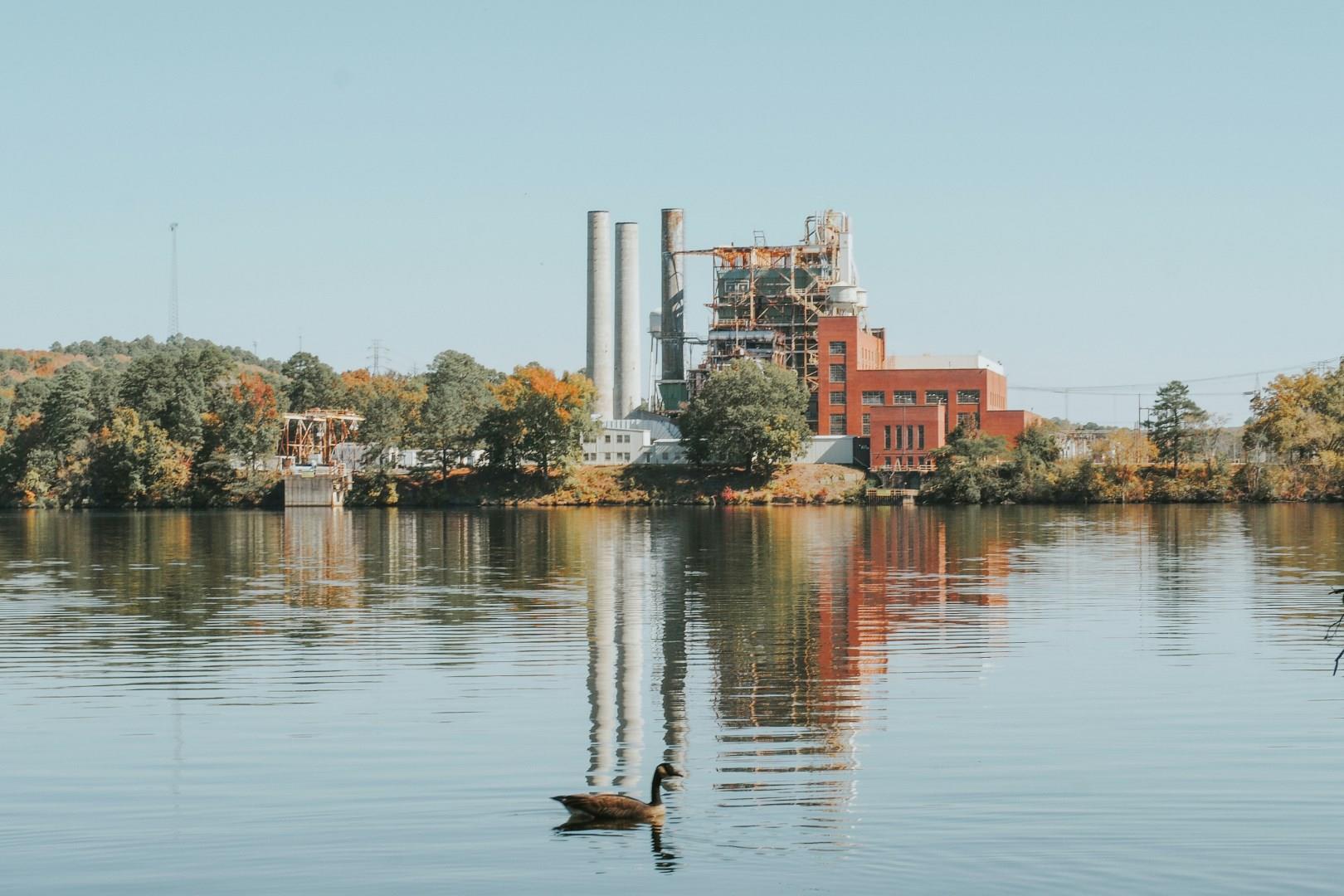
Hot Springs
Hot Springs, Arkansas has been drawing visitors for centuries, and it all starts with the water. The city sits atop a natural thermal spring system that produces nearly a million gallons of 143-degree water each day. These springs gave rise to Bathhouse Row, a stretch of eight historic bathhouses within Hot Springs National Park. Some, like the Fordyce Bathhouse, now serve as museums, while others still offer traditional thermal soaks.
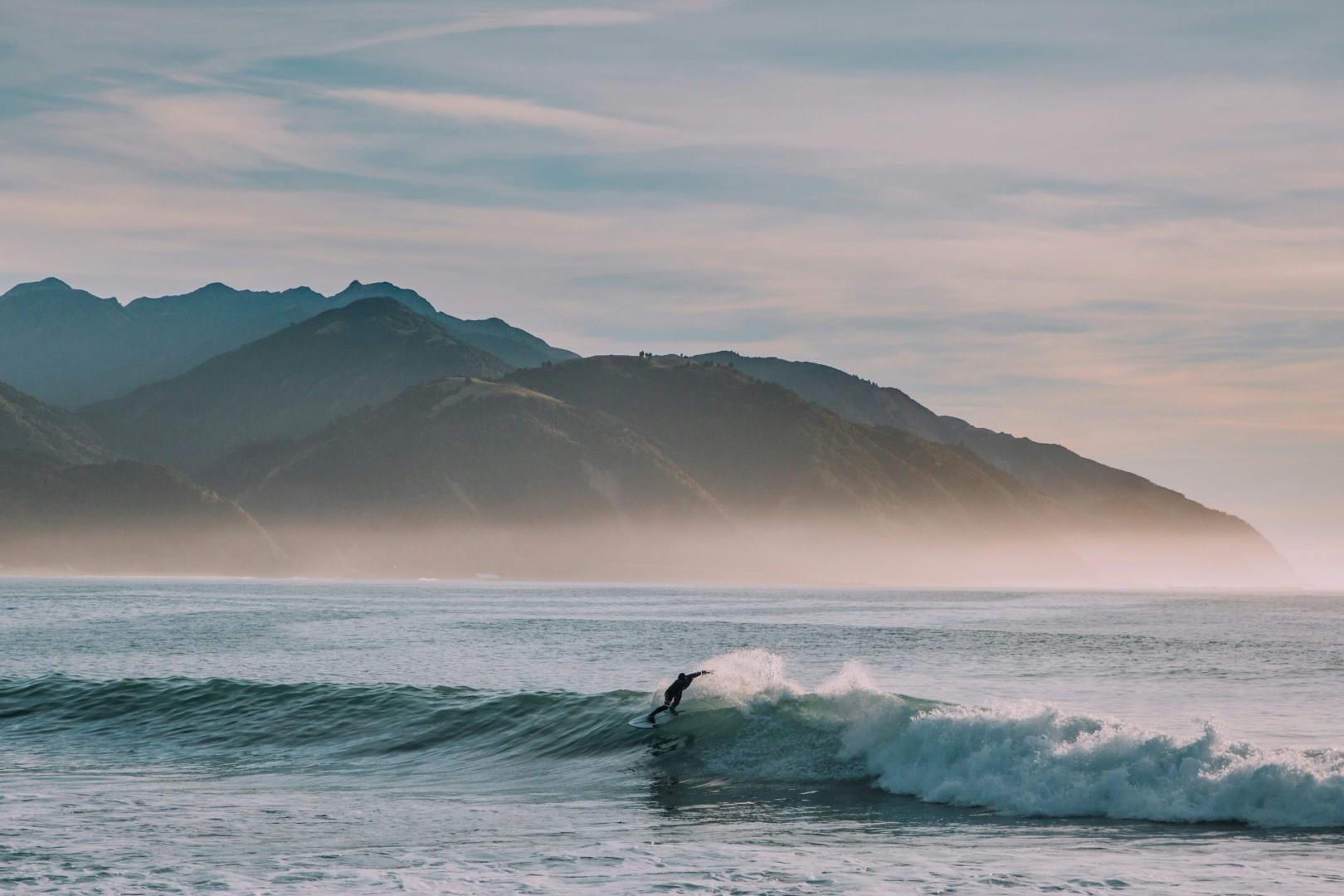
Kaikoura
What sets Kaikōura apart are the extraordinary marine encounters that begin just off the shoreline. The Kaikōura Canyon, an underwater gorge that plunges to great depths close to land, creates currents rich with nutrients that attract a remarkable array of sea life year-round. Sperm whales are a common sight here and are frequently spotted on local boat tours. Dusky dolphins twist and leap in large pods, and colonies of New Zealand fur seals laze on rocky outcrops along the coast.
