
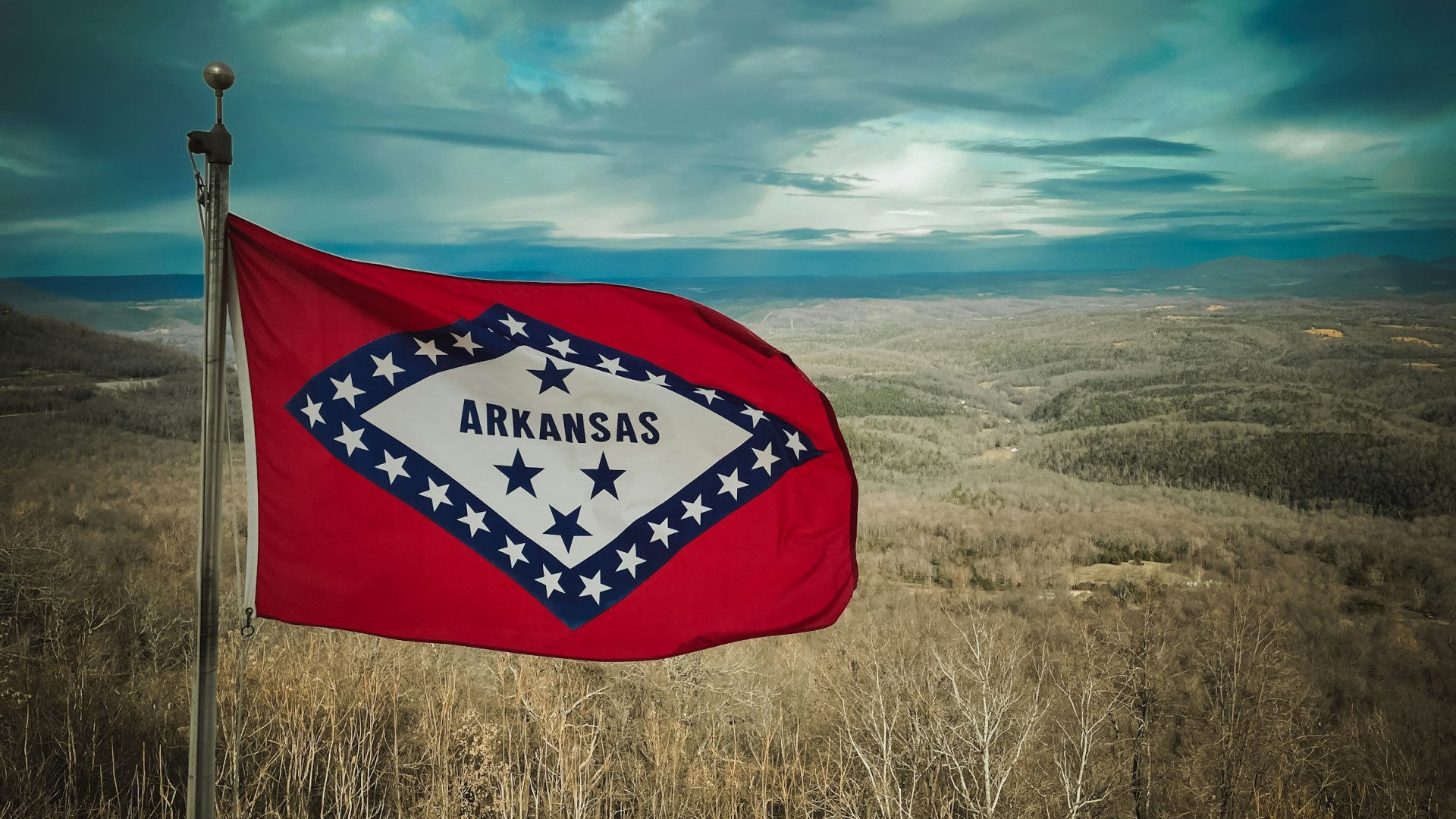
Arkansas
Arkansas is often called “The Natural State,” and for good reason as it’s home to more than 600,000 acres of lakes and 9,700 miles of rivers and streams. From the Ozark Mountains in the north to the Delta plains in the east, the state’s landscapes offer a wide range of backdrops for hiking, paddling, or simply taking in the view.
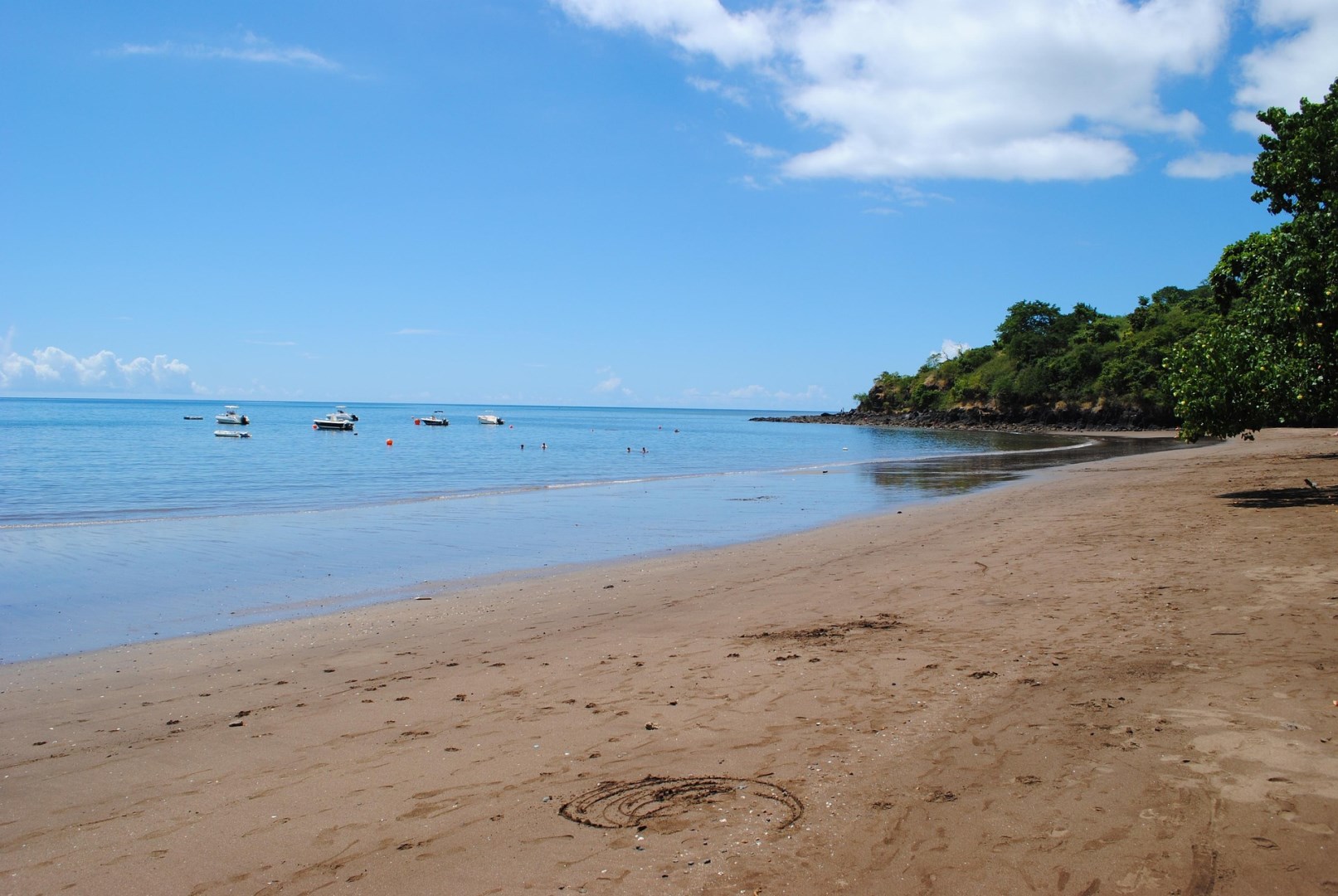
Trévani
Trévani is a coastal village on the northern side of Mayotte’s Grande-Terre, facing the island’s large lagoon. It is part of the commune of Koungou and is known for its waterfront setting, tropical vegetation, and access to the sea. The village sits near a sheltered bay where the coast curves around shallow lagoon waters, creating a landscape closely connected to fishing and marine activities.
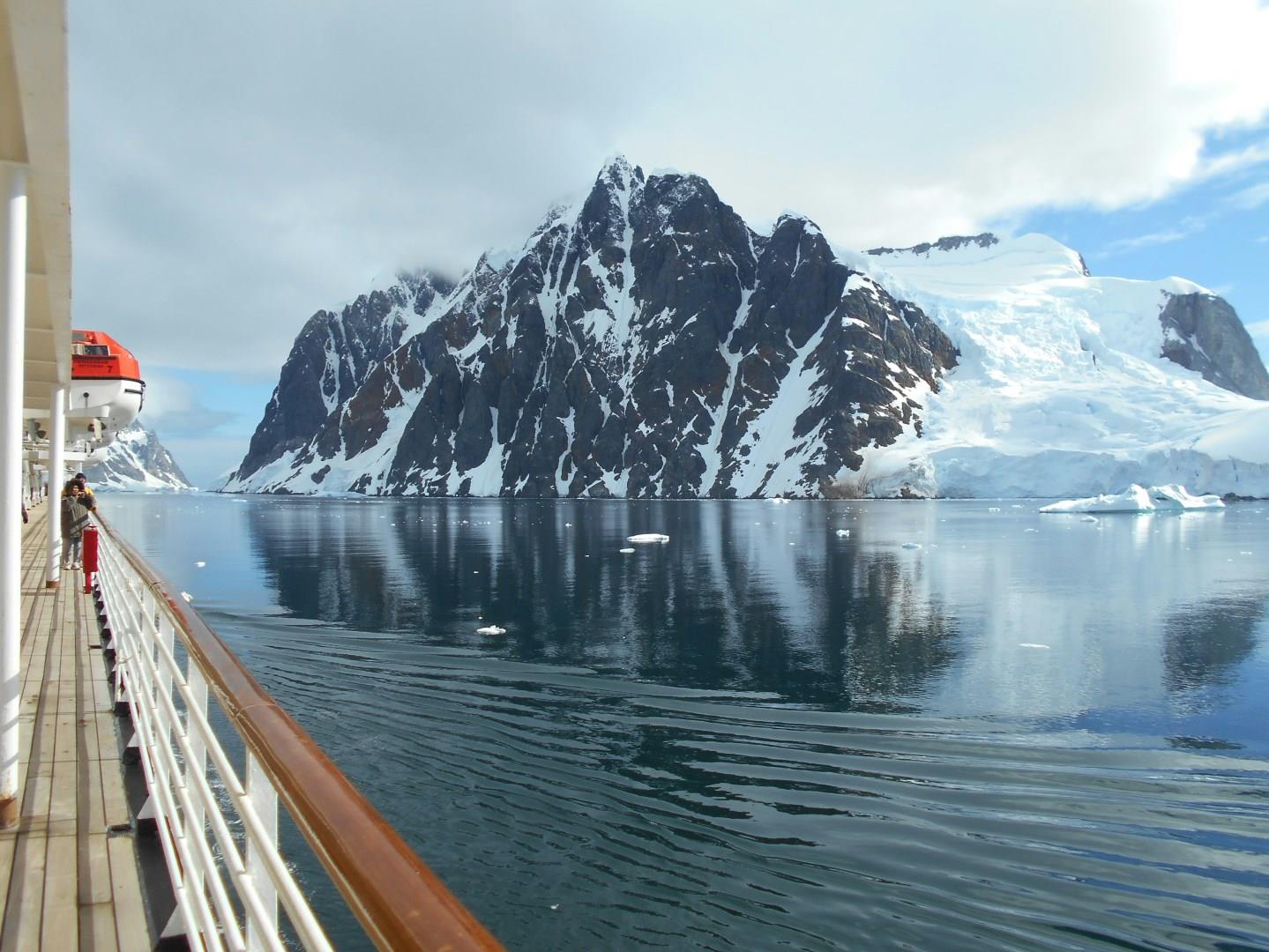
Lemaire Channel
The Lemaire Channel is a spectacular sight with enormous sheer cliffs falling straight into the sea. It's a narrow channel flanked by the Antarctic Peninsula on one side and Booth Island on the other. So photogenic is the channel that it's nicknamed 'Kodak Gap', and it's only once you're well within it that a way through is visible.
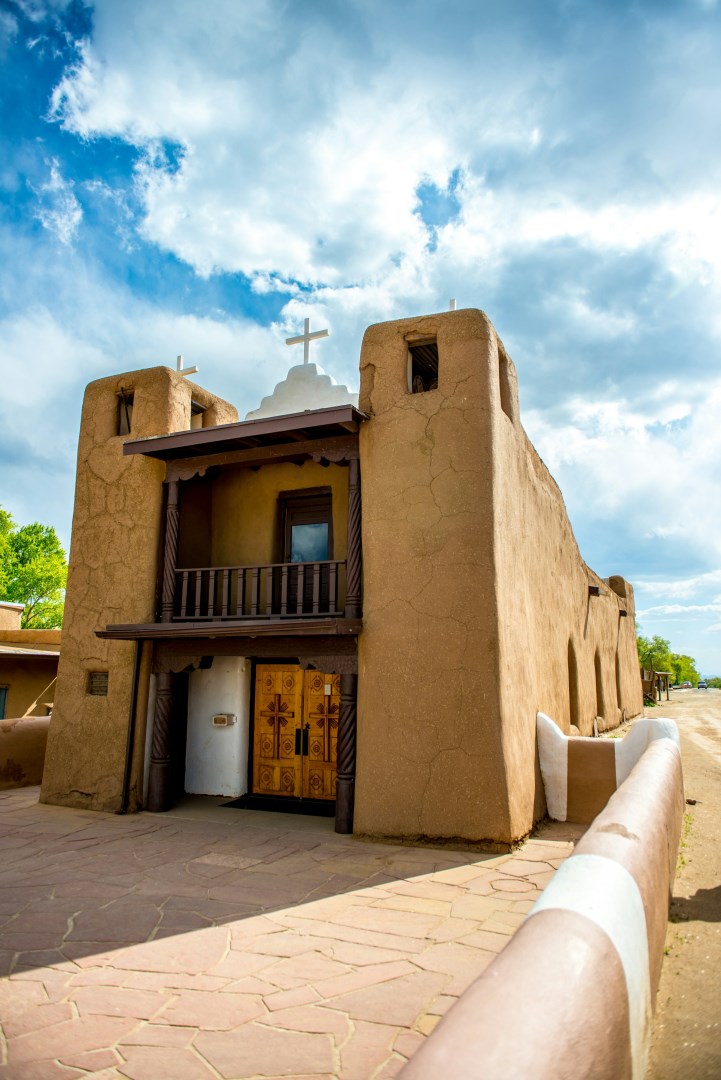
Taos
Taos, located in northern New Mexico, is a town renowned for its rich blend of Native American, Spanish, and Anglo cultures, dramatic landscapes, and artistic legacy. Nestled in the Sangre de Cristo Mountains, it has been a center for centuries of human settlement, from the Taos Pueblo, one of the oldest continuously inhabited communities in North America, to Spanish colonial missions and trading posts.
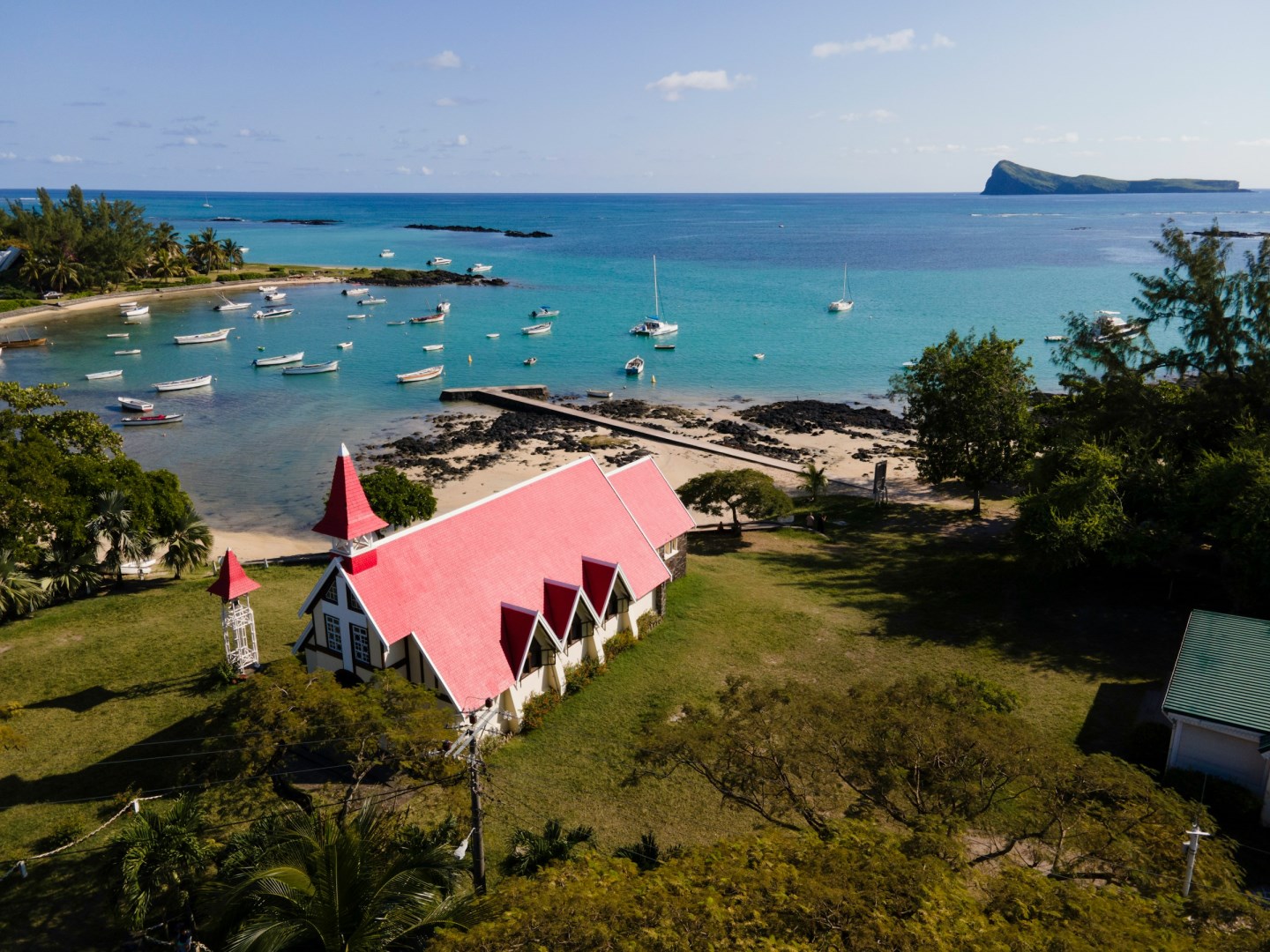
Cap Malheureux
Cap Malheureux is a small coastal village at the northern tip of Mauritius, facing the islands and open waters beyond Grand Baie. It is best known for Notre-Dame Auxiliatrice, a Catholic chapel with a bright red roof that stands beside the shoreline and has become one of northern Mauritius’s most recognizable landmarks.
