
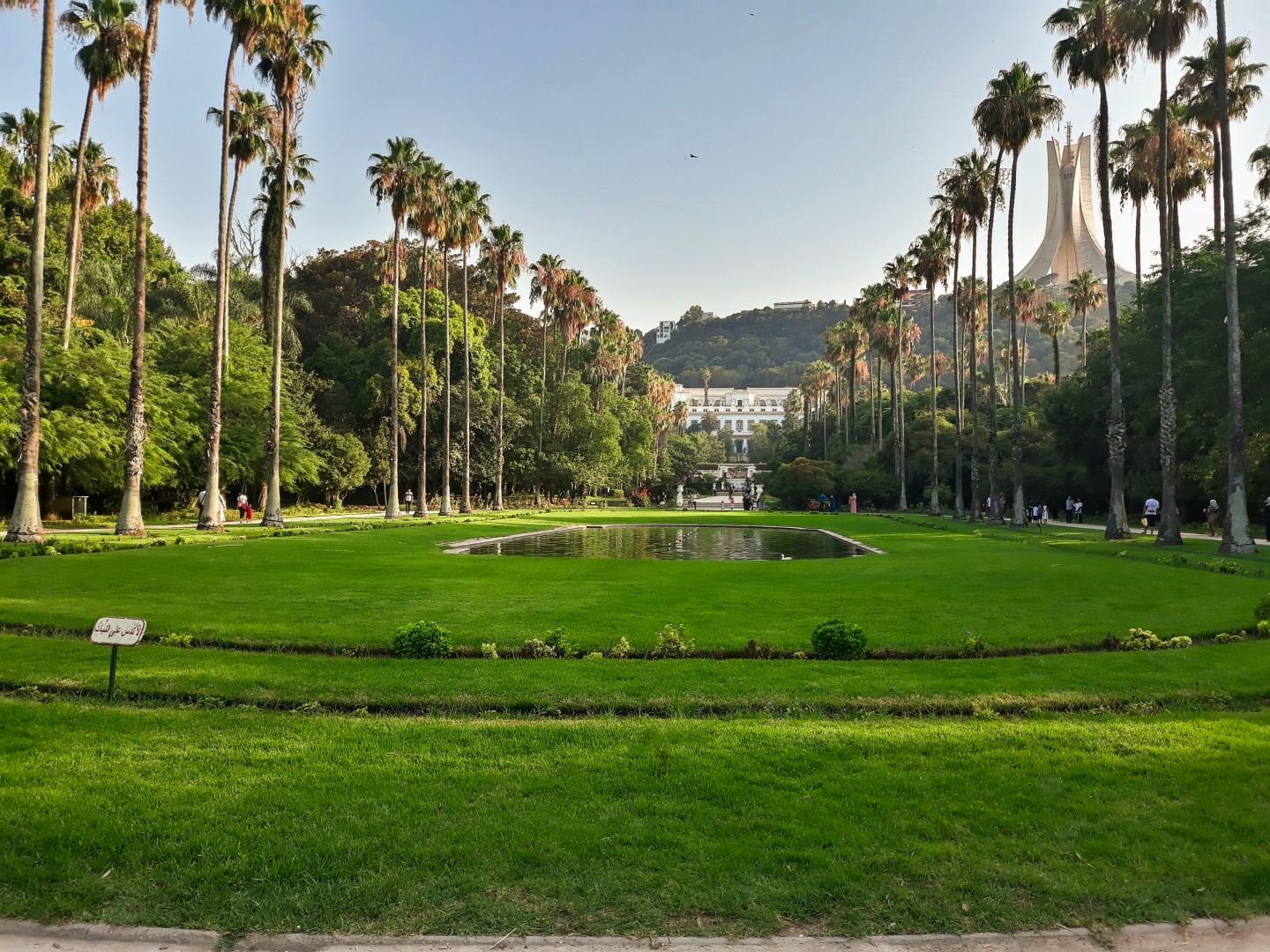
Algiers
Algiers, Algeria’s capital, is a city where centuries of history unfold along the shores of the Mediterranean. Known as “El Bahdja,” or “The Joyful,” Algiers blends striking buildings, seaside breezes, and layered stories. One of its most iconic landmarks is the Casbah, a UNESCO World Heritage site with maze-like alleyways, Ottoman-era palaces, and hidden terraces overlooking the bay. The Grand Post Office, with its striking facade and intricate neo-Moorish details, anchors the city’s downtown.
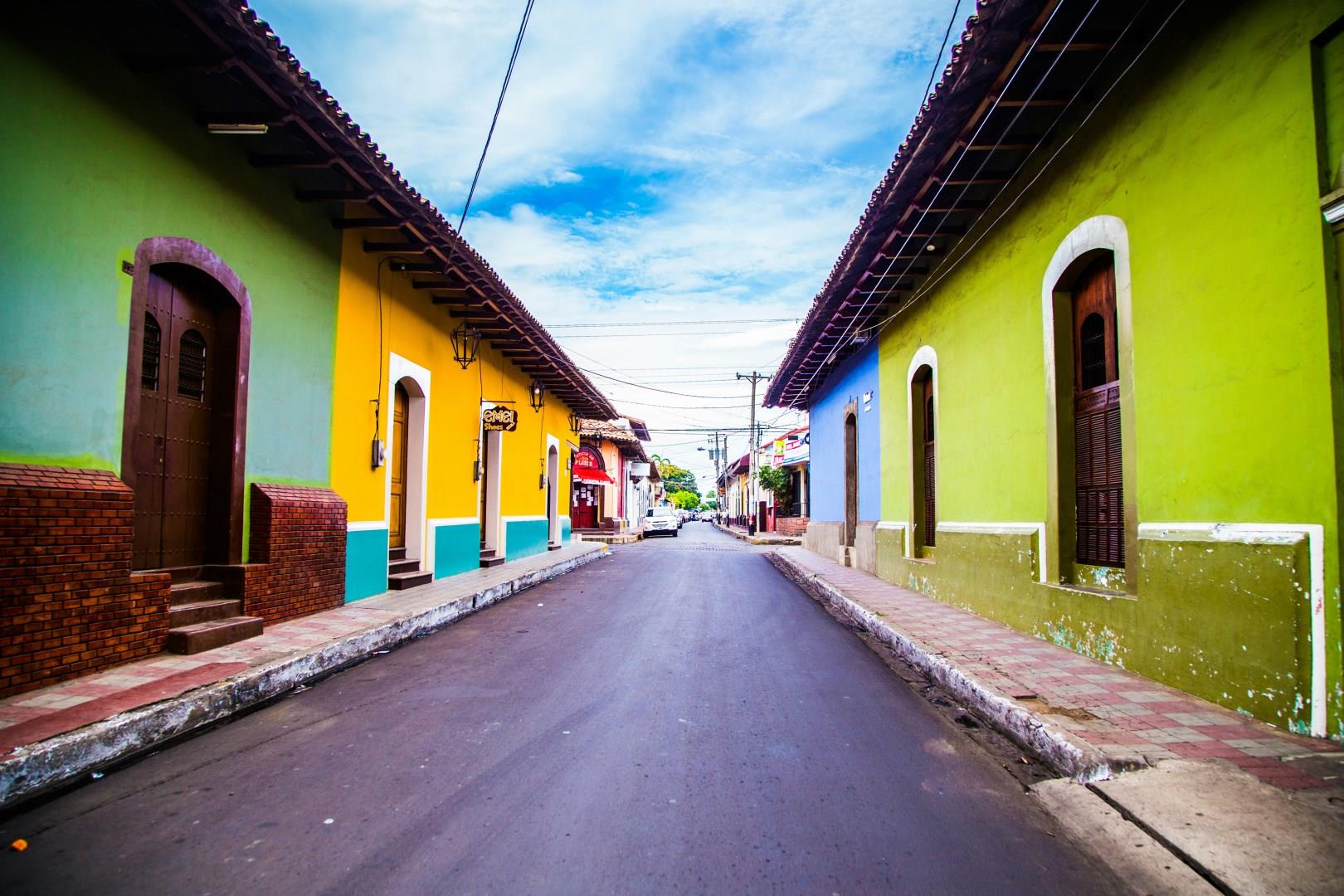
Leon
León, Nicaragua serves as the country’s capital for more than two centuries and still feels like the intellectual and political heart of Nicaragua. The city is known for its revolutionary past, visible in murals that stretch across building walls, telling stories of resistance, poets, and everyday citizens. The Cathedral of León, the largest in Central America and a UNESCO World Heritage Site, dominates the central square.

Stavanger
The Port of Stavanger is a popular stop on the route to the Norwegian Fjords, and boasts a first-rate assortment of museums and cultural events. Old Stavanger has Europe’s best preserved wooden house settlement.
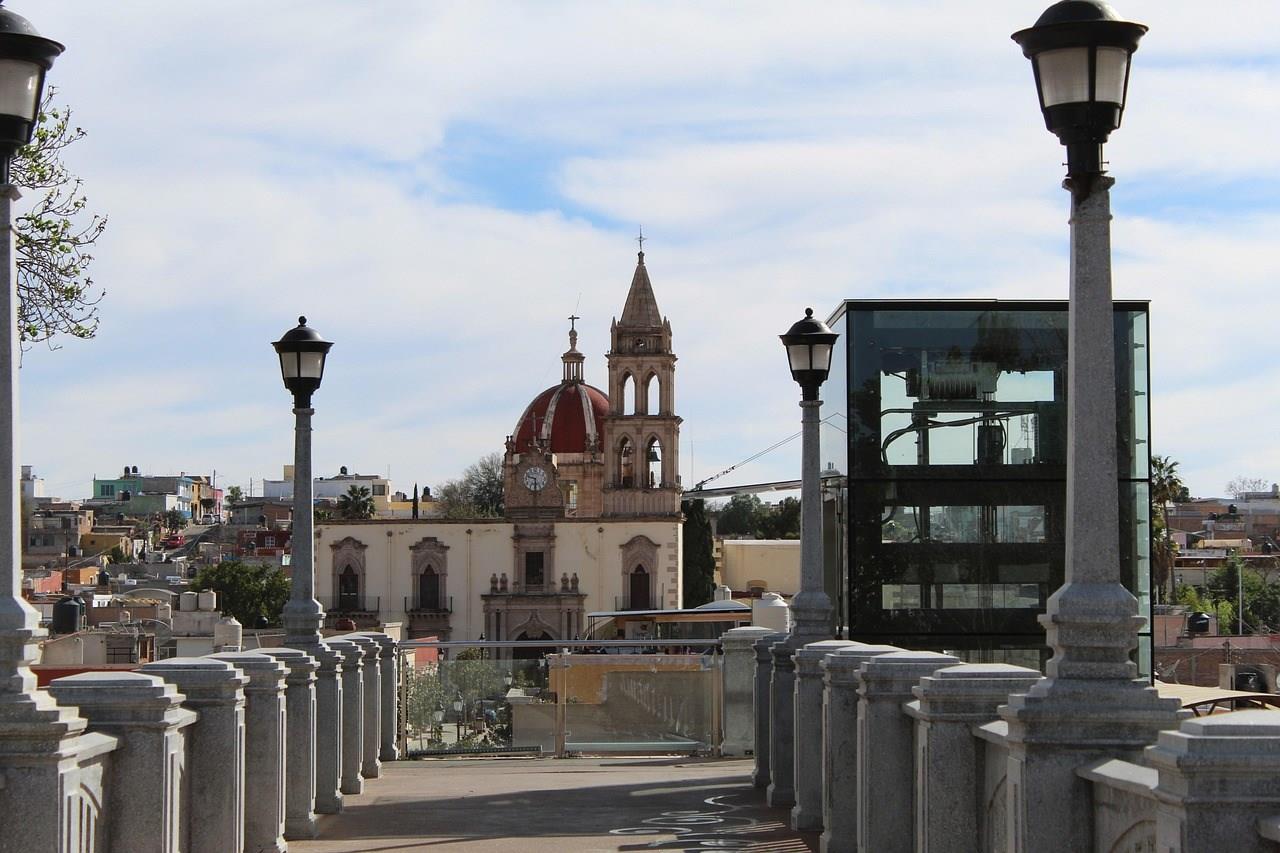
Durango
Victoria de Durango rises on a high plateau Mexico’s Sierra Madre Occidental, founded in 1563 by Francisco de Ibarra. Its streets trace layers of history: the historic center holds the most listed buildings in northern Mexico and remains a notable stop on the Camino Real de Tierra Adentro, now a UNESCO World Heritage route.

French Riviera
The French Riviera, or Côte d'Azur, is one of the most iconic and glamorous coastal destinations in the world, attracting visitors from all over the world. Stretching along the southeastern Mediterranean coast of France, it is renowned for its stunning beaches, crystal-clear waters, and picturesque towns such as Nice, Cannes, and Saint-Tropez.
