

Puno
Situated on the shore of Lake Titicaca, Puno is referred to as the folkloric capital of Peru due to its artistic and cultural expressions, particularly dance. Notable landmarks include the Andean baroque-style Puno Cathedral and the Yavari, a 19th-century steamship. Products created from alpaca, llama, or sheep wool are a signature of the area, as well as musical instruments like the siku.

Isafjördur
Gaze in awe at the majestic beauty of Icelandic fjords in Isafjordur, a small and remote fishing village on the coast of Iceland. Once a hub for maritime activities, Isafjordur is now a cultural center and offers a variety of museums to immerse you in the culture and history of the region.

Lithuania
Lithuania offers visitors a chance to explore a country where medieval traditions and modern culture meet. Vilnius, the capital, is known for its well-preserved Old Town, a UNESCO World Heritage site filled with winding streets, baroque churches, and cozy squares. Visitors can climb the hill to Gediminas’ Tower for a sweeping view of the city, or visit the Gates of Dawn, an important religious and historical monument that has welcomed travelers for centuries.
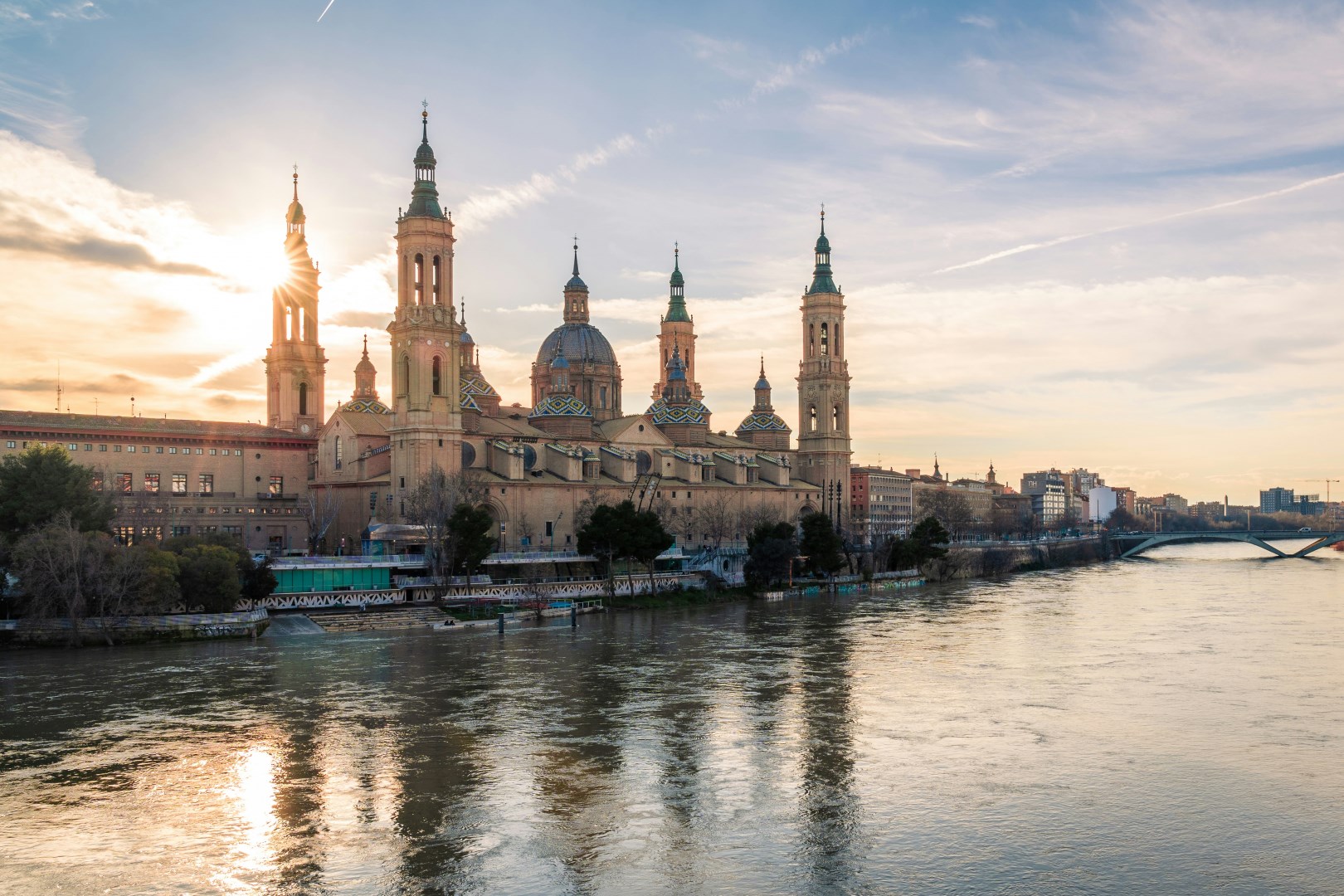
Zaragoza
Zaragoza stands on the banks of the Ebro River in northeastern Spain and serves as the capital of the Aragón region. The city is known for its mix of Roman remains, Islamic influences, Mudéjar architecture, and large Baroque landmarks.

Trogir
Nestled along Croatia’s stunning Dalmatian Coast, Trogir is a UNESCO World Heritage Site that offers an enchanting blend of history, architecture, and Mediterranean charm. Founded by Greek settlers in the 3rd century BC and later shaped by Roman, Venetian, and Croatian influences, Trogir’s Old Town is a labyrinth of narrow cobblestone streets, captivating medieval architecture, and vibrant piazzas. At its heart stands the Cathedral of St. Lawrence, a masterpiece of Romanesque and Gothic design w
