
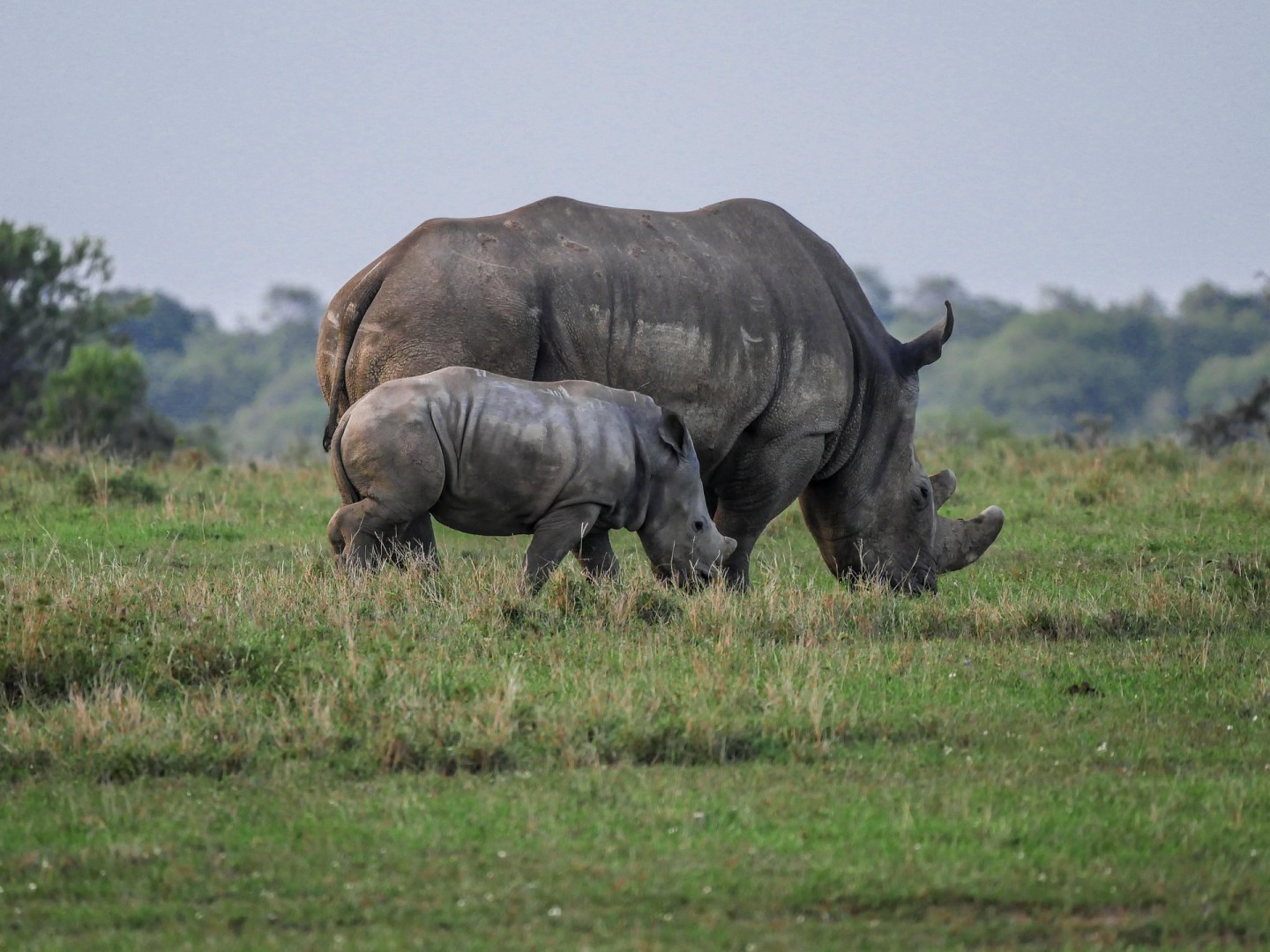
Ol Pejeta Conservancy
Ol Pejeta Conservancy lies in Kenya’s Laikipia region near Nanyuki, overlooking Mount Kenya and the Aberdare ranges. Covering about 90,000 acres, it combines wildlife conservation, cattle ranching, tourism, and community development within one managed landscape. The conservancy is particularly known for its work protecting rhinos and other threatened species. Its open grasslands, wooded areas, and river habitats support elephants, lions, zebras, giraffes, and many other animals.
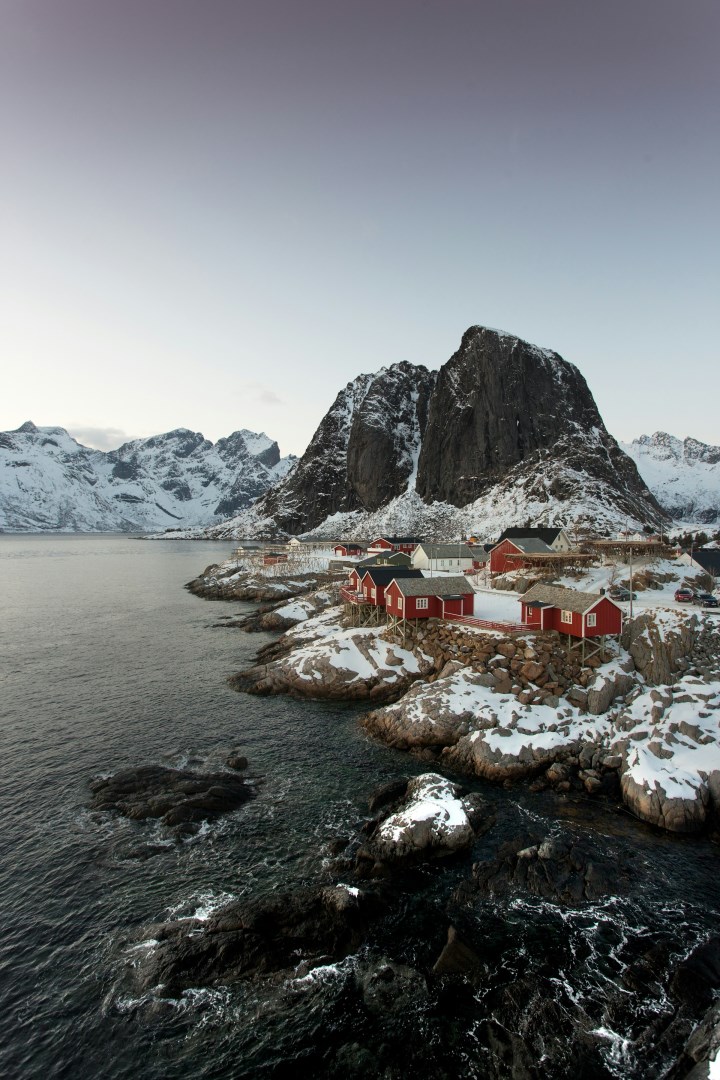
Reine
Reine is a small fishing village on Moskenesøya in the Lofoten Islands of northern Norway, where a chain of small islands and bridges sits between Vestfjord and the mountains surrounding Reinefjord. Around 300 people live in the village, which remains an active fishing community with fish reception, processing, and related businesses. Traditional red rorbu fishermen’s cabins stand along the waterfront and on nearby islands, alongside working boats and drying racks for stockfish.
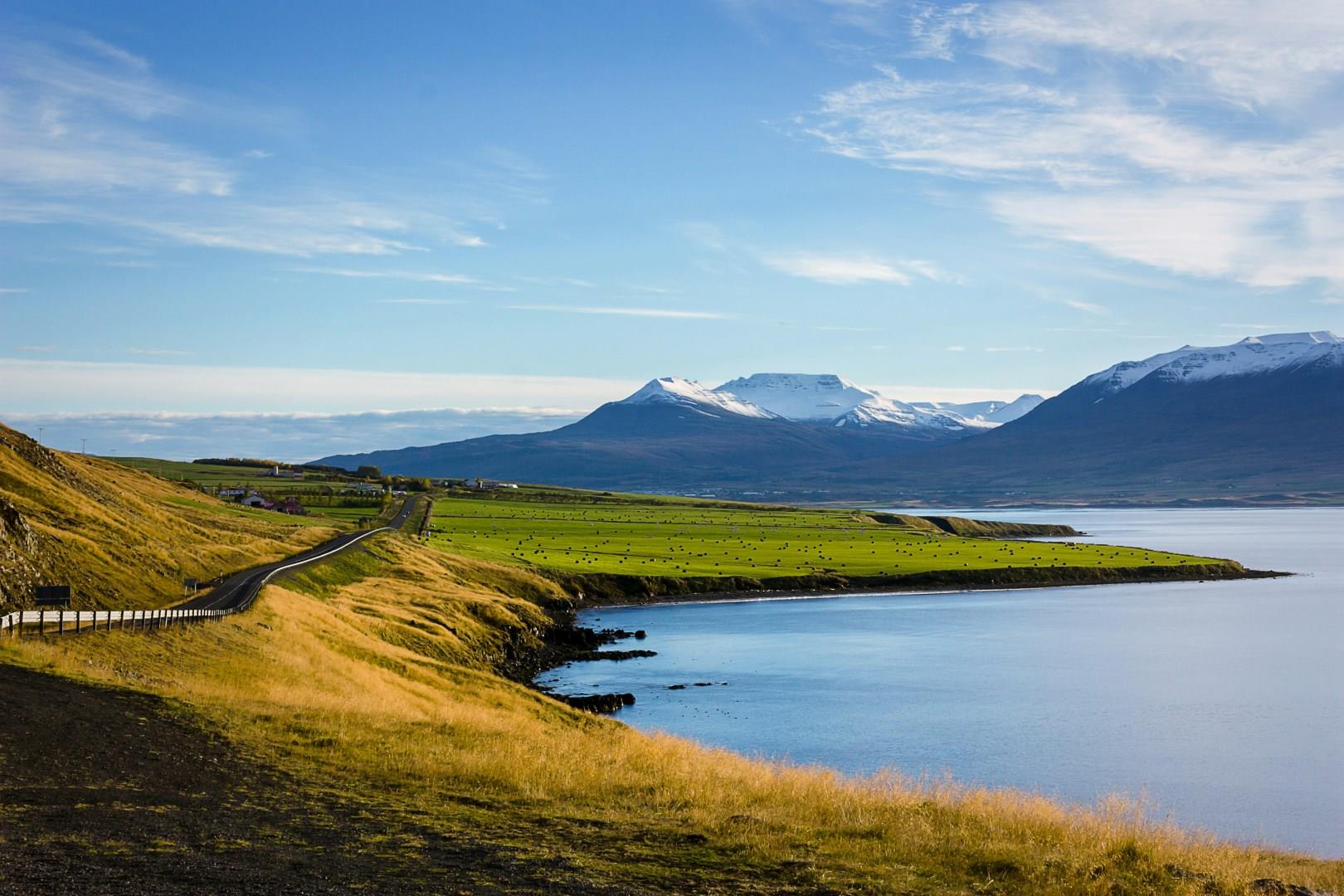
Akureyri
Akureyri, often referred to as the capital of North Iceland, offers travelers a distinct experience shaped by its Arctic location and rich local culture. Nestled at the base of Eyjafjörður fjord, the town has served as a trading center since the 1600s and continues to thrive with a mix of fishing, arts, and tourism. Within a few hours’ drive, visitors can reach the geothermal fields of Hverir, the volcanic craters at Lake Mývatn, and the powerful Goðafoss waterfall.

Mauritius
Mauritius, a jewel in the Indian Ocean, is known for its turquoise lagoons and coral reefs. The island is a haven for relaxation and adventure.
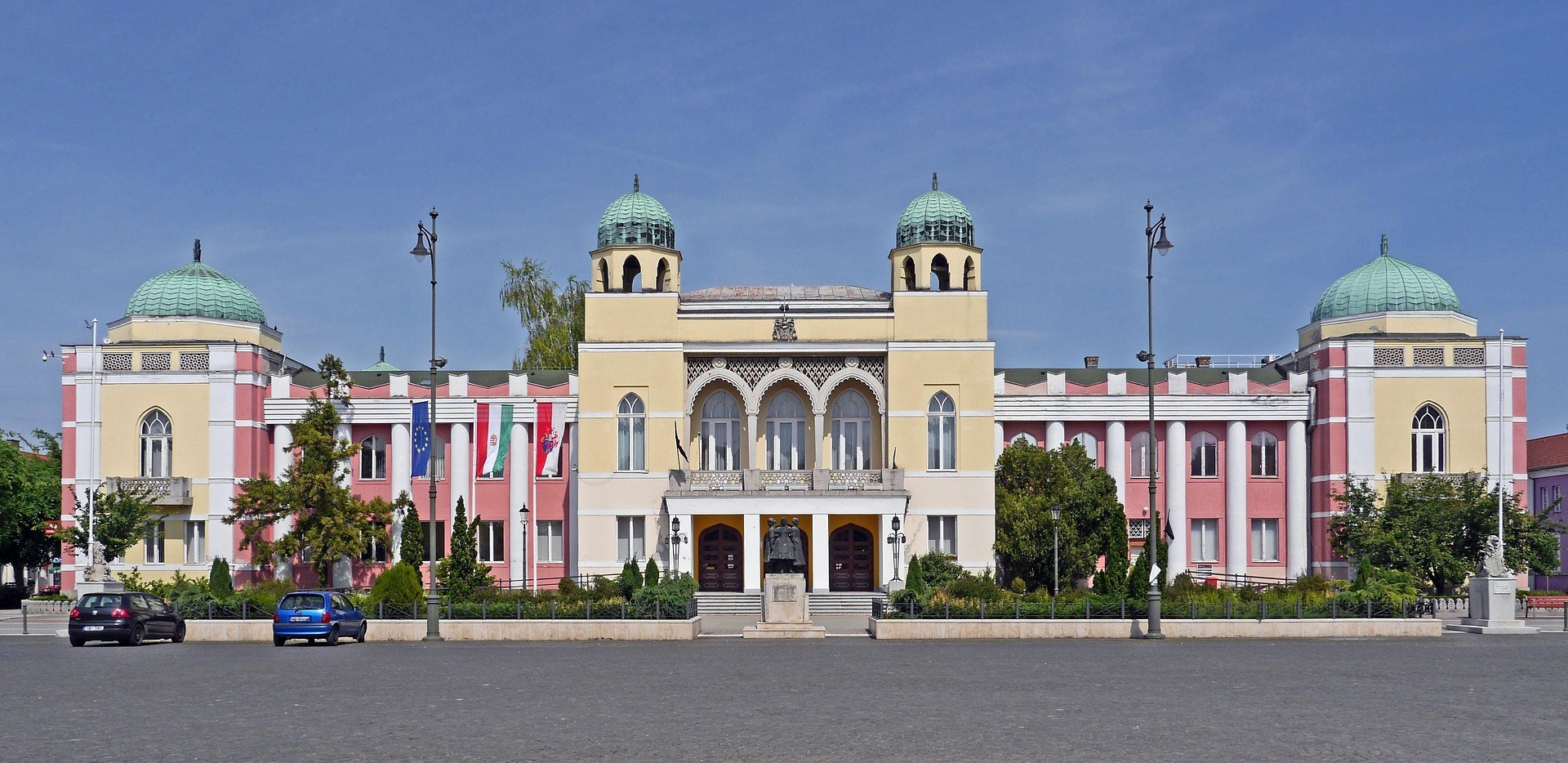
Mohács
Mohács is a Danube-side town in southern Hungary, close to the country’s border with Croatia. Its riverside setting has shaped local life, trade, agriculture, and recreation, while the town’s streets contain a mixture of traditional houses and distinctive public buildings. Mohács is especially associated with the Busó festivities, a masked end-of-winter carnival that has become the city’s defining cultural tradition.
