

Chiang Mai
Chiang Mai, located in northern Thailand, is a city where ancient walls surround over 30 historic temples, and daily life continues just steps away from centuries-old rituals. Founded in 1296 as the capital of the Lanna Kingdom, the city still reflects its origins through distinctive architecture, moats, and cultural practices. Wat Phra Singh and Wat Chedi Luang are two of the most visited temples within the Old City, offering a chance to see traditional Lanna-style design.
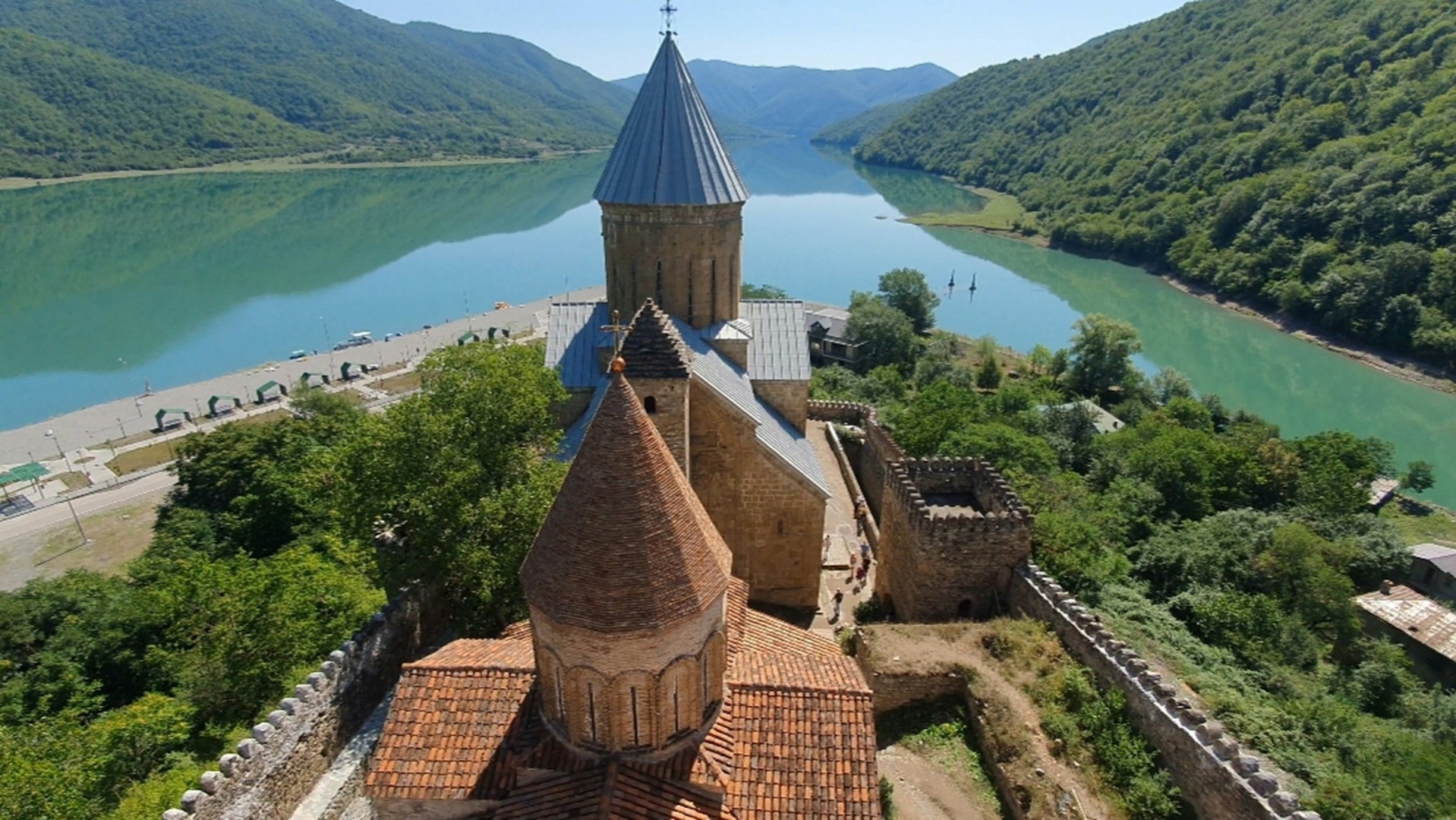
Ananuri
Ananuri is a historic fortified complex in northern Georgia, set beside the Zhinvali Reservoir on the Aragvi River. Its stone walls, towers, churches, and defensive structures rise above the reservoir and the surrounding wooded mountains, creating one of the most recognizable historic landscapes along the Georgian Military Highway.

Gaborone
Gaborone, the vibrant capital of Botswana, offers a unique blend of modernity and tradition, making it an increasingly popular destination for travelers seeking an African city adventure. Founded in 1966, this city is relatively young but holds immense significance as the political and economic heart of Botswana.
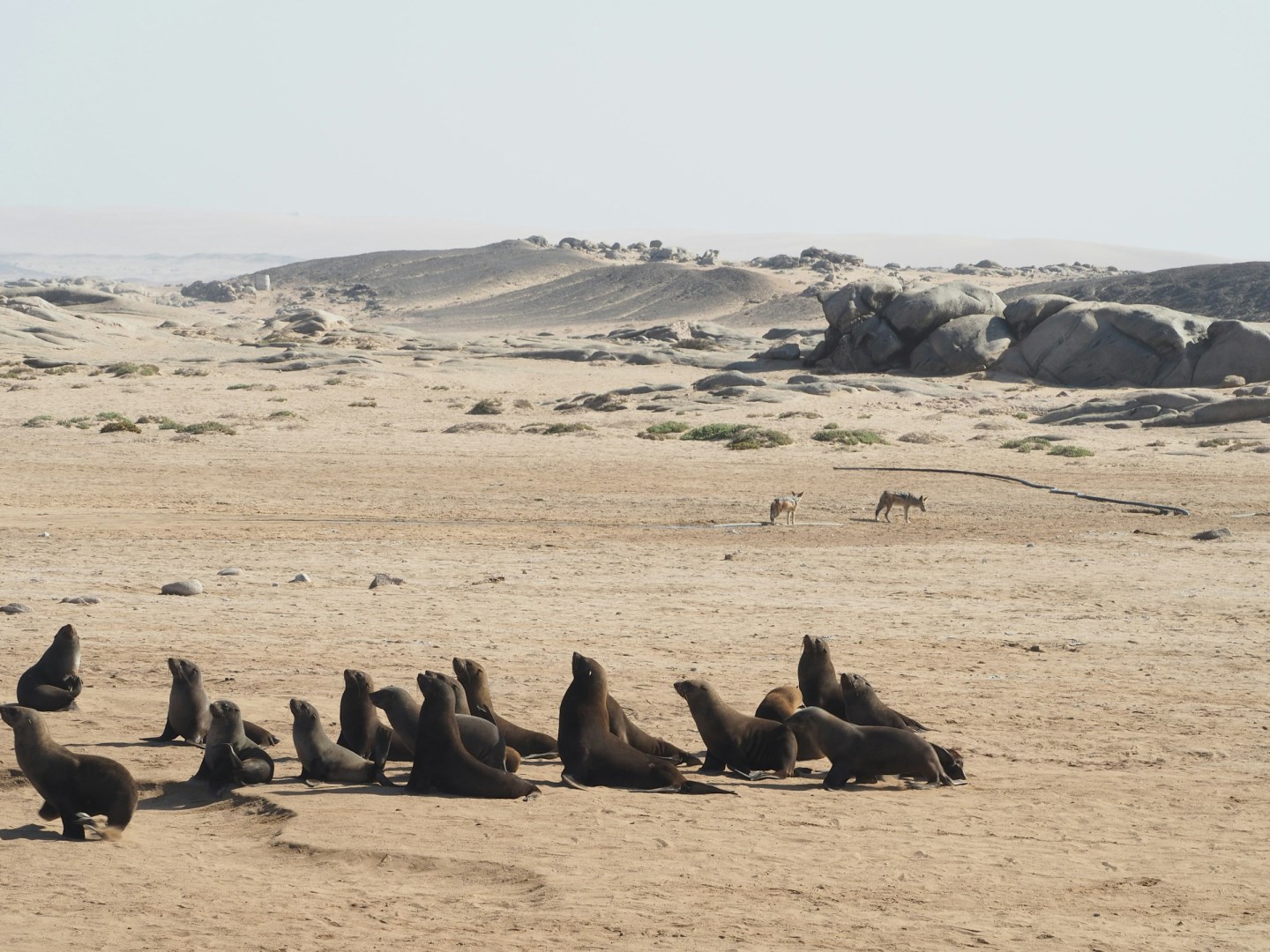
Skeleton Coast National Park
Skeleton Coast National Park stretches for about 500 kilometres along Namibia’s northwestern Atlantic coast, from the Ugab River toward the Kunene River. The park covers roughly 16,390 square kilometres of beaches, dunes, gravel plains, ephemeral riverbeds, canyons, and rugged mountain landscapes. Cold Atlantic water from the Benguela Current helps produce frequent coastal fog, which can extend inland across the desert.
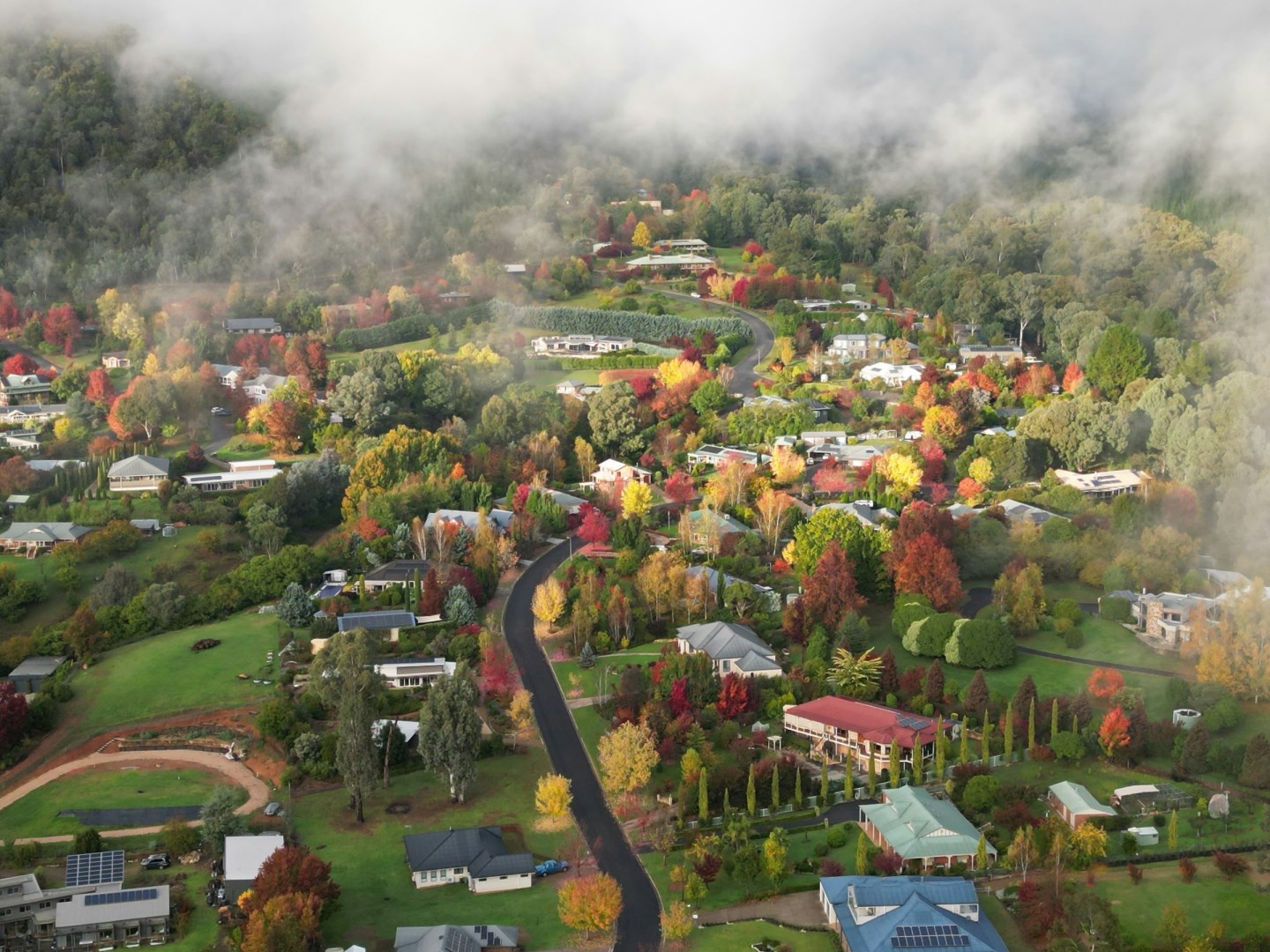
Bright
Bright is situated in the Ovens Valley and offers beautiful scenery and landscape. There are many ski resorts surround Bright, with Mt Buffalo National Park being the closest. This is obviously one attraction to the area, although Bright offers various activities all year around
