

Coromandel Peninsula
The Coromandel Peninsula on New Zealand’s North Island is a place where coastline and culture come alive in ways that stay with visitors long after they’ve left. Stretching for about 110 kilometers between the Hauraki Gulf and the Bay of Plenty, this region has deep roots that go back to the arrival of Māori long before Europeans stepped ashore.

Boracay
Boracay, a small island in the central Philippines, is famous for its white-sand beaches and clear turquoise waters. Despite its size, the island offers a wide range of activities, from swimming and snorkeling to paddleboarding and sailing.

Providence
Providence, Rhode Island blends deep colonial roots with a strong creative pulse. Founded in 1636 by Roger Williams, the city became known for its dedication to religious freedom and independent thought. Walking along Benefit Street, visitors pass rows of 18th- and 19th-century homes, many of which are impeccably preserved and marked with historical plaques. The Rhode Island State House, with one of the world’s largest self-supported marble domes, towers over the downtown area and offers public
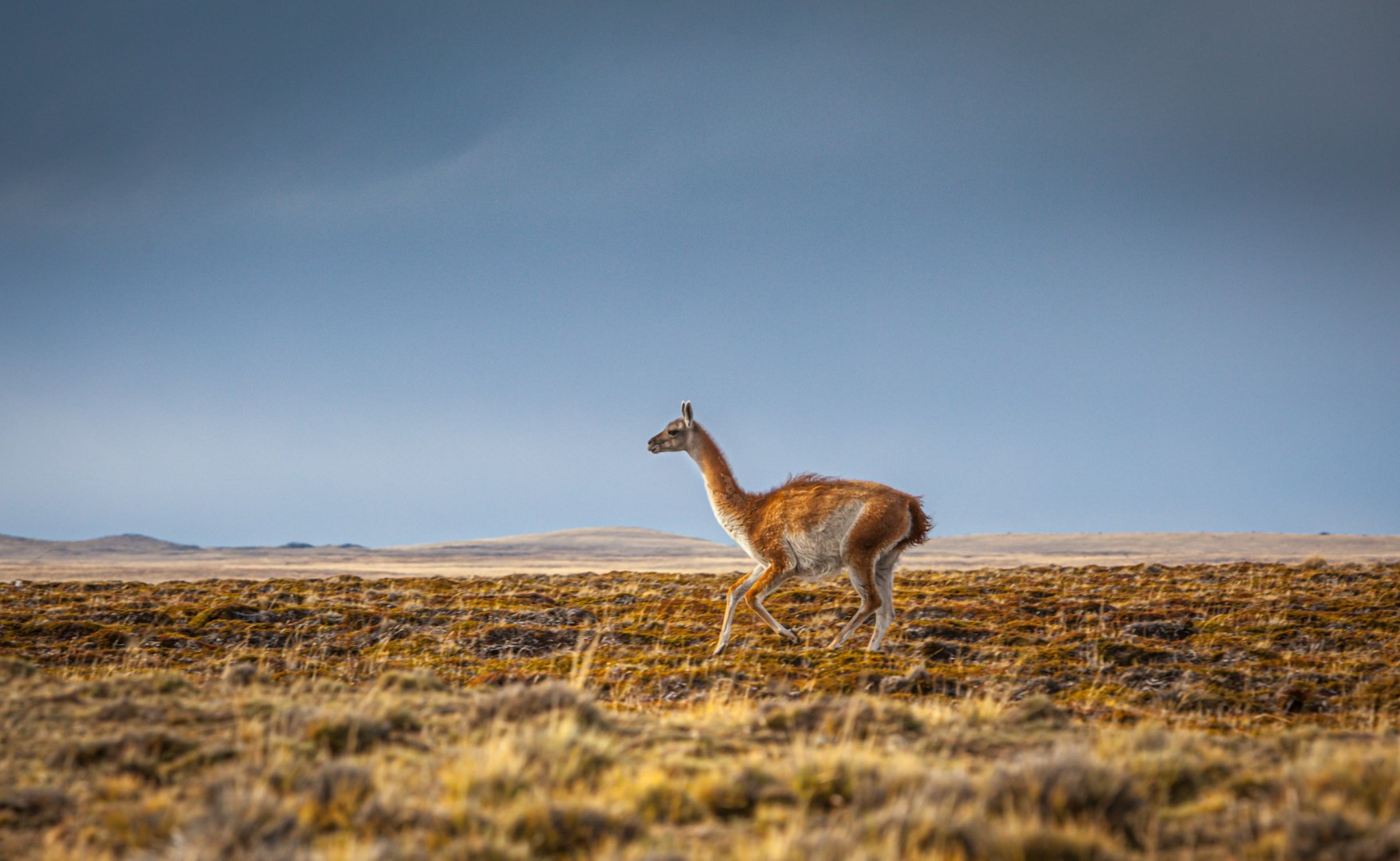
Chilean Patagonia
Chilean Patagonia is a vast southern region extending from the fjords and forests of Aysén to the mountains, steppes, and channels of Magallanes. Rather than a single destination, it encompasses remote towns, national parks, glaciers, islands, and long stretches of sparsely settled landscape. The Carretera Austral provides one of its main overland routes, linking places such as Coyhaique, Puerto Río Tranquilo, and Villa O’Higgins through forests, rivers, mountains, and fjords.

Sofia
Sofia, Bulgaria’s capital, is a city where the past meets the present in a symphony of ancient history, stunning architecture, and vibrant urban life. At the heart of Sofia lies the Alexander Nevsky Cathedral, one of the largest Eastern Orthodox cathedrals in the world. With its golden domes and elaborate frescoes, this architectural marvel serves as a symbol of Bulgarian identity and a must-see attraction.
