
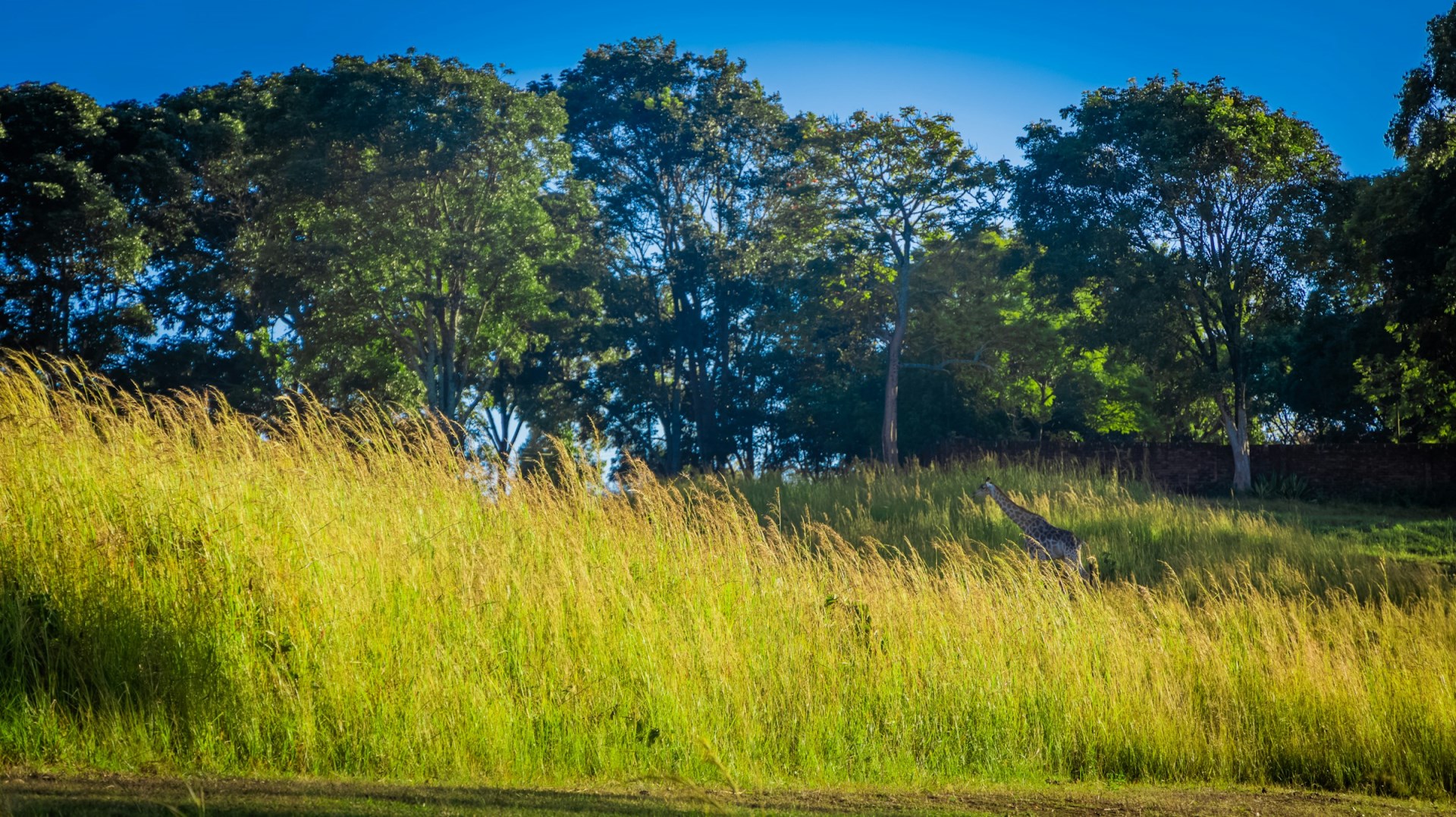
Thyolo
Thyolo is a district and town in southern Malawi, set among the rolling hills of the Shire Highlands between Blantyre and Mount Mulanje. It is best known for its tea estates, where carefully planted rows of tea cover the slopes and form one of the region’s defining landscapes. The area also produces coffee and other crops, while the surrounding highlands support forests and farmland.
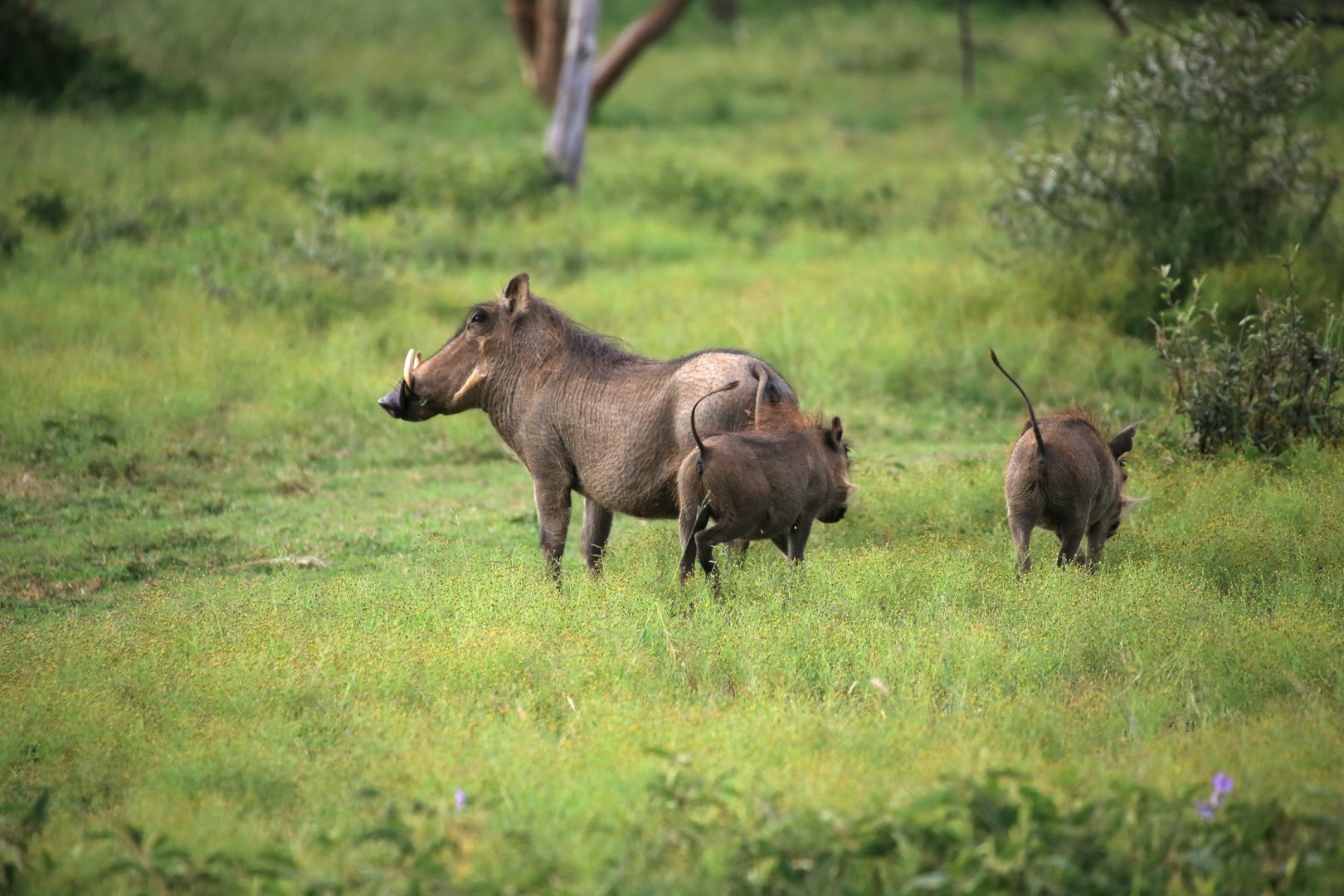
Bela-Bela
Bela-Bela is a town in South Africa’s Limpopo province, situated in the Waterberg region north of Pretoria. Formerly known as Warmbaths, it takes its current name from a Northern Sotho expression meaning “boiling-boiling,” referring to the natural hot mineral springs found in the town.
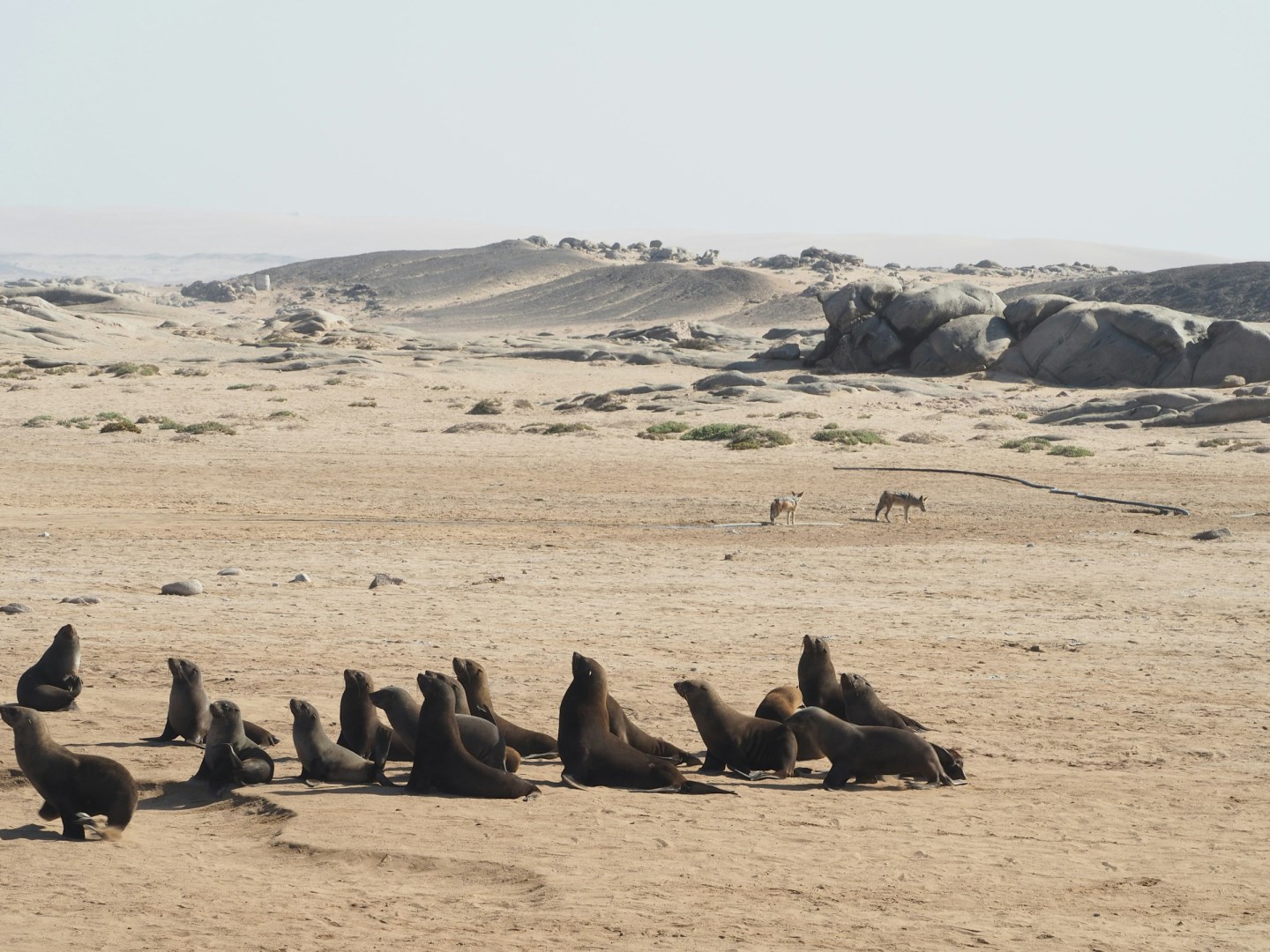
Skeleton Coast National Park
Skeleton Coast National Park stretches for about 500 kilometres along Namibia’s northwestern Atlantic coast, from the Ugab River toward the Kunene River. The park covers roughly 16,390 square kilometres of beaches, dunes, gravel plains, ephemeral riverbeds, canyons, and rugged mountain landscapes. Cold Atlantic water from the Benguela Current helps produce frequent coastal fog, which can extend inland across the desert.
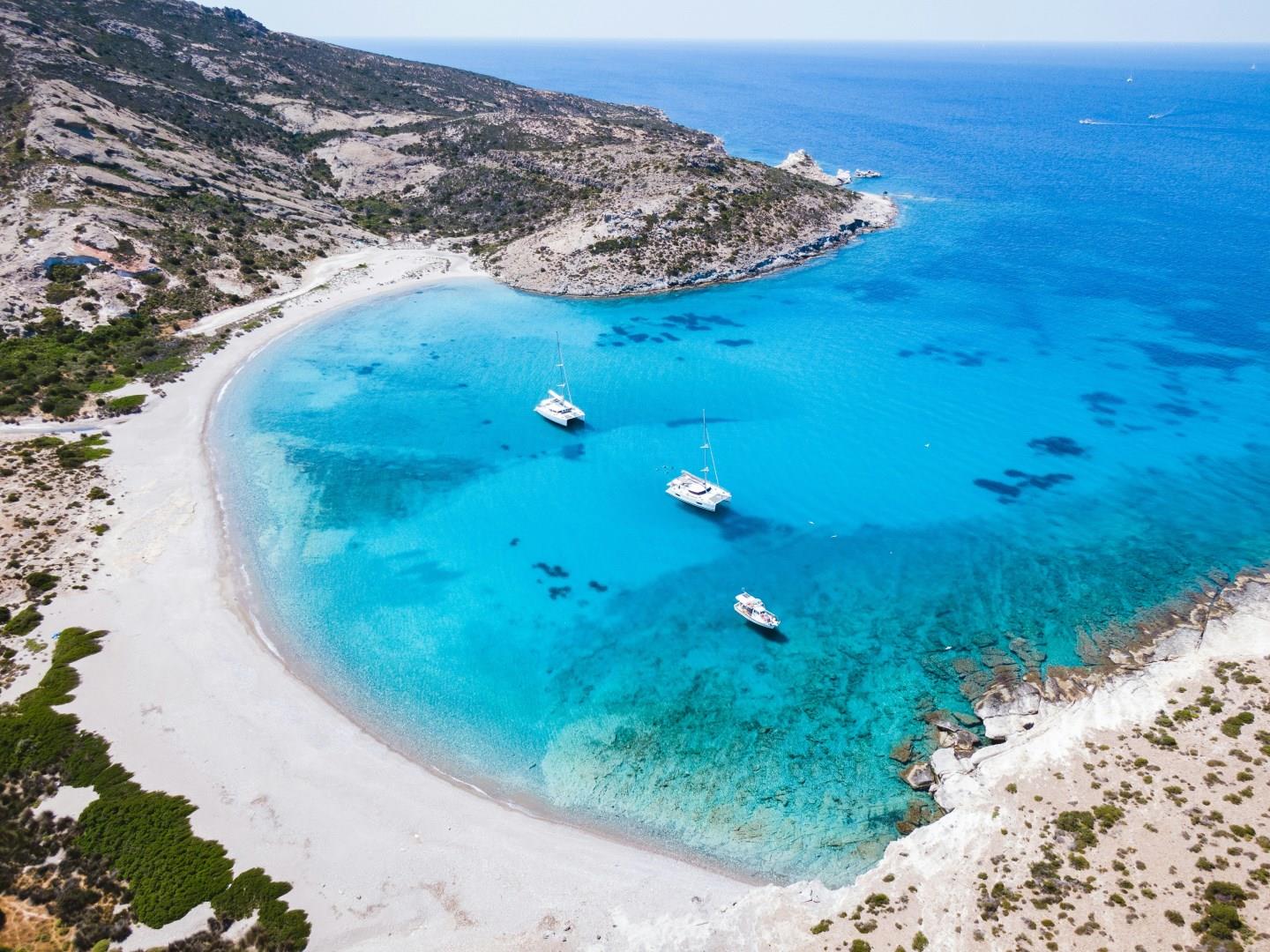
Milos
Milos is one of the most striking islands in the Aegean Sea, known for its otherworldly landscapes, turquoise coves, and centuries-old history. Shaped like a horseshoe, the island was formed by volcanic activity which left behind dramatic cliffs and hidden beaches carved from soft white rock. Visitors often find their first glimpse of Milos unforgettable, especially at Sarakiniko Beach where smooth, chalk-white formations contrast with the vivid blue water.

Pokhara
Pokhara, nestled in central Nepal, sits at the base of the Annapurna mountain range and has long served as both a rest stop for trekkers and a destination in its own right. What sets Pokhara apart is the rare opportunity to see 8,000-meter peaks like Machapuchare (Fishtail) and Annapurna I reflected in the calm waters of Phewa Lake. Early mornings are often the clearest, with boat rides offering peaceful views of snow-capped peaks mirrored in the lake.
