
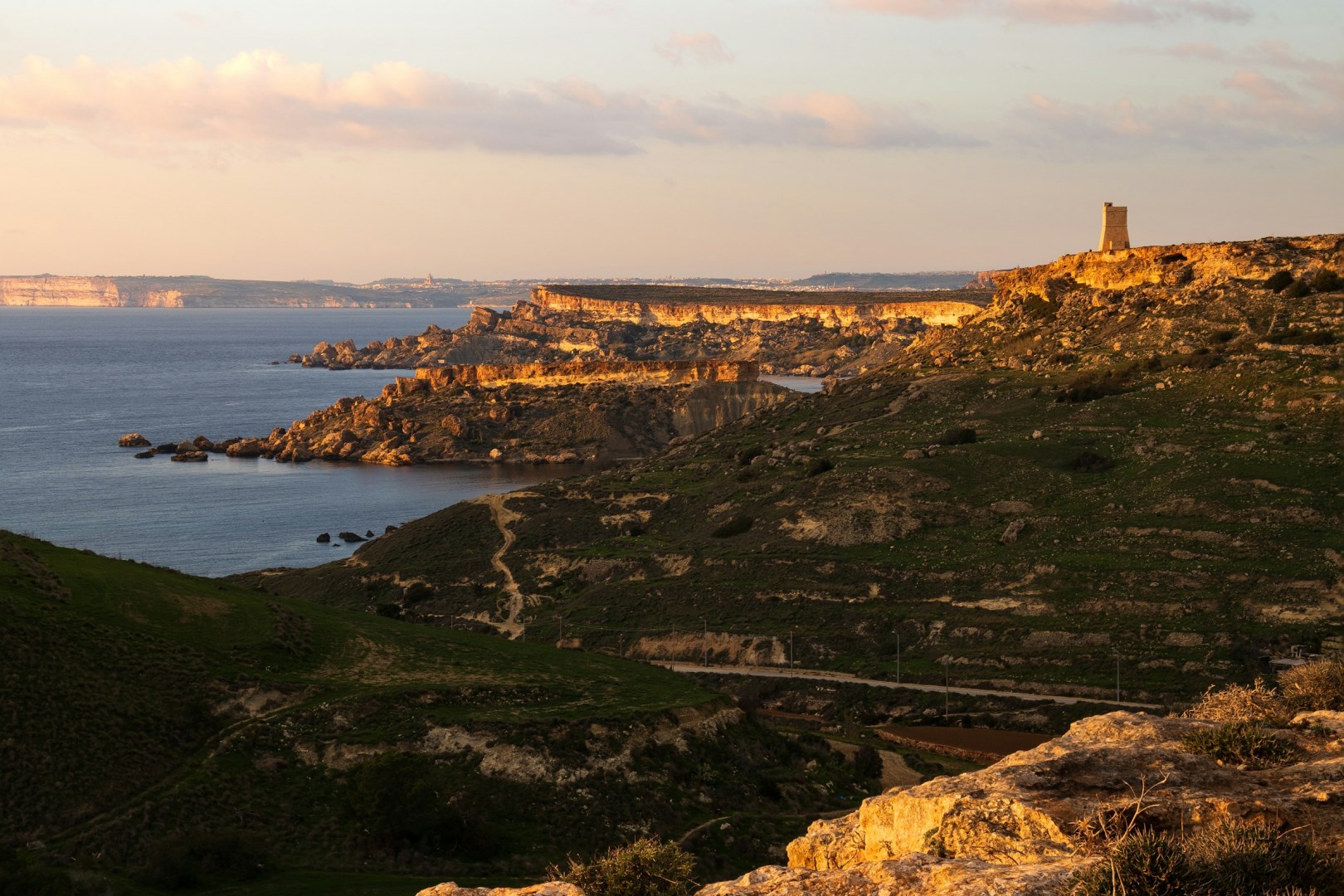
Mġarr
Mgarr is a rural village in northwestern Malta, surrounded by some of the island’s most extensive areas of farmland and open countryside. Its name is associated with a sheltered place or landing area, reflecting Malta’s long relationship with agriculture and rural settlement. The village is centered on the large parish church of the Assumption of the Virgin Mary, whose distinctive dome dominates the surrounding landscape.
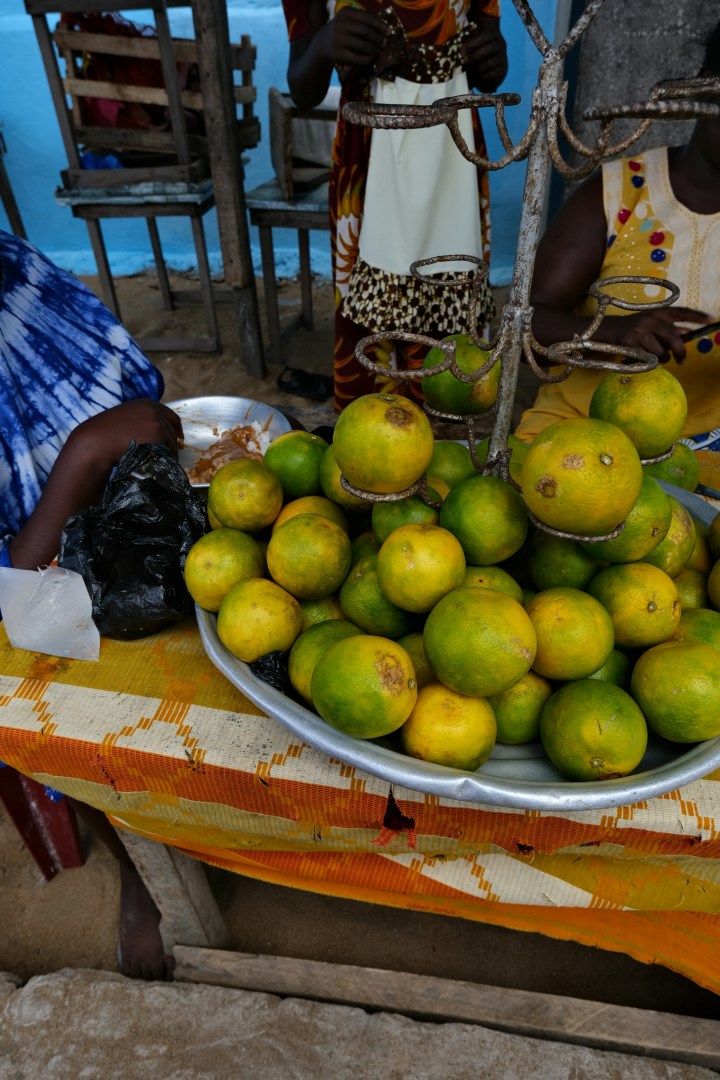
Grand-Bassam
Grand-Bassam is a coastal city in southeastern Côte d’Ivoire, about 40 kilometres east of Abidjan, where the Ébrié Lagoon meets the Gulf of Guinea. The city extends across lagoon shores and a narrow coastal strip lined by Atlantic beaches and coconut palms.
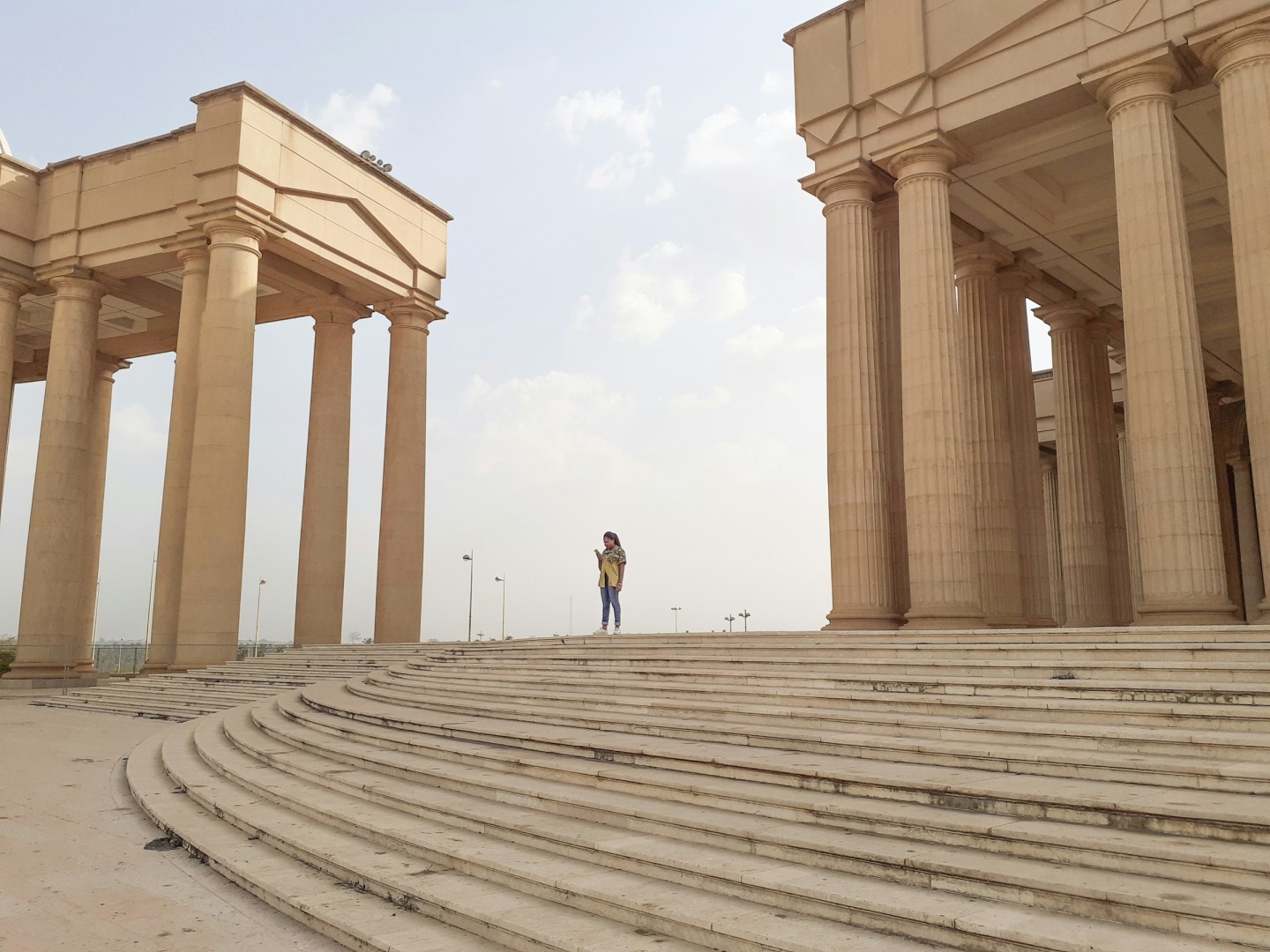
Yamoussoukro
Yamoussoukro is the political and administrative capital of Côte d’Ivoire, located in the country’s central region amid gently rolling land, cultivated fields and patches of forest.
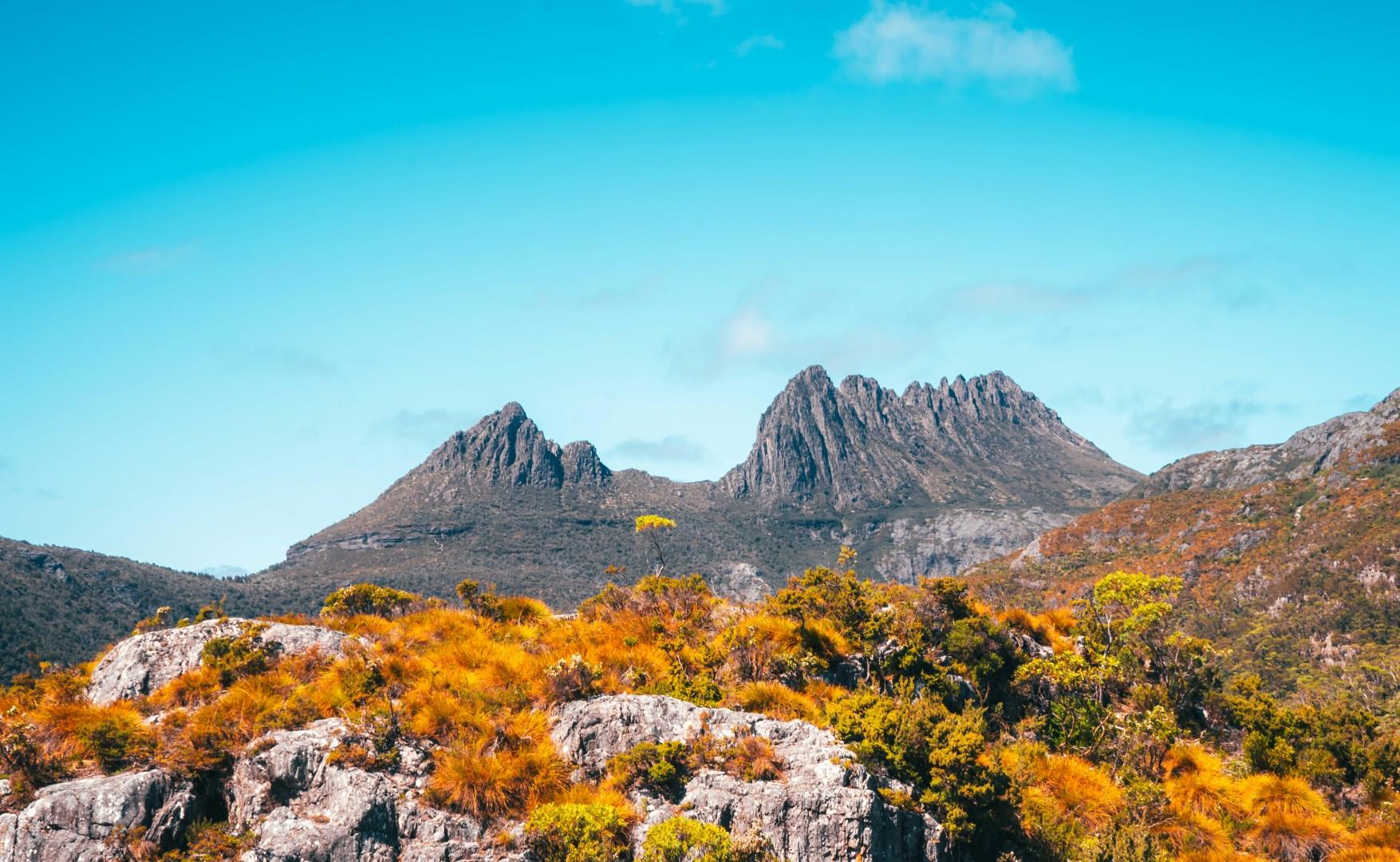
Cradle Mountain Tasmania
Cradle Mountain, located within the Tasmanian Wilderness World Heritage Area, is one of Australia's most distinctive landscapes. Towering over Dove Lake, the craggy peak rises to 1,545 meters and is often dusted with snow, even in spring. The mountain and surrounding area are part of Cradle Mountain–Lake St Clair National Park, which was established in 1922 and has since become a cornerstone of Tasmania’s protected wildlands.
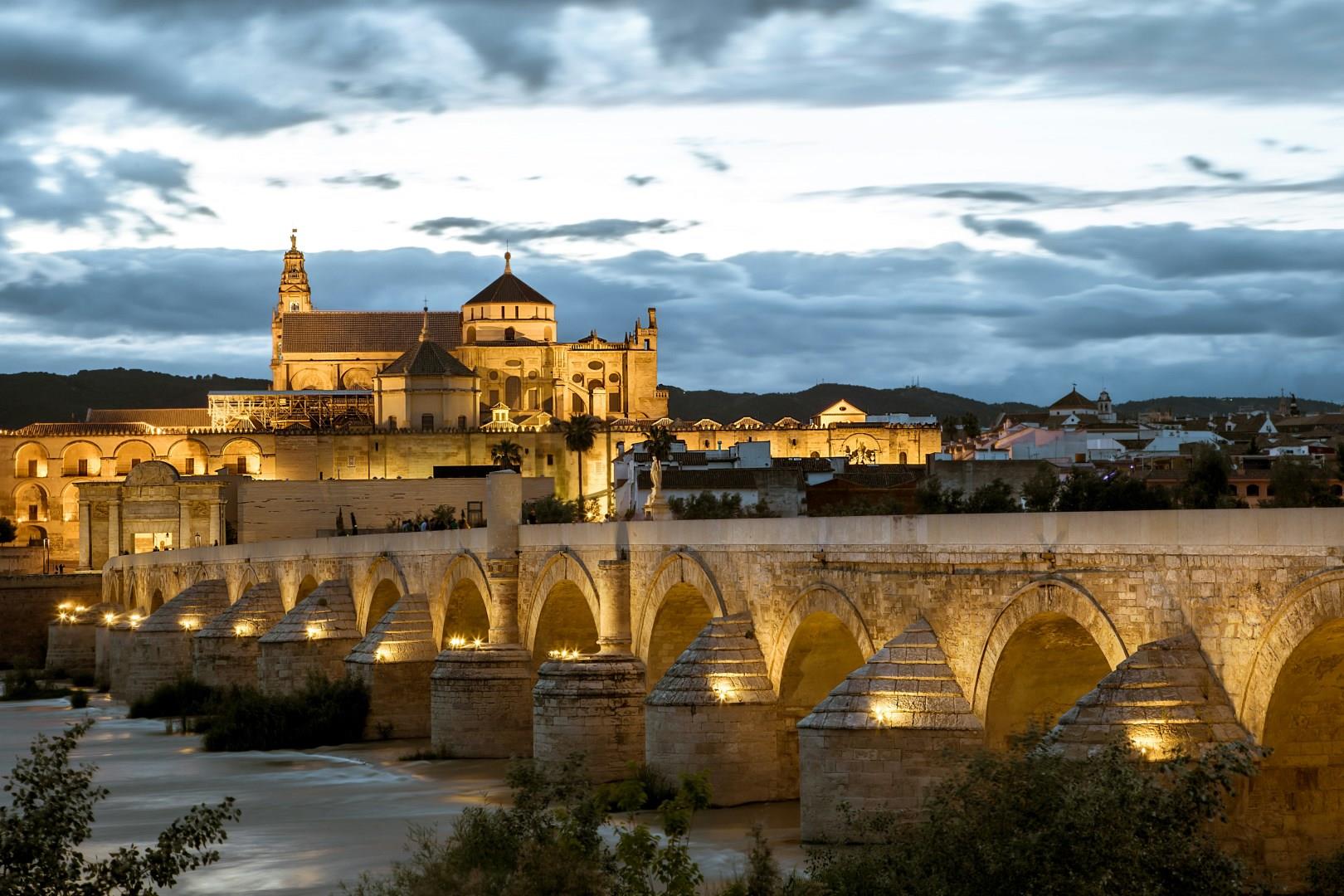
Córdoba
Córdoba, located in the heart of Andalusia, was once the most advanced city in Western Europe. During the 10th century, it served as the capital of Al-Andalus and was a center for learning, science, and art. Today, visitors walk the same streets that philosophers, poets, and physicians once crossed. The city’s most famous landmark, the Mezquita-Catedral, reflects its layered past. The red and white horseshoe arches inside are one of the most photographed interiors in Spain.
