

Osaka
Osaka is a city that thrives on contrasts with centuries-old castles sit just blocks from neon-lit arcades and high-speed trains. Once known as “Japan’s kitchen” during the Edo period, Osaka played a key role in rice trading and food distribution across the country. Today, visitors can walk the grounds of Osaka Castle, originally built in the 16th century by Toyotomi Hideyoshi, and take in panoramic city views from the top floor of its museum.

Semarang
Semarang is a port city on the north coast of Java, shaped by centuries of trade, migration, and cultural exchange. As an important hub during the Dutch colonial period, it developed into a city where Javanese traditions intersect with European and Chinese influences.
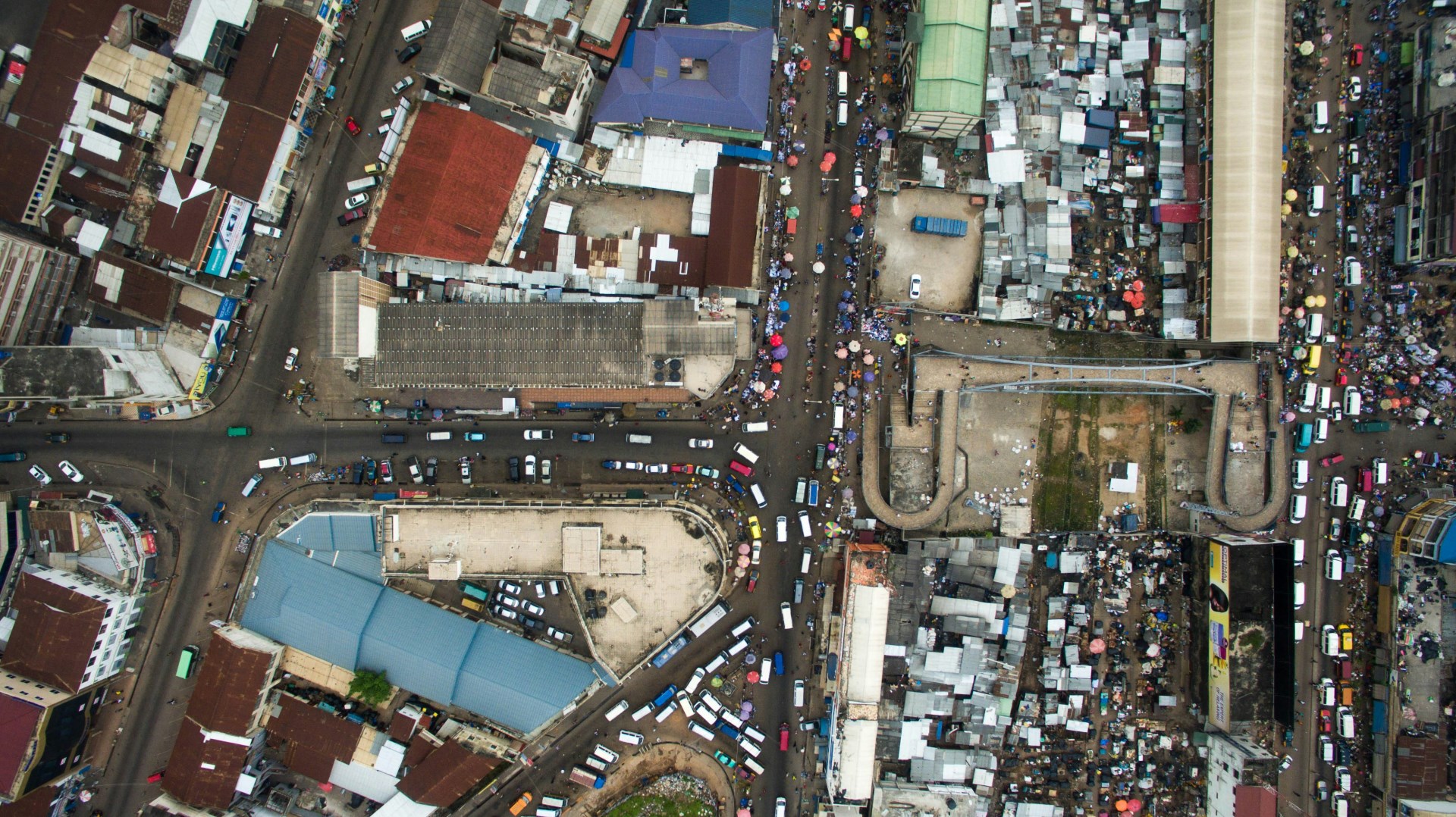
Ashanti Region
The Ashanti Region is located in southern Ghana and is one of the country’s most influential cultural and economic areas. Centered on the city of Kumasi, the region is known as the traditional homeland of the Ashanti people, whose history and institutions continue to shape local identity.

Aghios Nikolaos
Agios Nikolaos is a seaside town in eastern Crete, Greece, set around Mirabello Bay and known for its unusual waterfront setting around Lake Voulismeni. The small lagoon lies at the center of the town, surrounded by cafés, tavernas, shops, and narrow streets that rise toward the surrounding hills. The harbor and marina extend the town toward the sea, while beaches and coves are found along the nearby coast.
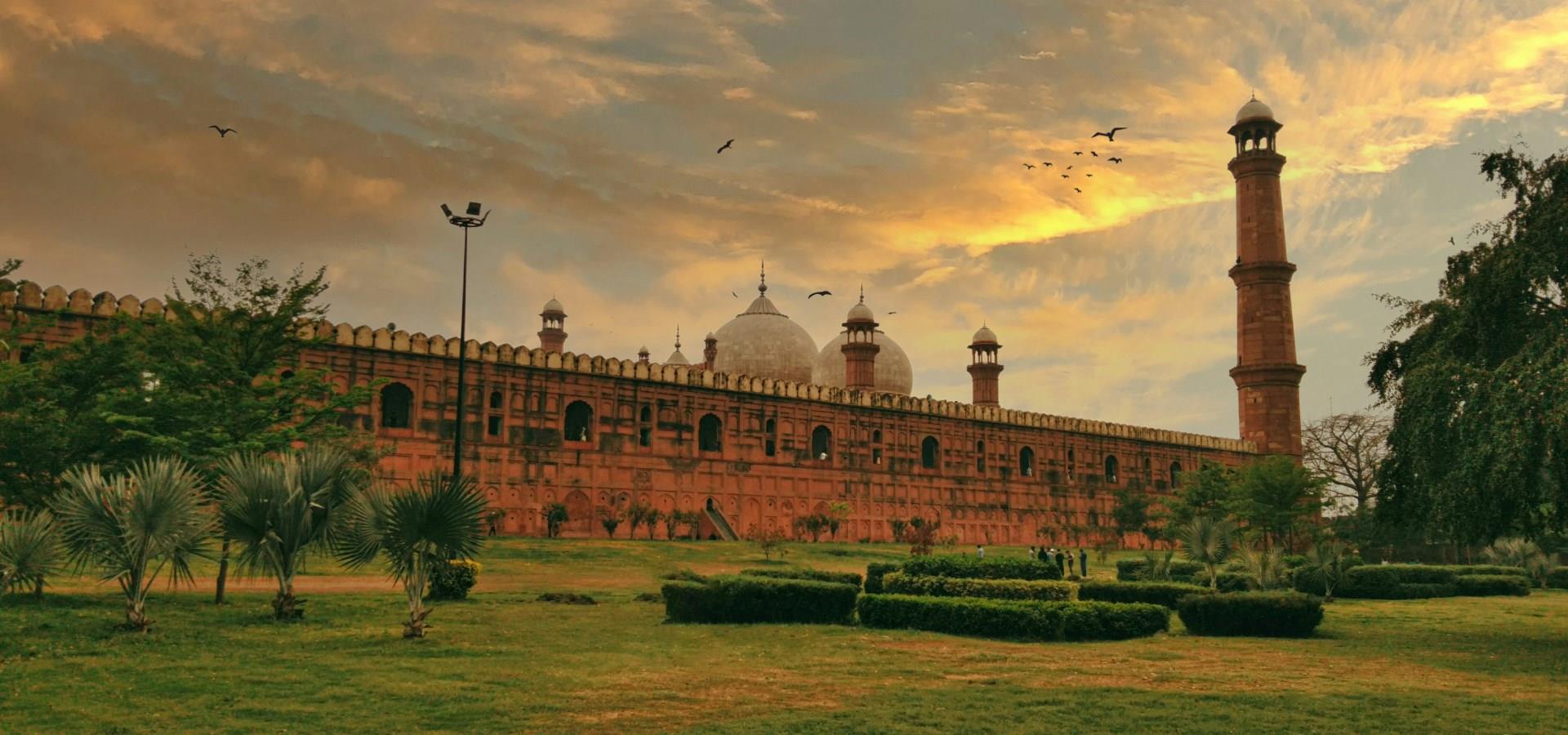
Lahore
Lahore, the cultural heart of Pakistan, is a city where history, art, and culinary traditions come alive. Known for its vibrant streets and historic architecture, Lahore showcases iconic landmarks such as the Badshahi Mosque, Lahore Fort, and Shalimar Gardens, which reflect the grandeur of the Mughal era.
