

Assisi
Assisi, Italy, is a city where history and spirituality intertwine, creating an atmosphere that is both serene and awe-inspiring. Perched on the slopes of Mount Subasio in the Umbria region, Assisi is best known as the birthplace of St. Francis, one of the most beloved saints in Christianity. The city is a pilgrimage site for those seeking to walk in the footsteps of St. Francis, with the majestic Basilica of San Francesco d'Assisi standing as a testament to his enduring legacy. This UNESCO Worl
Luxembourg
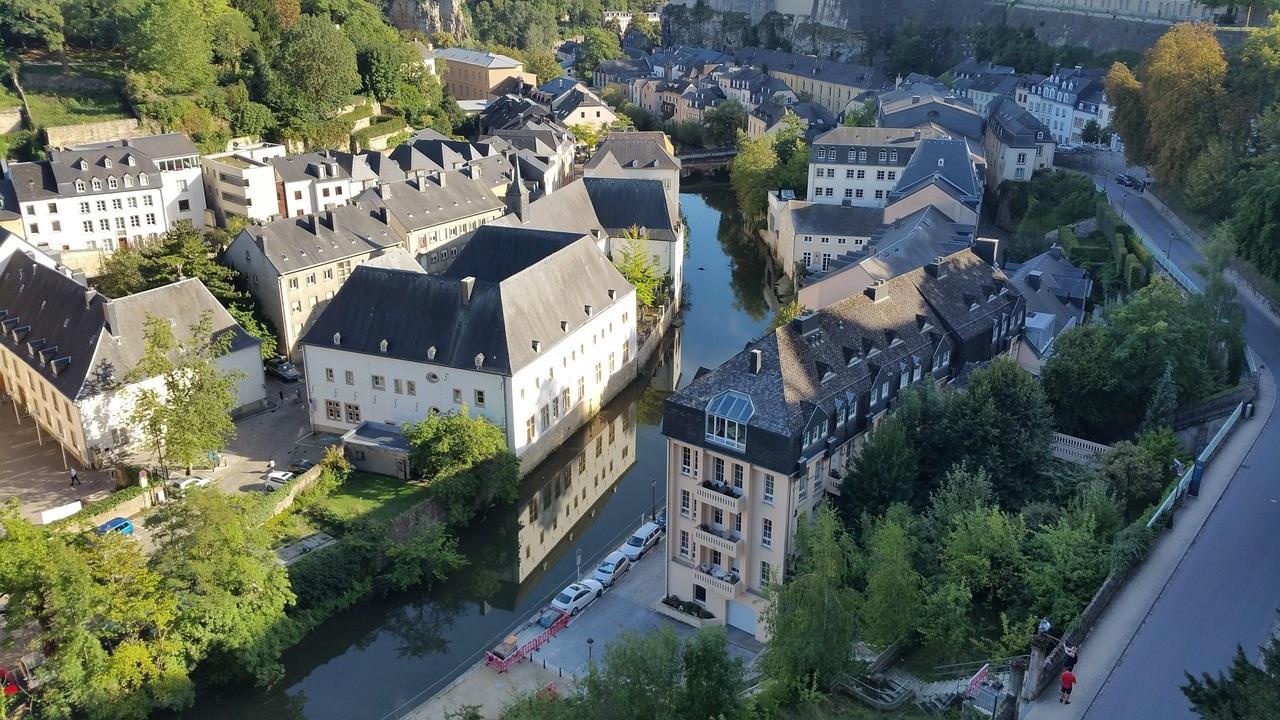
Luxembourg, a small yet influential country in the heart of Europe, offers visitors a rich blend of historic sites and contemporary culture. The capital city, Luxembourg City, is famous for its dramatic cliffs and ancient fortifications that have earned it a UNESCO World Heritage status. Walking through the old quarters, visitors can explore the casemates that reveal layers of the city’s military past.
Yala National Park
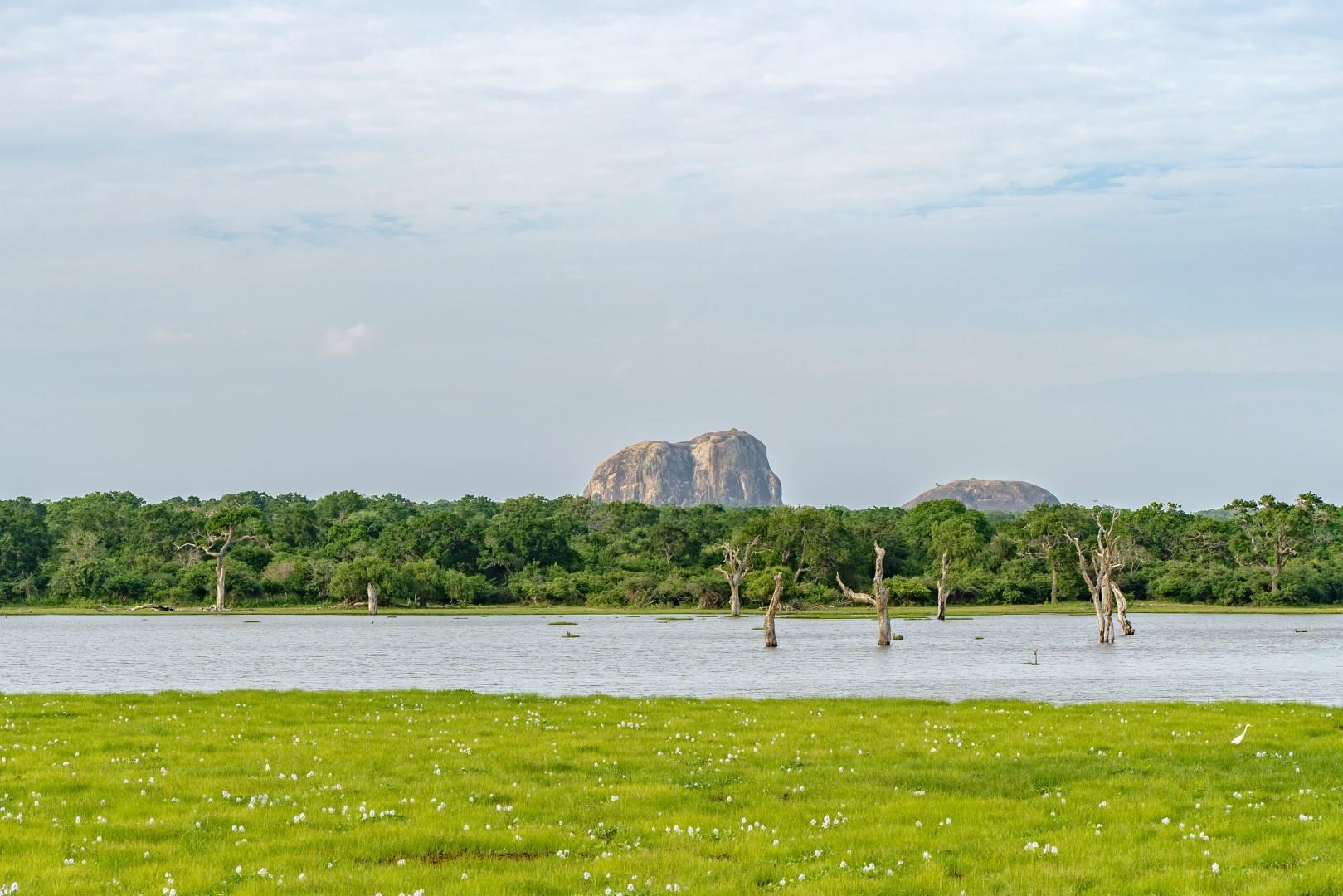
Yala National Park sprawls across Sri Lanka’s southeast, where dry plains meet lagoons and the Indian Ocean’s shoreline. It is one of the country’s oldest protected areas, first set aside as a wildlife reserve in 1900 and later declared a national park in 1938, and today invites travelers to see life thrive in a wide range of landscapes, from scrubland to sandy beaches.
Bikini Atoll
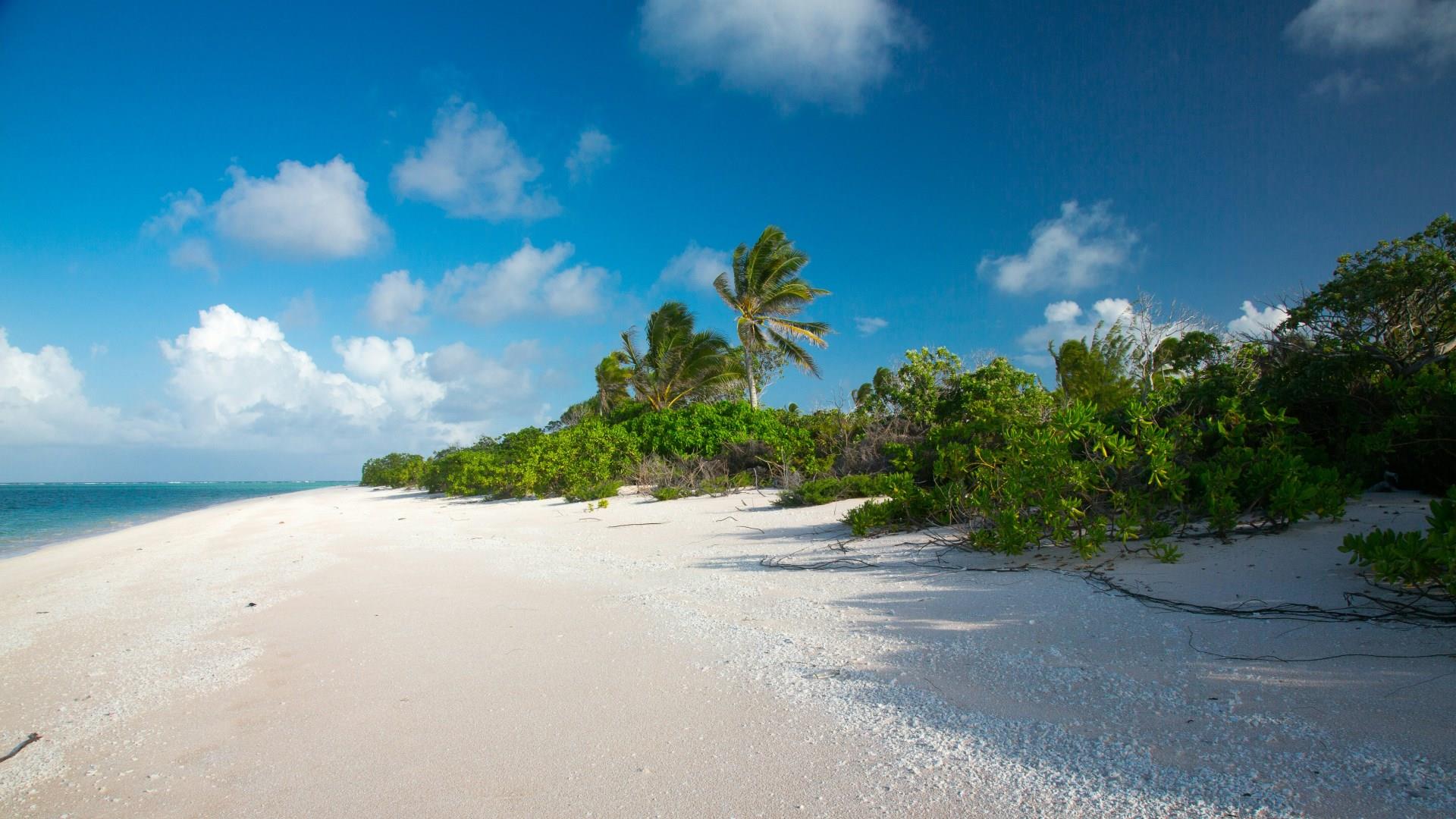
Bikini Atoll, a remote ring of islands in the Marshall Islands, is one of the most sought-after wreck diving locations in the world. These underwater sites are preserved in a time capsule-like state, providing a rare look at history submerged in a silent world of coral and marine life.

Bratislava
Bratislava, Slovakia’s capital, sits along the Danube River at the crossroads of Central Europe. It's the only capital in the world bordering Austria and Hungary, which makes it an easy stop on many European itineraries. Yet Bratislava is more than a waypoint; it offers a compact city center filled with centuries of history. The Old Town’s cobbled lanes lead past Gothic cathedrals, Baroque palaces, and buildings once used by Habsburg royalty.
