

Lake Titicaca
Lake Titicaca, perched at over 3,800 meters above sea level, is the highest navigable lake in the world and a place where ancient stories still echo across the water. Shared by Bolivia and Peru, this lake has long been considered sacred by the Andean peoples. According to Inca legend, it was from Titicaca’s deep blue waters that the first humans were created. Today, the lake remains a center of cultural tradition, spiritual significance, and daily life for many who live along its shores.
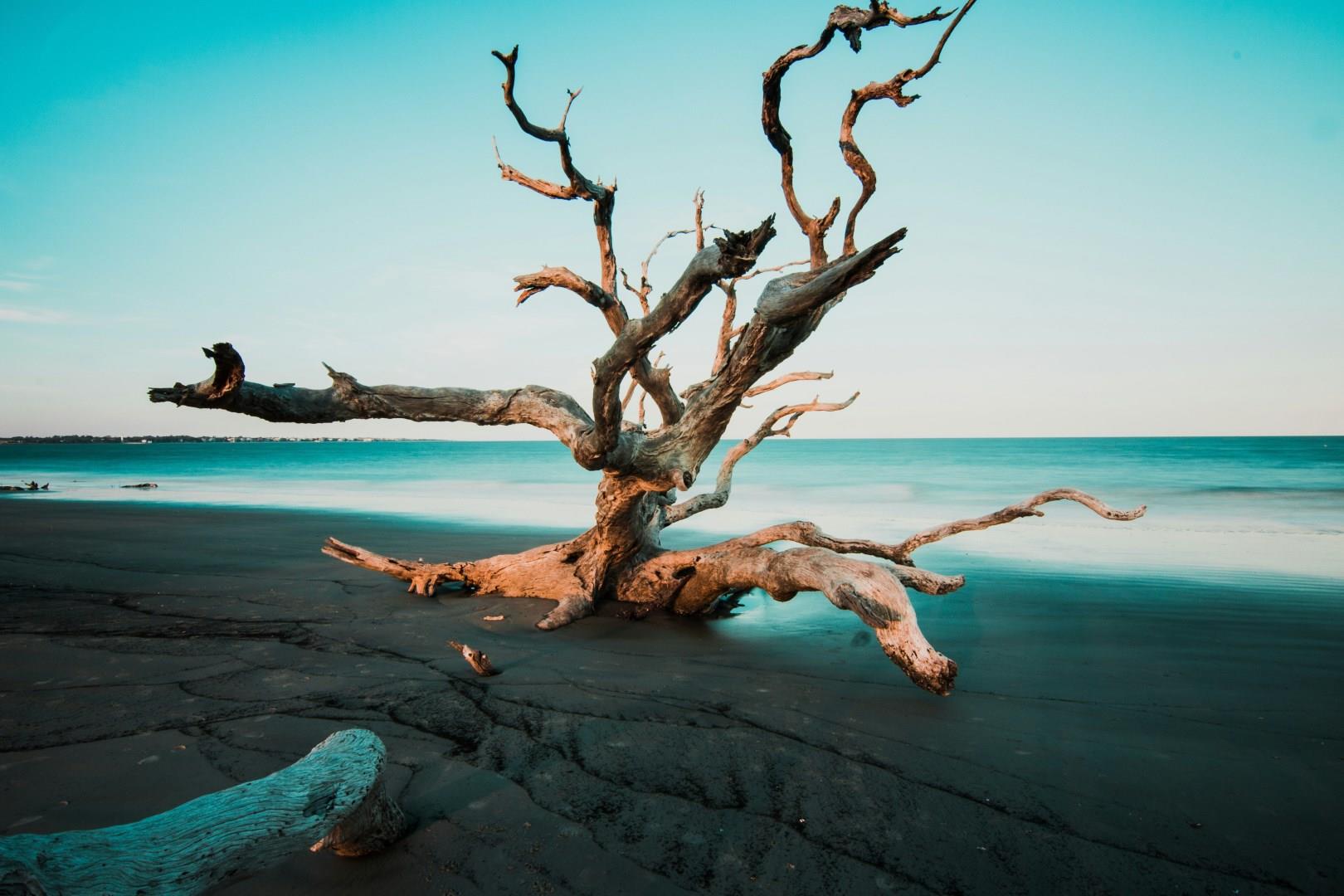
Jekyll Island
Jekyll Island, one of Georgia’s Golden Isles, is a barrier island with a story that stretches from ancient Indigenous cultures to Gilded Age millionaires. Today, it’s a state park carefully preserved for public enjoyment, offering a quiet blend of coastal landscapes, historic landmarks, and outdoor activities. With only a limited number of commercial developments allowed, the island maintains a peaceful, uncrowded atmosphere that’s hard to find on most Southeastern beaches.
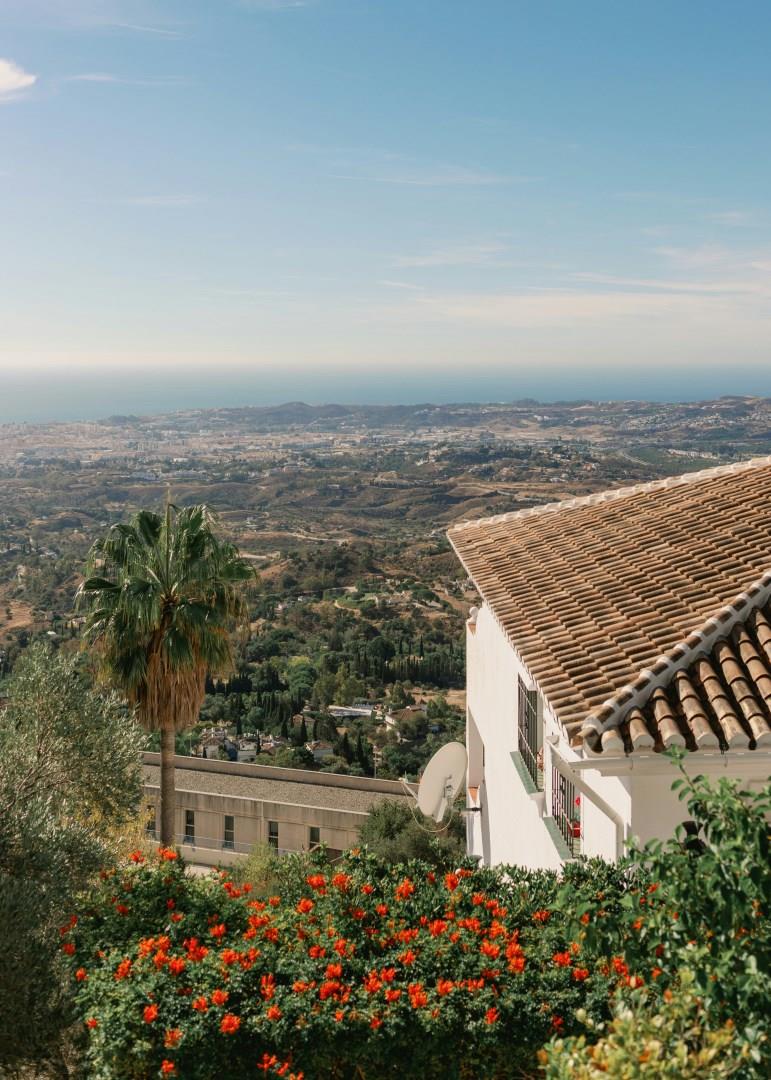
Mijas
Mijas, perched on the hillside above the Costa del Sol, blends centuries of Andalusian tradition with views that stretch across the Mediterranean. The whitewashed buildings of Mijas Pueblo reflect sunlight from narrow cobbled streets that wind through small plazas, each with its own fountain, chapel, or overlook. The town’s layout still follows Moorish-era planning, and remnants of the old wall (La Muralla) offer shaded walks lined with native plants and panoramic views over the coast.

Heimaey
Heimaey, the largest island in Iceland’s Vestmannaeyjar archipelago, is a captivating destination renowned for its dramatic landscapes and volcanic history. A visit to Heimaey offers a unique blend of natural beauty and cultural heritage.
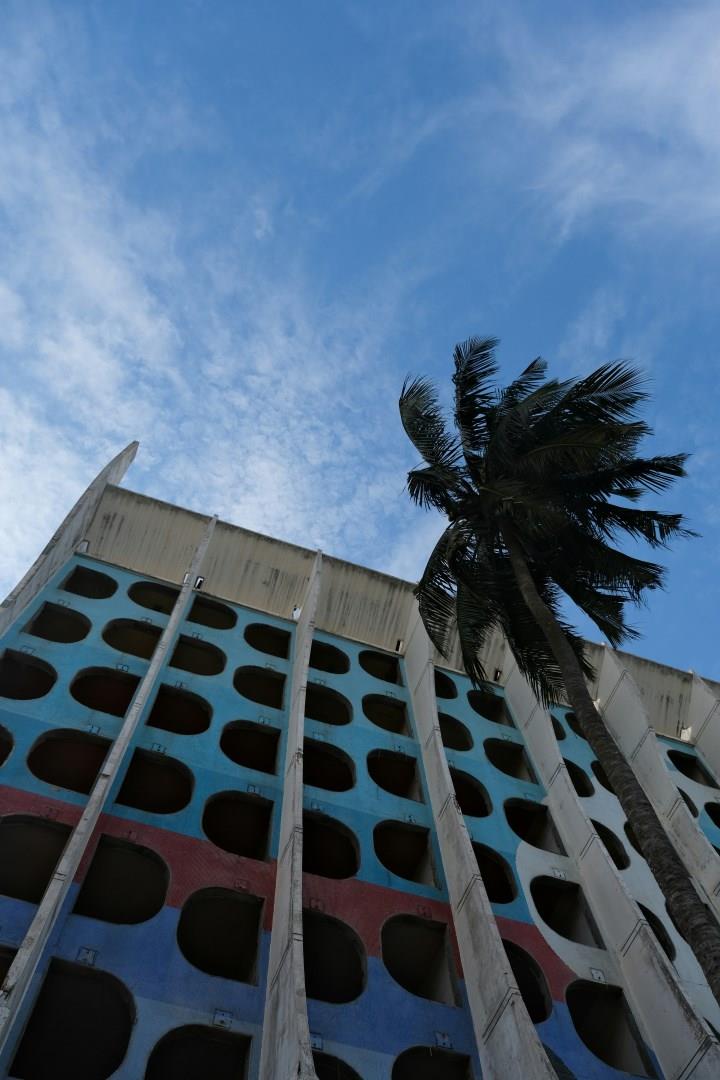
Lome
Lomé, the capital city of Togo, sits along the Gulf of Guinea and serves as both the political and cultural heart of the country. Lomé’s coastline features beaches where locals gather and where visitors can enjoy views of the Atlantic Ocean.
