
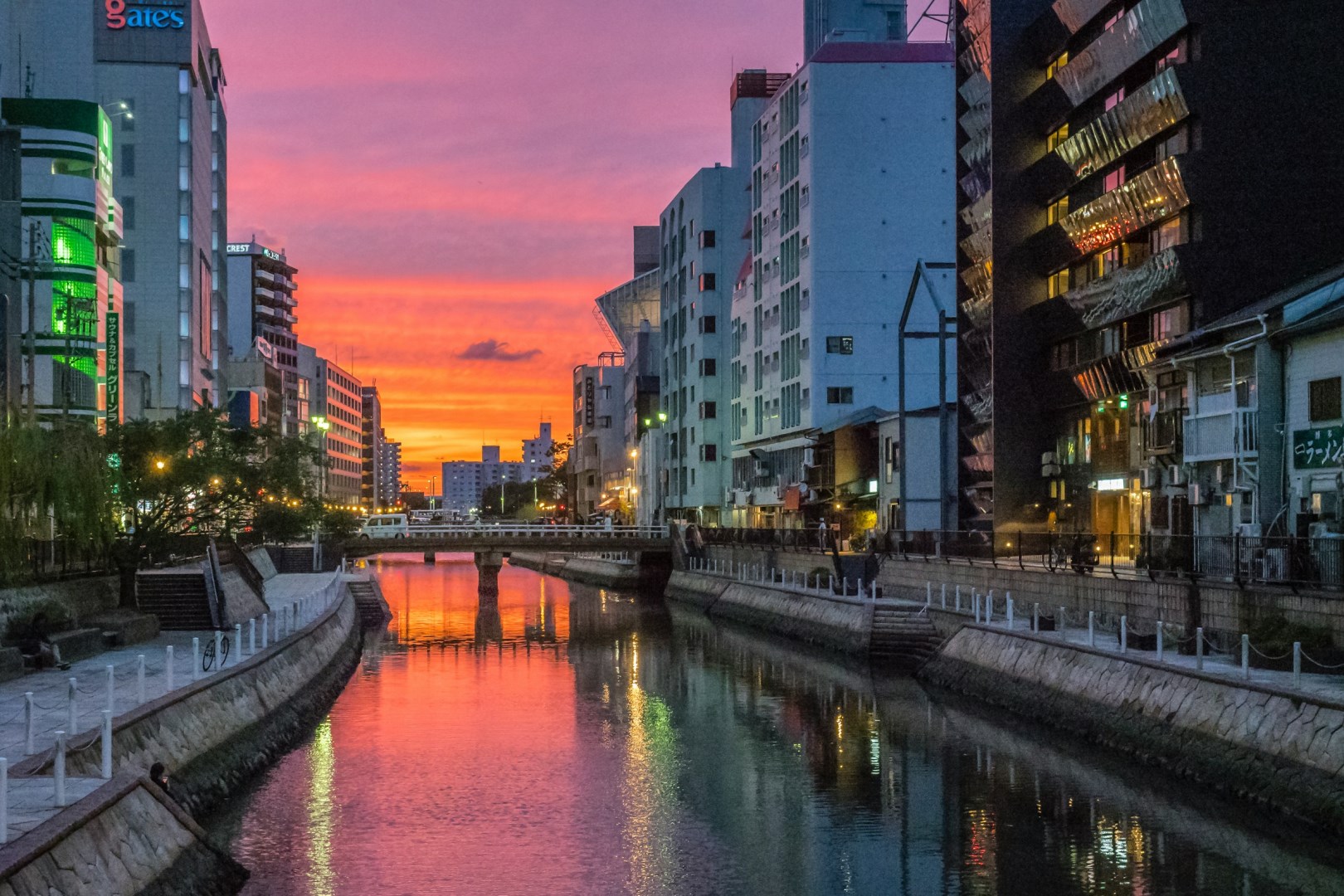
Hakataku Fukuoka
Hakata-ku, a central ward of Fukuoka City in Japan’s Kyushu region, is a lively blend of history, commerce, and culture. Once an independent merchant town, Hakata played a major role in Japan’s early international trade with China and Korea, shaping its cosmopolitan identity.
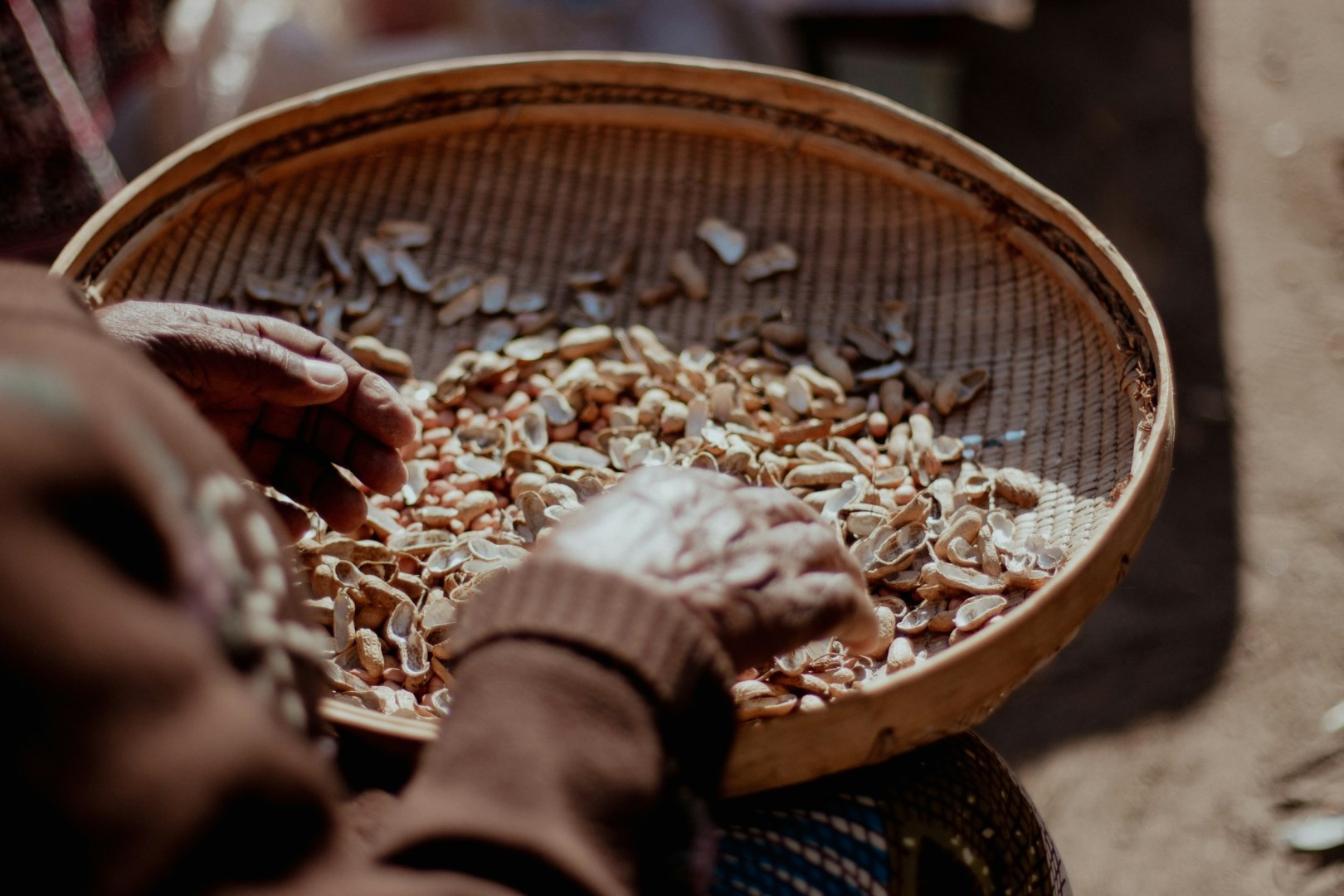
Gumbane
Gumbane is a rural community in southern Mozambique, in Inhambane Province, where sandy soils, woodland and cultivated plots shape much of the surrounding landscape.
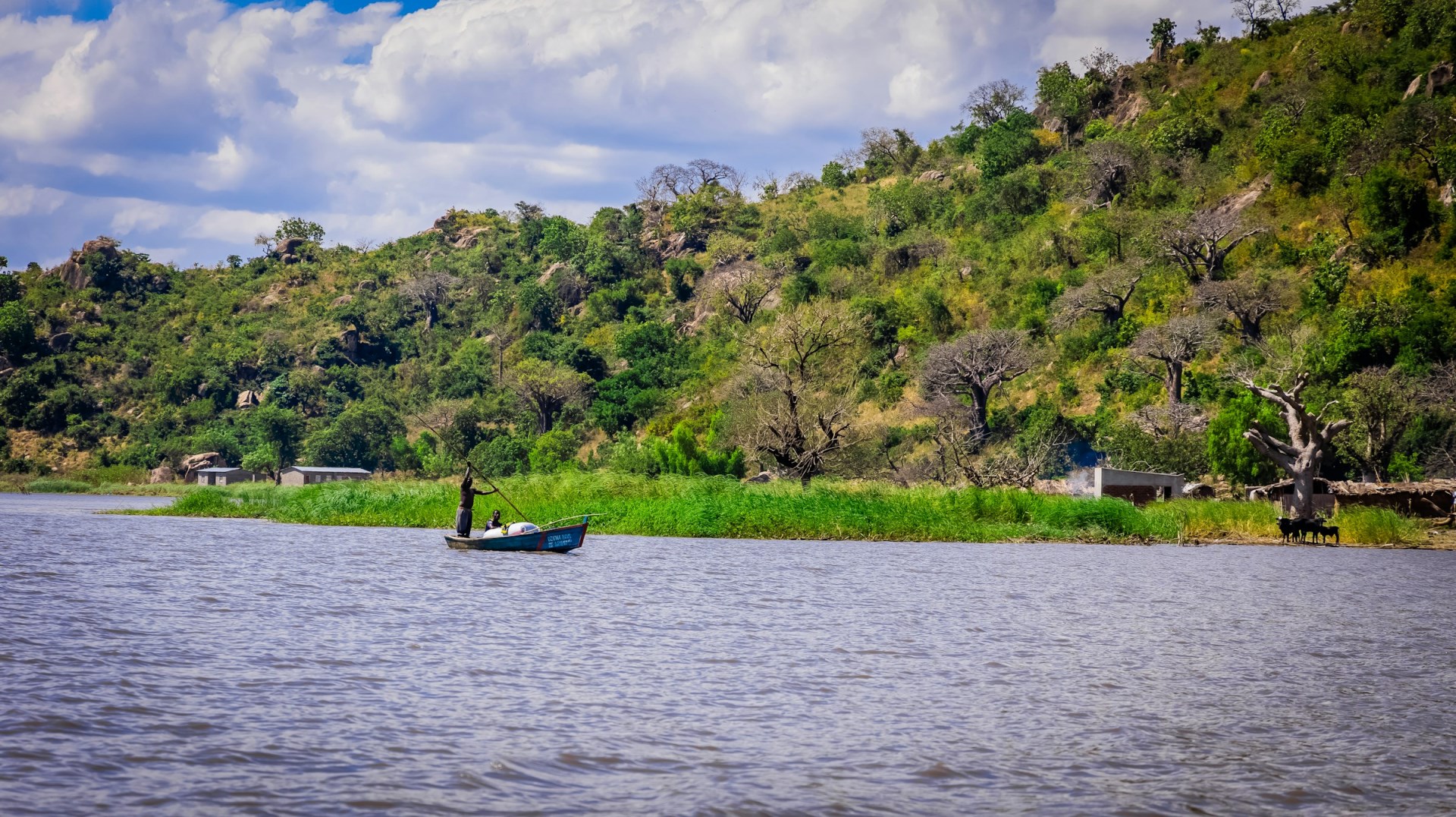
Njalo Island
Njalo Island is a small inhabited island in Lake Chilwa, in southern Malawi’s Phalombe District. Situated in the lake’s open waters, it is part of a wetland landscape shaped by changing water levels, shallow channels, marshes, and seasonal fishing activity. The island is home to a close-knit community whose daily life is closely connected to the lake. Fishing provides an important source of food and income, while boats are essential for transport between the island and mainland communities.

Alghero Sardinia
Alghero, located on the northwest coast of Sardinia, Italy, is a seaside city that blends history, culture, and natural beauty. Known as “Little Barcelona” due to its Catalan influence, Alghero’s old town is a maze of narrow cobblestone streets, colorful buildings, and medieval walls overlooking the Mediterranean Sea. Visitors can explore landmarks like the imposing Torre del Portal, a medieval tower that is a testament to the city’s rich heritage.
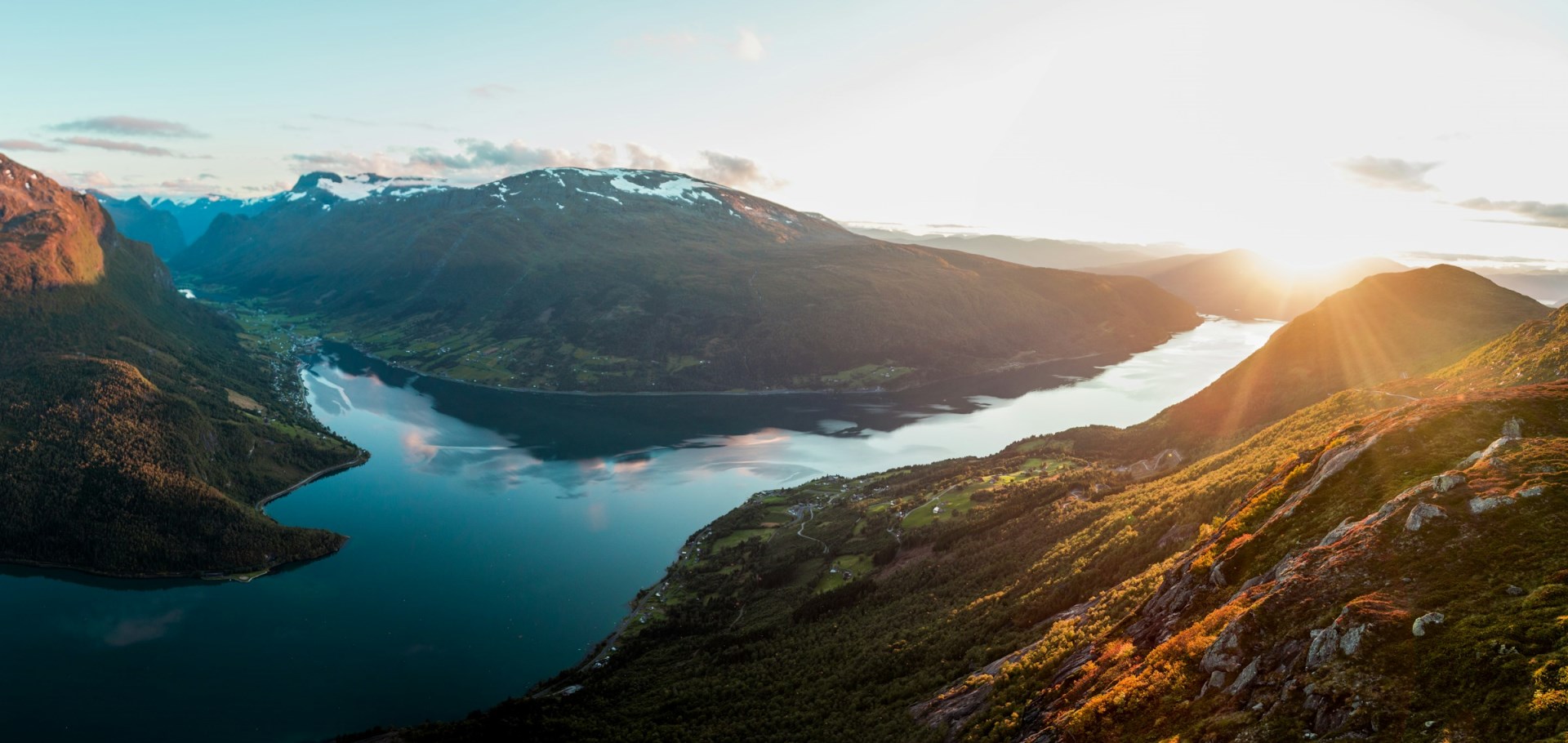
Loen
Loen is a small village at the innermost end of Nordfjord in Stryn municipality, western Norway, where steep mountains, deep valleys, and glacier-fed lakes meet the fjord. The village sits beneath Mount Hoven and Skåla, with forested slopes rising sharply from the water. Its location provides easy access to both the fjord and the Lodalen valley, making the landscape unusually varied within a short distance.
