
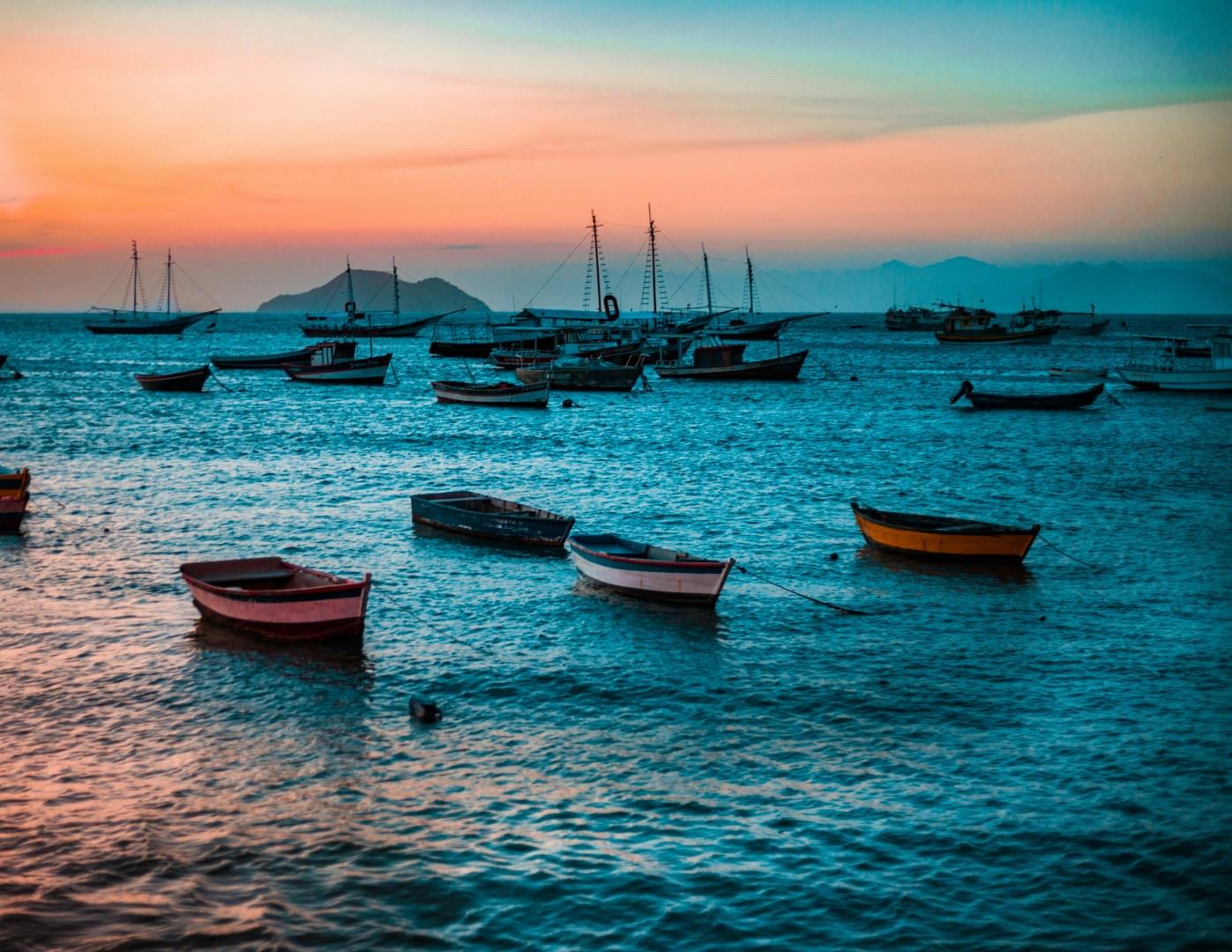
Búzios
Armação dos Búzios, or Búzios, a small peninsula just a few hours from Rio de Janeiro, is known for its striking coastline, relaxed atmosphere, and vibrant cultural scene. Once a quiet fishing village, it rose to international attention in the 1960s when French actress Brigitte Bardot visited and fell in love with its laid-back lifestyle. The region is famous for its more than 20 beaches, each with its own personality.

Barcelona
To visit Barcelona is to embrace both the past and the future. There is much to do and see in this cosmopolitan capital of Catalonia, from medieval structures to beaches to UNESCO Heritage Sites by Antoni Gaudí and Lluís Doménech i Montaner.
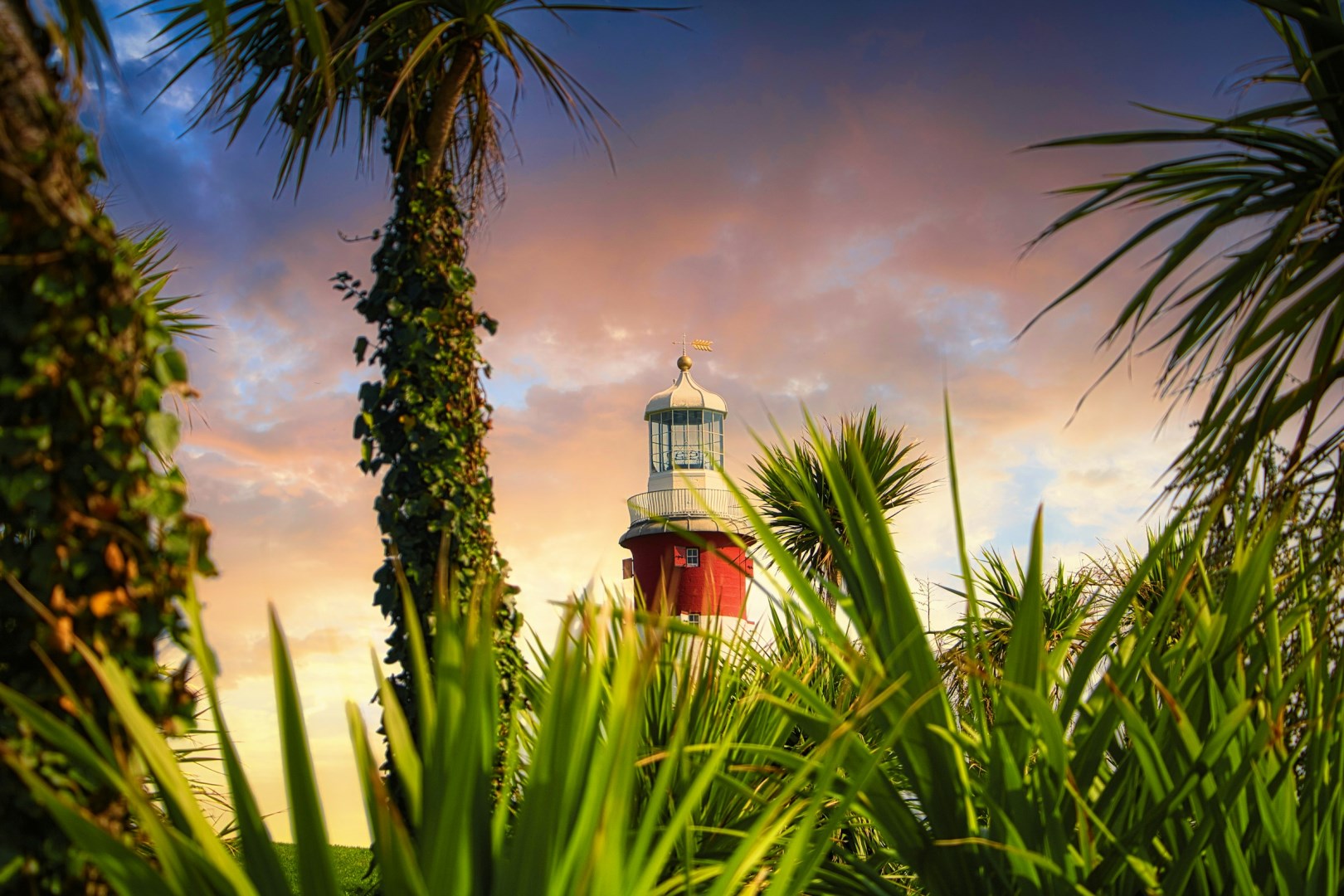
Plymouth
Plymouth sits on England’s southwest coast, where the River Plym meets the sea, forming a wide natural harbor that has shaped the city’s identity for generations. The waterfront remains central to daily life, with views stretching across Plymouth Sound and boats moving in and out of the marina. Visitors often begin along the historic Barbican, an area of narrow streets and old buildings that survived past conflicts and now house independent shops, galleries, and small cafés.
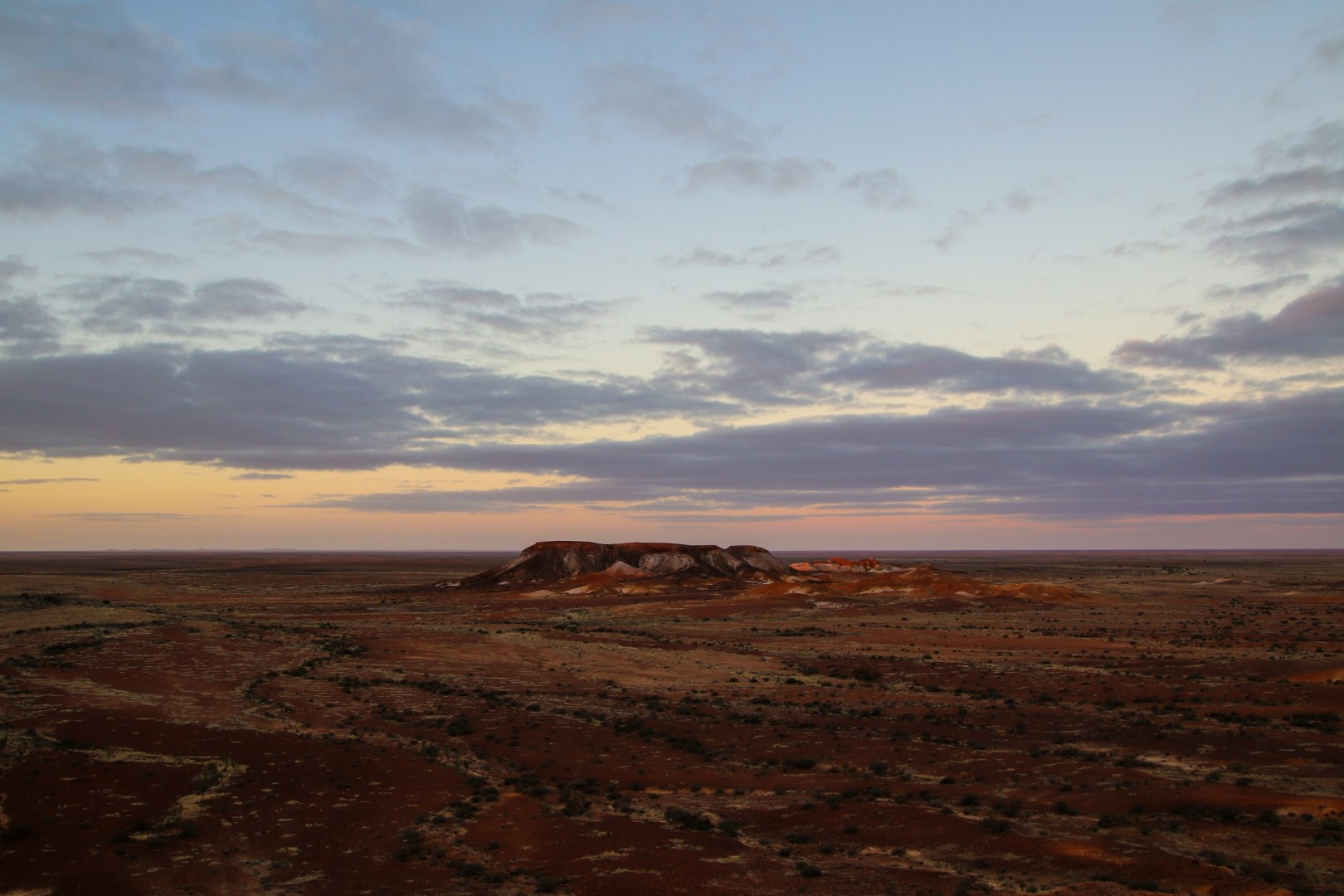
Coober Pedy
Located in the Southern Territory. Coober Pedy is known as the opal capital of the world, with many opal caves.

Hluhluwe
Nestled in the heart of KwaZulu-Natal, South Africa, Hluhluwe is a gateway to one of the country’s most remarkable conservation areas, the Hluhluwe-iMfolozi Park. This park, renowned for its successful rhino conservation efforts, offers visitors an unparalleled wildlife experience. As the oldest proclaimed reserve in Africa, Hluhluwe-iMfolozi Park is a haven for both the critically endangered white rhino and the more elusive black rhino.


