Los Cabos
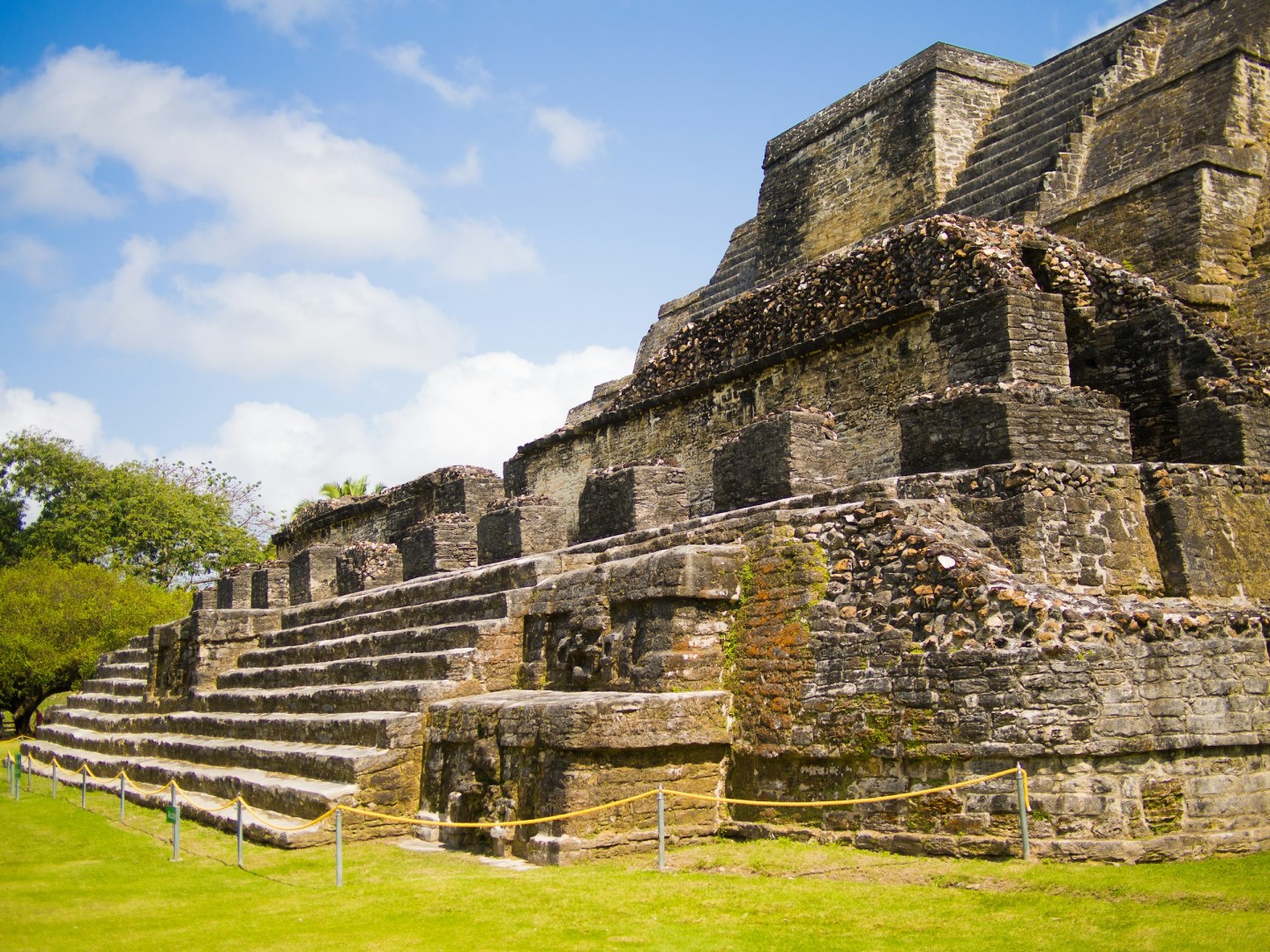
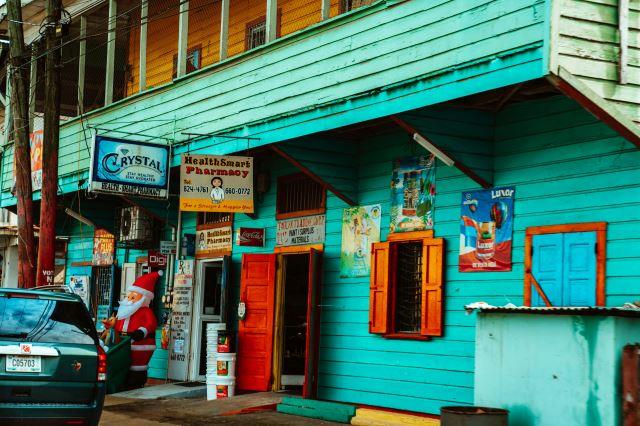
Located on the southern end of Baja California Sur in Mexico, the Los Cabos municipality is a popular resort destination. Including the stunning city of Cabo San Lucas, Los Cabos offers spectacular beaches, panoramic ocean views, and a variety of fun activities, including golfing, hiking, and snorkeling.
San Antonio
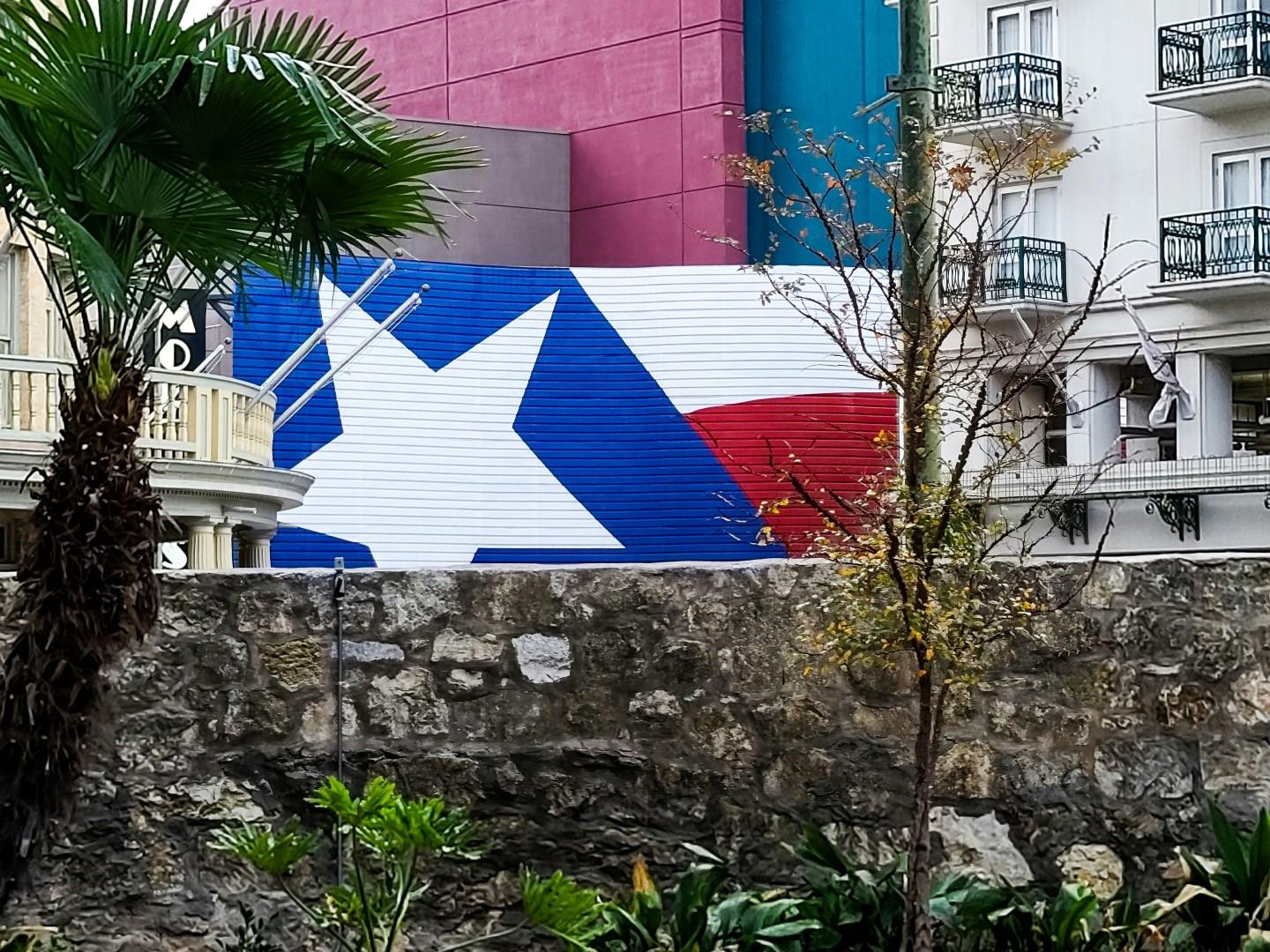
San Antonio is a city where centuries-old missions, lively markets, and a strong sense of place come together in unexpected ways. At the heart of it all is the Alamo, the former Spanish mission that became a symbol of Texas independence after the pivotal 1836 battle. Beyond its landmarks, San Antonio thrives through its neighborhoods. The River Walk weaves through downtown, lined with restaurants, shops, and galleries.

Visby
Medieval city with walls, defense towers and several churches. Every August, a medieval week is held, with jousting, food and authentic wardrobes.

South Georgia
Remote, windswept, and bursting with wildlife, South Georgia is a sub-Antarctic island that surprises nearly everyone who steps ashore. Though uninhabited by civilians, the island hosts a small British research station and welcomes visitors via expedition cruises. What draws people here is not luxury or convenience, but the scale of its wildness.
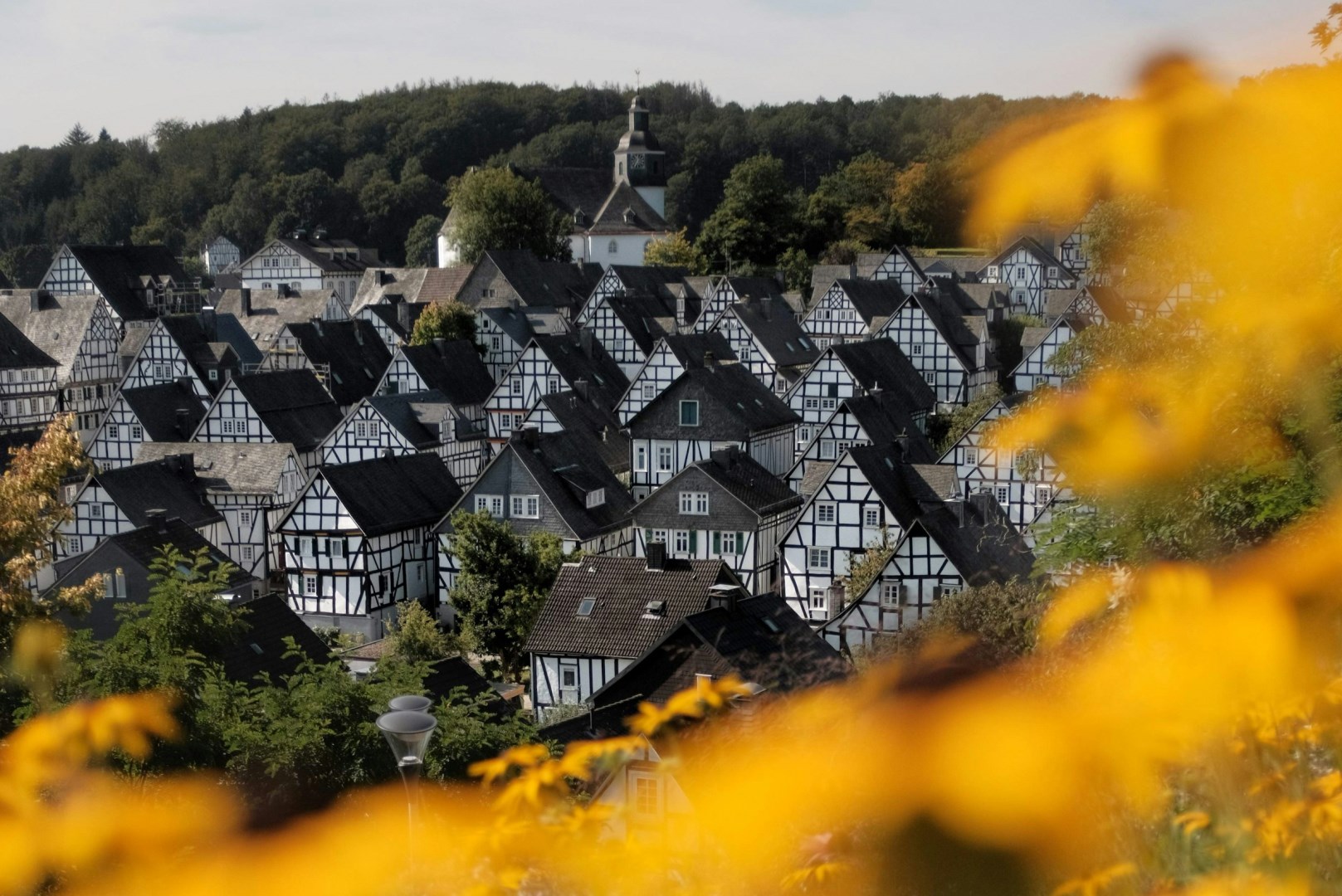
Freudenberg
Freudenberg is a small medieval town in Germany. The "Alter Flecken" is Freudenberg's downtown area, built wholly of half-timbered houses that give the town a fairytale appearance. An open-air stage with roofed grandstand, the town museum housing a 1904 steam engine, and annual Oktoberfest celebrations are the town's most popular attractions.