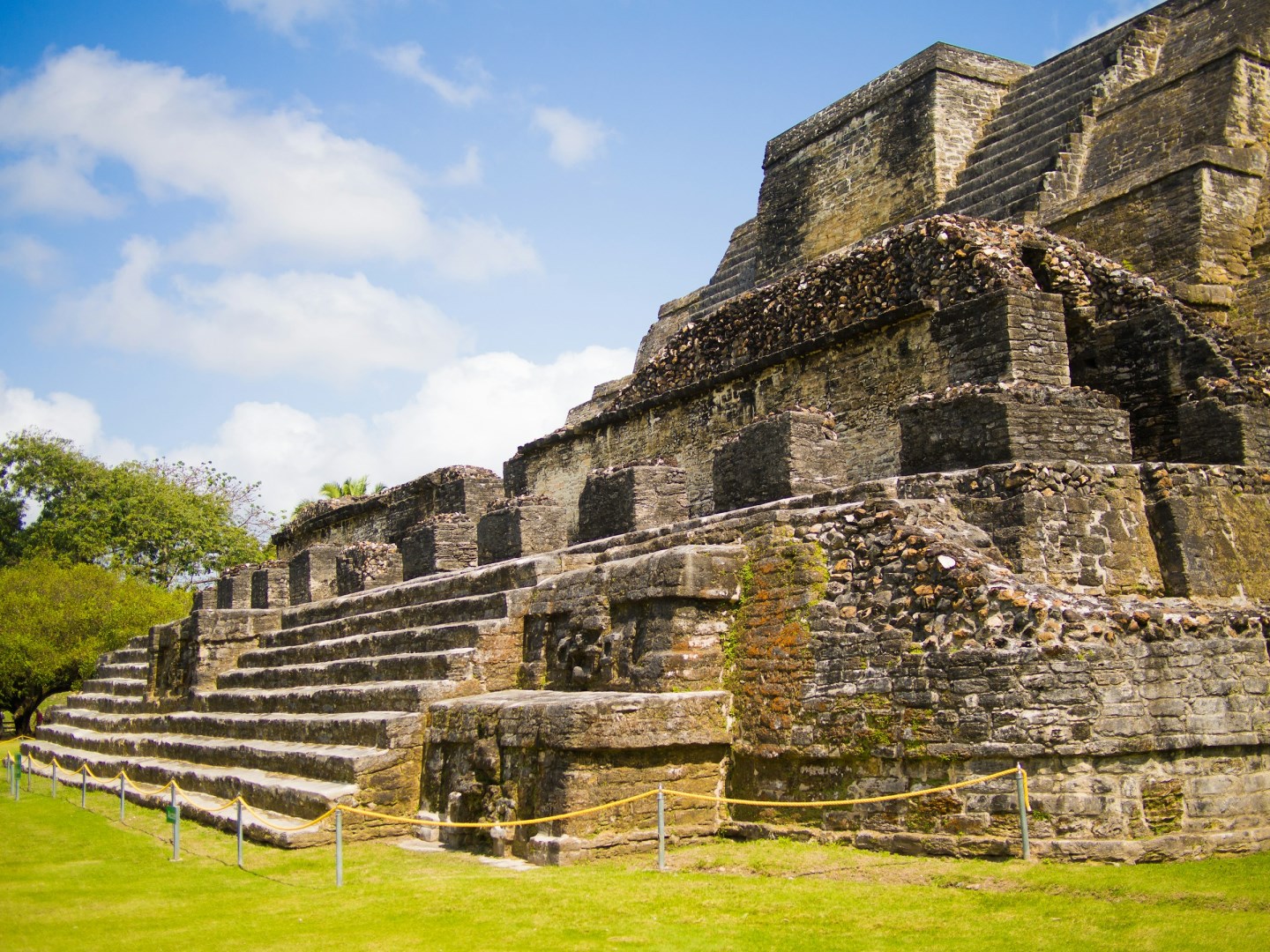
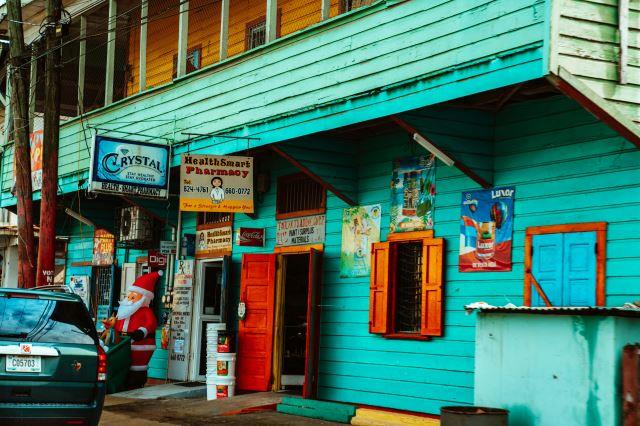
Portorož
Portoroz lies on Slovenia’s short Adriatic coast, where its identity has been shaped by the sea and by centuries of salt production in the nearby Sečovlje pans.
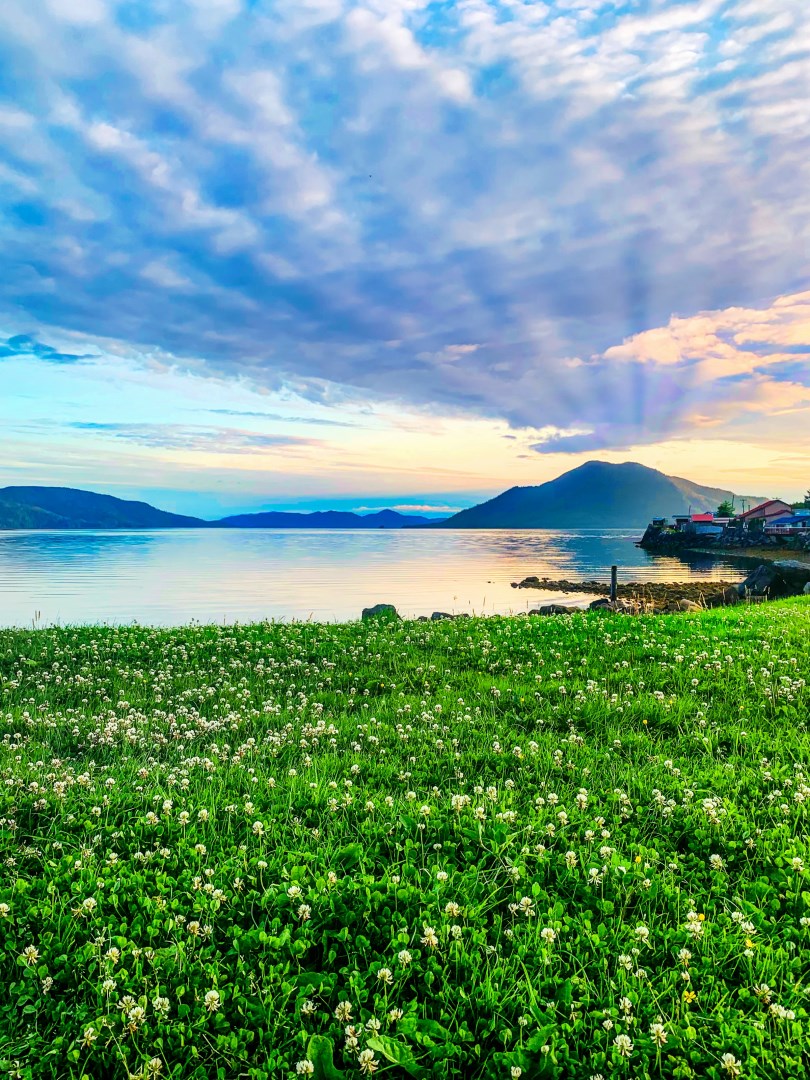
Prince of Wales Island
The island is dominated by a cool and moist maritime climate. During the summers, the average temperatures vary from 45 degrees to 75 degrees F. Yearly precipitation averages from 60" to 200" based on the exact locale.

Taif
Taif, situated in the mountains of western Saudi Arabia, is a city renowned for its cooler climate, lush landscapes, and historical significance. Nestled at an elevation of around 1,700 meters, it has long served as a summer retreat from the intense heat of the surrounding desert, attracting visitors to its gardens, orchards, and scenic viewpoints.
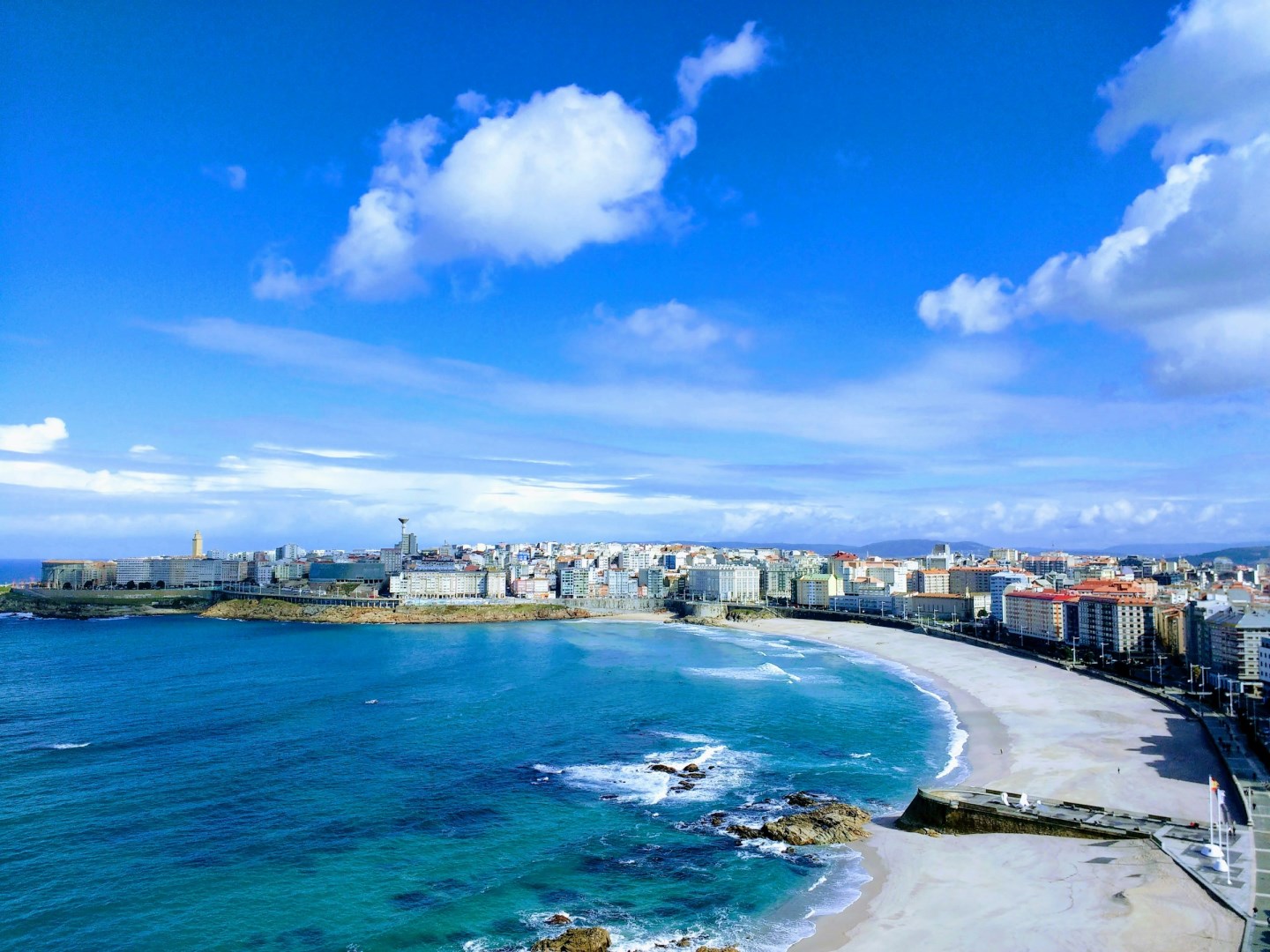
A Coruna
Perched on the northern coast of Spain, A Coruña (or La Coruña) is a captivating city with a rich maritime heritage and scenic beauty. Dominated by its iconic lighthouse, the Torre de Hércules, which is the oldest functioning lighthouse in the world, A Coruña offers a unique glimpse into ancient engineering.

Volcanoes National Park
Volcanoes National Park, in northwestern Rwanda, is a place where dramatic volcanic landscapes meet extraordinary wildlife encounters. Stretching across the Virunga Mountains, the park is dominated by five towering volcanoes whose slopes are cloaked in rainforest and bamboo.