Lobesa - Metsina
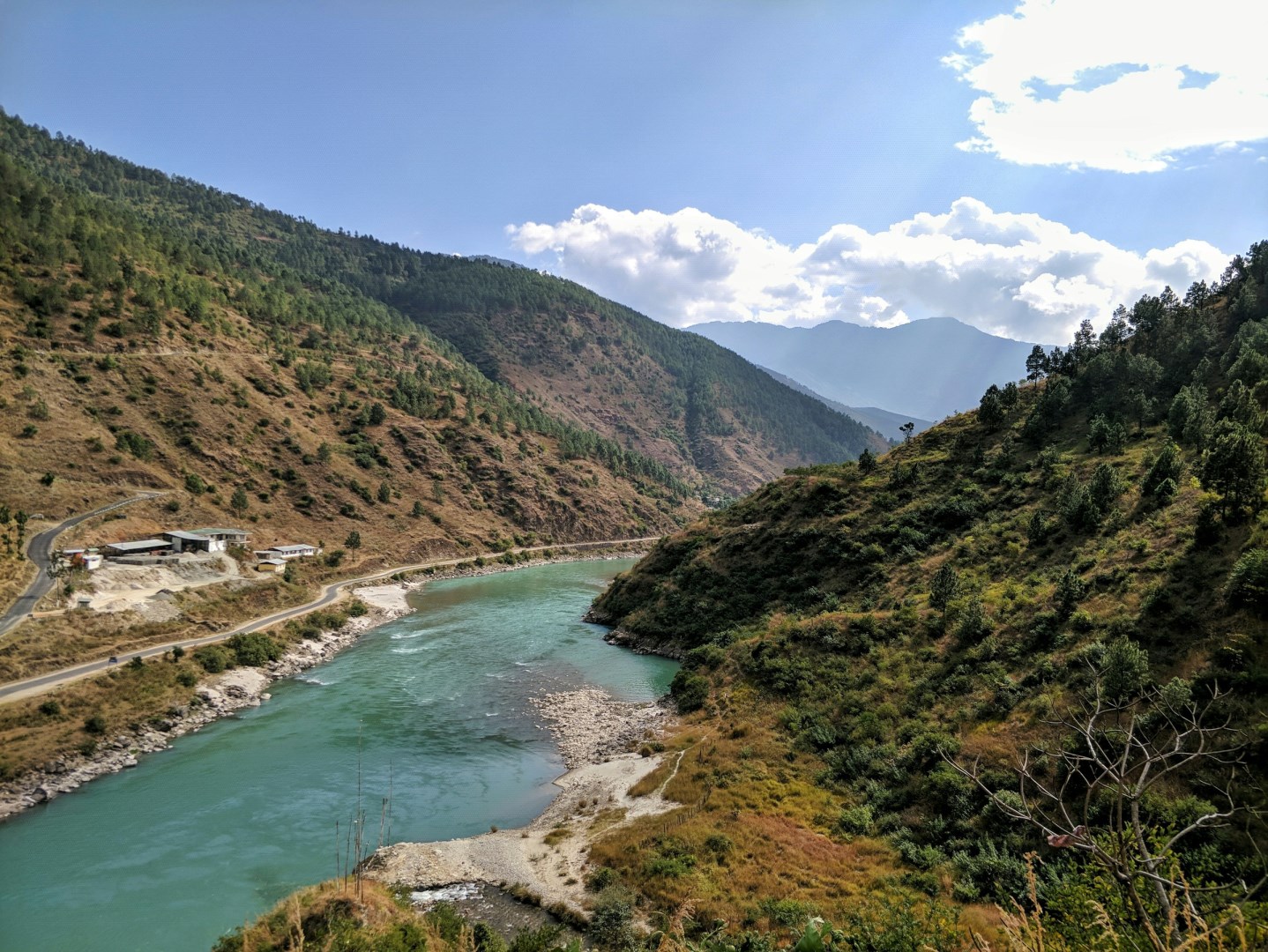
Lobesa–Metsina is a rural area in Punakha District, western Bhutan, set within the warm and fertile Punakha Valley. The settlements lie among rice paddies, mustard fields, orchards, and forested hills, with the Punatsangchhu River shaping the wider valley landscape. Lobesa is located along the main road linking Punakha and Wangdue Phodrang and provides access to villages and agricultural areas surrounding the valley. The region has a distinctly rural character, with traditional Bhutanese houses,
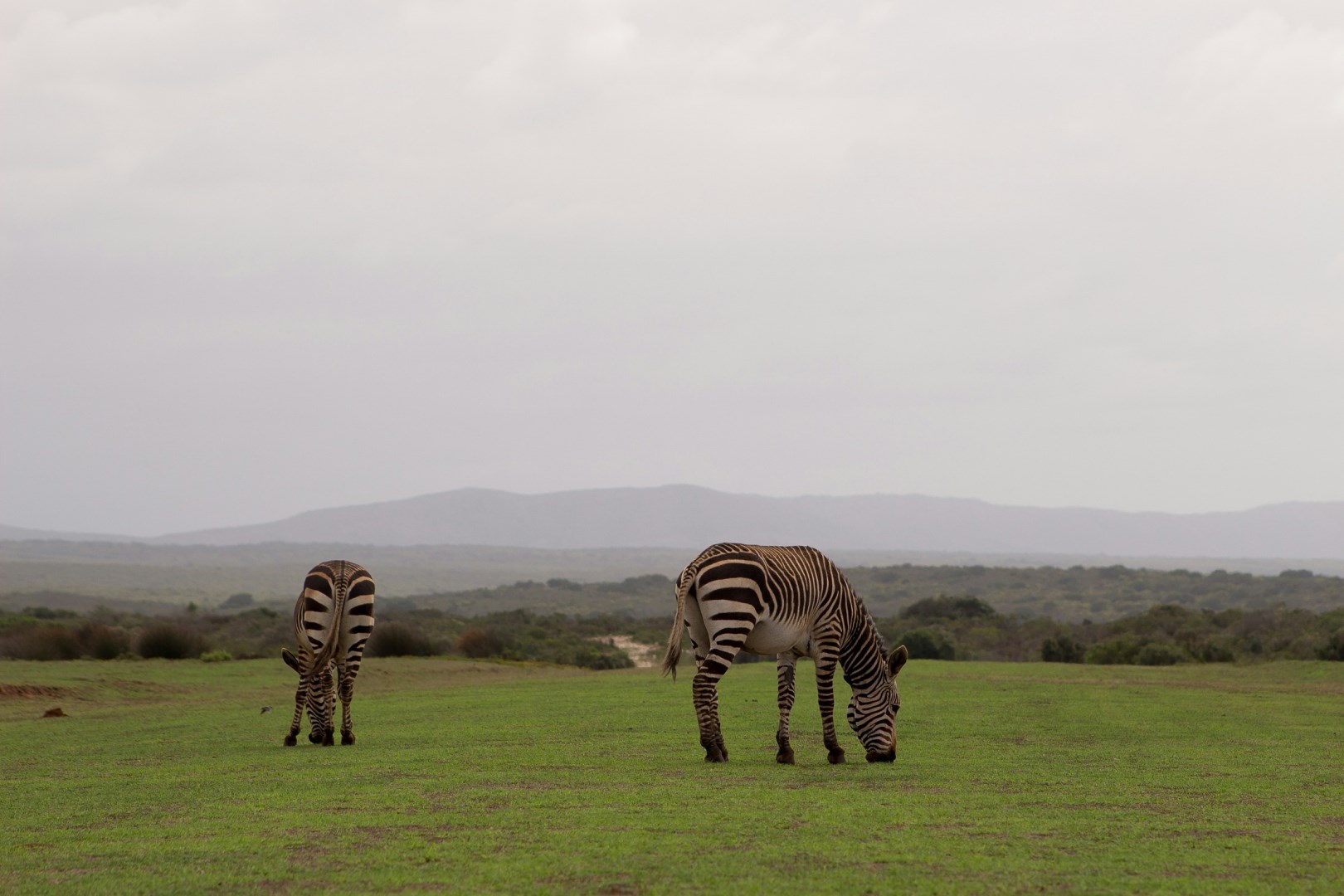
De Hoop Nature Reserve
De Hoop Nature Reserve lies along the southern coast of South Africa’s Western Cape province, east of Bredasdorp and near the village of Witsand. Managed by CapeNature, the reserve protects approximately 34,000 hectares of coastal plains, limestone hills, wetlands and indigenous vegetation.

Çanakkale
The city of Canakkale lies at the narrow, 1,200 meter entrance to the Canakkale Strait that connects the Sea of Marmara and the Aegean. To honor the 500,000 soldiers who lost their lives at Gelibolu (Gallipoli), the peninsula was made into Gelibou Historical National Park.
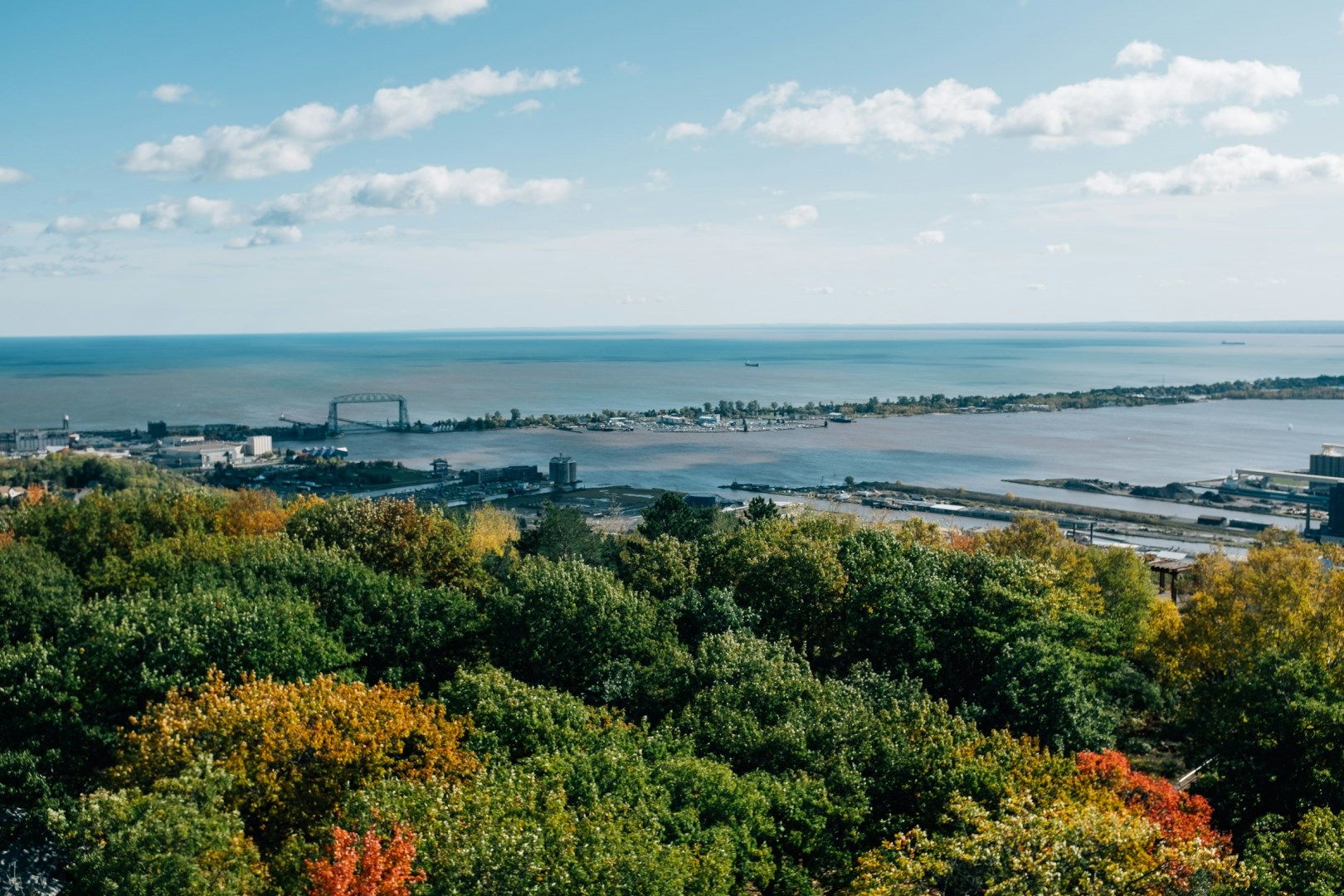
Duluth
Located on Lake Superior, Duluth is a gateway for a year-round resort area, and tourism is a major industry.
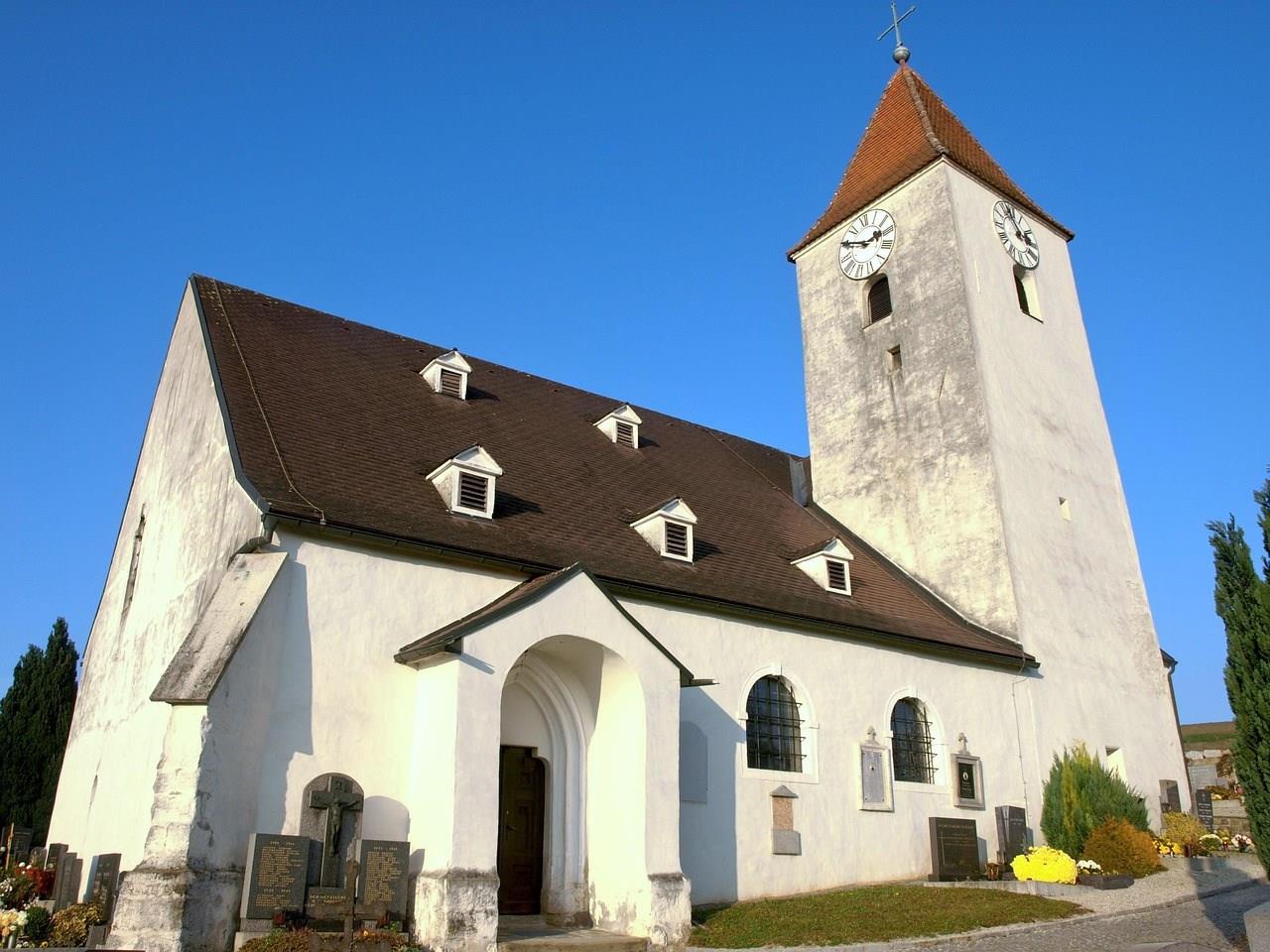
Ardagger
Ardagger provides a charming escape from Austria’s larger cities. Whether exploring the abbey, enjoying the riverfront, or sampling local dishes, visitors will find plenty of reasons to appreciate this peaceful corner of Lower Austria.