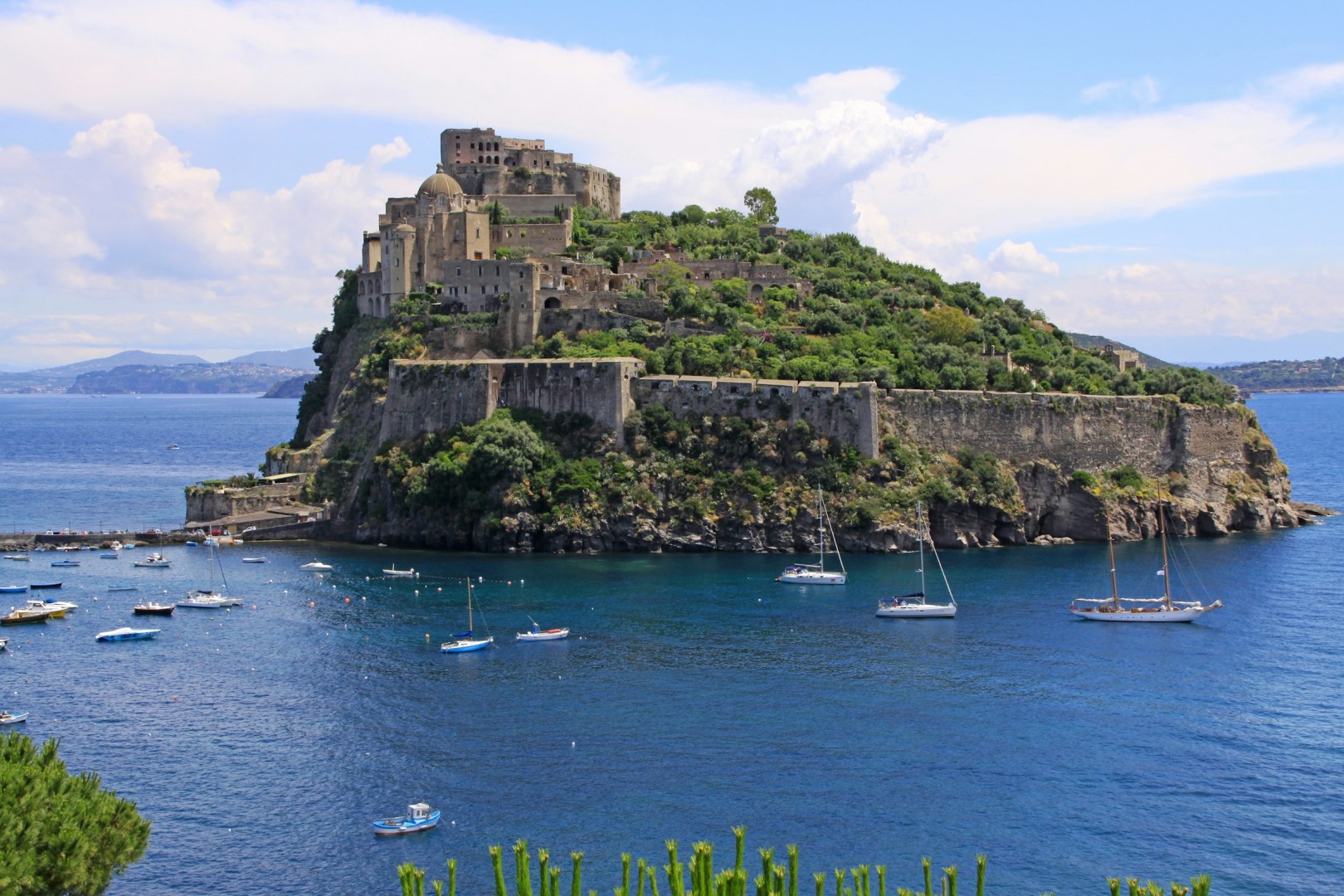
Ischia
The largest island in the Bay of Naples, it is known as the 'Emerald Isle' because of its lush green landscape.
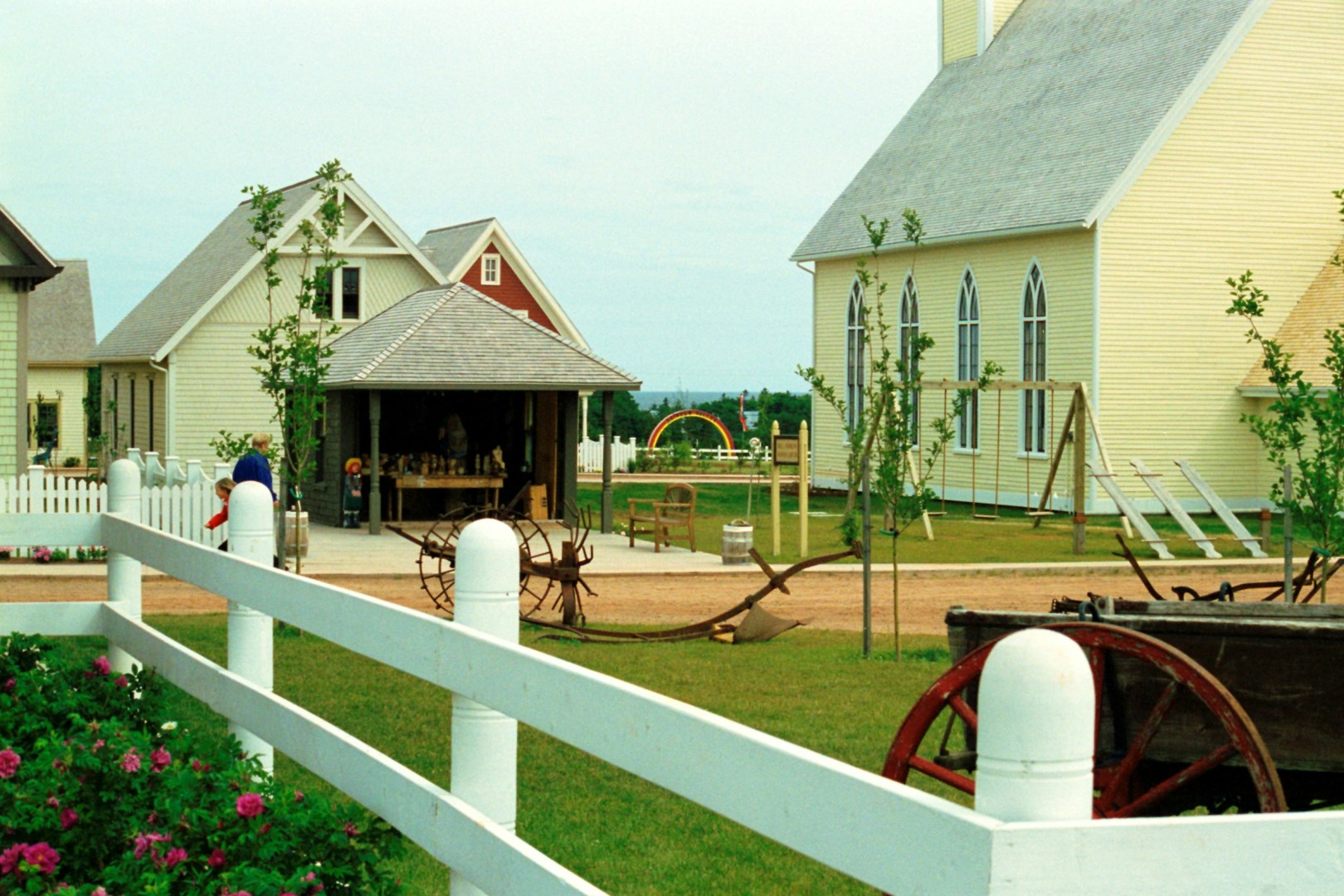
Avonlea Village
Avonlea Village is a seasonal attraction in Cavendish on Prince Edward Island's Green Gables Shore, created around the fictional community of Avonlea from Lucy Maud Montgomery's Anne of Green Gables. The village combines restored heritage buildings with purpose-built replicas of houses and shops inspired by the world of Anne Shirley.
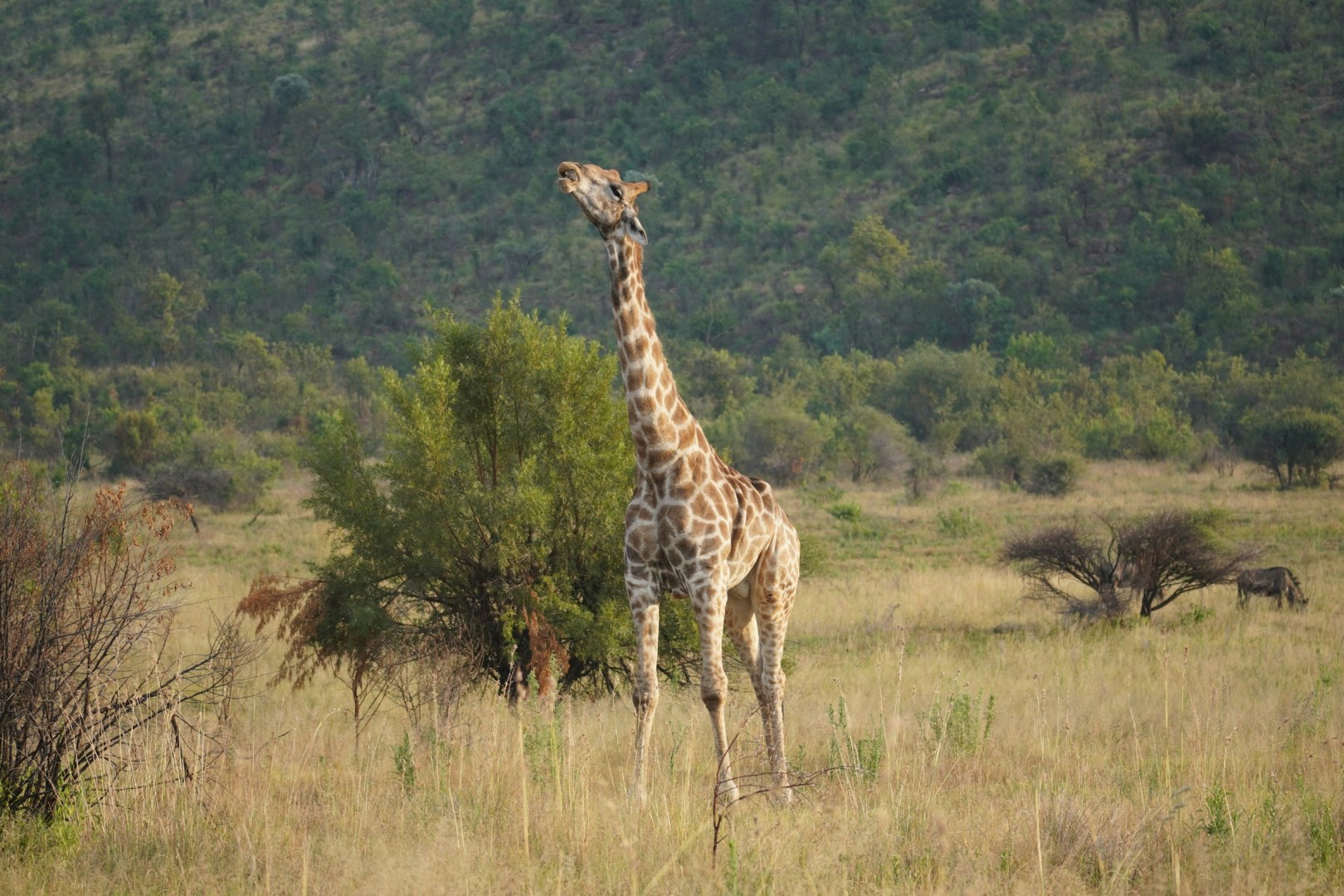
Pilanesberg National Park
Pilanesberg National Park is a protected wildlife area in South Africa’s North West province, located within an ancient volcanic crater near Sun City. The park covers about 55,000 hectares and contains a varied landscape of hills, valleys, open grassland, woodland, and seasonal watercourses
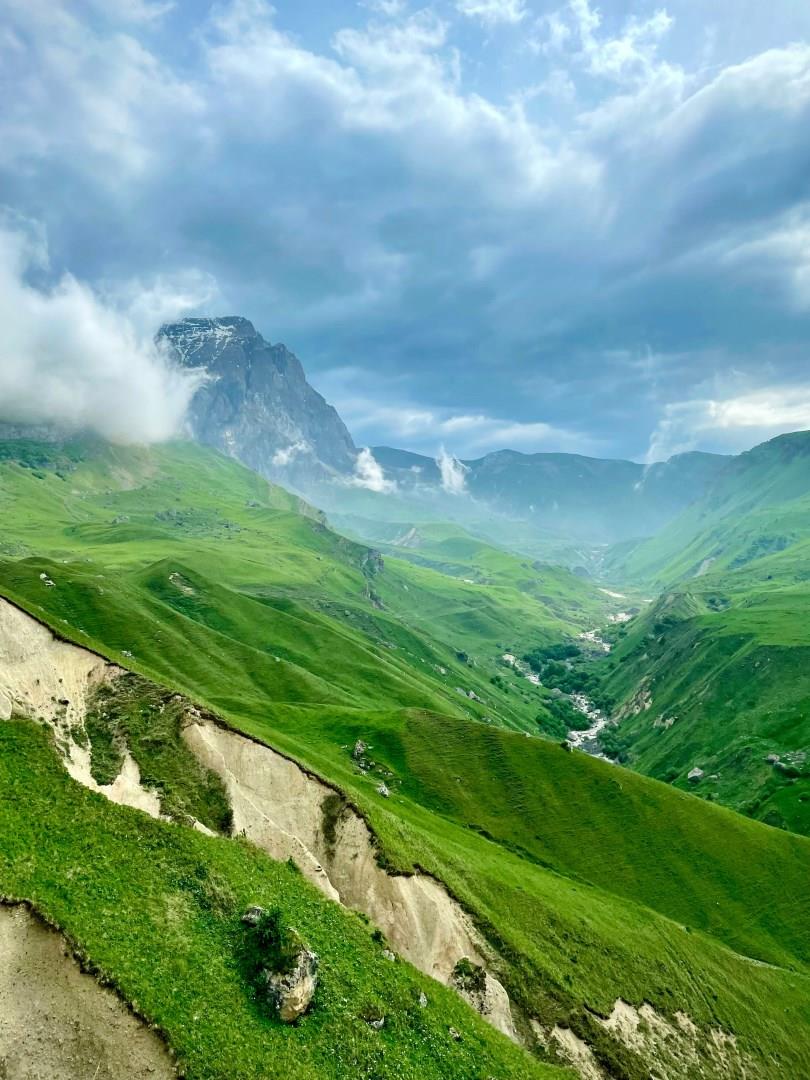
Azerbaijan
Azerbaijan, often called the “Land of Fire,” sits at the crossroads of Europe and Asia along the Caspian Sea. Its capital, Baku, blends futuristic architecture with centuries-old history.
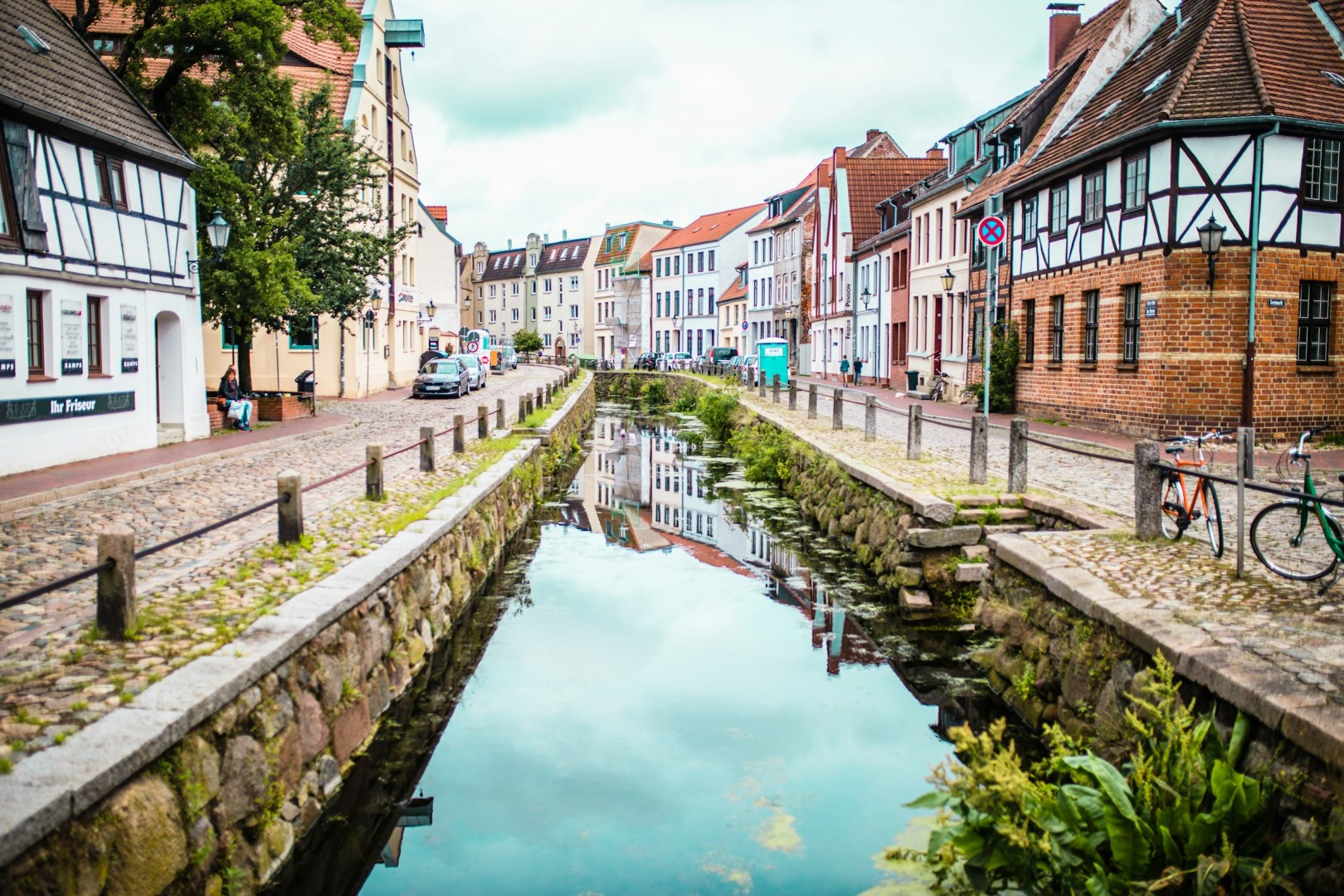
Wismar
Wismar is a historic port city on Germany’s Baltic coast in the state of Mecklenburg-Western Pomerania. Its old town is known for a remarkably well-preserved medieval street plan, large brick churches, merchant houses, and a harbor connected to the Baltic Sea. The city’s architecture reflects its former importance within the Hanseatic trading network, while the waterfront continues to support maritime activity.