Quiver Tree Forest
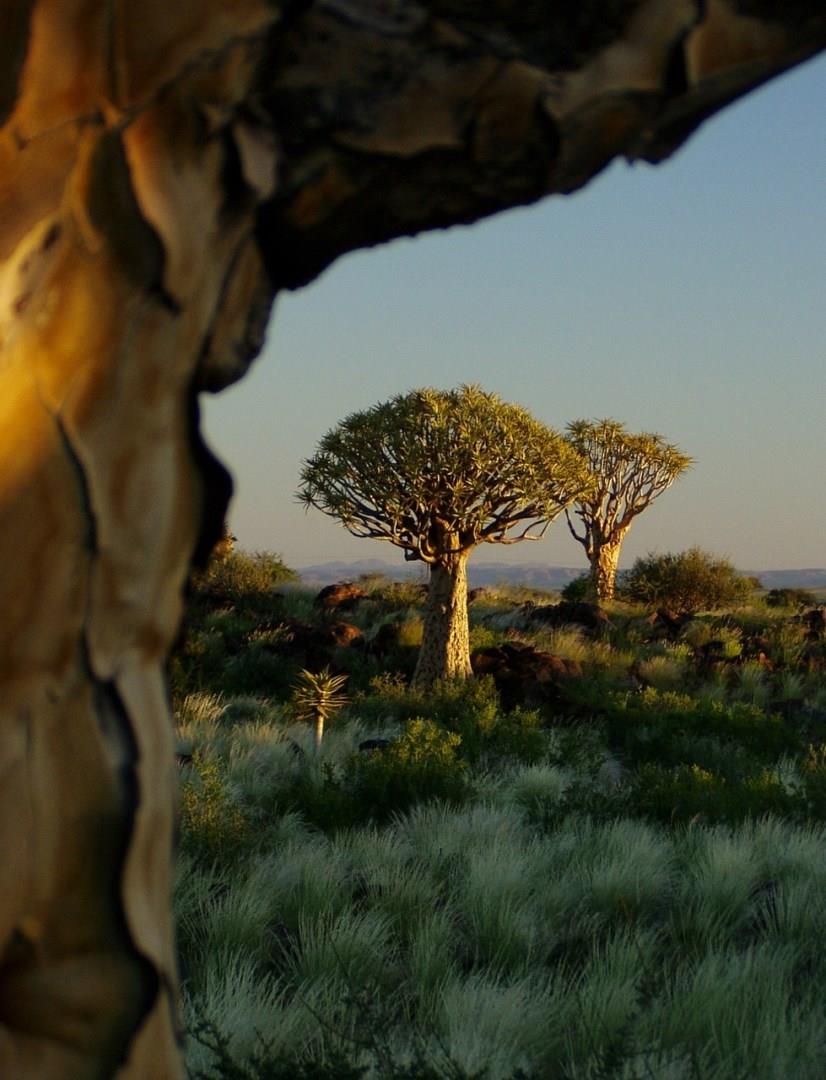
The Quiver Tree Forest, located just outside the town of Keetmanshoop in southern Namibia, is one of the country's most captivating natural wonders. This unique forest is home to hundreds of towering quiver trees (Aloe dichotoma), some of which are estimated to be over 200 years old. These trees, named after the San people who used their hollowed-out branches as quivers for arrows, are an iconic symbol of Namibia's arid landscape.

Clarksville
Clarksville, located along the Cumberland River in northwestern Tennessee, is a historic city that blends military heritage, cultural attractions, and scenic natural surroundings. Established in the late 18th century, Clarksville grew as a river trading hub and later became closely linked to Fort Campbell, a major U.S. Army base, which has shaped much of the city’s identity and economy.
Alajuela
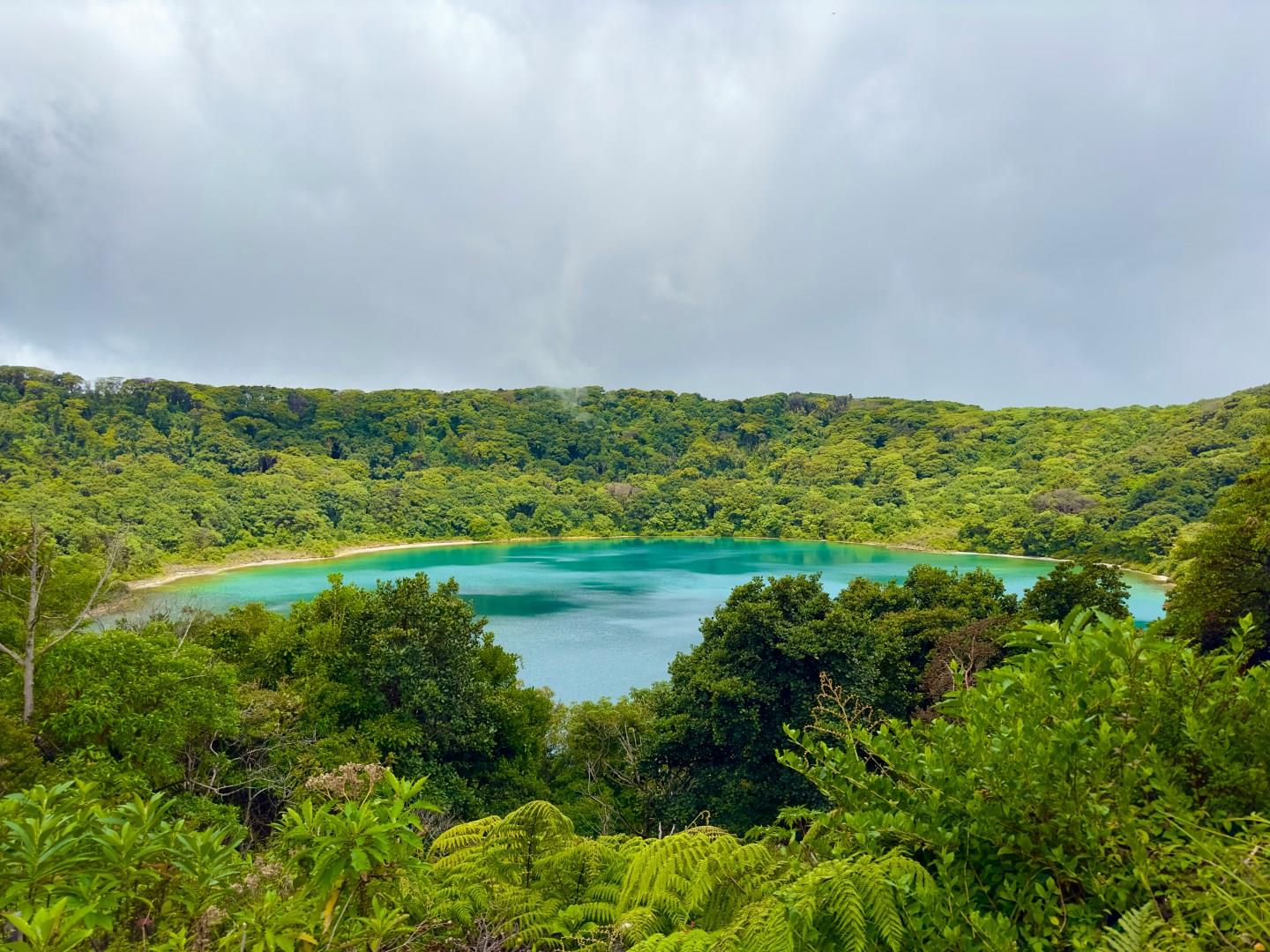
Alajuela, Costa Rica’s second-largest city, offers a mix of history, culture, and natural wonders that make it more than just the gateway to Juan Santamaría International Airport. The city’s central park, cathedral, and museums create a lively hub where local life unfolds, from weekend markets filled with fresh produce to festivals celebrating music and tradition.

Harare
Harare, the vibrant capital of Zimbabwe, is a city that blends modern life with cultural depth. Set on a high plateau, it enjoys a pleasant climate year-round, with tree-lined avenues and blooming jacarandas that give it a distinctive character.

Copan
Copán, Honduras, is a hidden gem in Central America that beckons travelers with its extraordinary blend of ancient history, lush landscapes, and vibrant local culture. Known as the "Athens of the Maya," Copán is home to one of the most significant and well-preserved archaeological sites of the Mayan civilization, a UNESCO World Heritage Site.