Capitol Reef National Park
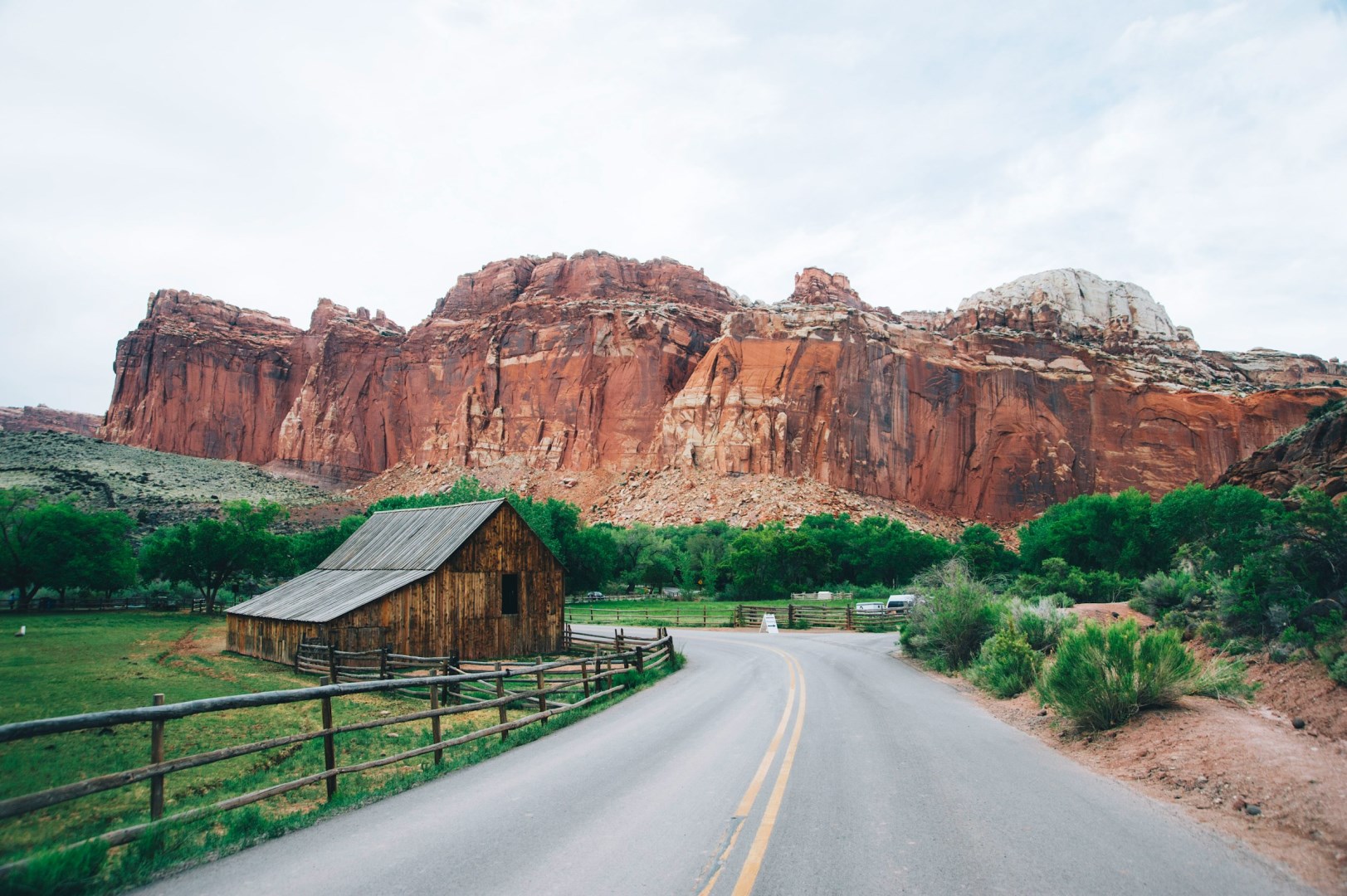
Capitol Reef National Park occupies a long, rugged section of southern Utah where sandstone cliffs, domes, canyons, and high desert plateaus form a landscape centered on the Waterpocket Fold. This immense wrinkle in the earth’s crust creates a dramatic change in elevation and exposes layers of rock in shades of red, orange, white, and gray.

Dominica
Dominica, known as the “Nature Island of the Caribbean,” is a haven for eco-tourists and adventure seekers. Nestled between the French islands of Guadeloupe and Martinique, this lush island boasts a remarkable landscape of volcanic mountains, dense rainforests, and stunning waterfalls. Dominica’s most iconic natural wonder is the Boiling Lake, the second-largest hot spring in the world.

Volterra
Nestled in the heart of Tuscany, Volterra offers a captivating journey through time with its well-preserved medieval charm and Etruscan roots. The city's history is evident as you wander through its narrow, winding streets, flanked by ancient walls that date back to the Etruscan period. The Roman Theater, built in the 1st century AD, is a testament to the city's significance in antiquity and provides an evocative glimpse into Volterra’s storied past.

Golubac
Golubac, a picturesque town on the banks of the Danube River in Serbia, is a destination known for its rich history and stunning natural beauty. The town is home to the Golubac Fortress, a medieval stronghold dating back to the 14th century, which offers stunning views of the Danube and the surrounding landscapes.
Spello
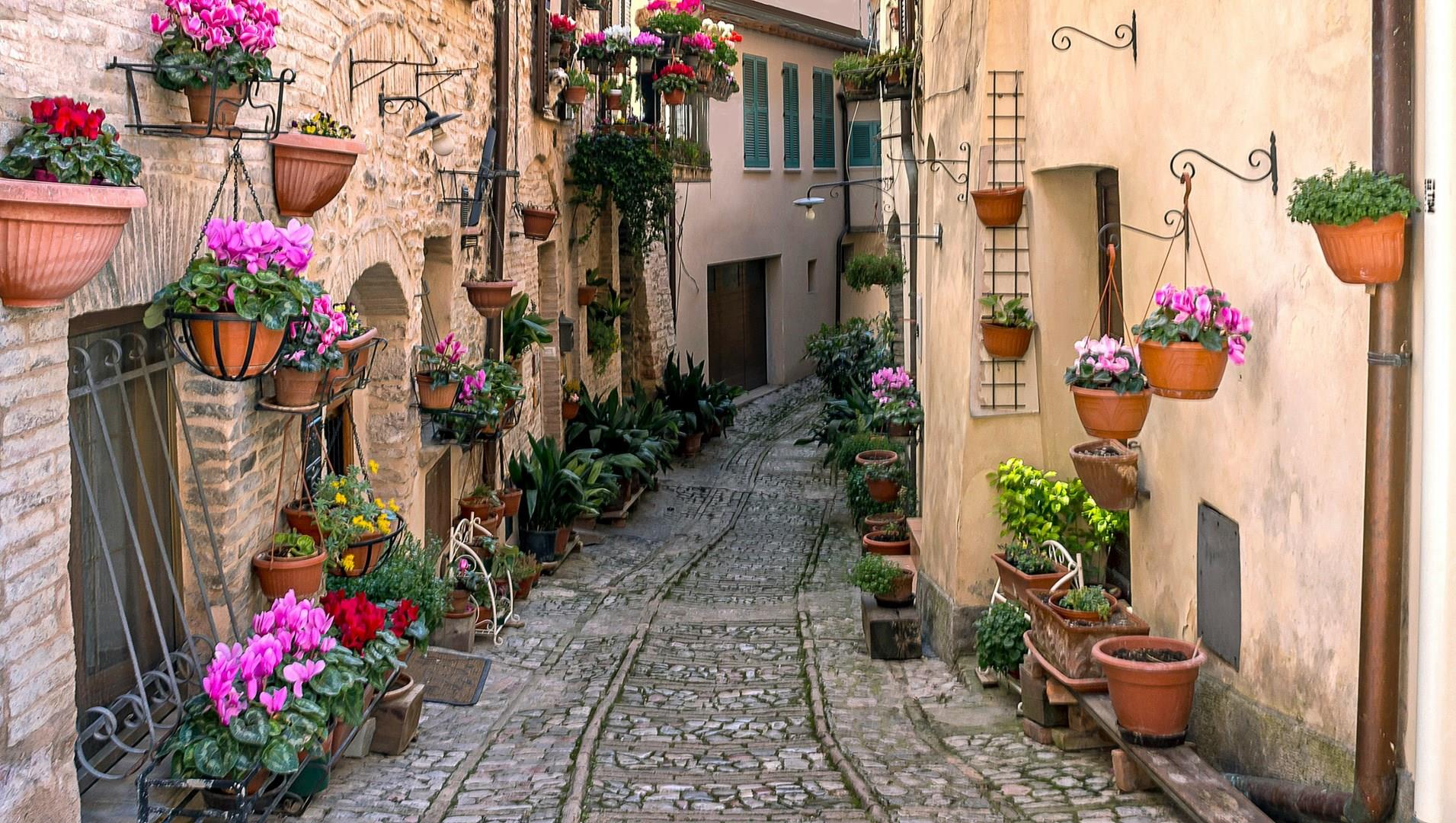
Spello sits high on the slopes of Mount Subasio in the heart of Umbria, where visitors step into a place shaped by centuries of history. Each year, Spello’s streets become a living canvas during the Infiorate di Spello, a long-standing celebration tied to Corpus Christi. Residents work through the night before the feast to lay flower petals along the town’s main thoroughfares, creating patterns and images that stretch for over a mile.