Macau
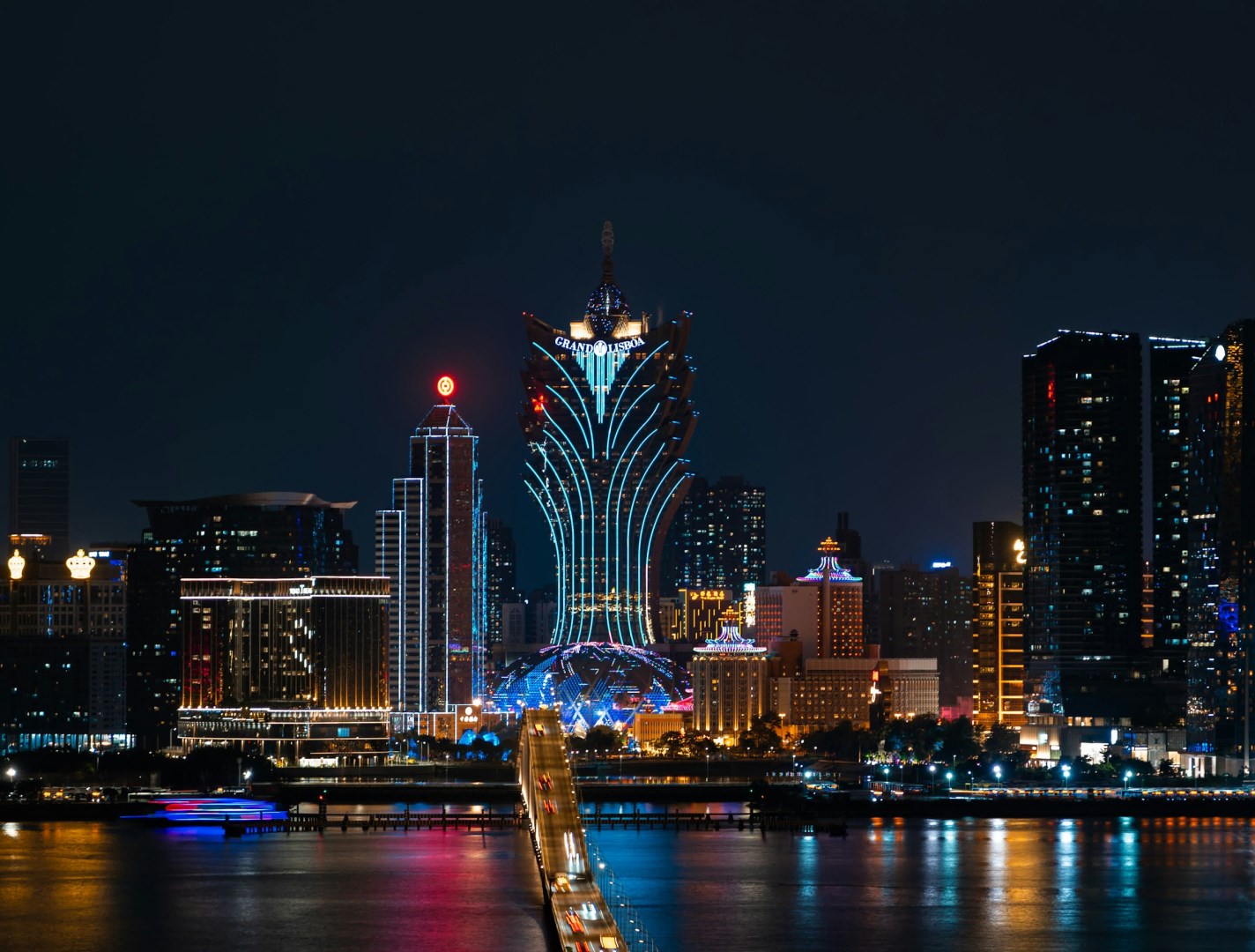
The city of Macau, located on the Pearl River Delta, is a destination where centuries of history meet modern vibrancy. Once a Portuguese colony, its streets still carry the marks of European influence: ornate churches, tiled plazas, and pastel façades sit alongside traditional Chinese temples and narrow alleyways filled with shops and markets.
Tambopata
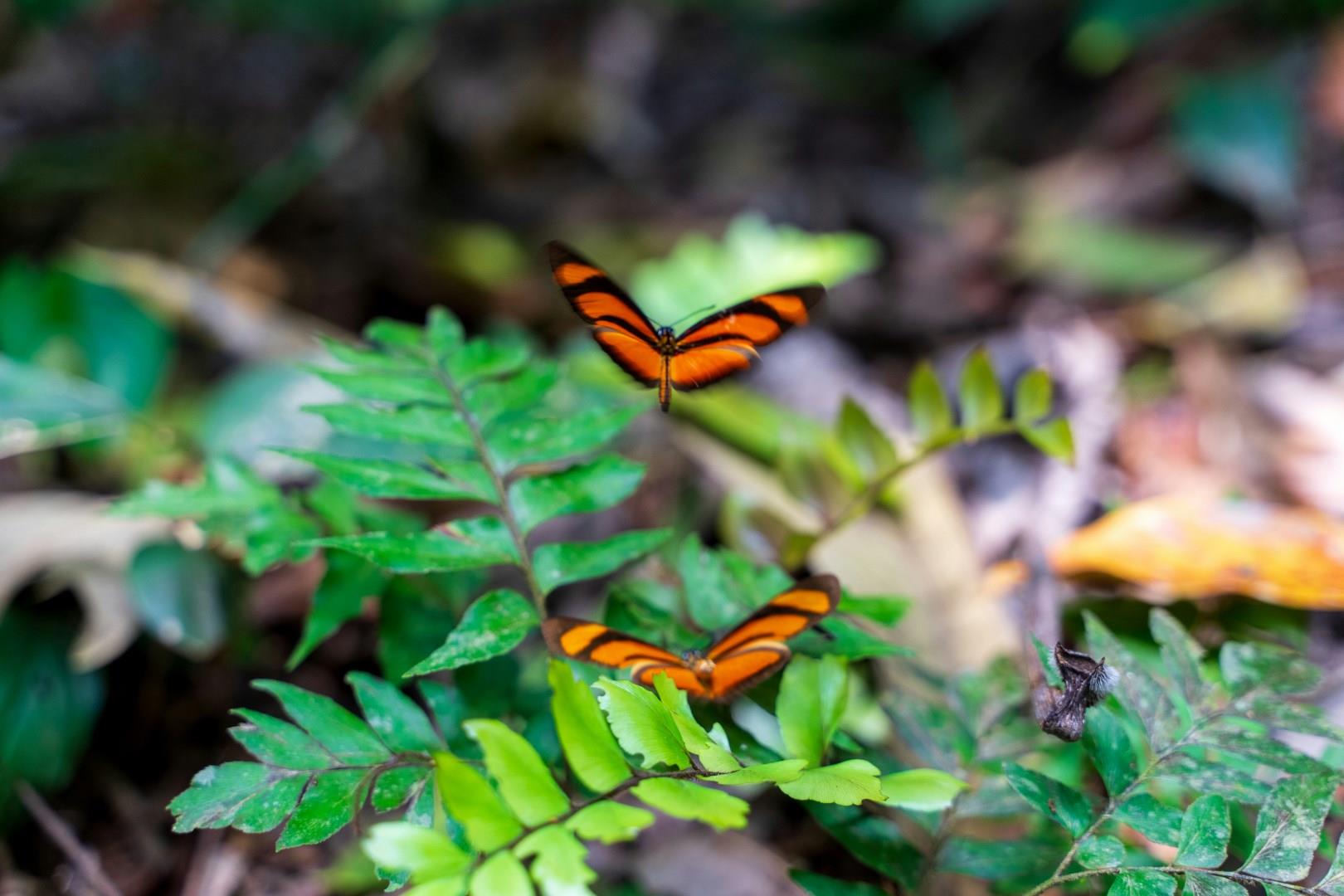
Located in the Madre de Dios region of southeastern Peru, Tambopata is a protected area where visitors can experience the Amazon rainforest in its rawest form. The Tambopata National Reserve spans over 270,000 hectares and is home to an estimated 1,200 butterfly species, 600 bird species, and hundreds of tree varieties. One of its most famous residents is the jaguar, though sightings are rare. More common encounters include red howler monkeys, capybaras, and giant river otters.
Mount Shasta
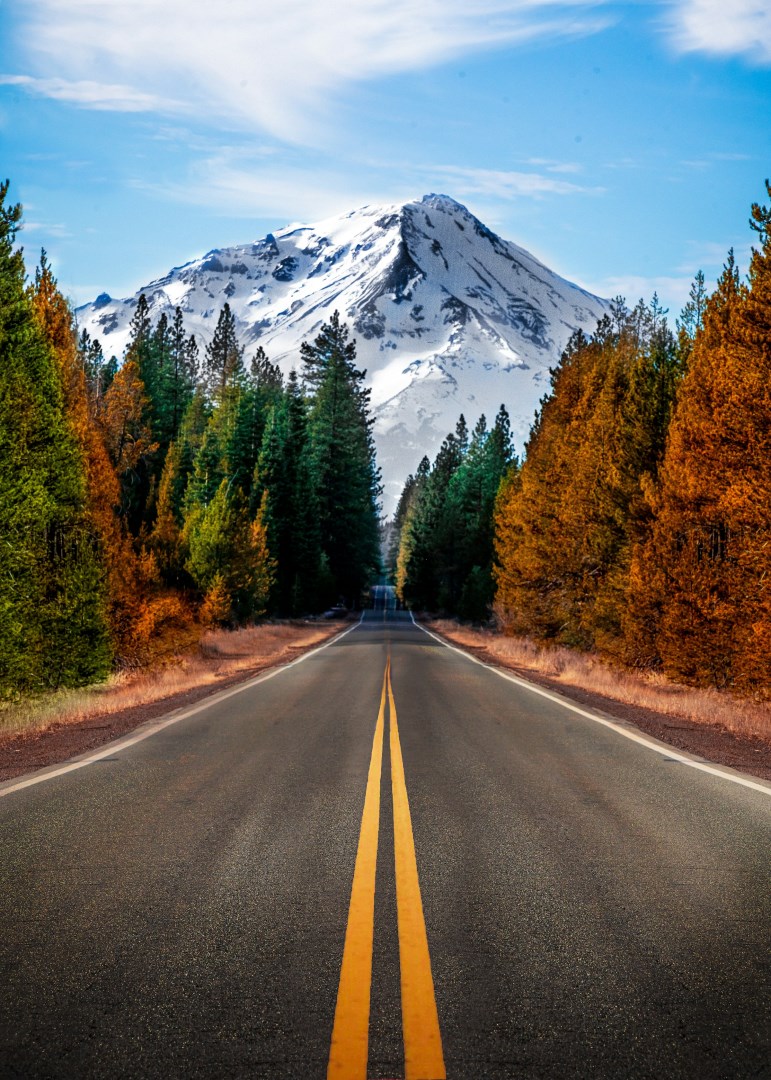
Mount Shasta is a small city in Northern California at the foot of the volcanic peak that shares its name. The community sits in the upper Sacramento River watershed, surrounded by conifer forests, mountain meadows, and the broader Cascade Range. Mount Shasta rises prominently to the east and reaches more than 14,000 feet, making it one of the most recognizable mountains in the state.
Fernandina Island
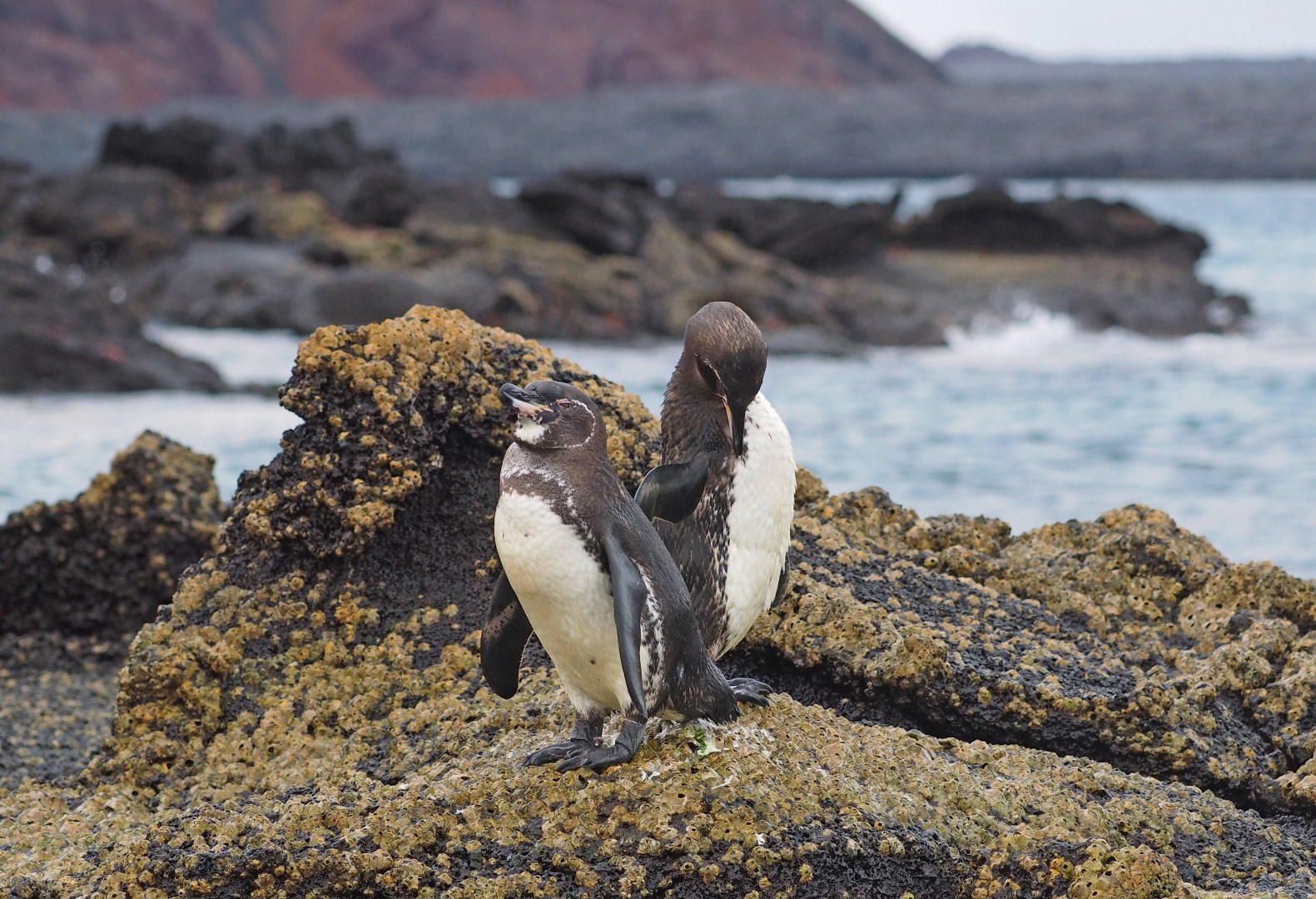
Besides being one of the largest and most remote of the Galapagos Islands, Fernandina Island is home to the area's most active volcano. It also boasts the most pristine ecosystem; unlike other islands in the Galapagos, Fernandina has thus far avoided the introduction of any non-native mammal species.
Isles Of Scilly
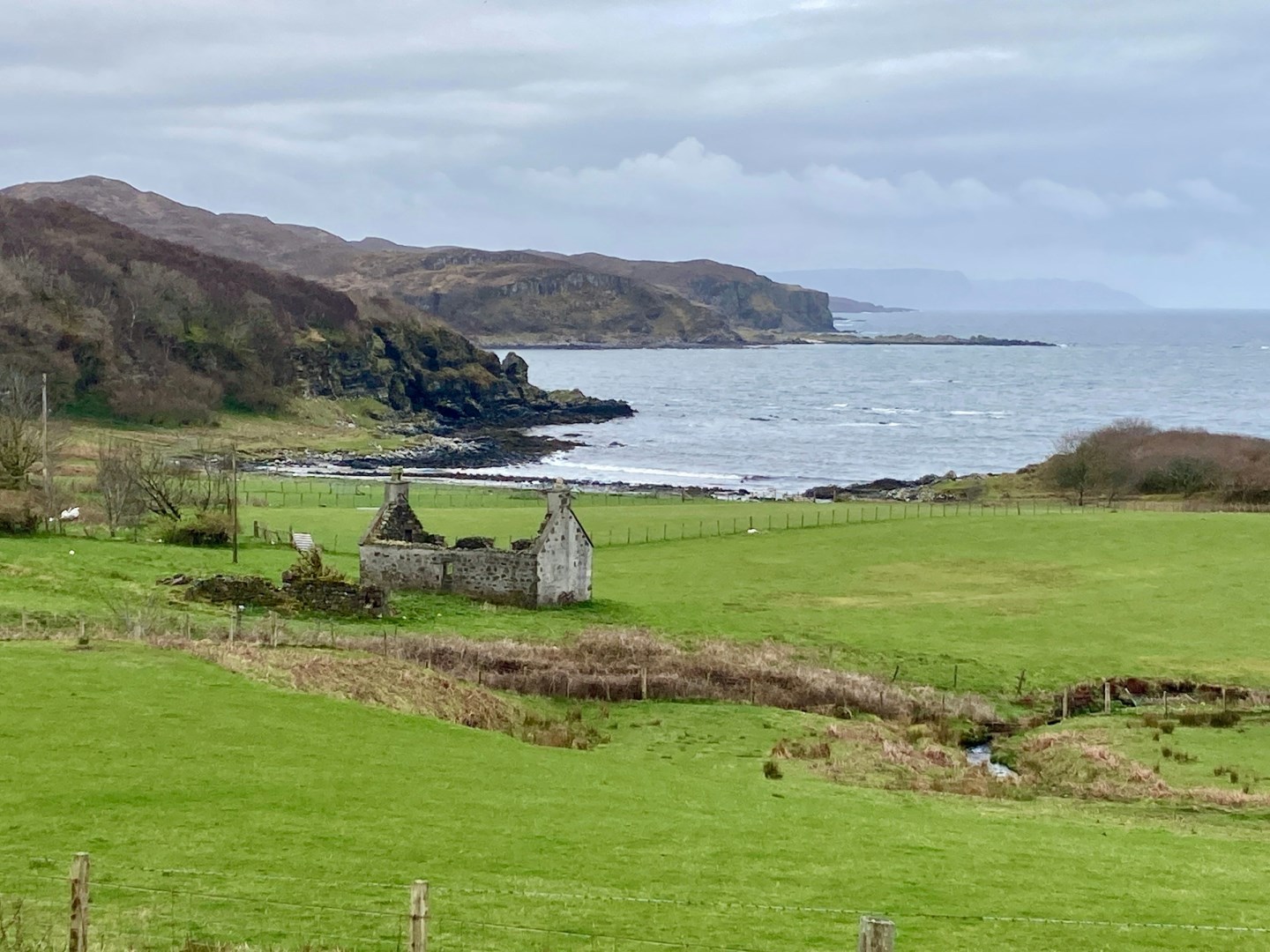
Located off the southwest tip of England, there are about 150 small islands that make-up this set of islands.