Annapurna
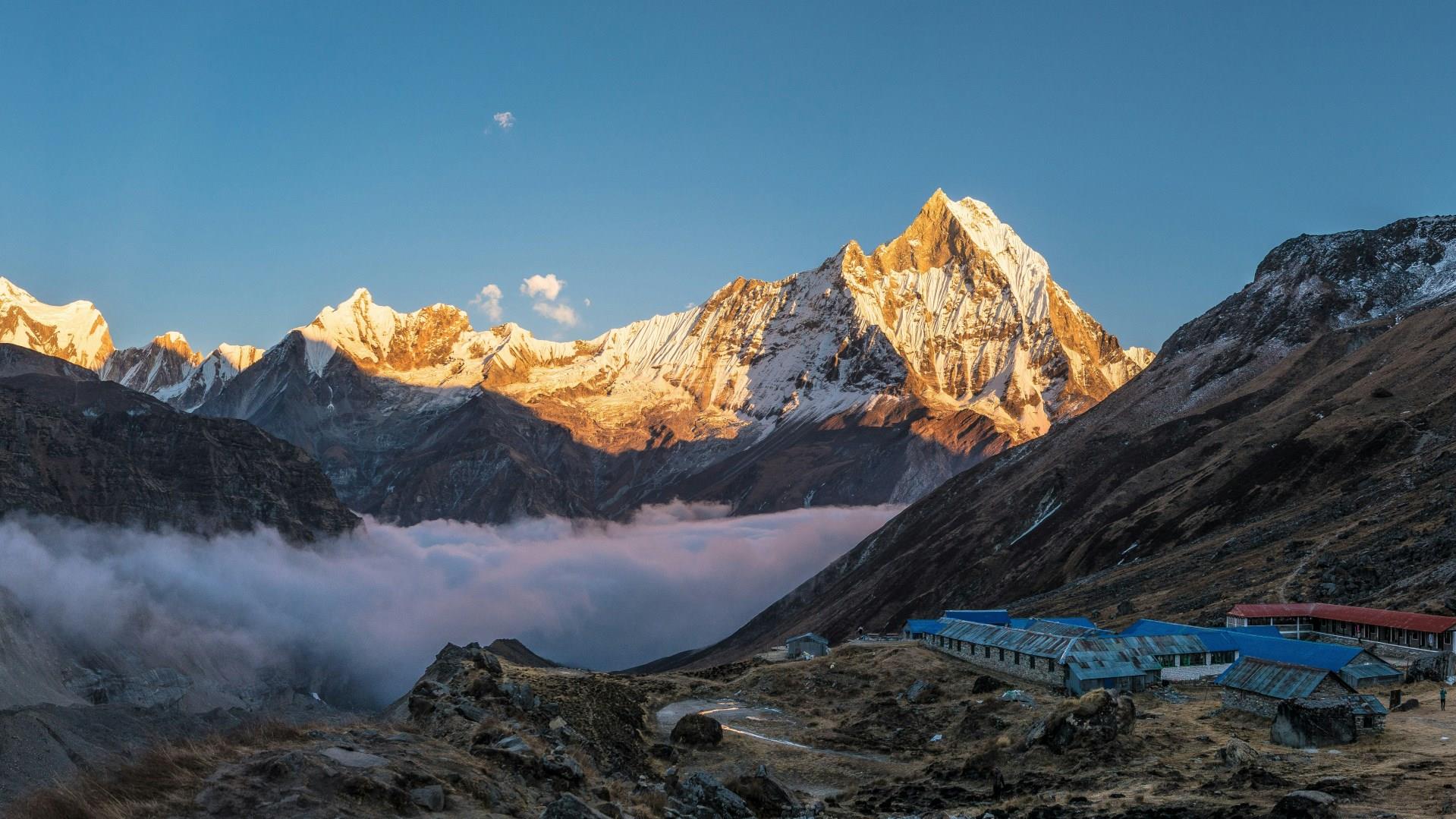
The Annapurna region of central Nepal is defined by both cultural depth and extreme topography. Home to a wide range of ethnic communities, including Gurung, Thakali, and Manangi peoples, the area has long been shaped by trans-Himalayan trade routes and mountain agriculture.

Warsaw
Warsaw stands as one of Europe’s most resilient cities, having rebuilt itself almost entirely after World War II. The Old Town, meticulously reconstructed using paintings by Italian artist Bernardo Bellotto, feels centuries old but is, in fact, less than a hundred years in its current form. Behind the medieval facades lie stories of uprisings, resistance, and quiet defiance. Visitors walking through Castle Square can enter the Royal Castle, where Poland’s Constitution of May 3, 1791 was adopted.
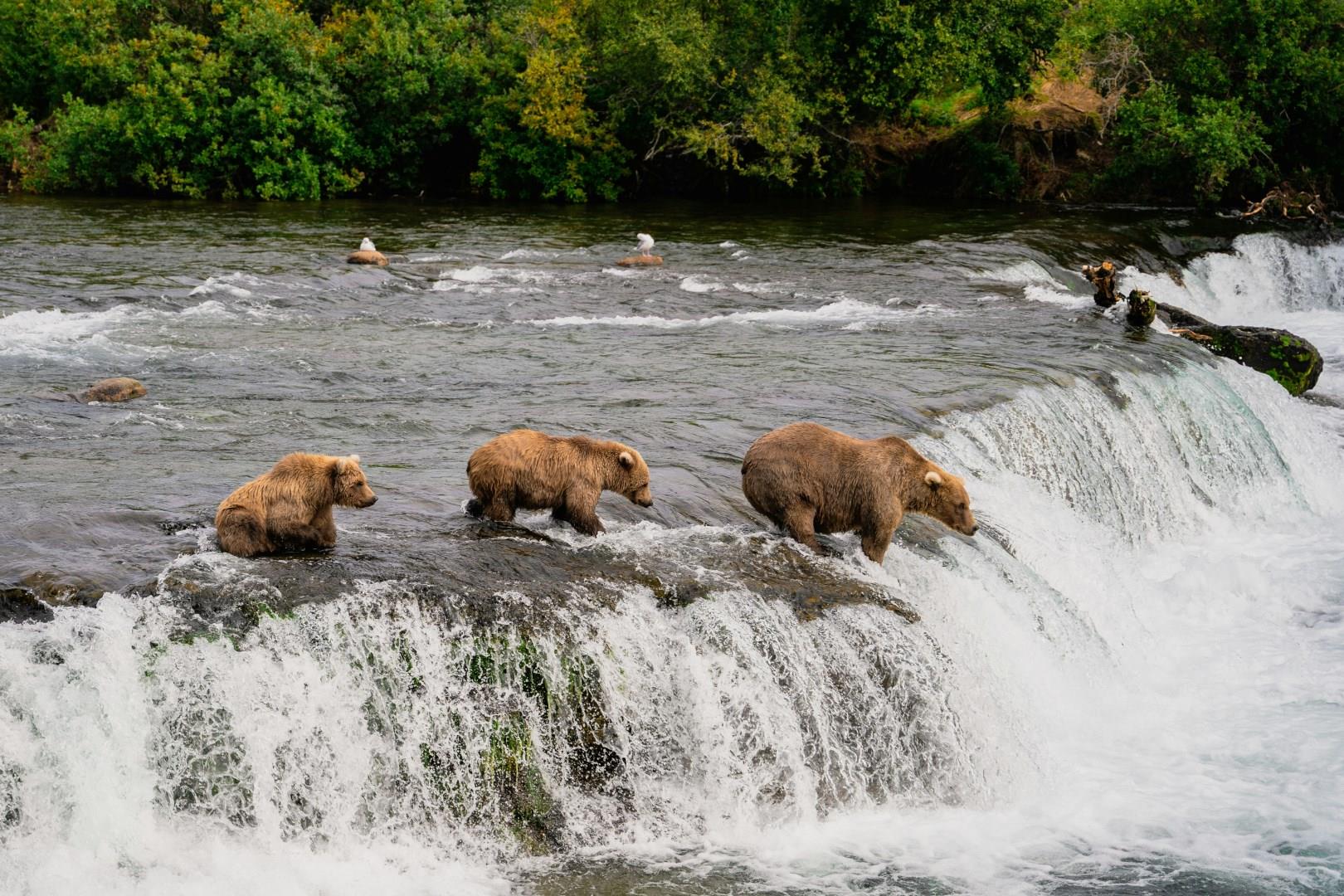
Katmai National Park
Katmai National Park and Preserve lies along Alaska’s remote Pacific coast, shaped by volcanism, glaciers, and deep time. The area gained prominence after the 1912 Novarupta eruption, one of the largest volcanic events of the 20th century, which transformed the landscape and led to the creation of the Valley of Ten Thousand Smokes.
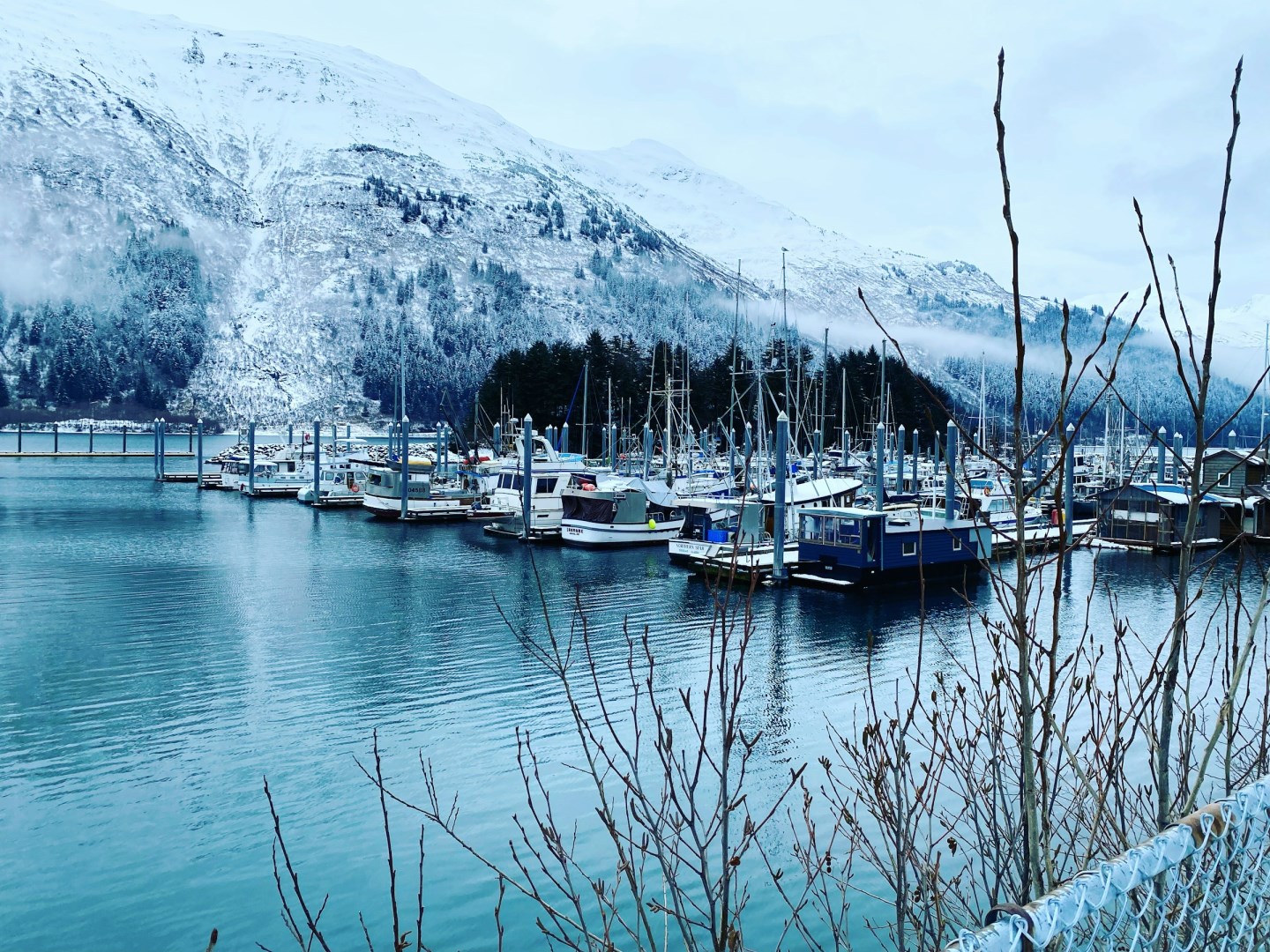
Douglas Island
Douglas Island is a forested island in the Alexander Archipelago of southeastern Alaska, separated from Juneau by Gastineau Channel. Although geographically an island, it is closely connected to Juneau by the Juneau-Douglas Bridge and functions as part of the capital city’s wider urban area. The community of Douglas occupies the island’s southern end, while much of the remaining landscape consists of dense coastal forest, steep hills, streams, and rocky shoreline.
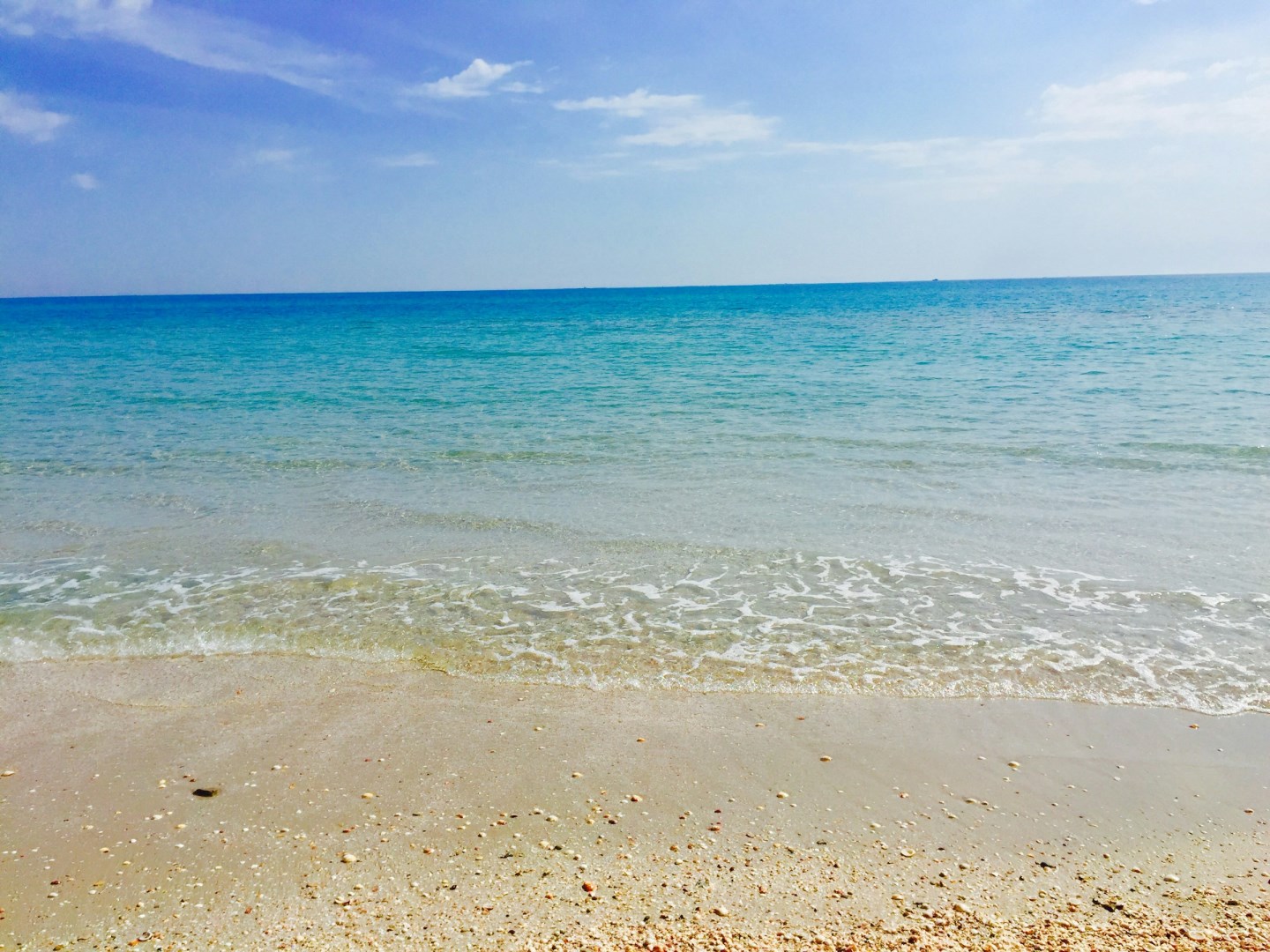
Mahdia
Mahdia is a coastal city in central-eastern Tunisia, set on a narrow peninsula extending into the Mediterranean. Its position between the sea and the mainland has shaped the city’s identity as a fishing port and coastal settlement. The historic medina occupies the peninsula, with whitewashed buildings, narrow streets, and a waterfront lined with fishing boats. Mahdia is also known for its long sandy beaches and clear coastal waters.