Gjógv
Nestled in the stunning landscape of Eysturoy in the Faroe Islands, Gjógv is a picturesque village that feels like a scene straight out of a fairy tale. Known for its dramatic cliffs and tranquil surroundings, Gjógv is named after the natural gorge that cuts into its coastline. The gorge, stretching 200 meters inland, serves as a natural harbor and has long been a lifeline for the village's fishing industry.

Namib Desert
The Namib Desert, one of the world’s oldest deserts, stretches along the western coast of Namibia, offering a landscape of stunning, otherworldly beauty. The name “Namib” means "vast place," and fittingly so, as this desert spans over 2,000 kilometers and includes some of the tallest sand dunes on Earth, such as those found in Sossusvlei.
Paraguay
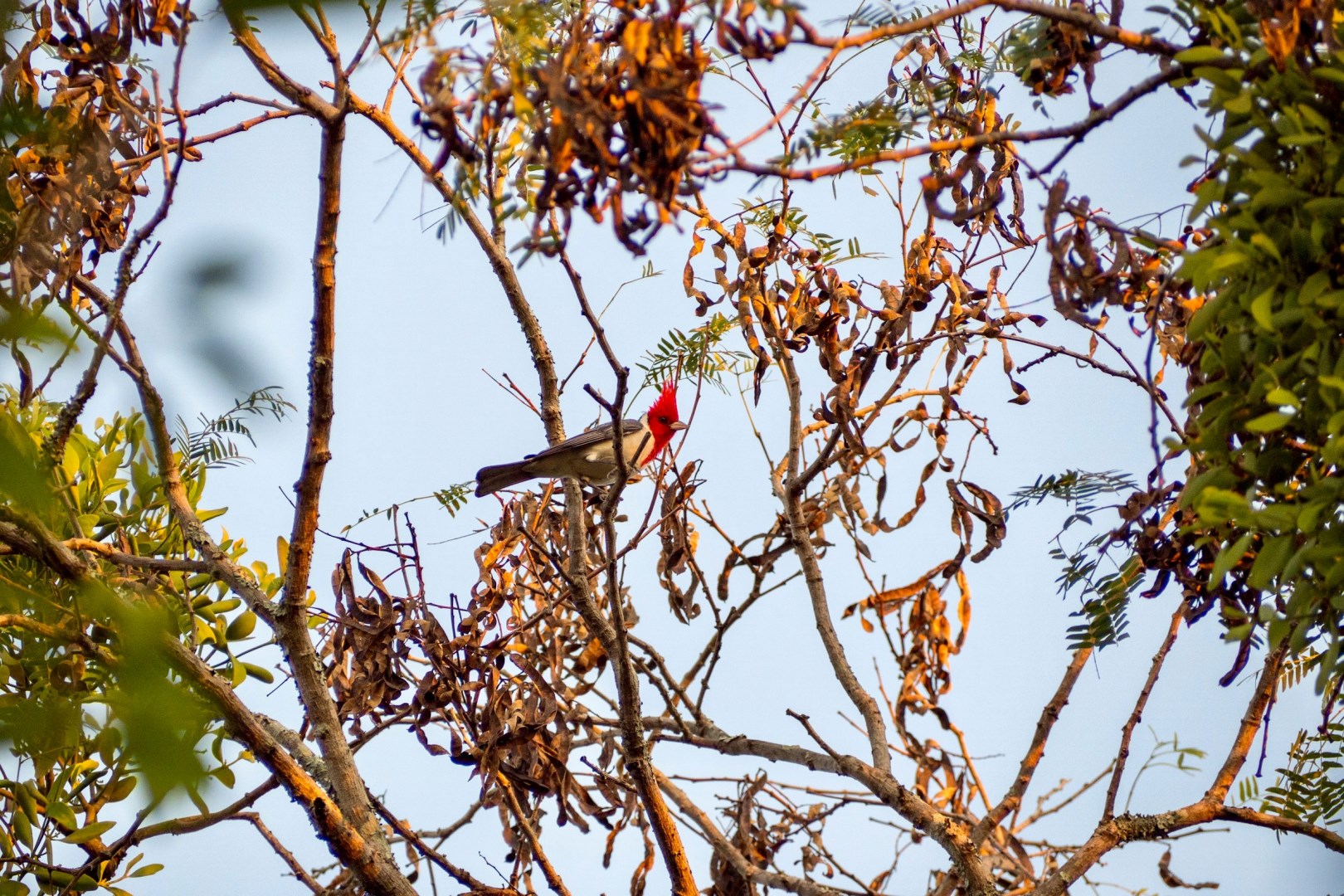
Paraguay is a country that moves to its own rhythm. Landlocked and often overlooked, it’s one of South America’s most culturally distinct destinations. With two official languages, Spanish and Guaraní, and a strong Indigenous heritage, Paraguay offers a travel experience shaped more by tradition than by trend. For travelers drawn to wild, open landscapes, Paraguay offers two distinct ecosystems: the lush, river-fed east and the remote, dry Chaco in the west.
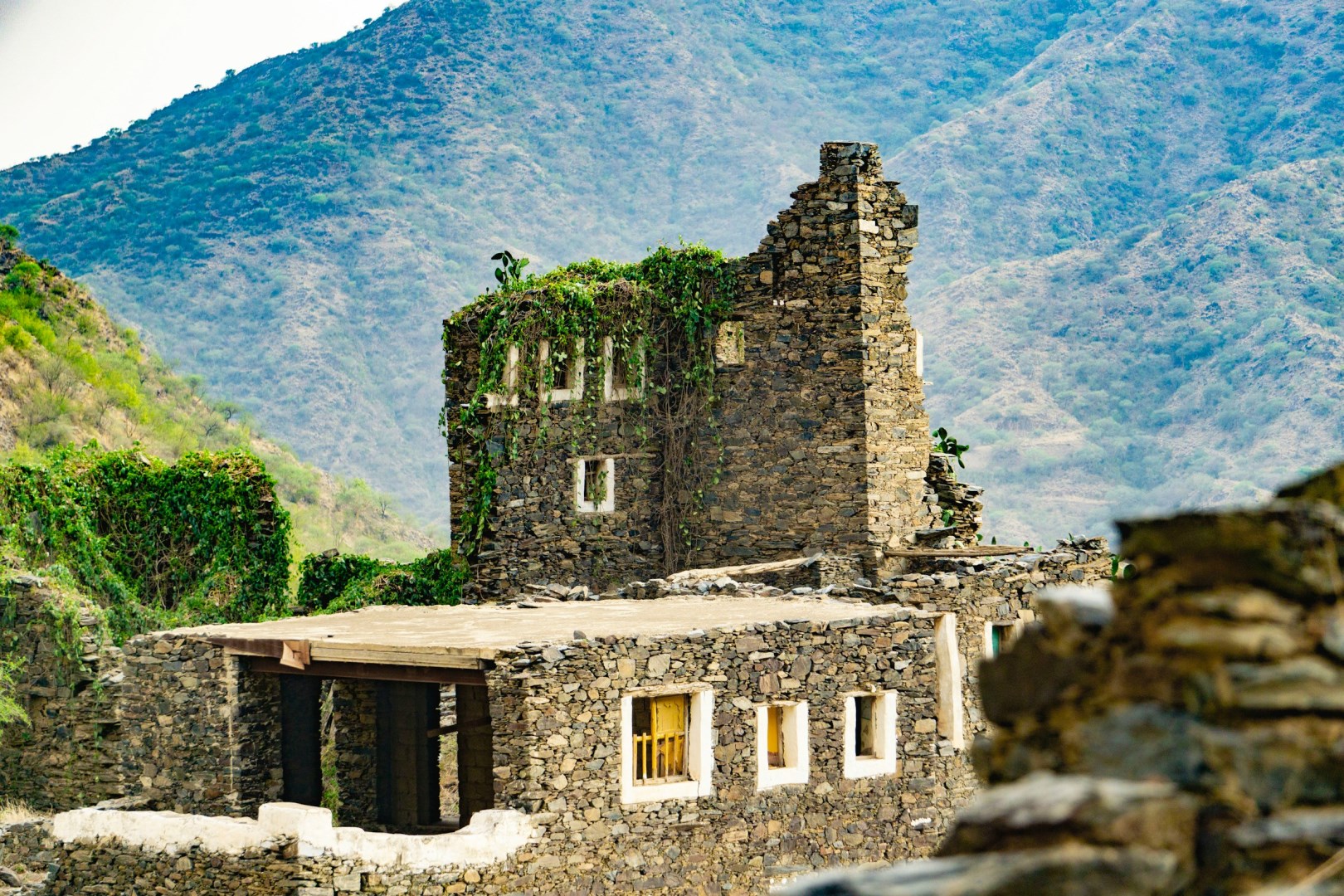
Abha
Abha, the capital of Saudi Arabia’s Asir Province, is a scenic mountain city set nearly 2,200 meters (7,200 feet) above sea level in the Sarawat Mountains. Known for its mild climate, lush green hills, and misty peaks, it stands in striking contrast to the country’s desert landscapes.
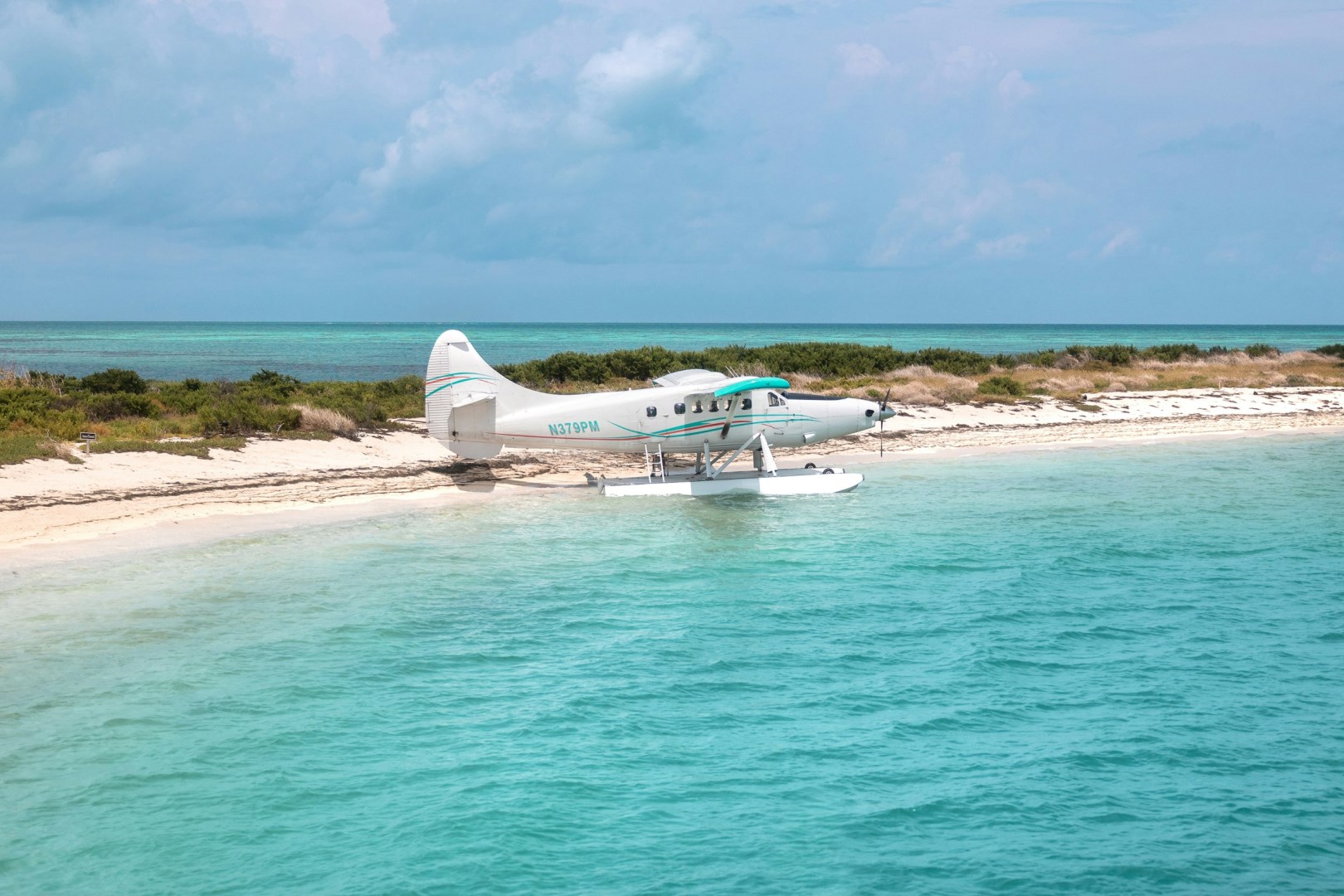
Dry Tortugas National Park
Dry Tortugas National Park is a remote island and marine park in the Florida Keys, located nearly 70 miles west of Key West. The park consists of seven small islands surrounded by shallow waters, coral reefs, seagrass beds, and open ocean. More than 99 percent of the park is water, making its marine environment as important as its land area. Garden Key is the main visitor destination and contains historic Fort Jefferson, while Loggerhead Key, the largest island, is known for its lighthouse and p