Pond Inlet
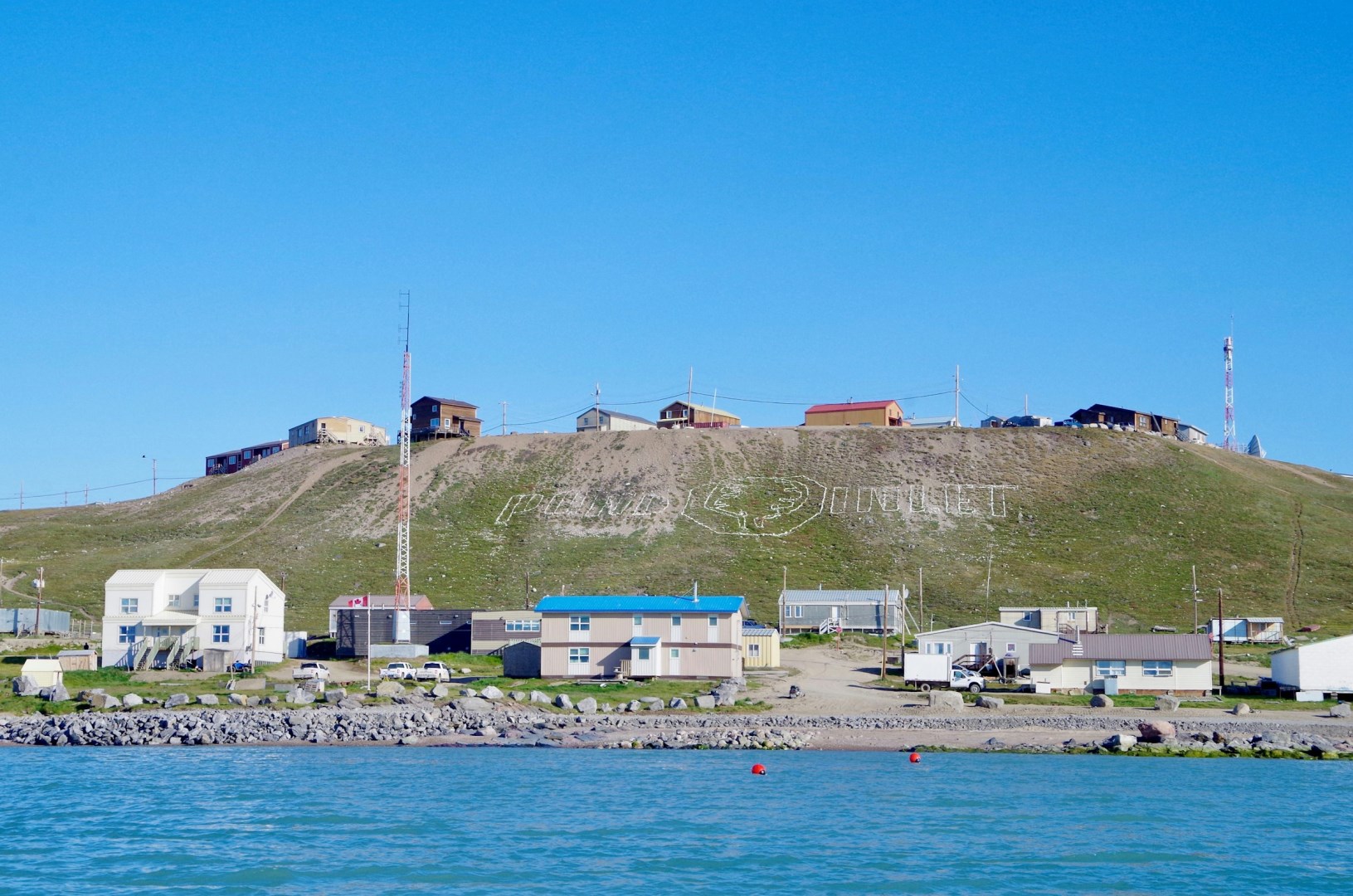
Pond Inlet is an Inuit community on the northern coast of Baffin Island in Nunavut, positioned beside Eclipse Sound and surrounded by rugged mountains, rocky islands, and Arctic tundra. The community is known in Inuktitut as Mittimatalik, a name associated with the area's traditional Inuit identity.

Doha
Doha presents a journey where heritage and modern design intersect gracefully. The Museum of Islamic Art, designed by I. M. Pei, rises from the Corniche and houses ceramics, textiles, manuscripts, and metalwork spanning fourteen centuries. Nearby, the National Museum of Qatar, shaped like a desert rose, narrates the country's story through immersive exhibits and architecture by Jean Nouvel. These institutions offer perspectives on both art and national identity.

Mount Fuji
Mount Fuji rises above central Japan as both a physical landmark and a cultural symbol, long associated with pilgrimage, art, and seasonal ritual.
Rockport
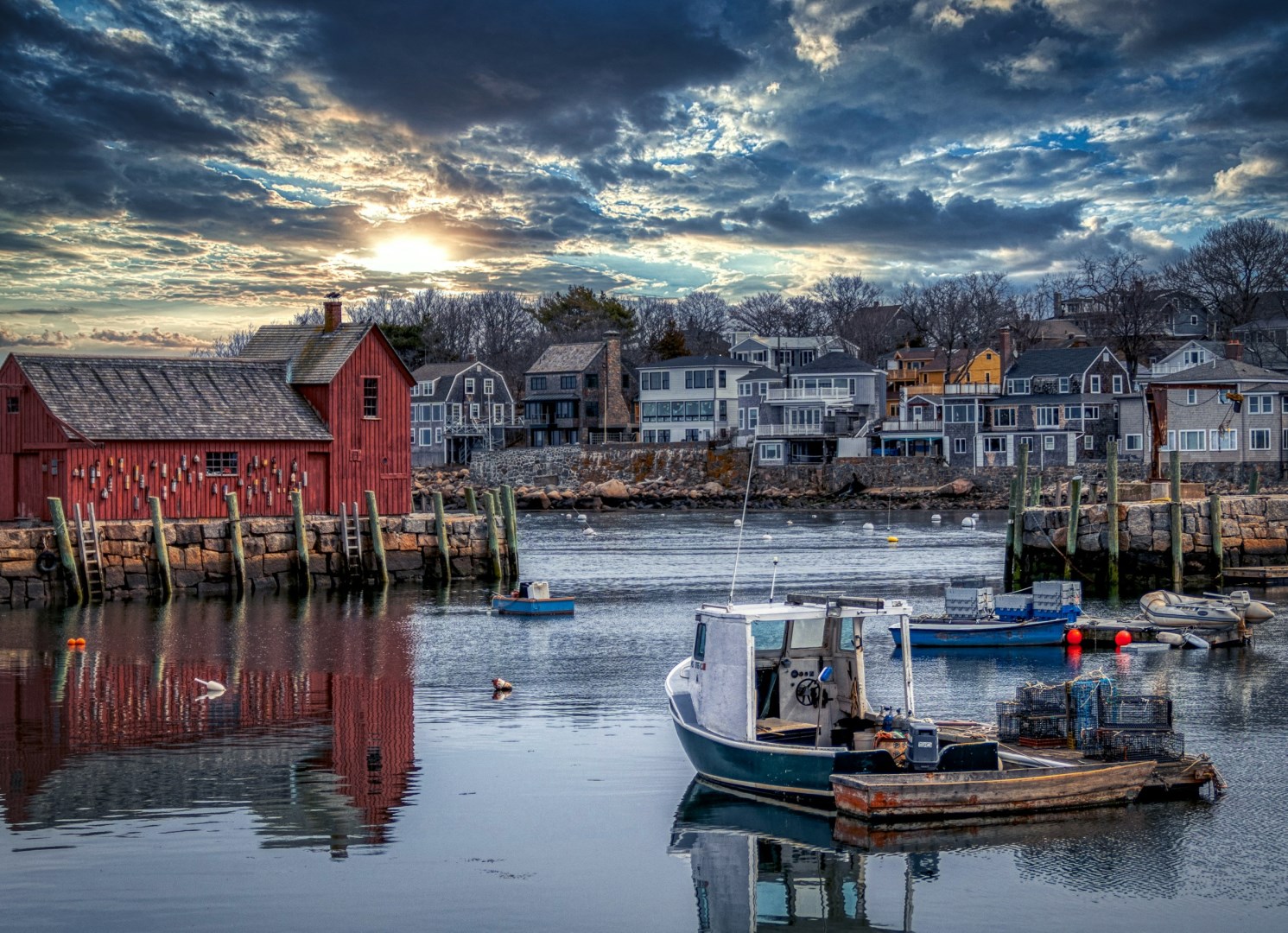
Rockport is a coastal town on the tip of Cape Ann in northeastern Massachusetts, surrounded by rocky shoreline, small coves, and the waters of the Atlantic Ocean. The town developed from fishing, quarrying, and maritime trade, and its harbor remains central to its identity. Bearskin Neck, a narrow waterfront peninsula, contains galleries, shops, restaurants, and working boats. Rockport’s landscape is marked by granite ledges and exposed coastal rock, while wooded inland areas provide a contrast
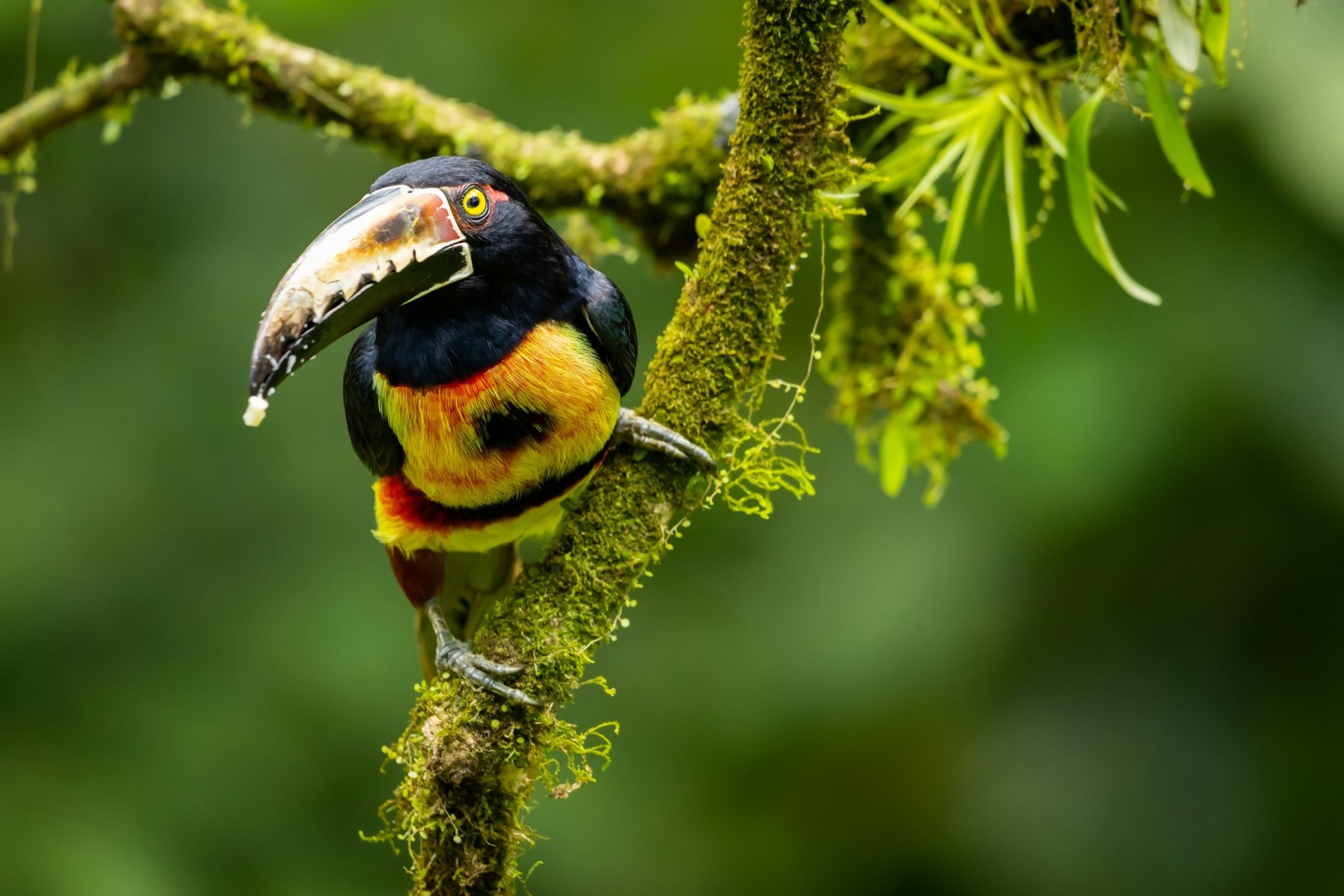
Guápiles
Guápiles is a regional city in Limón Province on Costa Rica's Caribbean slope, positioned between the Central Valley and the lowlands of the Caribbean coast. Its warm, humid climate supports lush vegetation, banana plantations, pastures, and tropical gardens, while the surrounding landscape includes rivers and forested foothills.