Reading
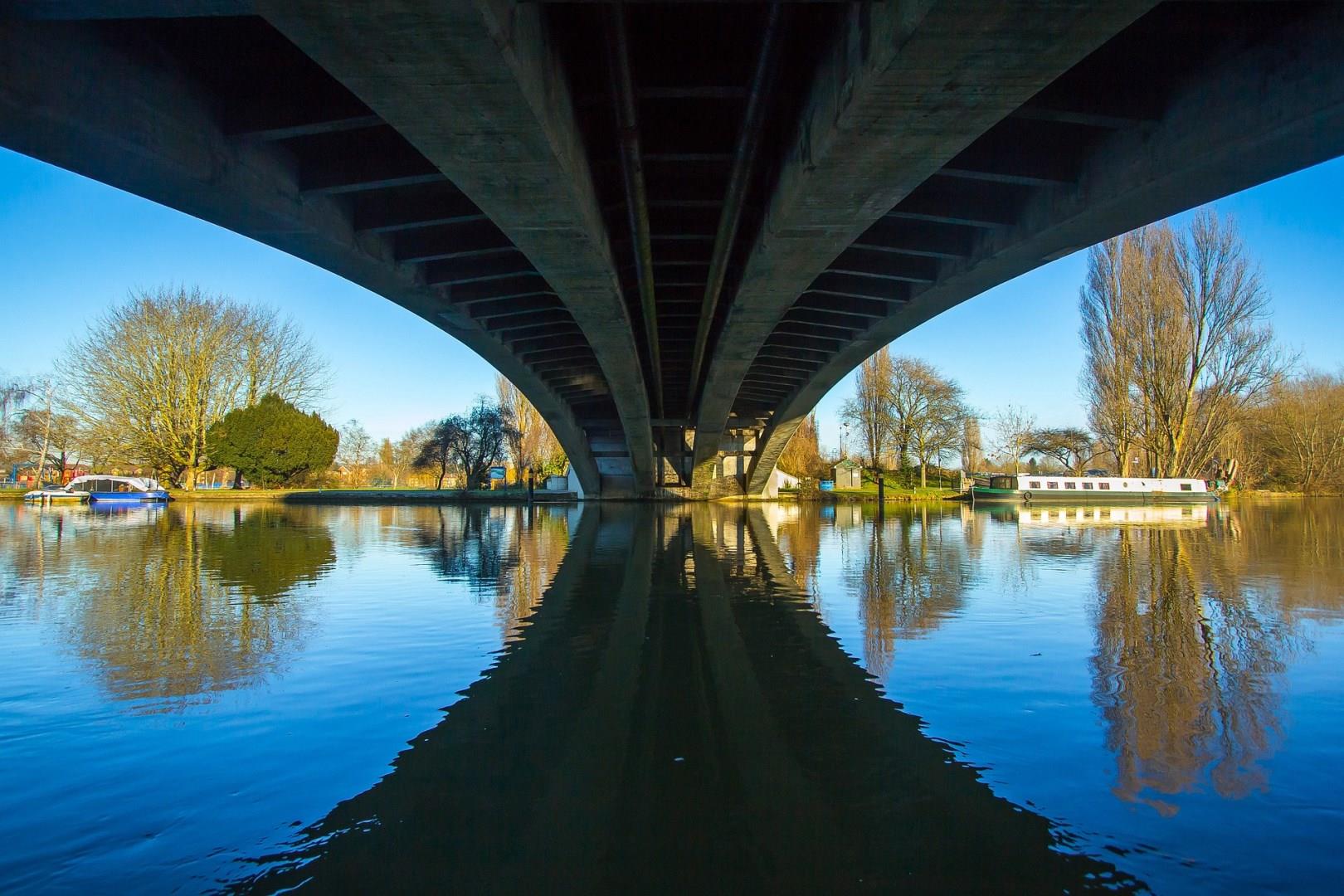
Reading, a historic town in Berkshire, England, offers a blend of cultural heritage and modern attractions. Known for its rich history, Reading boasts landmarks such as the Reading Abbey, founded in 1121 and once one of the most important monastic sites in England. The Abbey’s ruins are a fascinating site for history enthusiasts, providing a glimpse into medieval architecture and the town’s monastic past.
Sheffield
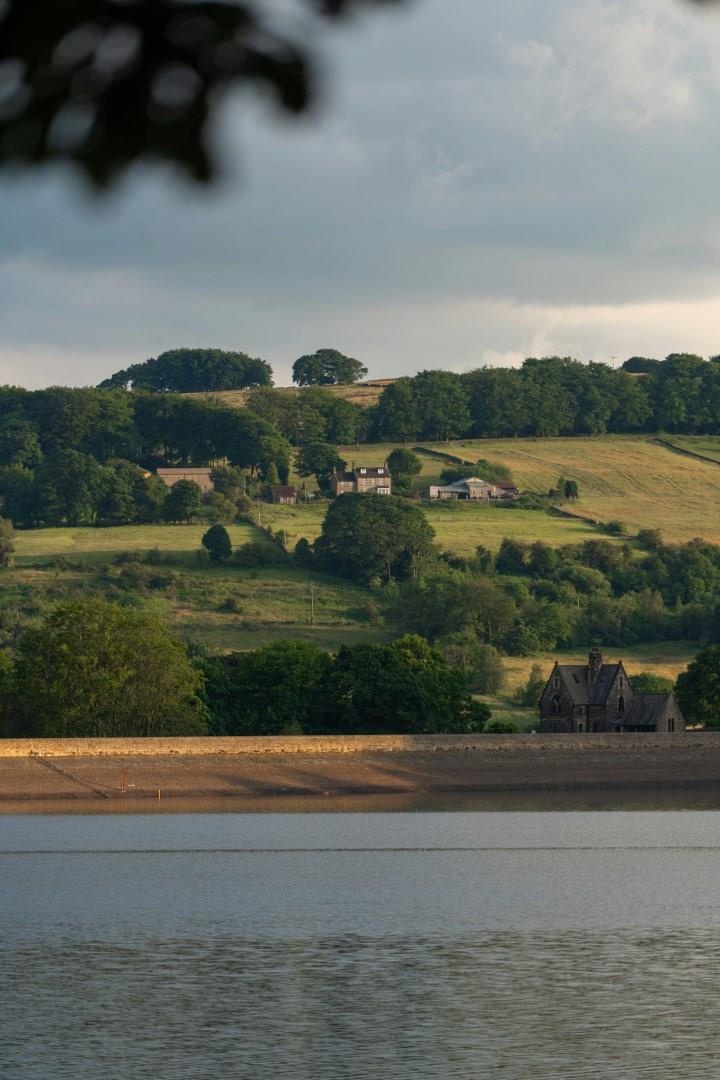
Sheffield, once the global heart of the steel industry, has evolved into a city where industrial heritage meets green landscapes and a growing creative scene. Known historically for innovations like stainless steel, Sheffield still celebrates its roots at sites like the Kelham Island Museum, where restored machinery and interactive exhibits tell the story of the city’s engineering legacy.
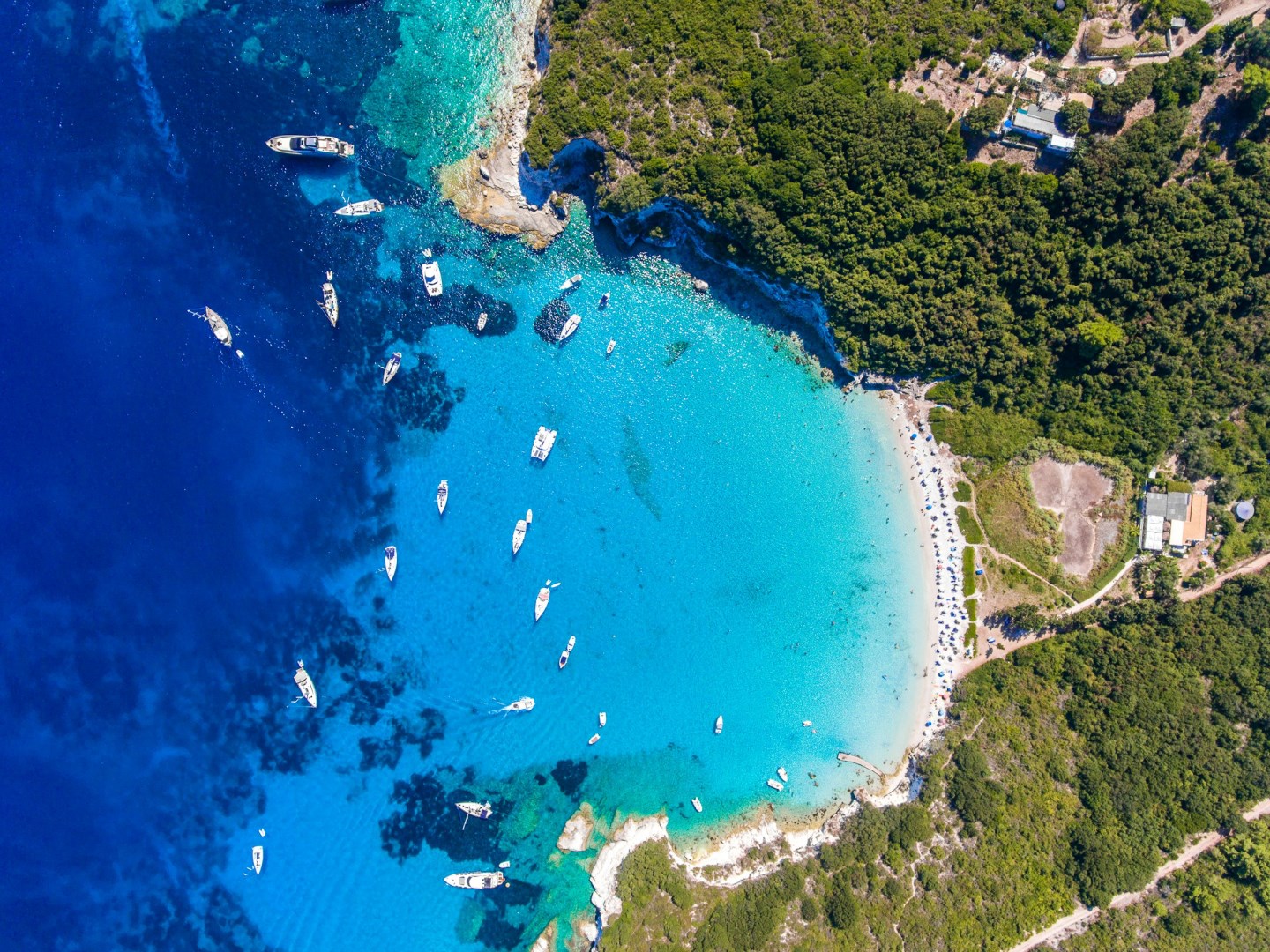
Antipaxos
Antipaxos is a small Ionian island southeast of Paxos, separated from its larger neighbor by a short boat journey from Gaios. Covering roughly 4.5 square kilometers, it has a gently rolling landscape of vineyards, olive groves, pine trees, and low Mediterranean vegetation. The island has no large settlement and is known mainly for its beaches, particularly Voutoumi and Vrika, where white sand or pale pebbles meet clear blue-green water.
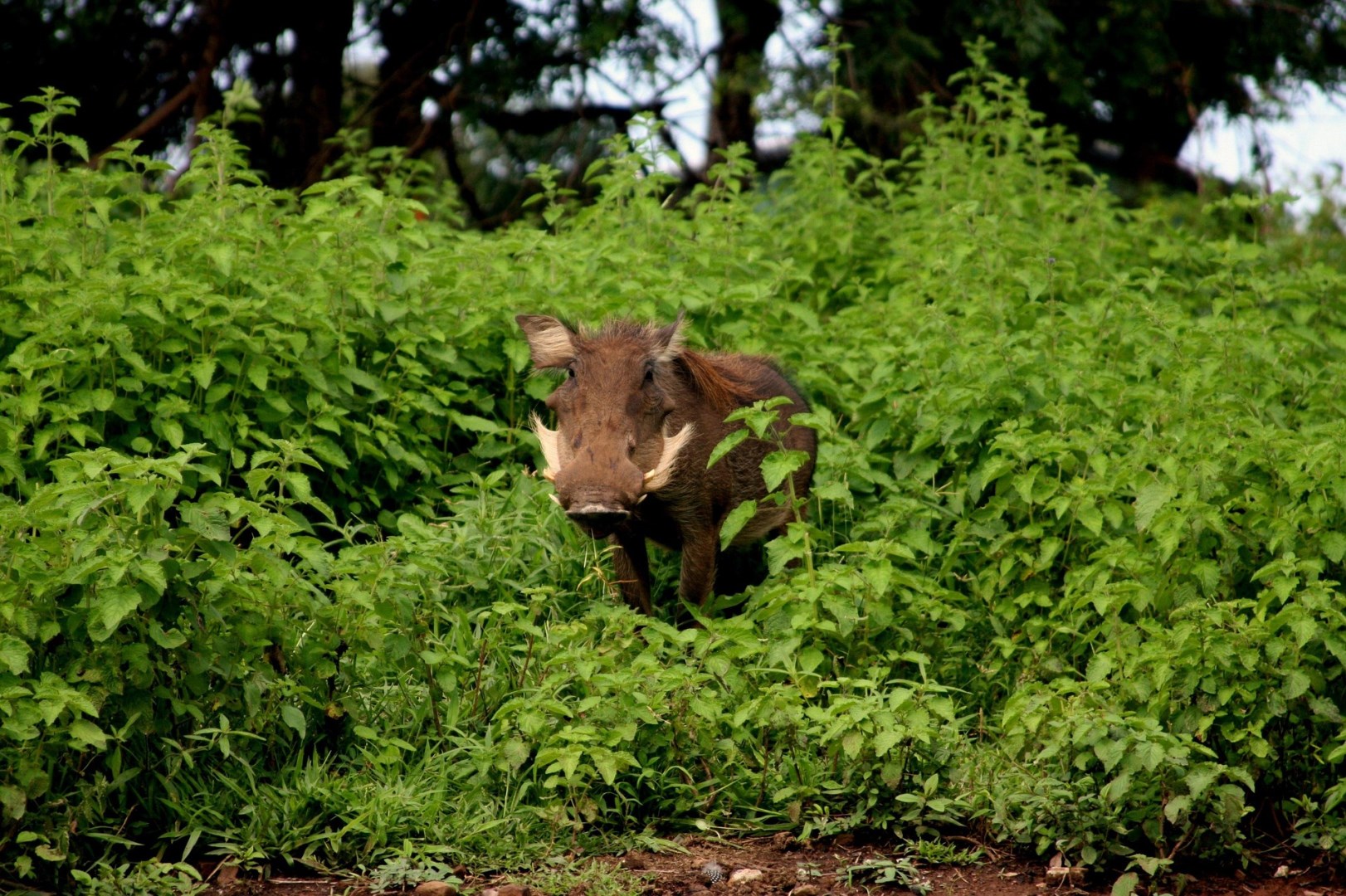
Mole National Park
Mole National Park is Ghana’s largest protected terrestrial area, covering a broad landscape of savanna woodland and grassland in the country’s northern region. The park lies near Larabanga and stretches across gently rolling terrain marked by seasonal streams, rocky outcrops, and wooded valleys. Its open habitats provide a clear contrast with the tropical forests of southern Ghana.

Kobe
Kobe, Japan is a beautiful port city renowned for its historic shrines, botanical gardens, hot springs, and marbled Kobe beef. Highlights of this Japanese retreat include Ikuta Shrine, thought to be one of Japan's oldest Shinto shrines, Kobe Nunobiki Herb Botanical Gardens, Mount Rokkō, and Arima Onsen, a popular hot springs resort surrounded by Japanese maple trees.