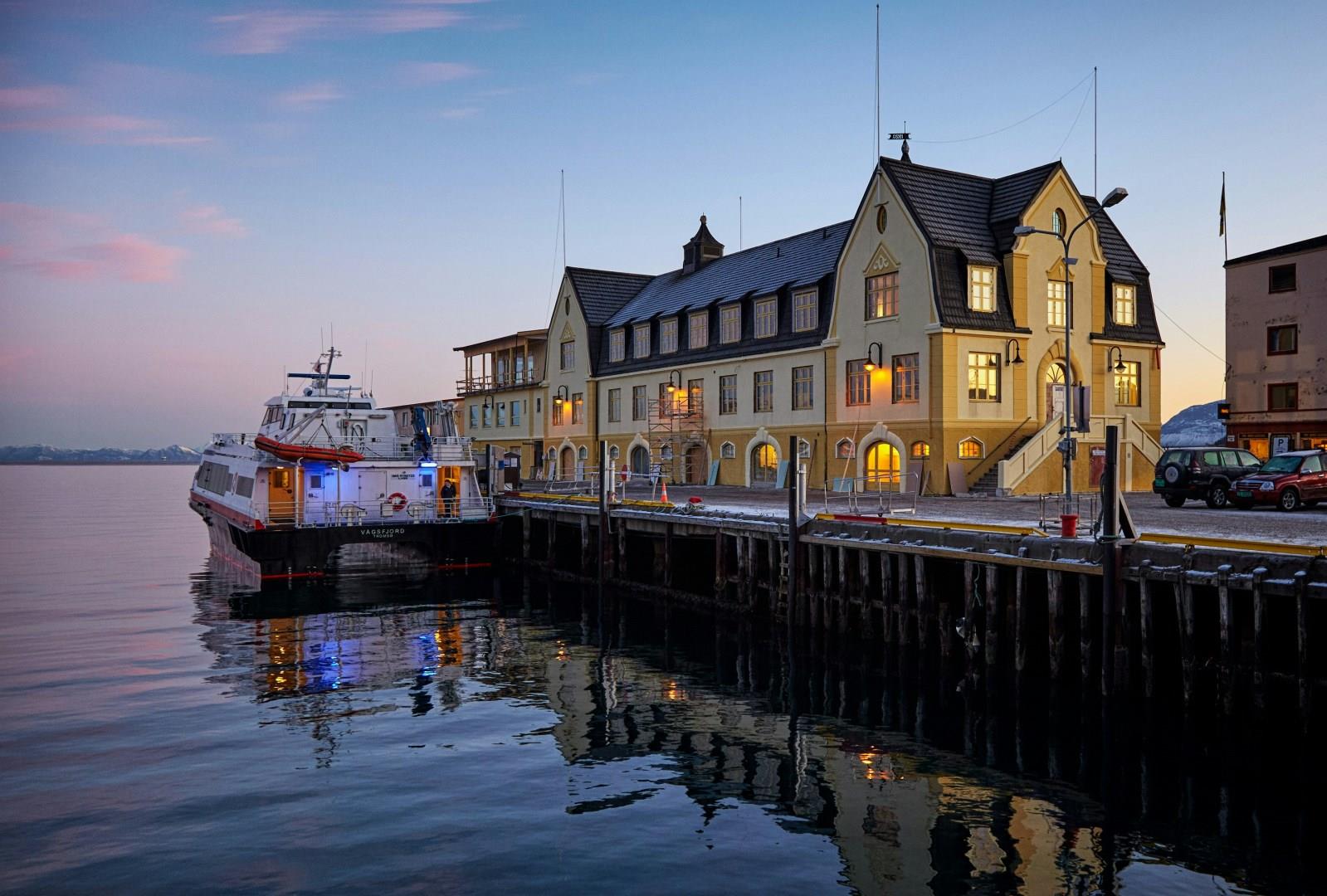
Nestled on the shores of Skjalfandi Bay in northern Iceland, Husavik offers visitors the unique chance to witness humpback whales, minke whales, and even the occasional blue whale in their natural habitat.
Kananaskis, located in the foothills and front ranges of the Canadian Rockies in Alberta, is a vast region celebrated for its rugged mountains, alpine lakes, and outdoor recreation opportunities. Unlike nearby Banff or Jasper, Kananaskis is less developed and offers a quieter, more wilderness-focused experience while still being easily accessible from Calgary.
The Costa Brava coastal region, in northeastern Spain, offers excellent beaches and a typical Mediterranean climate, making it an enticing holiday destination. While parts of the Costa Brava coastline have been exploited by large-scale tourist developments, other areas have retained their traditional roots.
Wadi Rum, often called the “Valley of the Moon,” is a desert landscape in southern Jordan renowned for its dramatic sandstone mountains, sweeping red sand dunes, and ancient history carved into the rock. Its vast, otherworldly scenery has made it both a UNESCO World Heritage Site and a backdrop for films set on distant planets.
Sirmione, a picturesque town on the southern shore of Lake Garda, Italy, offers a unique blend of natural beauty and historical intrigue. Known for its stunning peninsula that juts into the lake, Sirmione is celebrated for its charming medieval streets and spectacular lakeside views. At the heart of the town stands the Scaliger Castle, a 13th-century fortress surrounded by moats and offering panoramic views of Lake Garda and the surrounding landscape.
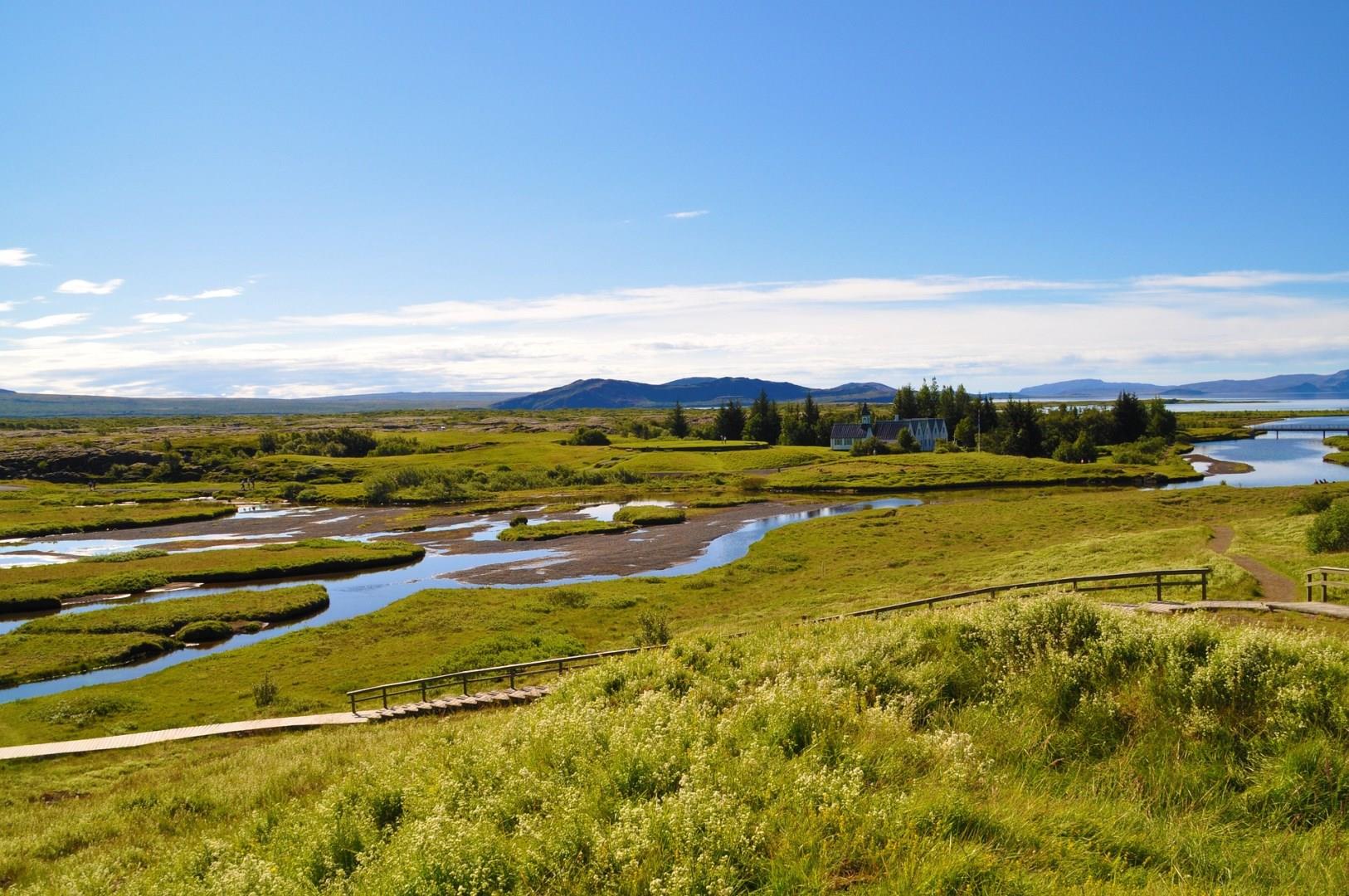
Thingvellir, a captivating site in Iceland, seamlessly combines natural beauty and historical significance. Located in the Thingvellir National Park, this UNESCO World Heritage Site is a geological wonder where the North American and Eurasian tectonic plates meet. The dramatic landscape features rift valleys and stunning volcanic formations, making it a paradise for hikers and nature enthusiasts. The park is also home to Þingvallavatn, Iceland’s largest natural lake, which offers serene views and opportunities for fishing and kayaking.
Historically, Thingvellir holds great importance as the site of Iceland's first parliament, the Althing, established in 930 AD. This ancient assembly was a significant center for Icelandic democracy and lawmaking, where chieftains gathered annually to settle disputes and create laws. Visitors can explore the ruins of the original site and learn about Iceland’s early governance at the Thingvellir Visitor Centre.
A visit to Thingvellir offers a unique blend of natural splendor and historical intrigue. The park is part of the Golden Circle route, which includes other iconic Icelandic sites such as Geysir and Gullfoss waterfall. In addition to its historical and geological attractions, Thingvellir is a prime location for viewing the Northern Lights during winter months. The park’s low light pollution and expansive views make it an ideal spot for this breathtaking natural phenomenon.
Fun fact: Thingvellir is one of the few places in the world where you can literally walk between two tectonic plates. The Silfra fissure within the park offers a unique snorkeling experience where you can swim between these two plates, immersing yourself in crystal-clear glacial water.