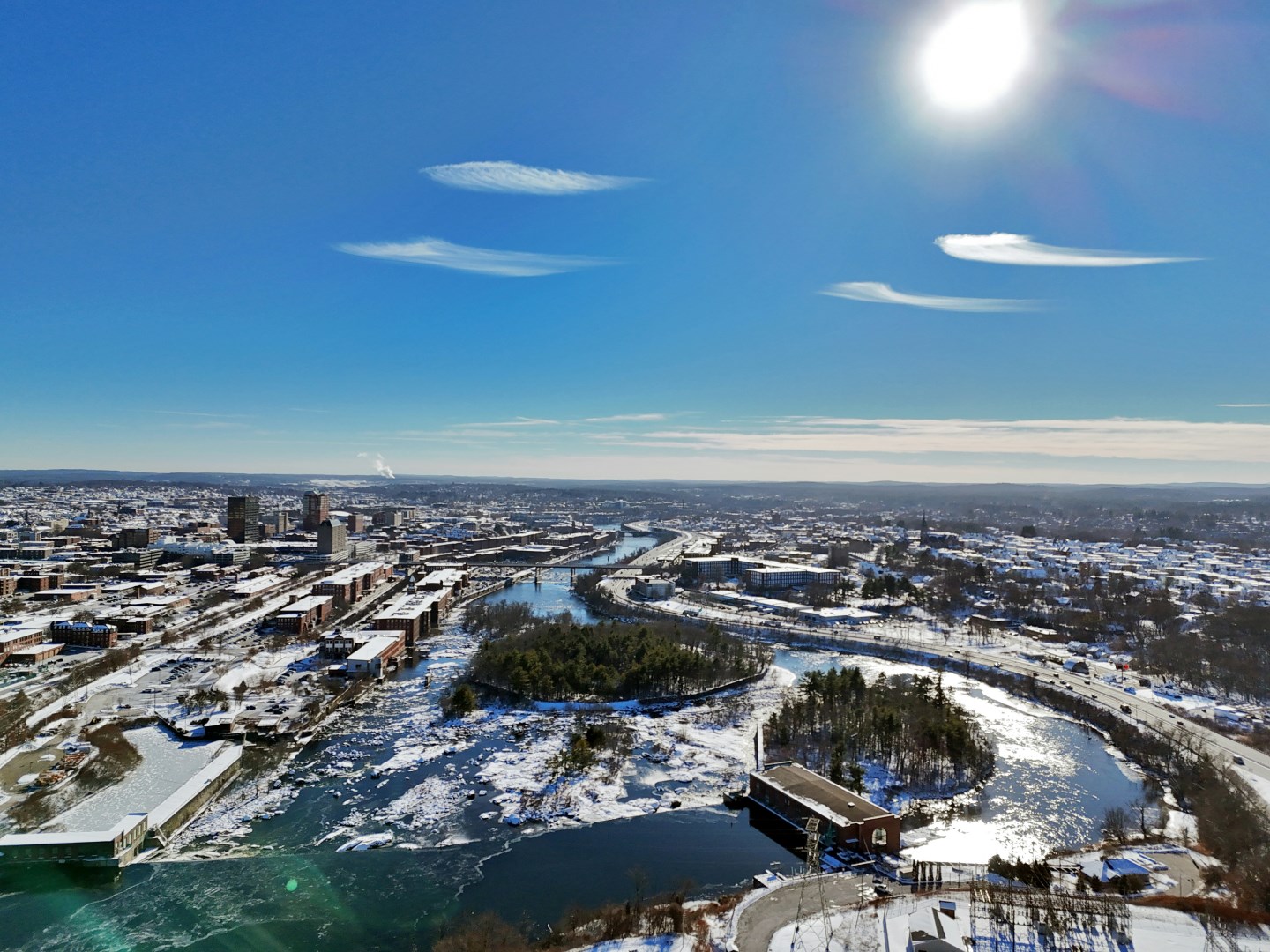
Manchester, New Hampshire, is a city where history and modern life intersect along the banks of the Merrimack River. Once a hub for textile mills, the city’s industrial roots are still visible in renovated brick buildings and restored warehouses that now house shops, offices, and restaurants. The riverfront provides scenic walks and public spaces that highlight both the city’s industrial past and its present-day urban life.
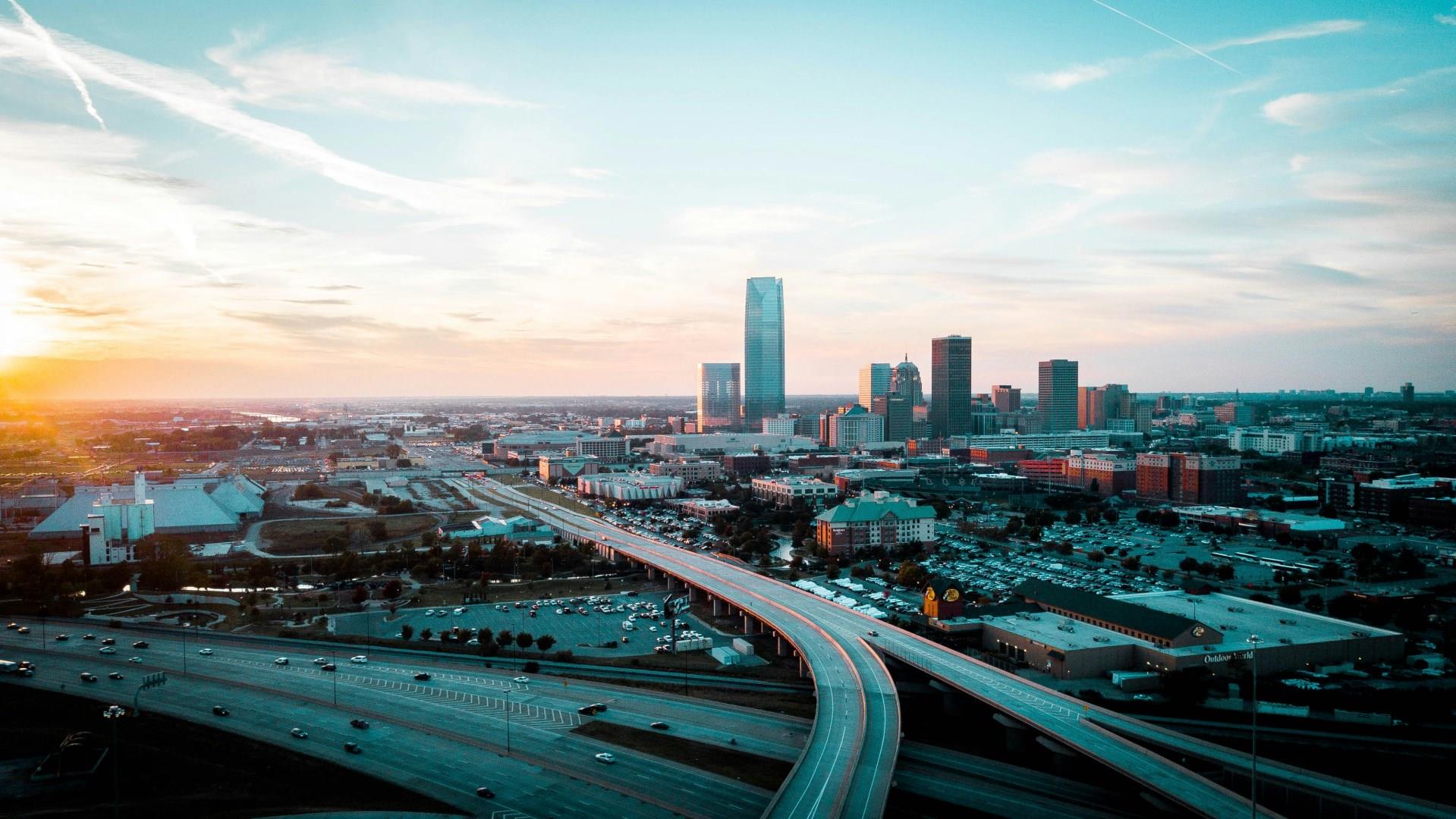
Oklahoma City stands at the crossroads of Western tradition and modern energy. It’s a place where cowboy boots walk into sleek coffee shops, and horse shows take place just a few miles from contemporary art galleries. A good starting point is the National Cowboy & Western Heritage Museum, home to one of the largest collections of Western art and artifacts in the world.
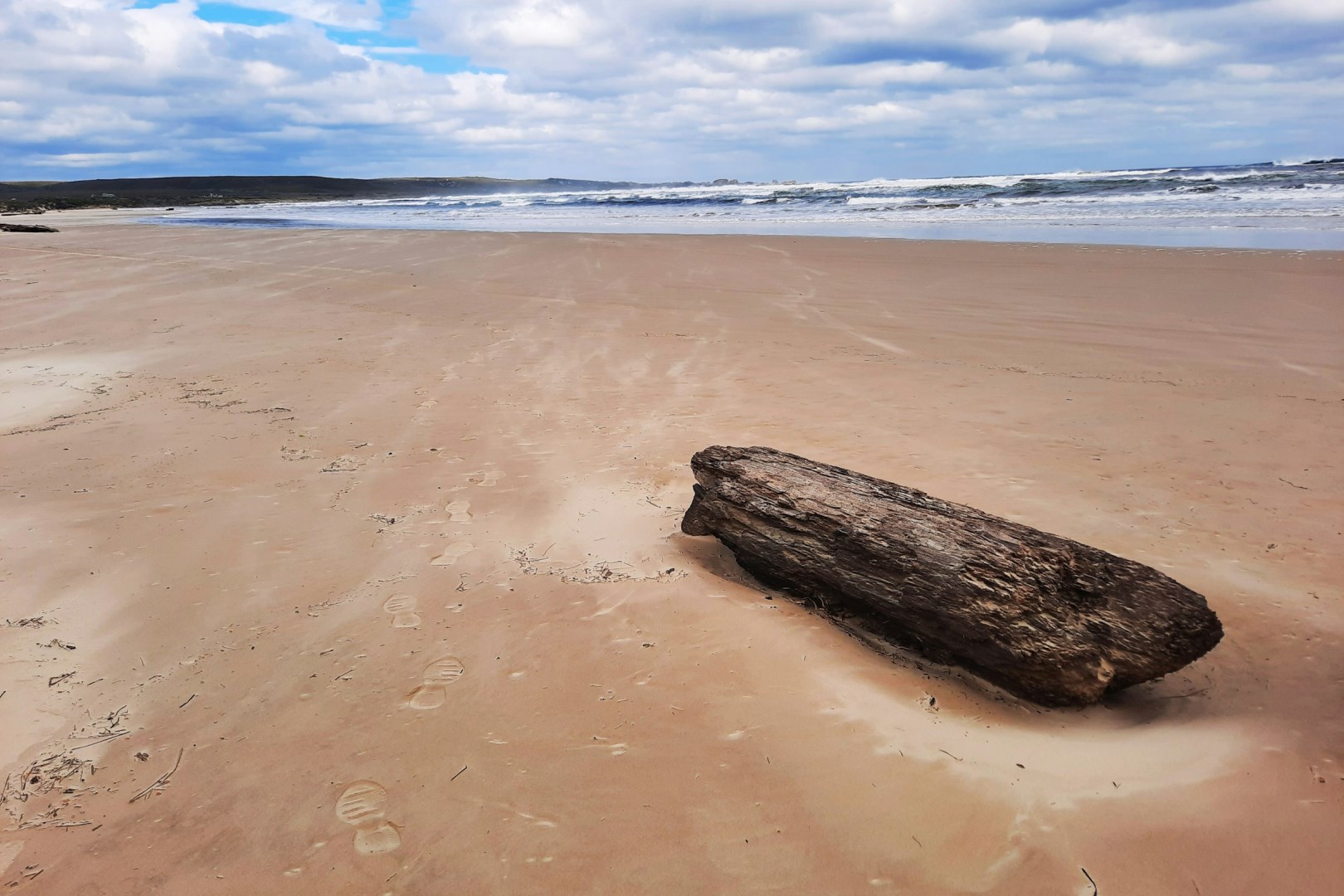
Corinna is a small, remote settlement on Tasmania’s west coast, set beside the dark waters of the Pieman River at the southern edge of takayna / Tarkine. Once a gold-mining settlement, it is now centred on a wilderness village surrounded by cool-temperate rainforest, rivers, and rugged country. Corinna has no mobile phone coverage and very limited supplies, giving it a distinctly secluded character.
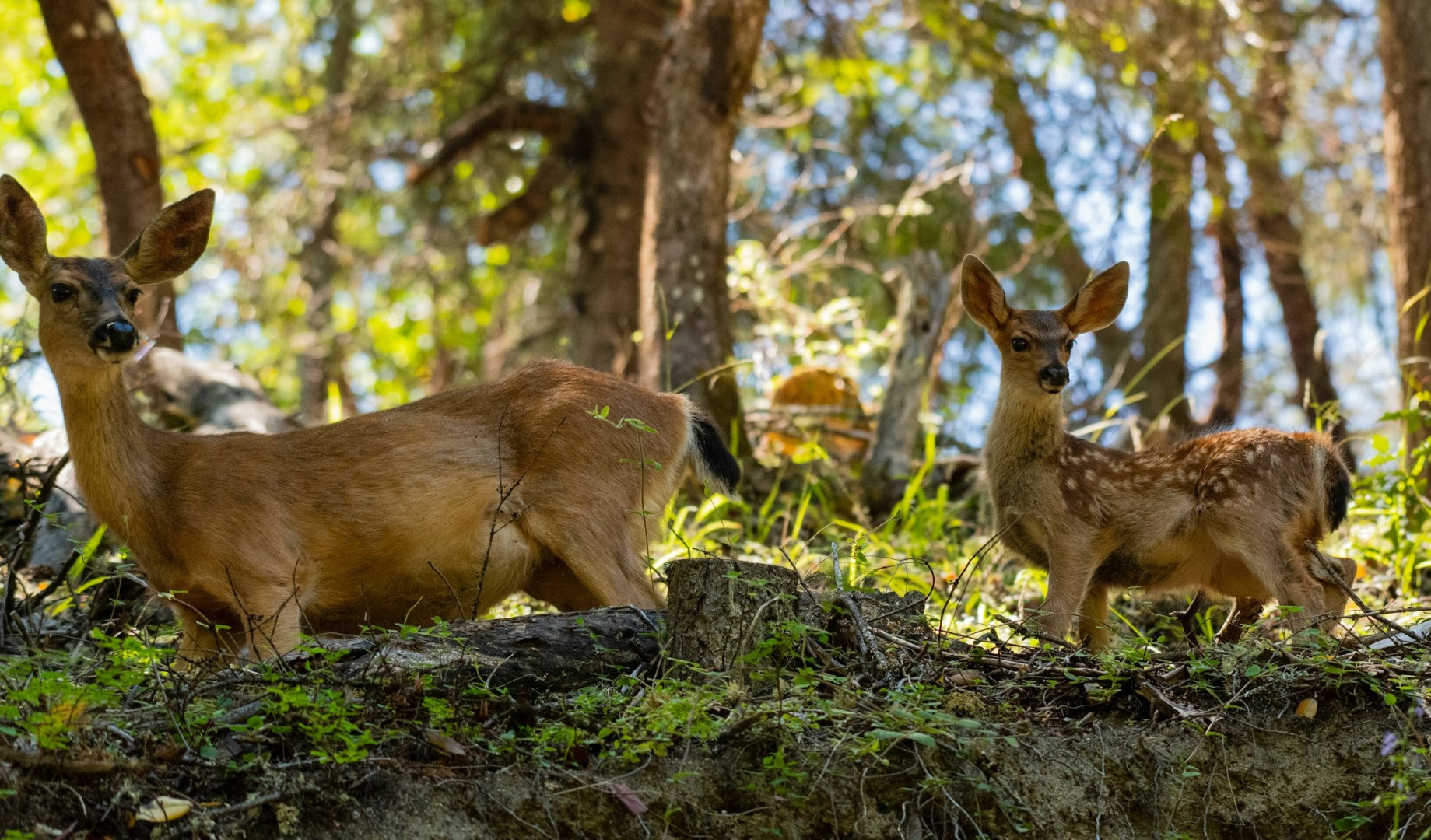
Ashland is a small city in southern Oregon, set in the foothills of the Siskiyou Mountains near the California border. The community is known for its tree-lined streets, historic downtown, Lithia Park, and access to surrounding mountain landscapes. Ashland’s compact center contains independent shops, restaurants, galleries, and historic buildings, while Ashland Creek runs through the city and into the park.
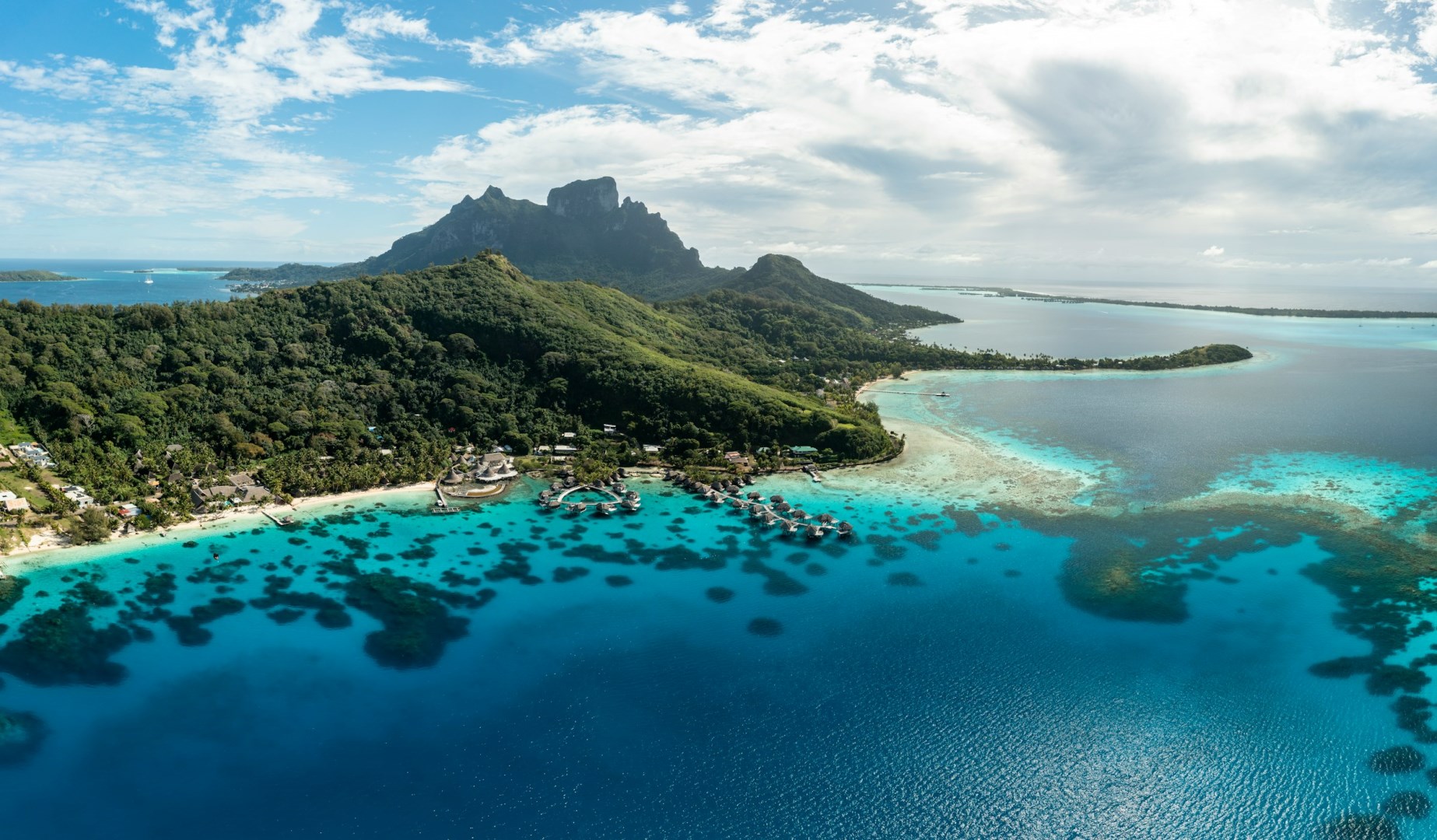
Bora Bora, often referred to as the "Jewel of the South Seas," is the epitome of tropical luxury. Nestled in the Society Islands of French Polynesia, this idyllic island is famed for its stunning turquoise lagoon, ringed by a barrier reef and dotted with overwater bungalows.
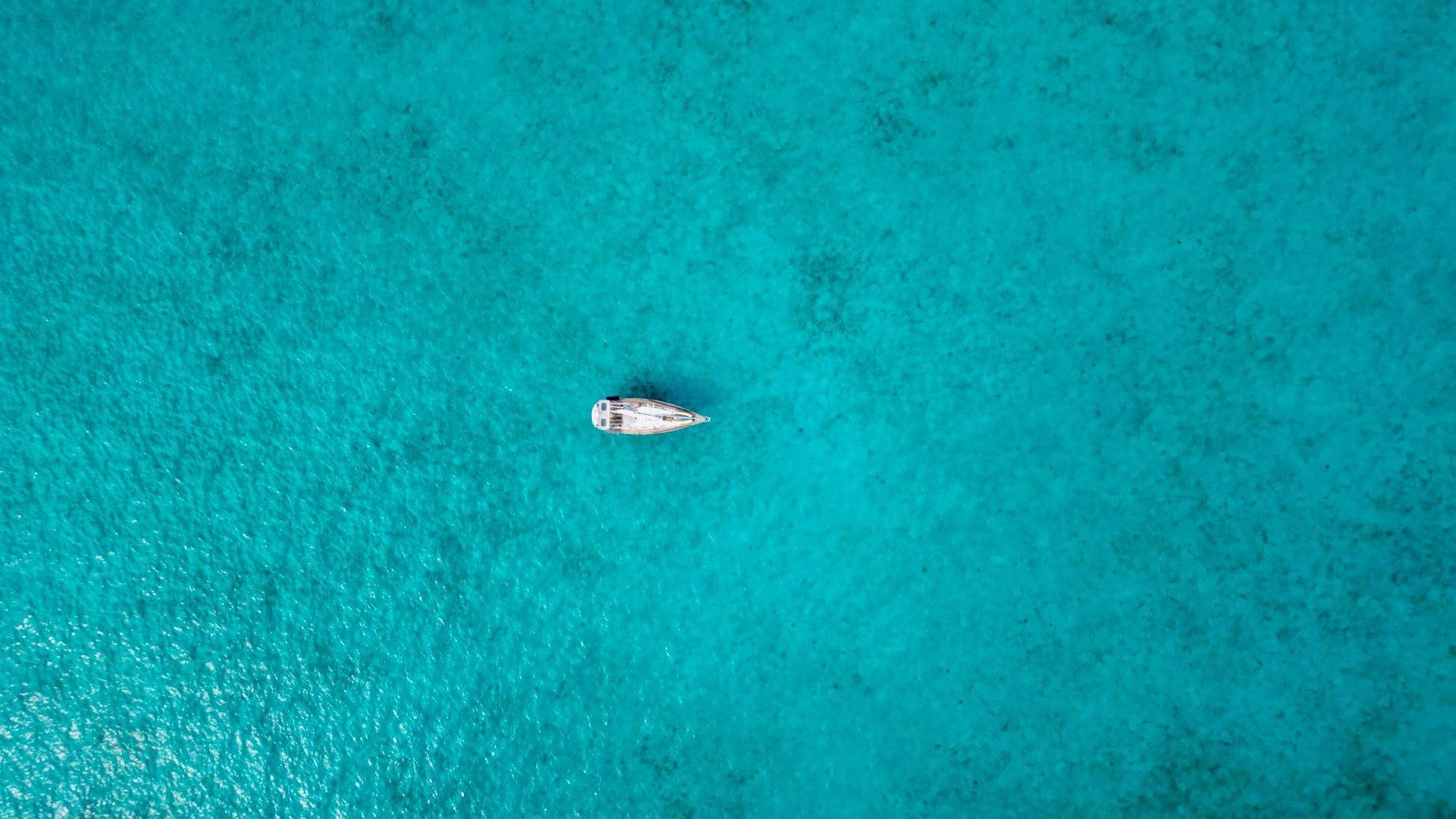
One of the "Out Islands" of the Bahamas, Long Island lies at the eastern reaches of the more than 700 islands and cays that make up thisspectacular archipelago. Located on the Tropic of Cancer, approximately 160 miles southeast of Nassau (a one hour flight), it covers nearly 230 square miles and is 70 miles long by five miles at its widest point.
Christopher Columbus saw this long island as he headed west in Oct., 1492. In his log he described 150-foot high cliffs, waves crashingon isolated beaches, and miles of uninterrupted green foliage fillingthe air with "the scent of flowers and trees, delicious and sweet...the most delightful thing in the world". Long Island remains remarkably unchanged today. The geography of its east and west coast is strikingly different; hills and coral cliffs mark the former, whileshallow bays and miles of white sand beach grace the latter.
There is plenty to see and do in this paradise. Historic churches and romantic ruins, ancient caves and virgin beaches abound. It's a place to laze, to play, to explore. Long Island maintains a unique character other Out Islands have lost to the rising tide of tourism-related development. Its peaceful easy way of life and crime-free status ensure a worry-free holiday.
Other Popular Destinations in Bahamas
Nassau
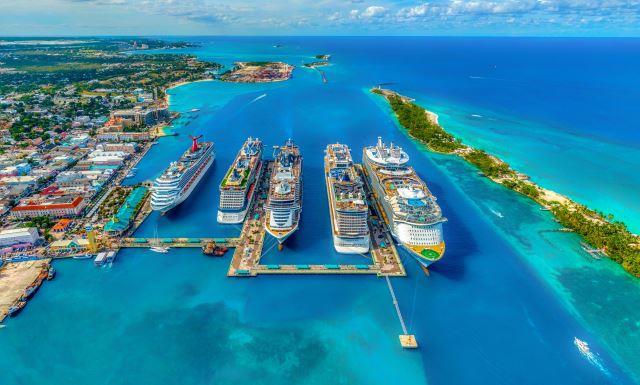
Beloved by cruise-goers, Nassau is a stunning Bahamian paradise and an essential destination on many Caribbean cruises. With so much to experience and explore, charming Nassau will easily enchant you on your adventure to the Bahamas! Hit one of Nassau’s many beaches, including Montagu Beach, Goodman’s Bay, and Cable Beach, to soak up some sunshine and relax in warm sands. Take a plunge in the ocean to snorkel or swim with dolphins, sharks, and sting rays.
Bimini Islands
The Bimini Islands, the westernmost point of the Bahamas, are a tiny chain of islands steeped in history, legend, and natural wonder. Bimini has long been celebrated as the “Gateway to the Bahamas,” blending fishing traditions, maritime lore, and a laid-back island culture.