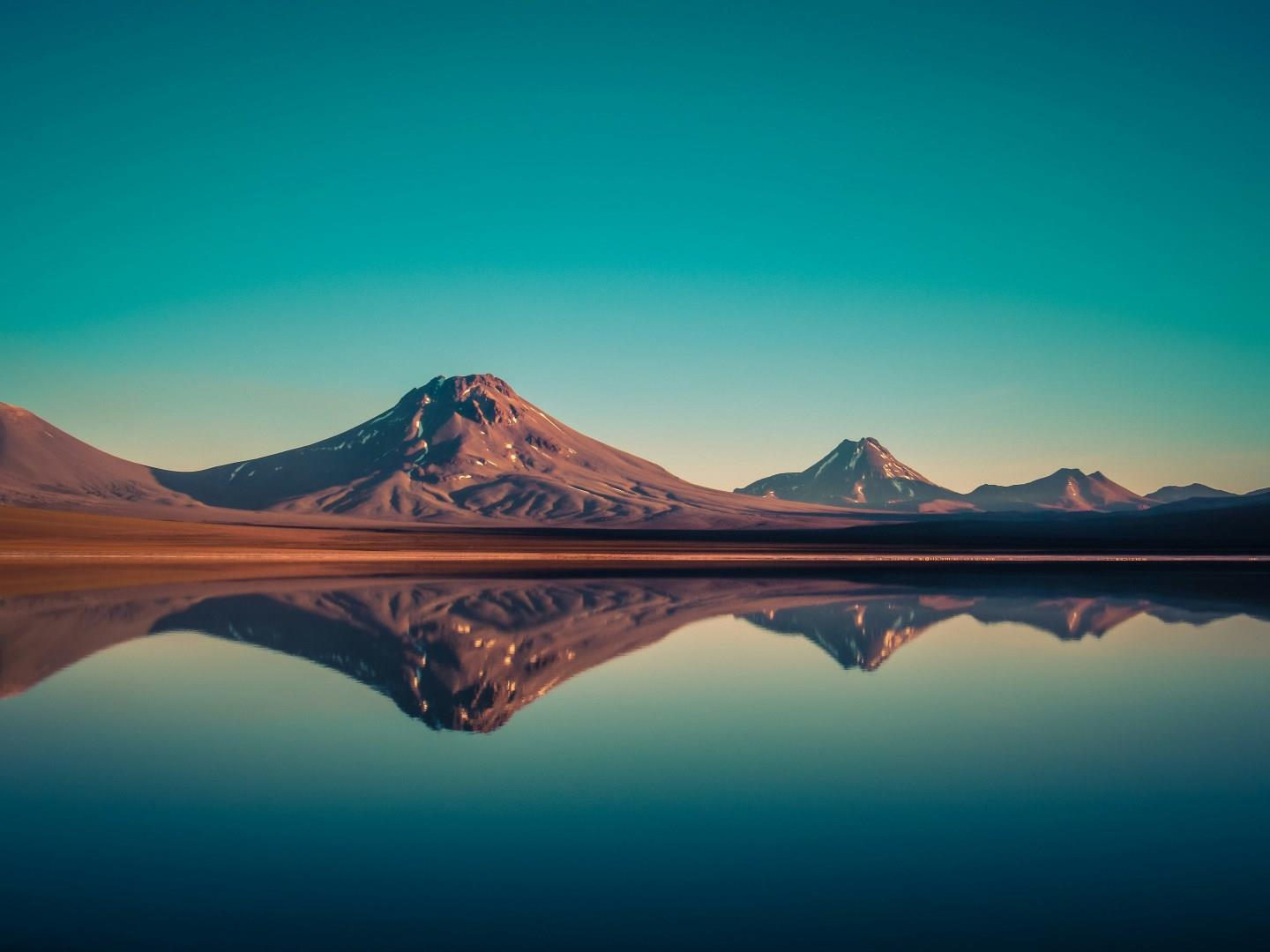
San Pedro De Atacama
San Pedro de Atacama, a small town in northern Chile, sits at over 2,400 meters above sea level in one of the most geologically diverse areas on Earth. Surrounded by volcanoes, salt flats, geysers, and ancient lava flows, it has long served as a gateway to the Atacama Desert. This desert is the driest non-polar place in the world, where some weather stations have never recorded rainfall.
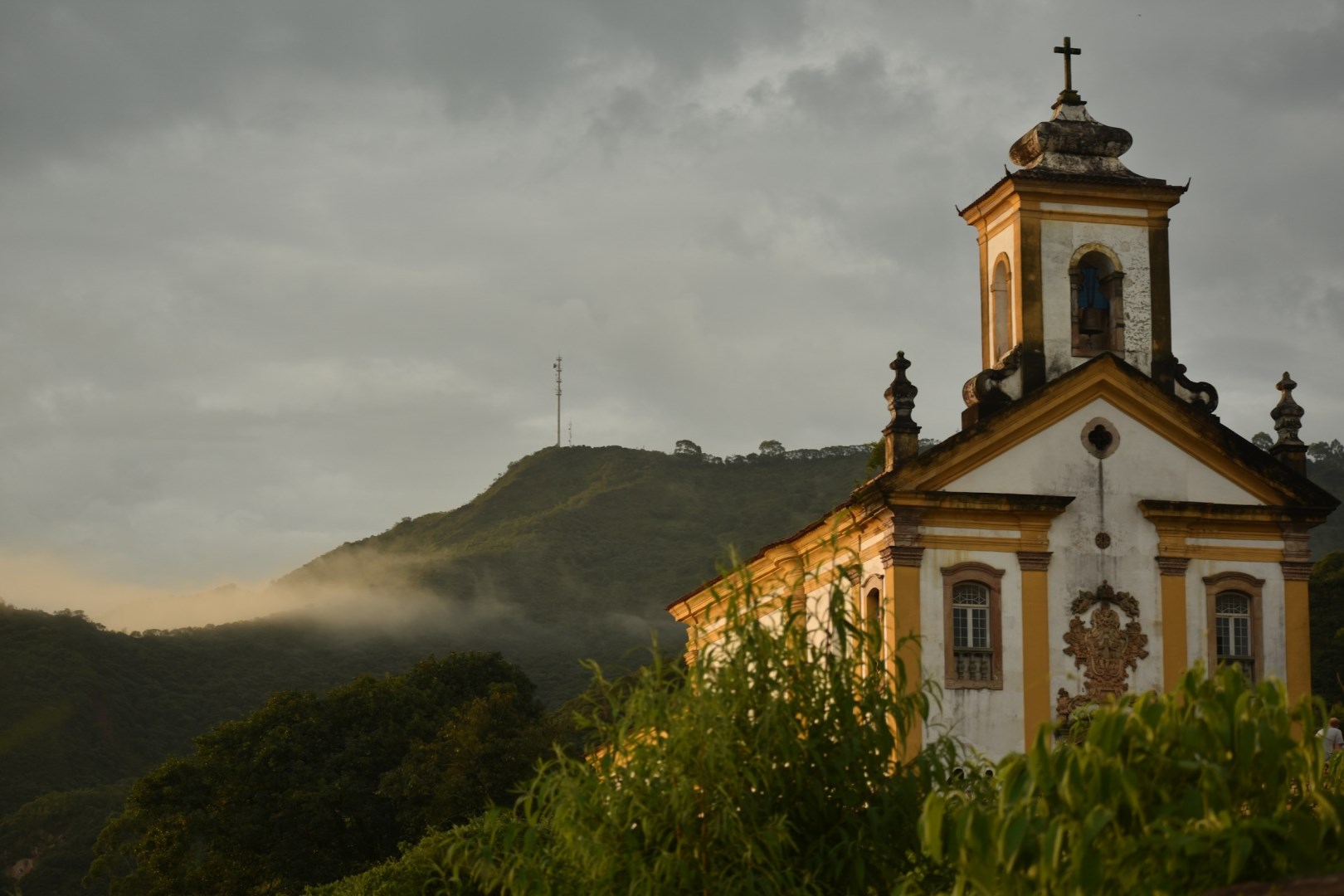
Ouro Preto
In Ouro Preto you will learn about the history of civilization. Walking around on the streets of Ouro Preto is an adventur full of discovery! With just a little time, you can wander freely between a world of history and that of actuality, with limits outlined by colonial architecture that now houses charming inns, restaurants, museums, shops, and more.

Nelson
Nelson sits along the West Arm of Kootenay Lake in southeastern British Columbia, embraced by the rugged peaks of the Selkirk Mountains and threaded with over 350 heritage buildings that tell the story of its silver-rush beginnings. A short trip outside town leads to spots like the Salmo–Troup Rail Trail, a wide, gentle path that follows an old rail line for kilometers through forest and alongside rivers.

Dresden
Dresden, the capital of Saxony, is a city where history, culture, and beauty seamlessly intertwine. Known as the "Florence on the Elbe," Dresden boasts a stunning array of baroque and rococo architecture that captivates visitors from around the world. Dresden hosts the world's oldest Christmas market, the Striezelmarkt, dating back to 1434.
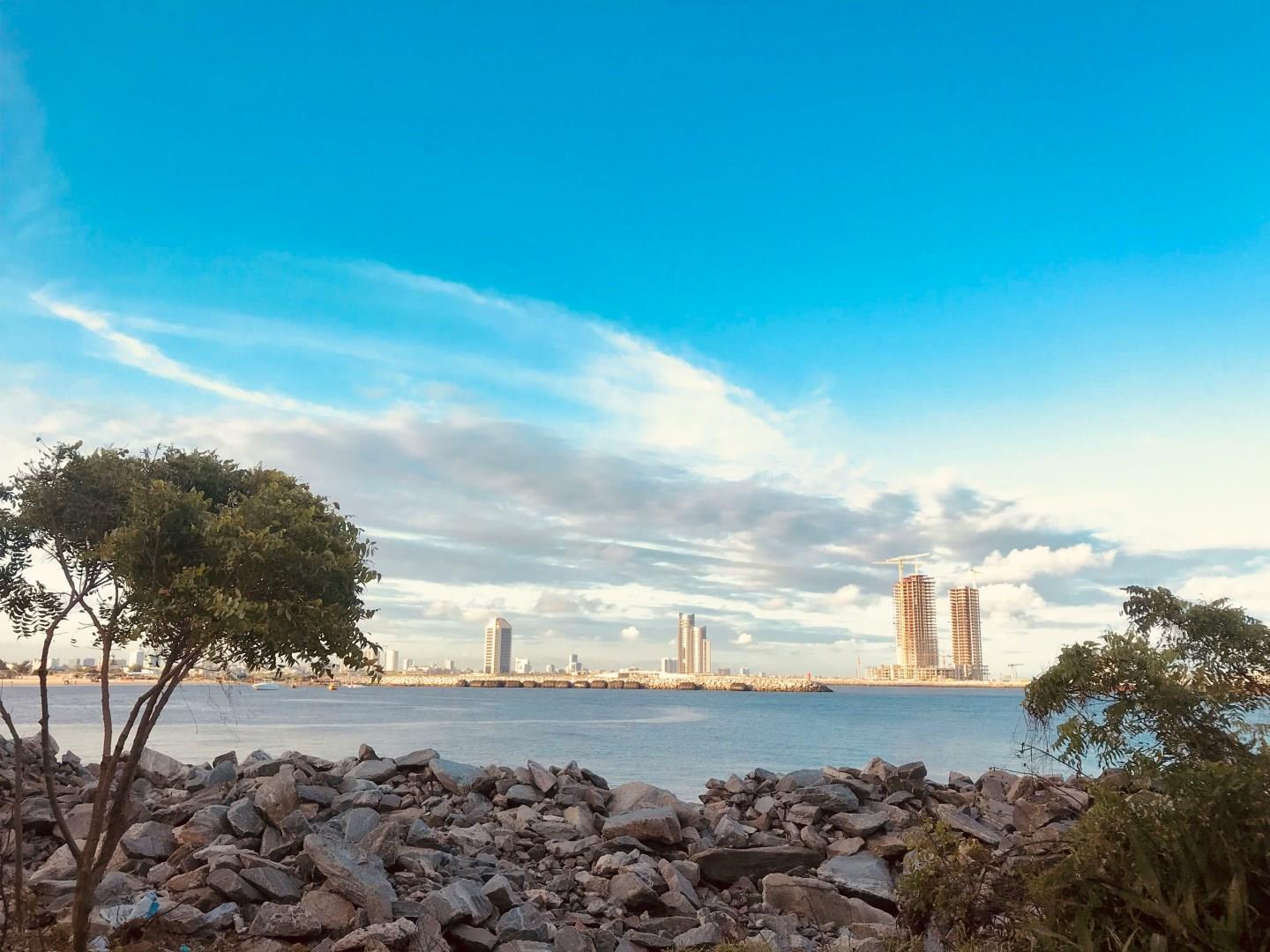
Lagos
Lagos, Nigeria’s largest city and economic hub, is located on the country’s southwestern coast along the Atlantic Ocean. It is a bustling metropolis where modern skyscrapers and commercial centers meet historic neighborhoods and lively markets.