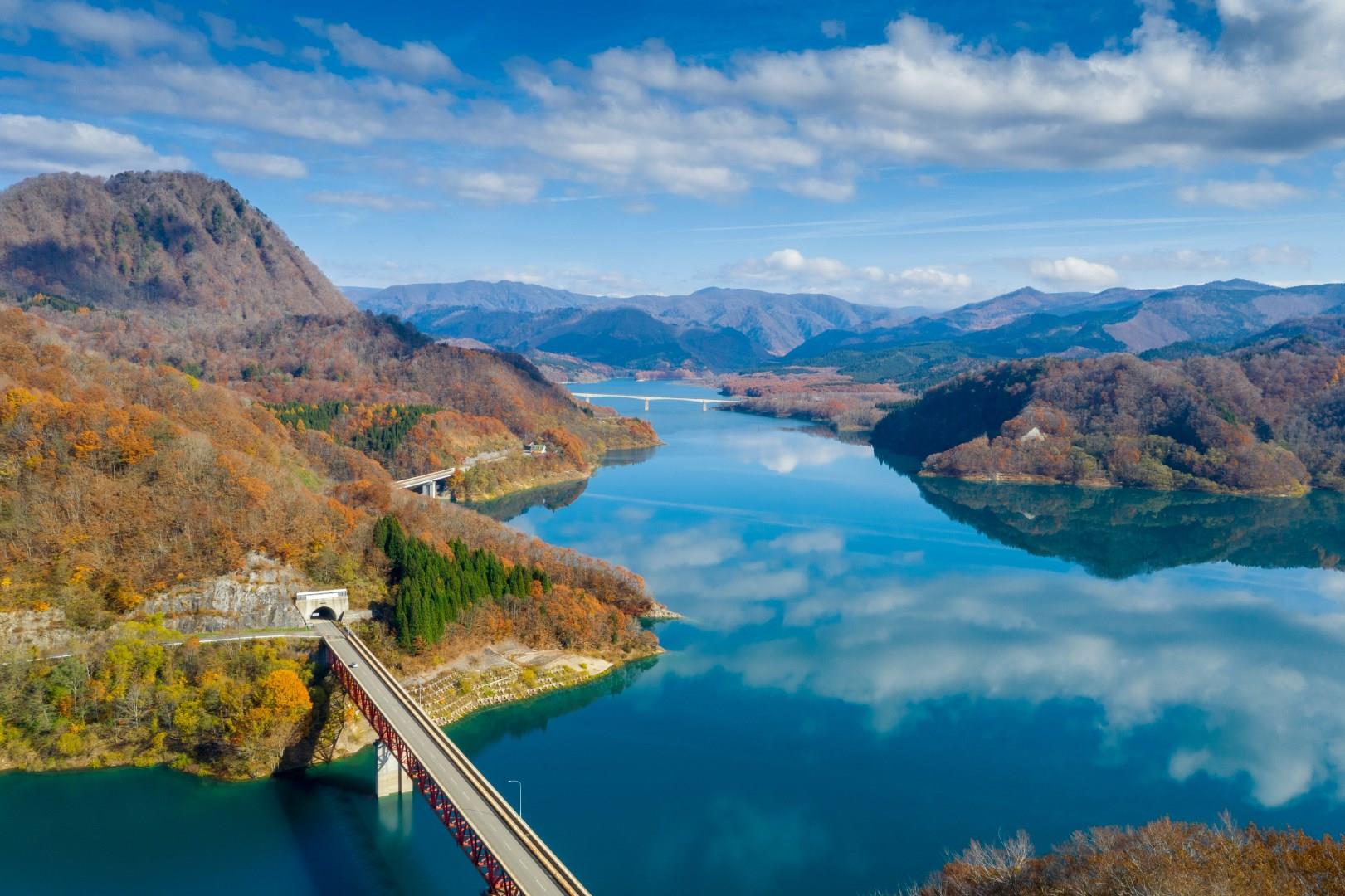
Akita sits in the northern part of Japan’s Tōhoku region and offers travelers experiences rooted in long-held traditions, lively festivals, and scenic valleys. Its capital city blends seasonal appeal with cultural offerings, from Senshu Park, once the site of Kubota Castle, where cherry blossoms and lotuses draw locals and visitors alike, to the Akita Museum of Art, a striking building designed by famed architect Tadao Ando that displays works including pieces by Tsuguharu Foujita.
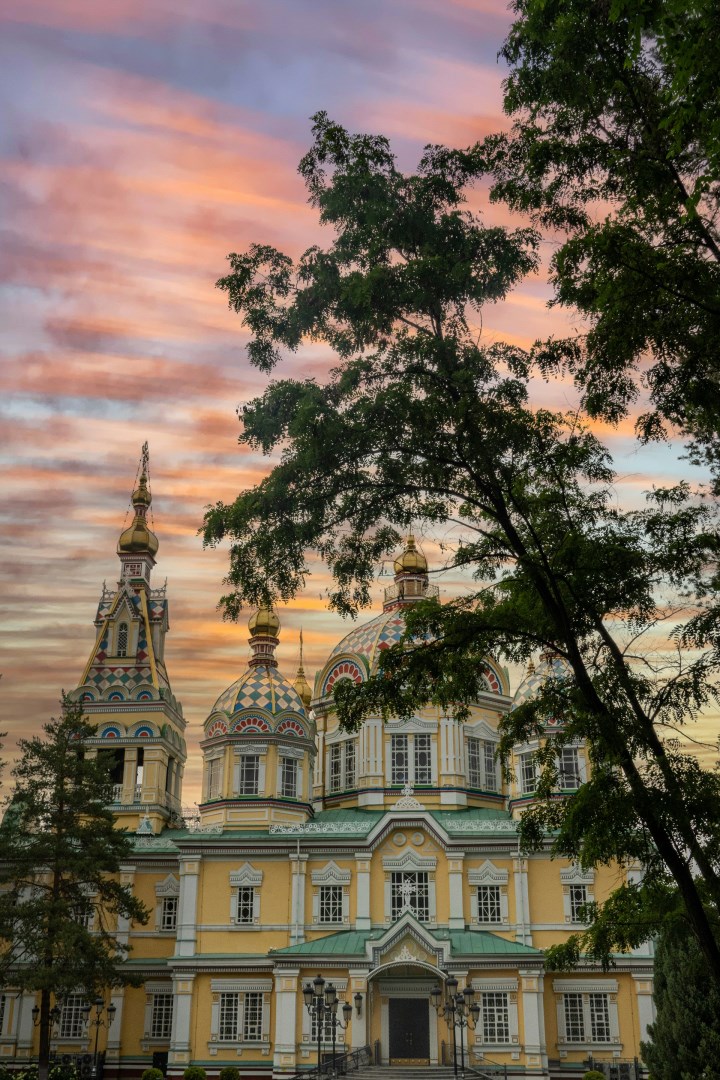
Almaty is Kazakhstan's largest city and a major cultural and economic center in the southeast of the country. It lies at the foot of the Trans-Ili Alatau, where the broad urban area gives way to forested mountain slopes and alpine terrain. Tree-lined streets, parks, historic neighborhoods, modern buildings, and mountain views define much of the cityscape. Almaty is also known for its orchards and agricultural surroundings, reflected in the city's name, which is associated with apples.
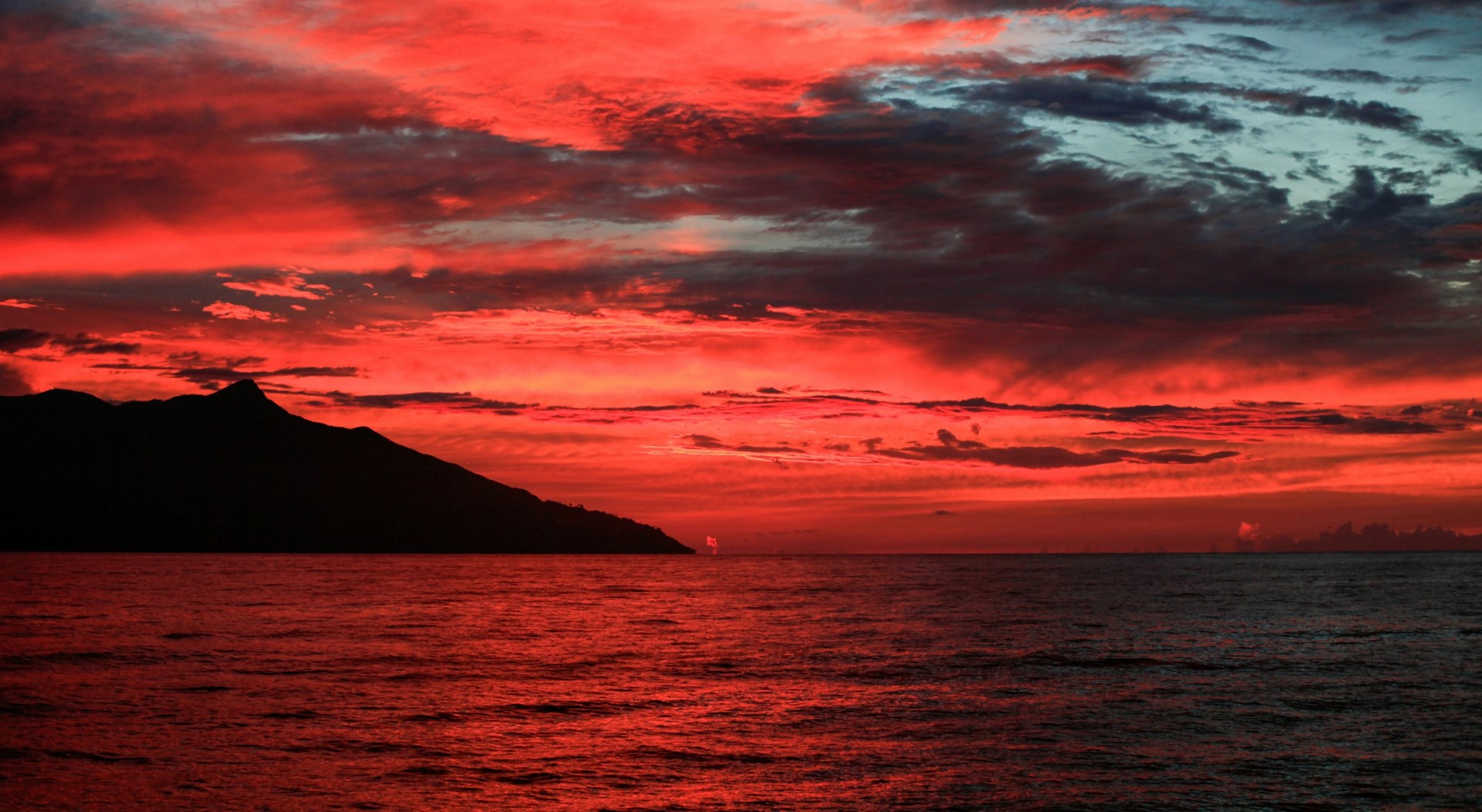
Goodenough Island is one of the D’Entrecasteaux Islands in Milne Bay Province, Papua New Guinea, lying in the Solomon Sea north of the mainland. The island has a distinctive rounded form, with steep slopes rising toward Mount Vineuo in the center and narrow coastal plains around much of its shoreline.
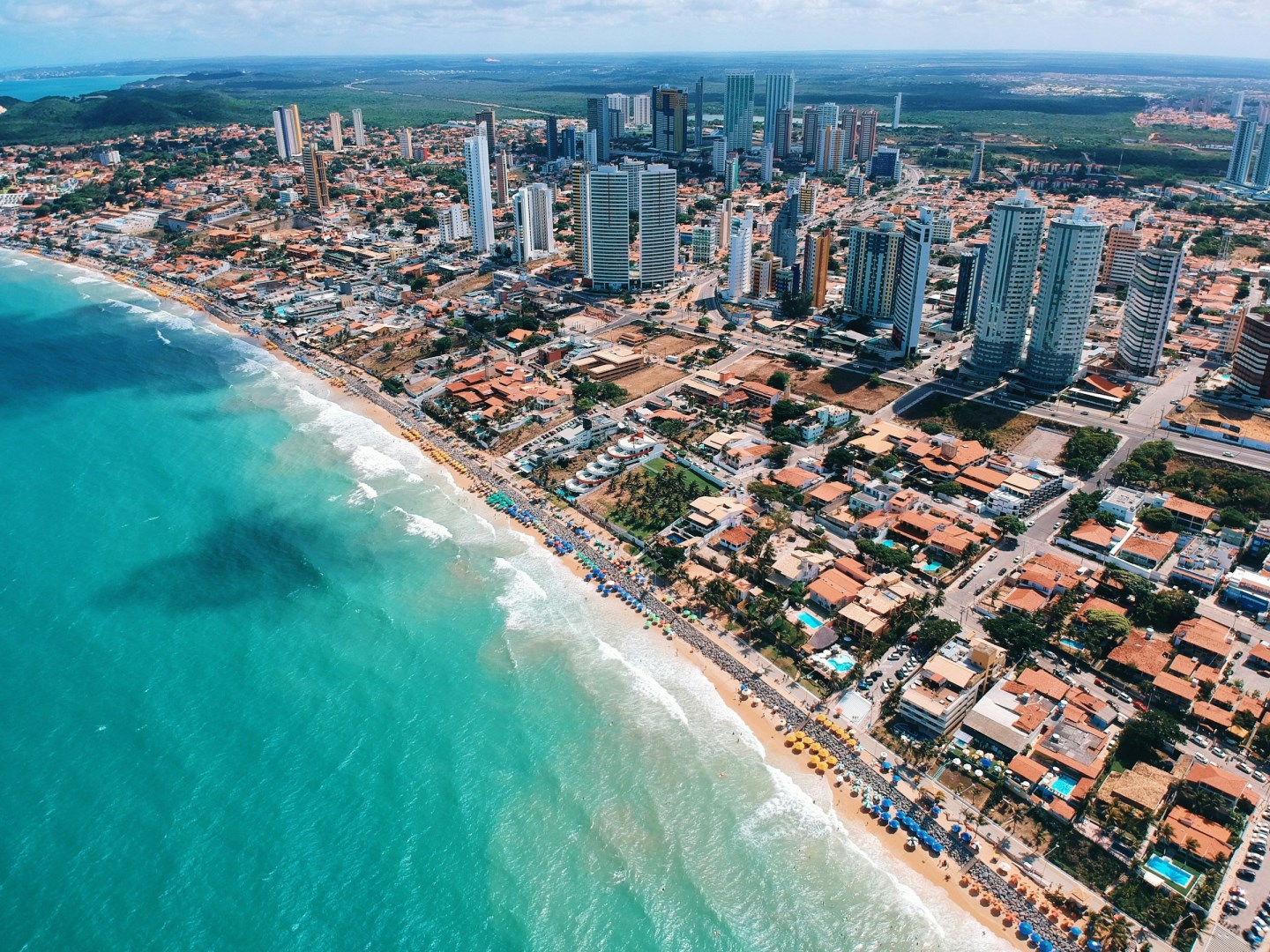
Thanks to the implementation of a coastal highway in the 1980s and the government's subsequent infrastructure investments, Natal is now the largest city in Brazil's Rio Grande do Norte. Visitors are drawn to its beautiful beaches, white sand dunes and a diverse cultural experience. The city also lays claim to having some of the cleanest air on the continent as well as the world's largest cashew tree, the Cajueiro de Pirangi, which produces roughly 70,000 nuts annually.
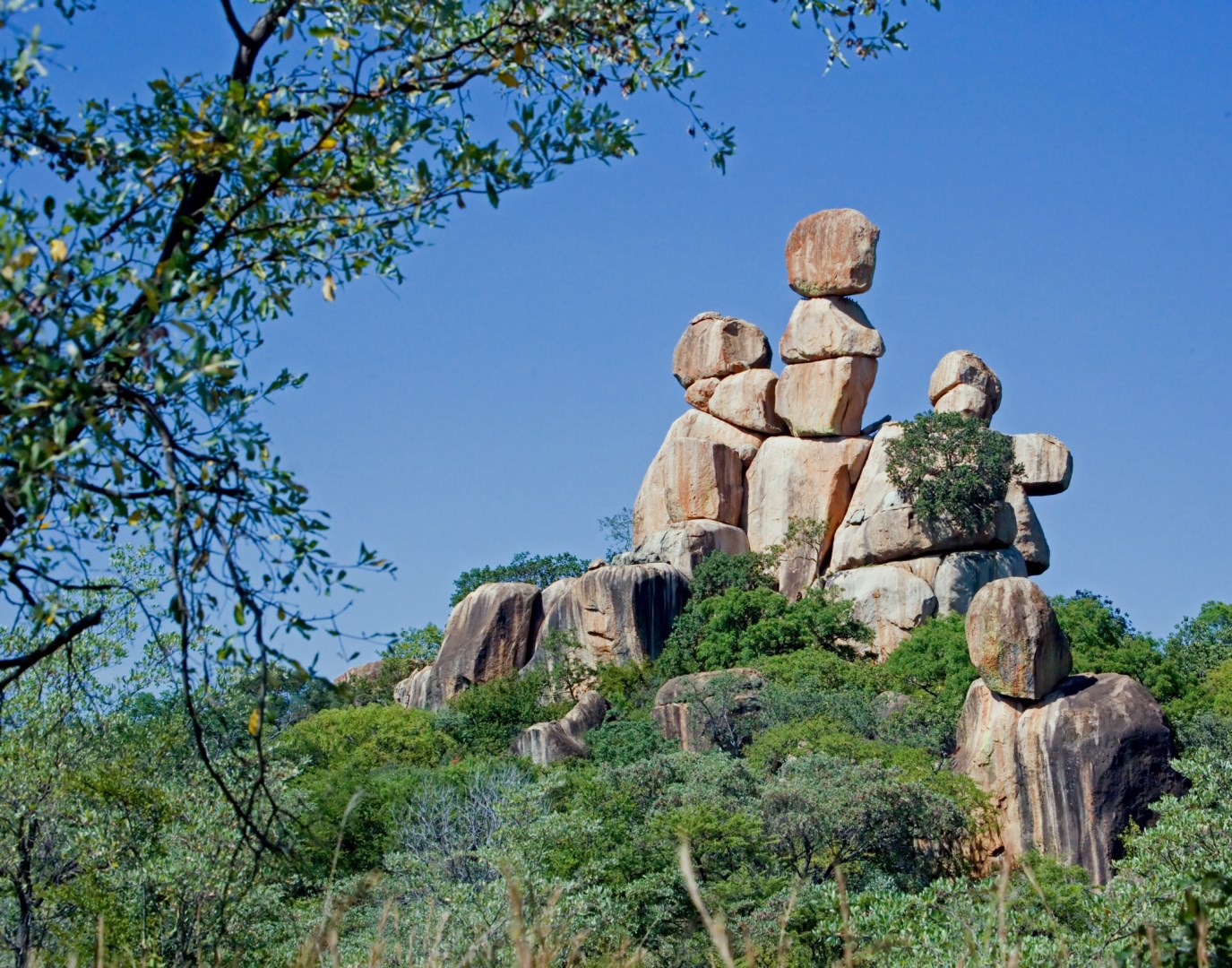
Matobo Hills is a distinctive granite landscape in southwestern Zimbabwe, about 35 kilometers south of Bulawayo. Rounded domes, balancing boulders, rocky ridges, and wooded valleys form a dense group of hills rising above the surrounding savanna. The landscape is part of a large cultural heritage area that includes Matobo National Park and neighboring communal and privately managed land.
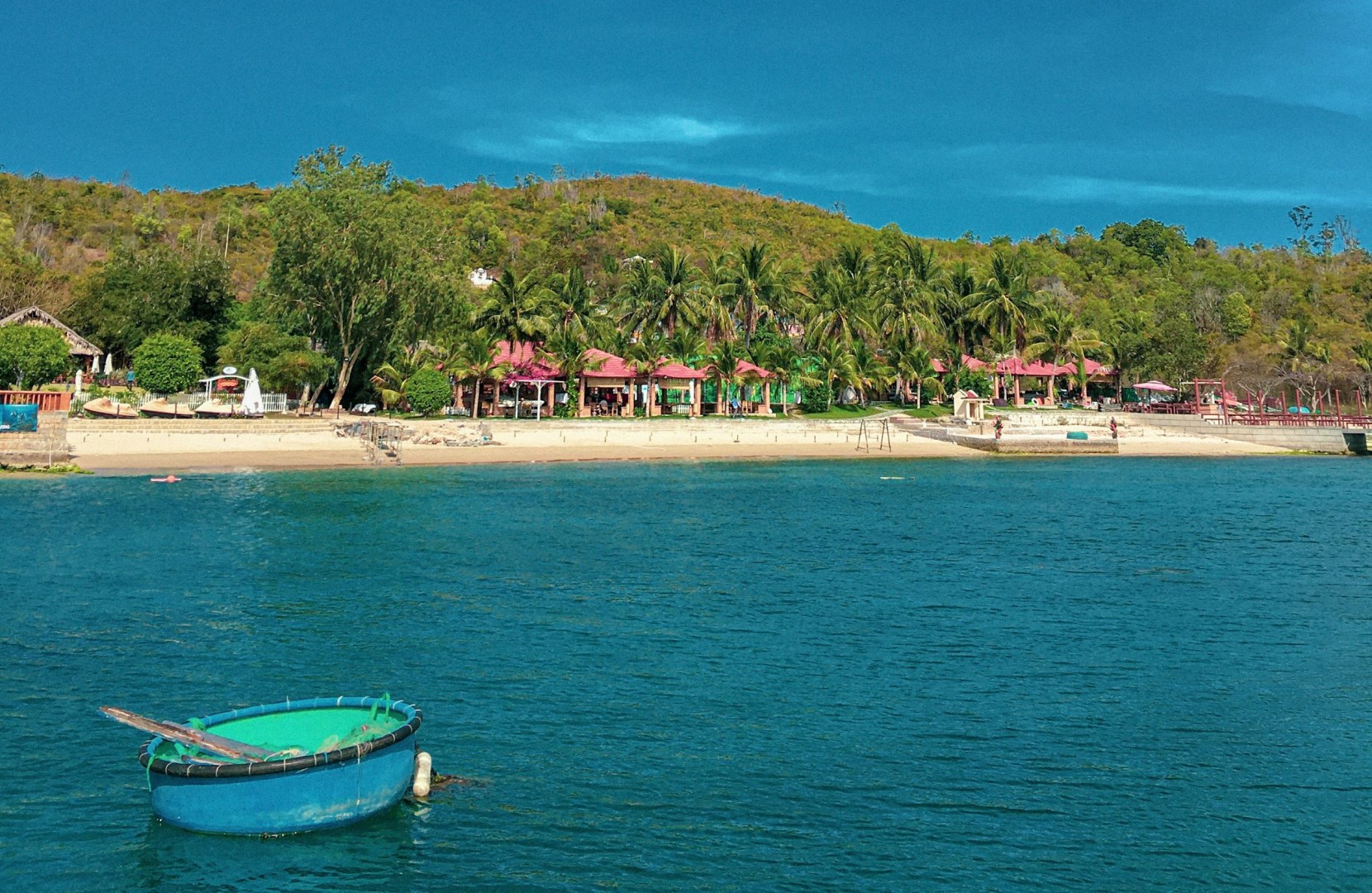
Nha Trang, located on Vietnam's southern coastline, is a vibrant city renowned for its stunning beaches and dynamic culture. This coastal paradise boasts a 6-kilometer stretch of golden sand along Nha Trang Beach, where turquoise waters meet palm-fringed shores, perfect for sunbathing and swimming. The city's warm tropical climate makes it an inviting destination year-round, with average temperatures hovering around 79°F ( 26°C).
Rich in cultural heritage, Nha Trang is home to the Po Nagar Cham Towers, an impressive complex of ancient Hindu temples dating back to the 7th century. Perched on a hill, these towers offer panoramic views and a glimpse into the region's historical significance. Another must-see is the Long Son Pagoda, renowned for its enormous white Buddha statue and serene surroundings.
For a unique aquatic experience, the nearby Hon Mun Island is a top destination for snorkeling and diving. The island’s crystal-clear waters are teeming with vibrant marine life, making it a favorite among underwater enthusiasts (Hon Mun Island). Additionally, the Vinpearl Land amusement park on an island just off the coast offers an array of attractions, including water slides, a large aquarium, and entertainment shows.
Fun Fact: Nha Trang is known for its mud baths, a unique therapeutic experience where visitors can relax in mineral-rich mud believed to have skin-rejuvenating properties. The mud baths have become a signature attraction, blending relaxation with health benefits.
Visiting Nha Trang between January and August is ideal for enjoying the warm weather and participating in various beach activities, while the quieter months of September to December provide a more tranquil experience. The city's combination of natural beauty, cultural sites, and leisure activities ensures an unforgettable trip.
Other Popular Destinations in Vietnam
Ho Chi Minh City
Ho Chi Minh City, Vietnam’s largest metropolis, is a dynamic hub where history, culture, and commerce intersect. Formerly known as Saigon, the city reflects layers of its past, from French colonial architecture to markets and historic districts that capture the energy of daily life.
Hanoi
Replete with intricate temples, immersive museums, and gastronomic delicacies, Hanoi will surely enchant you! The capital of Vietnam, bustling Hanoi is the perfect center for your next adventure in southeastern Asia.