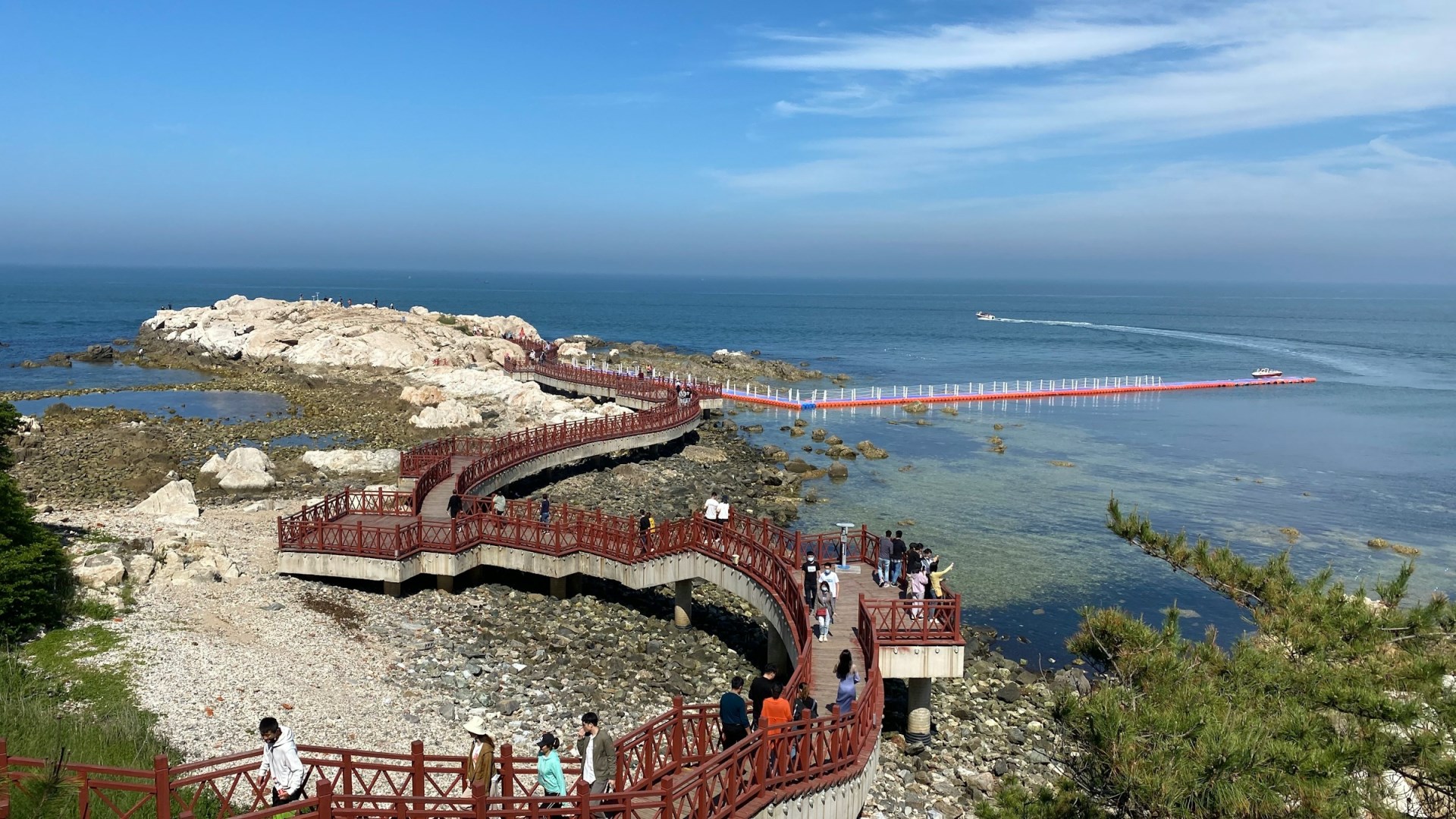
Yantai is on the coast of the Bohai Sea and one of the most picturesque small cities in China. Visit Penglai Pavilion, said to be where the 8 Taoist Immortals flew across the sea or view the city from the 14th-century Yuhuang Hill Temple where the abundant rose-colored buildings and orange-tiled roofs of the town are nestled between the sea and the gentle hills.
Antigua and Barbuda are located in the middle of the Leeward Islands in the Eastern Caribbean. Antigua, the largest of the British Leeward Islands, is about 14 miles long and 11 miles wide, encompassing 108 square miles. Barbuda, a flat coral island with an area of only 68 square miles, lies approximately 30 miles to the north. The population is approximately 68,000 and its capital is St. John's on Antigua.
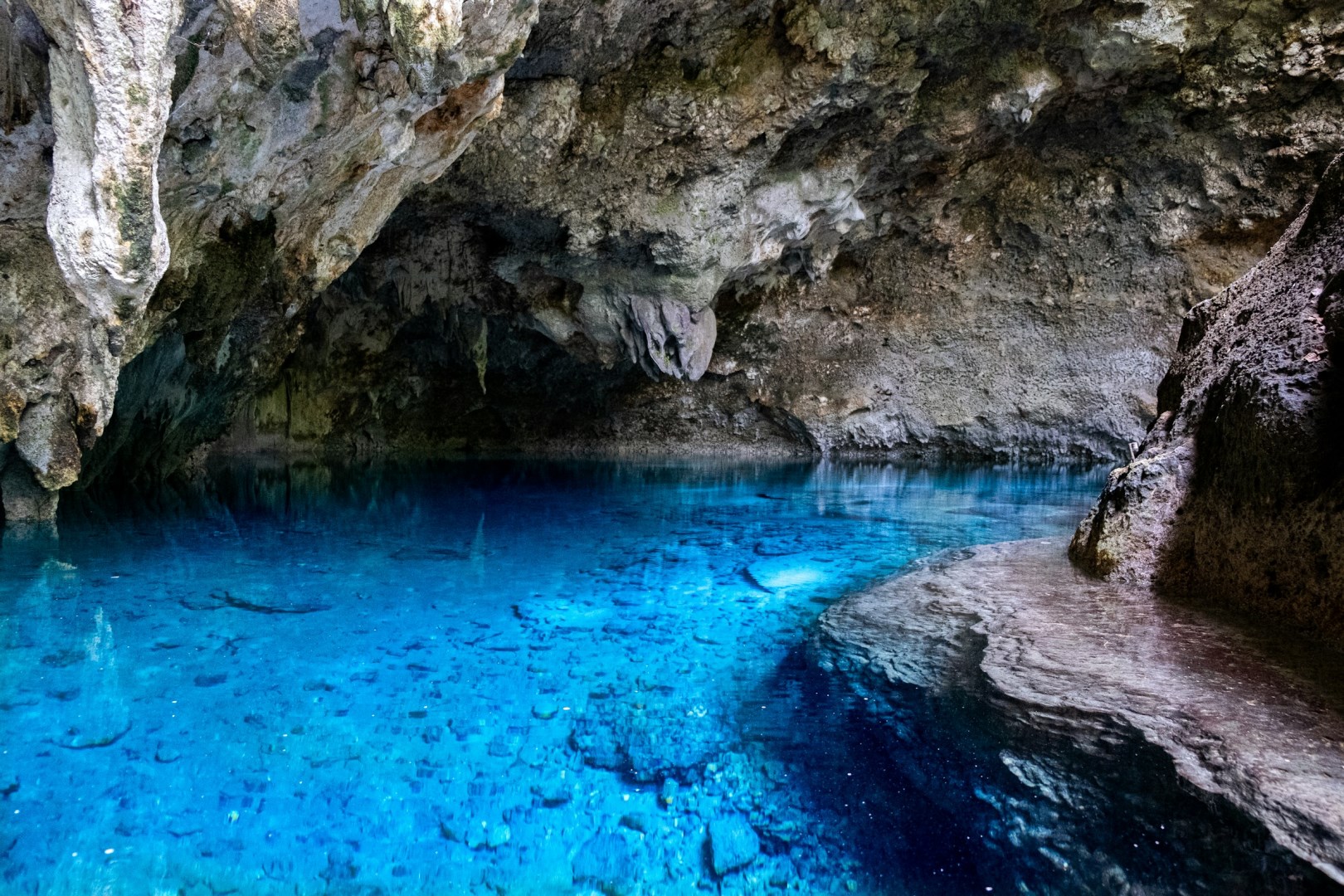
Los Tres Ojos (The Three Eyes) National Park is one of the most visited tourist attractions in the Dominican Republic. Made up of a cave system, there are four lakes within, each with their own features or traits.
Nelson sits along the West Arm of Kootenay Lake in southeastern British Columbia, embraced by the rugged peaks of the Selkirk Mountains and threaded with over 350 heritage buildings that tell the story of its silver-rush beginnings. A short trip outside town leads to spots like the Salmo–Troup Rail Trail, a wide, gentle path that follows an old rail line for kilometers through forest and alongside rivers.

Ballarat is a regional city in central Victoria, known for its goldfields heritage, grand streetscapes, gardens, and strong arts scene. Located about 90 minutes from Melbourne by road or rail, it combines a historic city centre with lakes, parks, and surrounding rural landscapes. Sturt Street forms the main civic spine, lined with substantial nineteenth-century buildings, shops, cafés, and public spaces.
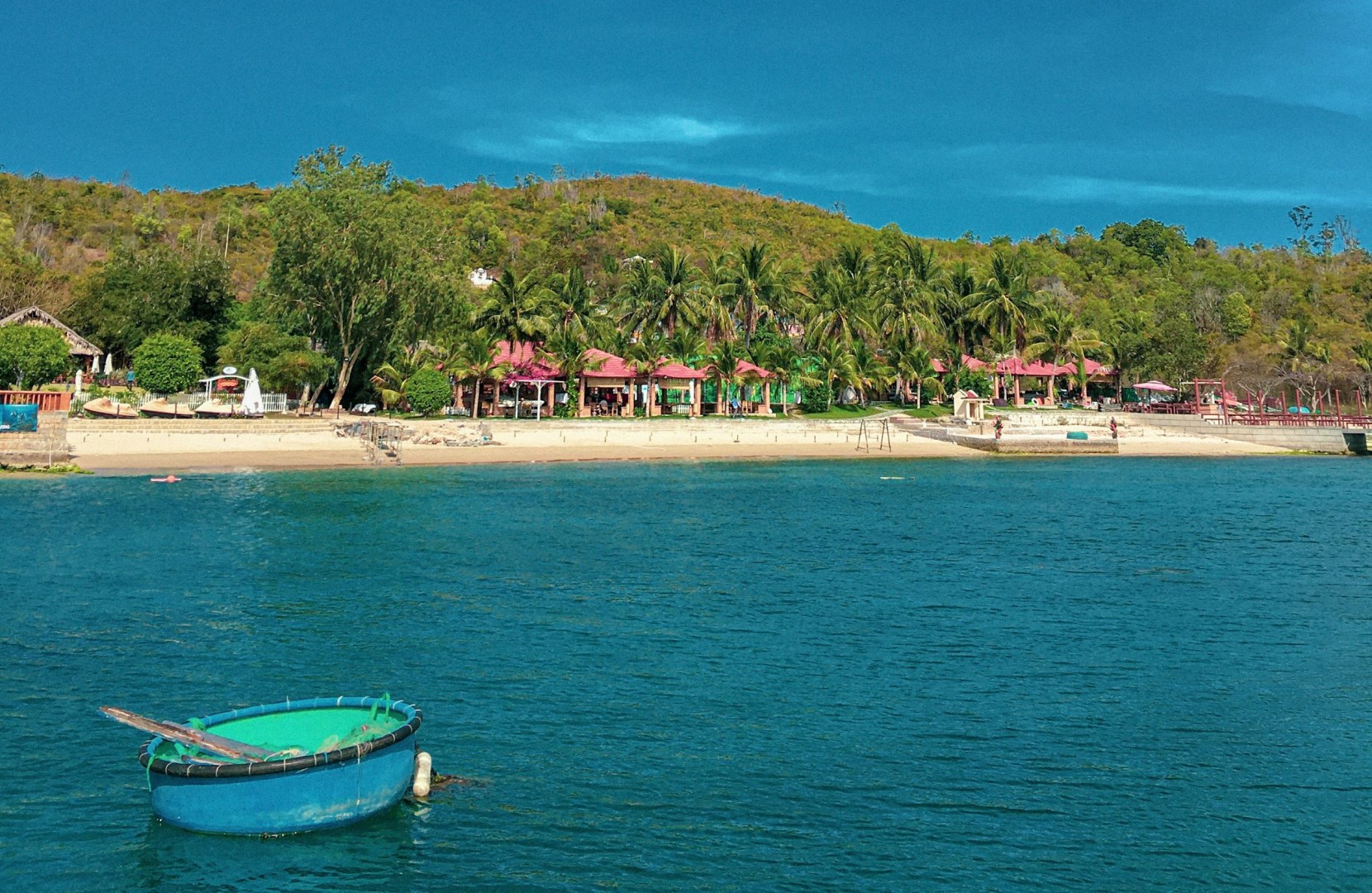
Nha Trang, located on Vietnam's southern coastline, is a vibrant city renowned for its stunning beaches and dynamic culture. This coastal paradise boasts a 6-kilometer stretch of golden sand along Nha Trang Beach, where turquoise waters meet palm-fringed shores, perfect for sunbathing and swimming. The city's warm tropical climate makes it an inviting destination year-round, with average temperatures hovering around 79°F ( 26°C).
Rich in cultural heritage, Nha Trang is home to the Po Nagar Cham Towers, an impressive complex of ancient Hindu temples dating back to the 7th century. Perched on a hill, these towers offer panoramic views and a glimpse into the region's historical significance. Another must-see is the Long Son Pagoda, renowned for its enormous white Buddha statue and serene surroundings.
For a unique aquatic experience, the nearby Hon Mun Island is a top destination for snorkeling and diving. The island’s crystal-clear waters are teeming with vibrant marine life, making it a favorite among underwater enthusiasts (Hon Mun Island). Additionally, the Vinpearl Land amusement park on an island just off the coast offers an array of attractions, including water slides, a large aquarium, and entertainment shows.
Fun Fact: Nha Trang is known for its mud baths, a unique therapeutic experience where visitors can relax in mineral-rich mud believed to have skin-rejuvenating properties. The mud baths have become a signature attraction, blending relaxation with health benefits.
Visiting Nha Trang between January and August is ideal for enjoying the warm weather and participating in various beach activities, while the quieter months of September to December provide a more tranquil experience. The city's combination of natural beauty, cultural sites, and leisure activities ensures an unforgettable trip.
Other Popular Destinations in Vietnam
Hanoi
Replete with intricate temples, immersive museums, and gastronomic delicacies, Hanoi will surely enchant you! The capital of Vietnam, bustling Hanoi is the perfect center for your next adventure in southeastern Asia.
Ho Chi Minh City
Ho Chi Minh City, Vietnam’s largest metropolis, is a dynamic hub where history, culture, and commerce intersect. Formerly known as Saigon, the city reflects layers of its past, from French colonial architecture to markets and historic districts that capture the energy of daily life.