Spain
Spain offers a wide range of experiences shaped by centuries of layered history and regional diversity. From the Moorish palaces of Andalusia to the Roman aqueduct in Segovia and the Gaudí-designed landmarks of Barcelona, each city reflects a different chapter in Spain’s past. In Granada, the Alhambra still stands as a masterpiece of Islamic architecture, with detailed carvings, hidden courtyards, and panoramic views of the Sierra Nevada mountains.

Sweden
Sweden is a country where medieval towns, coastal archipelagos, and expansive forests sit side by side with modern design and a strong cultural identity. Stockholm, the capital, is built across 14 islands connected by bridges and ferries. The historic district of Gamla Stan features narrow, cobbled streets and colorful buildings dating back to the 13th century.
Kananaskis
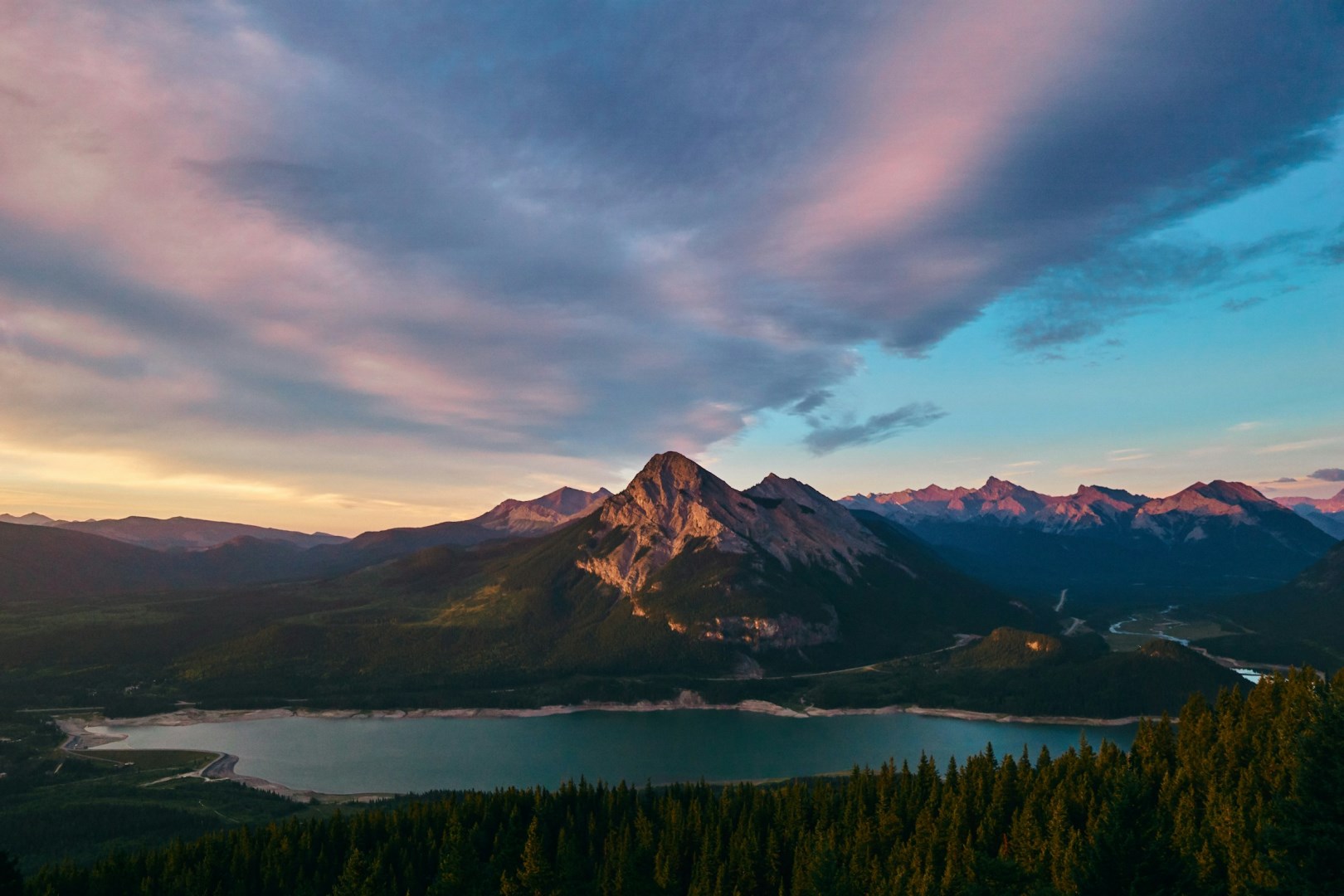
Kananaskis, located in the foothills and front ranges of the Canadian Rockies in Alberta, is a vast region celebrated for its rugged mountains, alpine lakes, and outdoor recreation opportunities. Unlike nearby Banff or Jasper, Kananaskis is less developed and offers a quieter, more wilderness-focused experience while still being easily accessible from Calgary.
Fort William
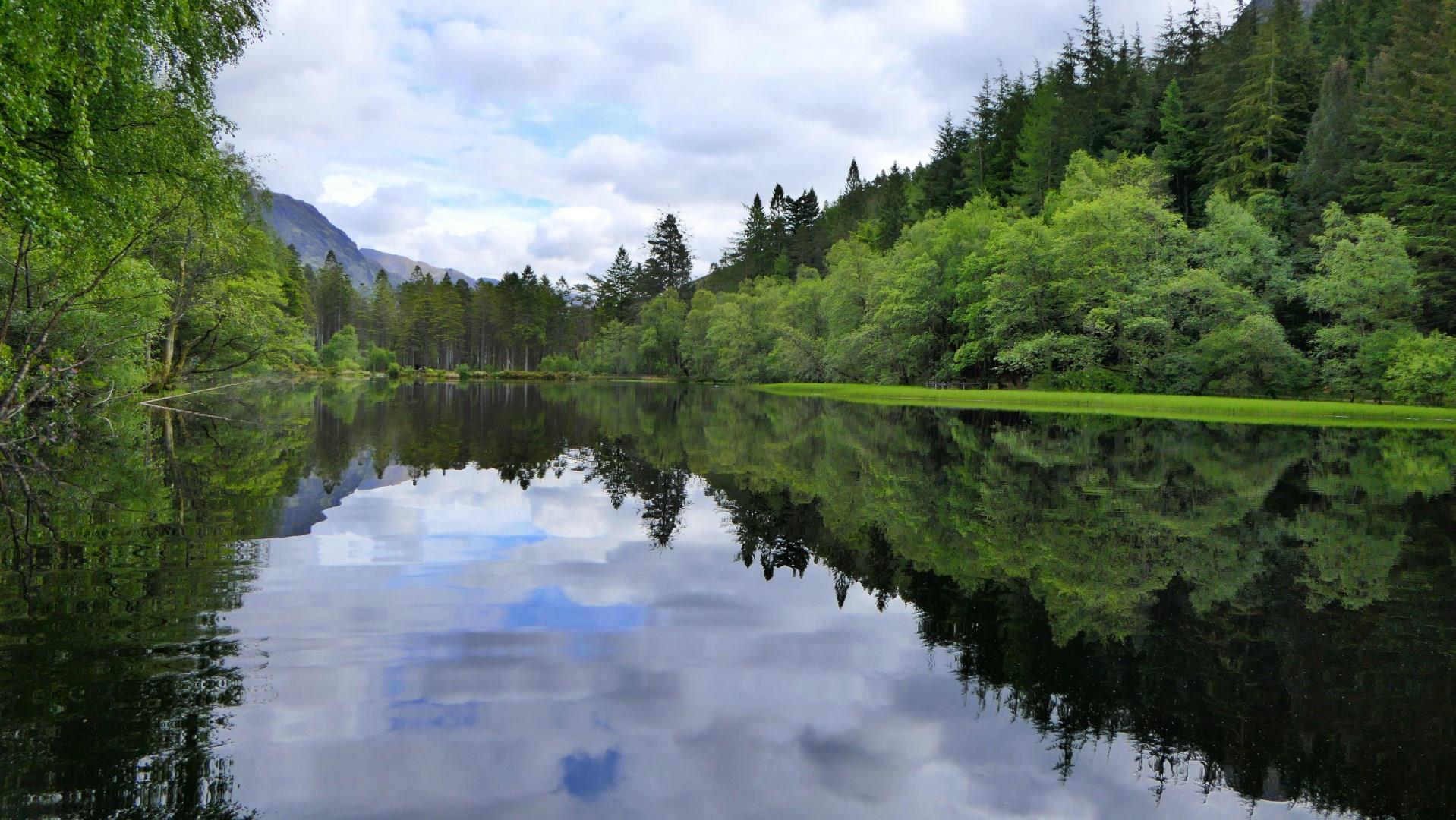
Fort William, located on the western edge of the Scottish Highlands, is often referred to as the “Outdoor Capital of the UK,” but there’s more here than rugged landscapes. Ben Nevis draws hikers from across the world, but visitors don’t need to climb to its summit to experience the scenery. Not far from town, Glen Nevis offers film fans a familiar view, scenes from *Braveheart*, *Harry Potter*, and *Highlander* were all filmed in this dramatic valley.
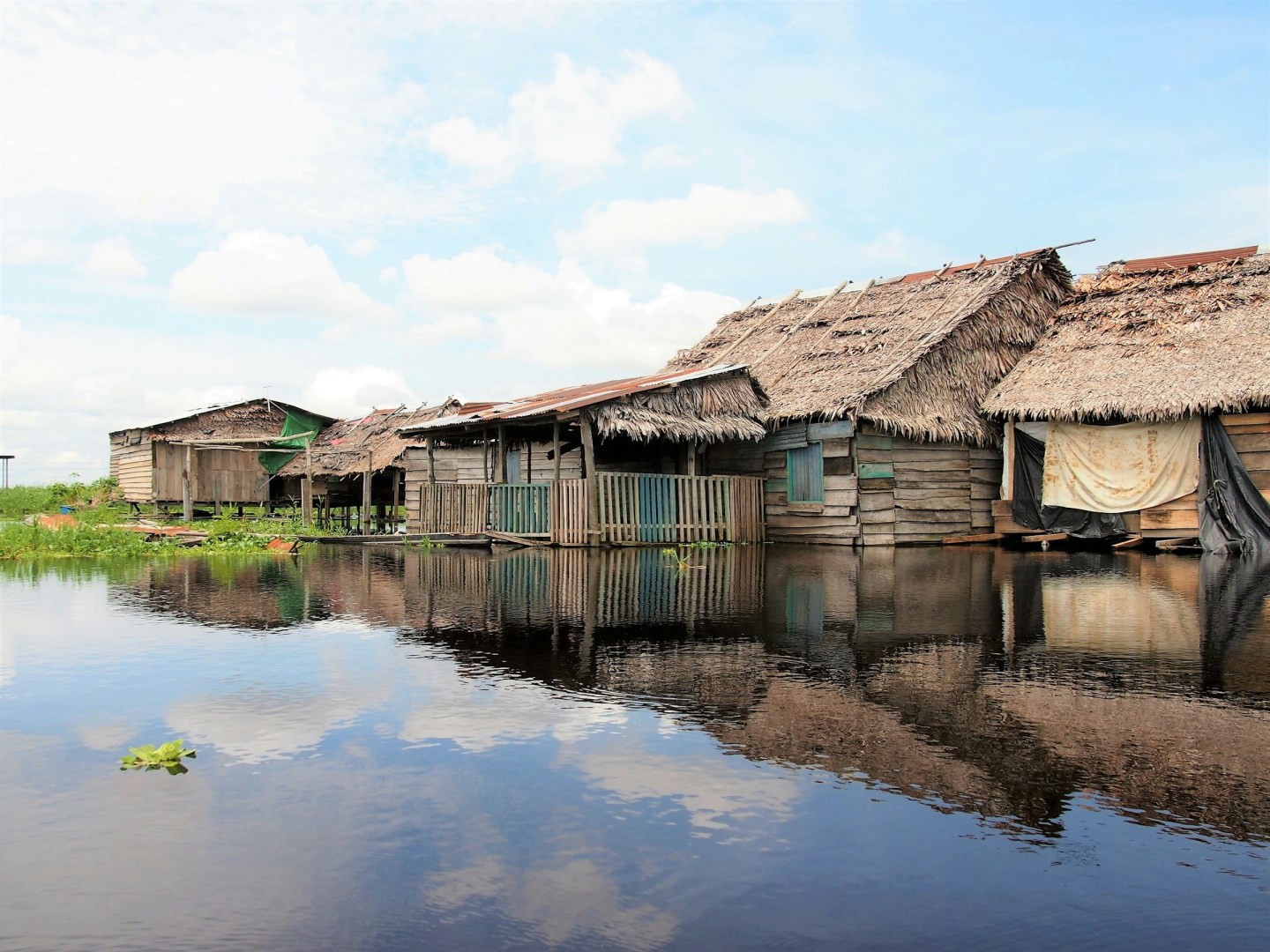
Iquitos
Although not accessible by road, it is Peru's most important commerical center in the east. It is on the Amazon which is wide enough to allow freighters at their busy port. The 1880's saw the rubber boom and recently oil has been the boom.