Cape Le Grand National Park
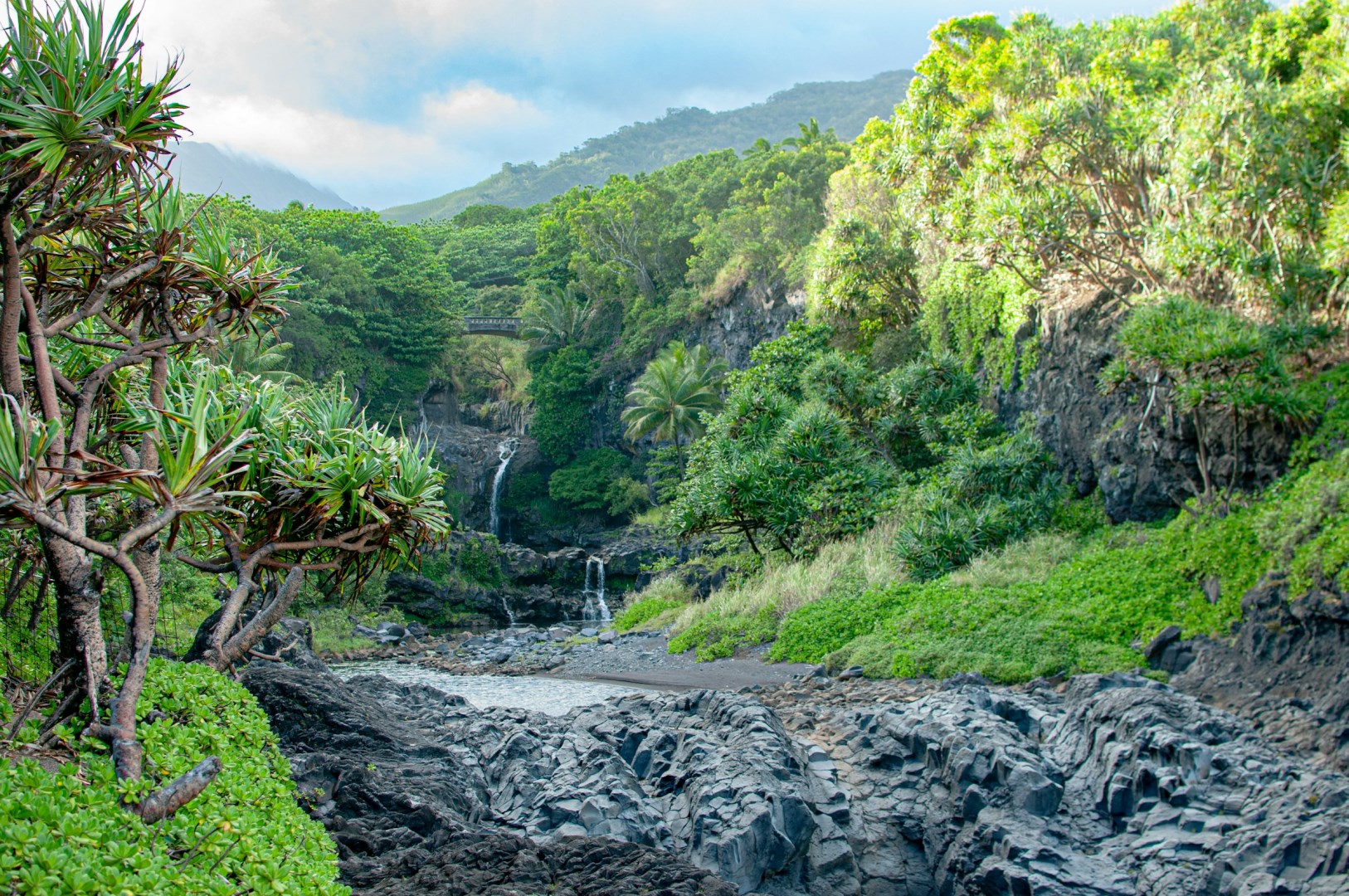
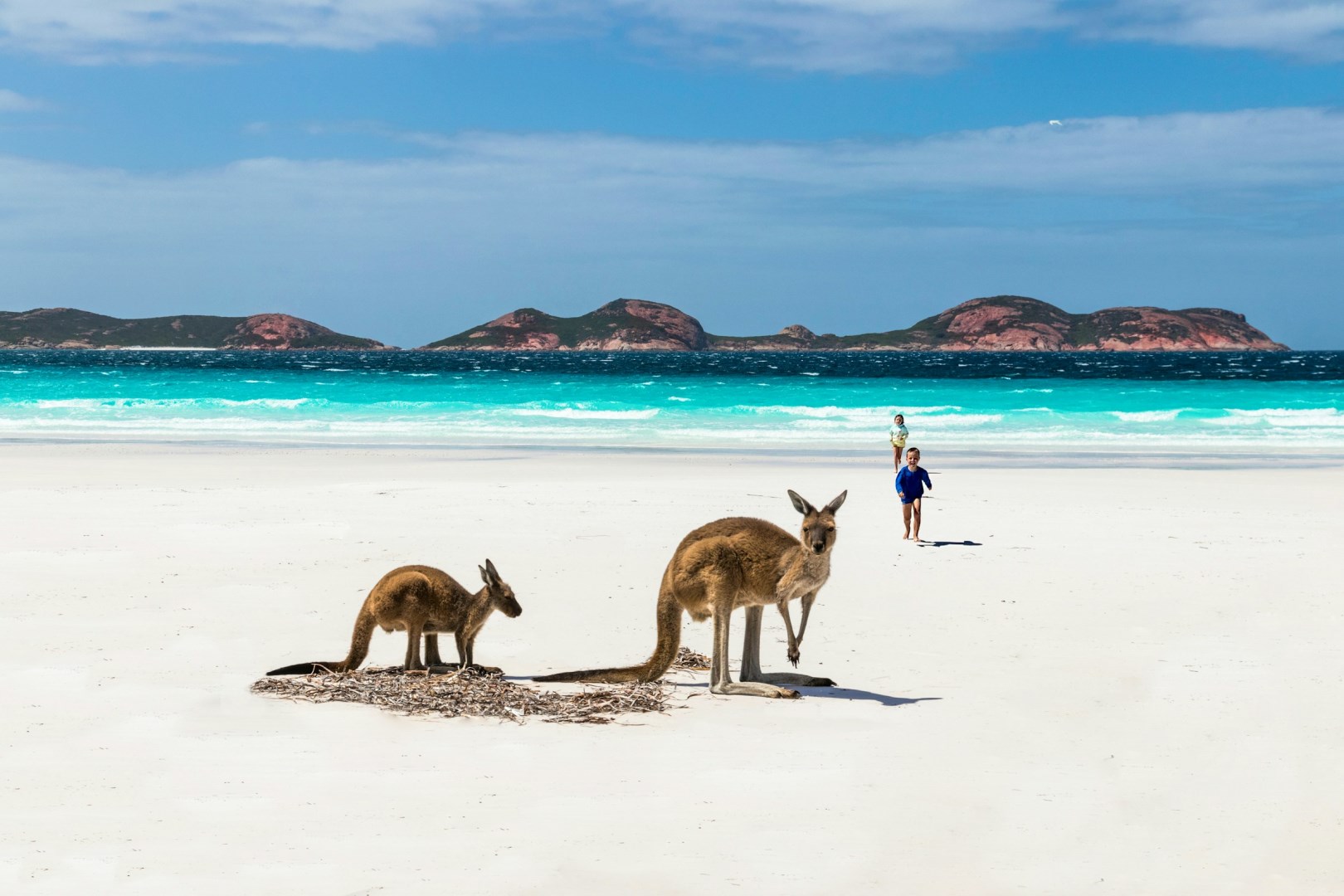
Cape Le Grand National Park lies on the south coast of Western Australia, east of Esperance, where granite peaks, coastal heath, freshwater pools, and white sandy beaches meet the Recherche Archipelago. The park is best known for Lucky Bay, where exceptionally white sand curves around clear turquoise water and kangaroos are often seen resting near the shoreline. Its remote coastal setting also supports a range of outdoor activities, including swimming, fishing, camping, kayaking, and bushwalking
Canmore
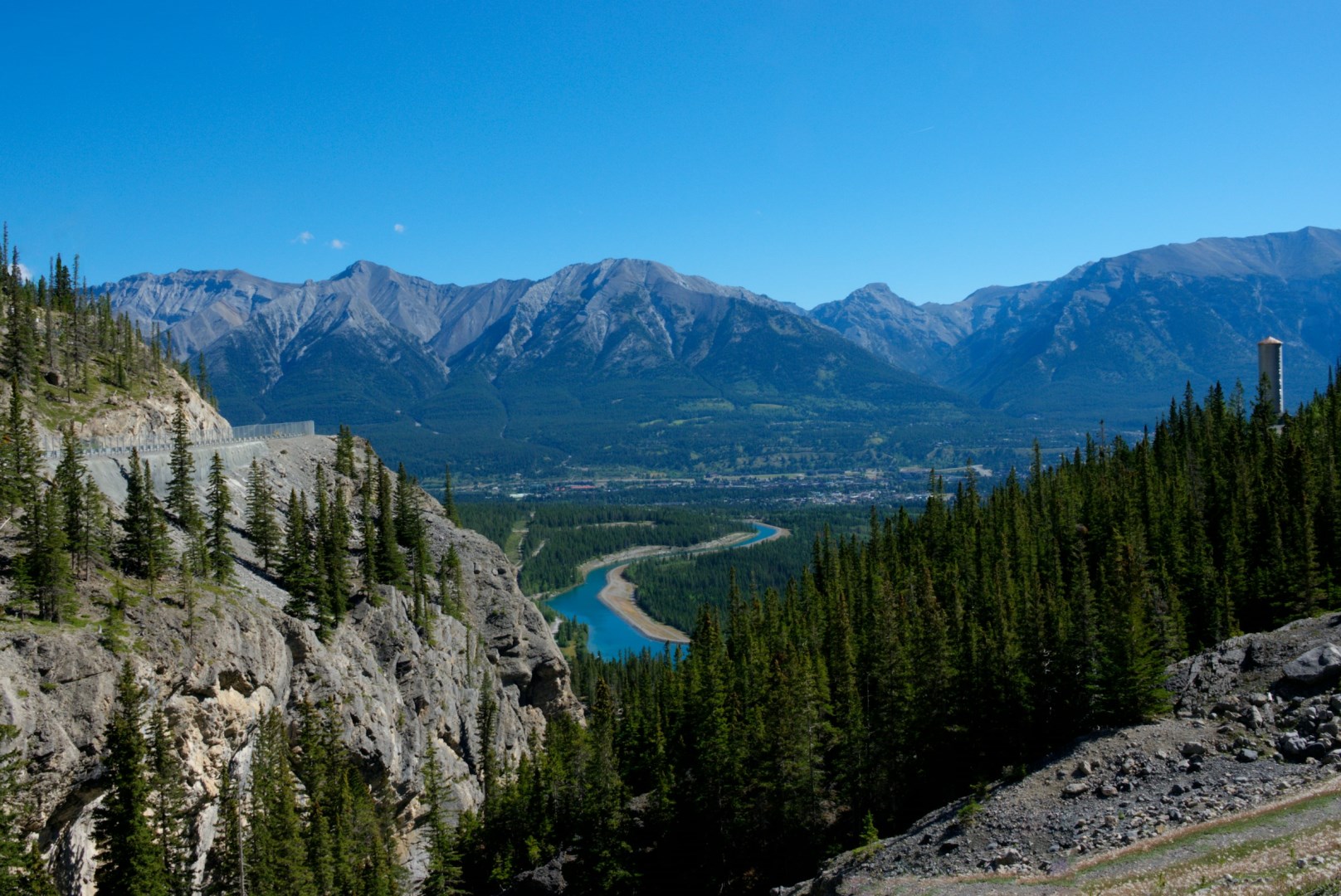
Canmore is a mountain town in Alberta’s Bow Valley, surrounded by the peaks of the Canadian Rockies and located just outside Banff National Park. The town sits beside the Bow River, with the Three Sisters, Ha Ling Peak, and Mount Lawrence Grassi forming prominent landmarks around the valley. Canmore developed from a coal-mining and railway community into a center for outdoor recreation, arts, and local business.
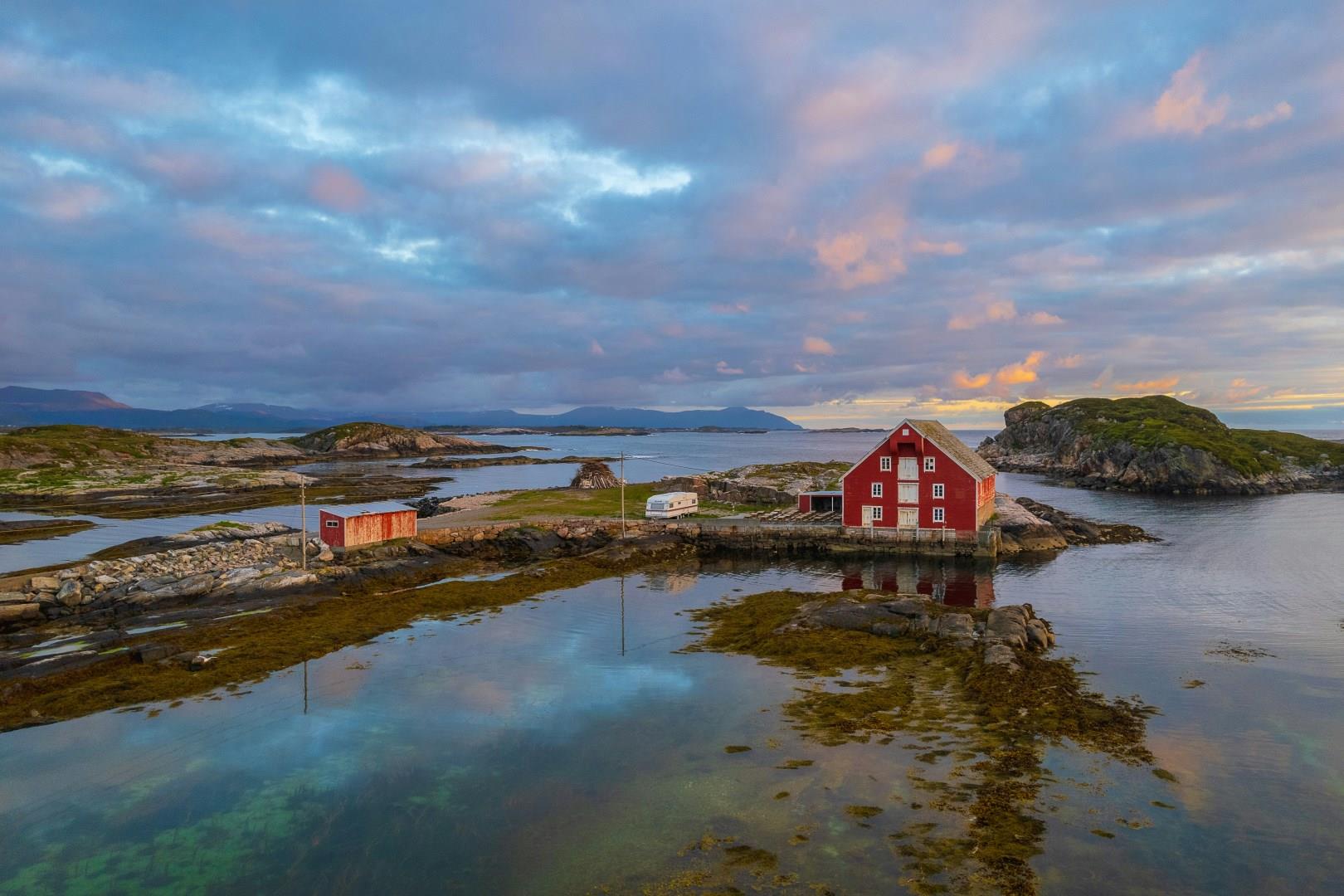
Kristiansund
Kristiansund is a town facing the North Atlantic, on the west coast of Norway. Both its history and geographical position are unique. It is not a big town and does not have a large population, but the friendly attitude of the people who live here and their way of life, makes it a town with a big heart. Its business centre is close to green parks and small forests. The beautiful view of the surrounding mountains completes the picture.
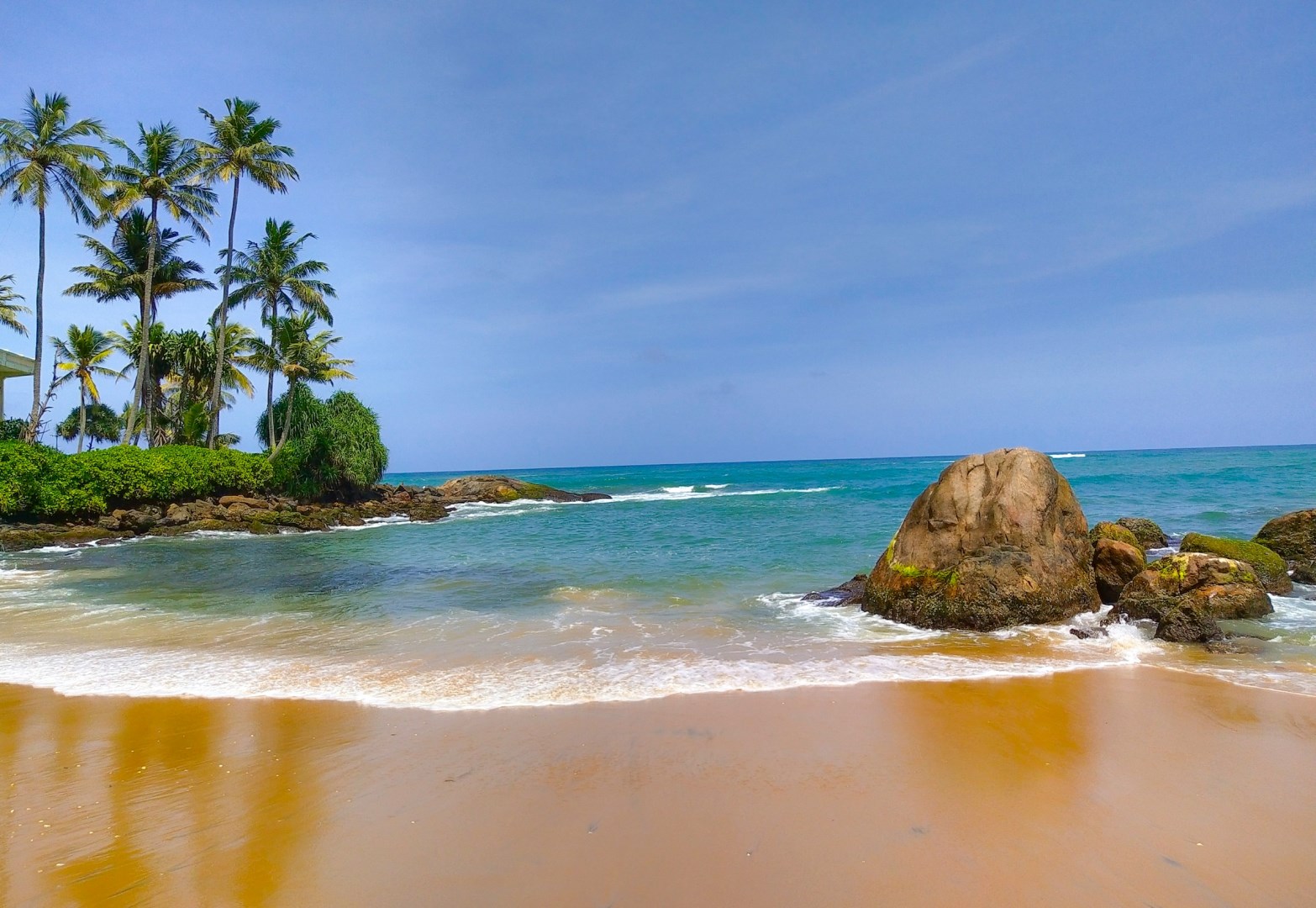
Mount Lavinia Beach
Mount Lavinia Beach is a well-known urban beach just south of Colombo, Sri Lanka, stretching along the Indian Ocean beside the coastal suburb of Mount Lavinia. Its broad sandy shoreline and easy access from the capital make it a popular place for swimming, walking, watching sunsets, and informal gatherings. The beach sits beside a long-established residential and hotel district, so its surroundings combine everyday city life with a distinctly coastal setting. Fishing boats and seafood restaurant

Granada
Granada, nestled at the foot of the Sierra Nevada mountains in southern Spain, is a city where history and culture converge in a mesmerizing blend. The jewel of Granada is the Alhambra, a stunning palace and fortress complex that dates back to the 13th century. This UNESCO World Heritage Site is a testament to the city's Moorish past, showcasing intricate Islamic art and architecture.