Punakha
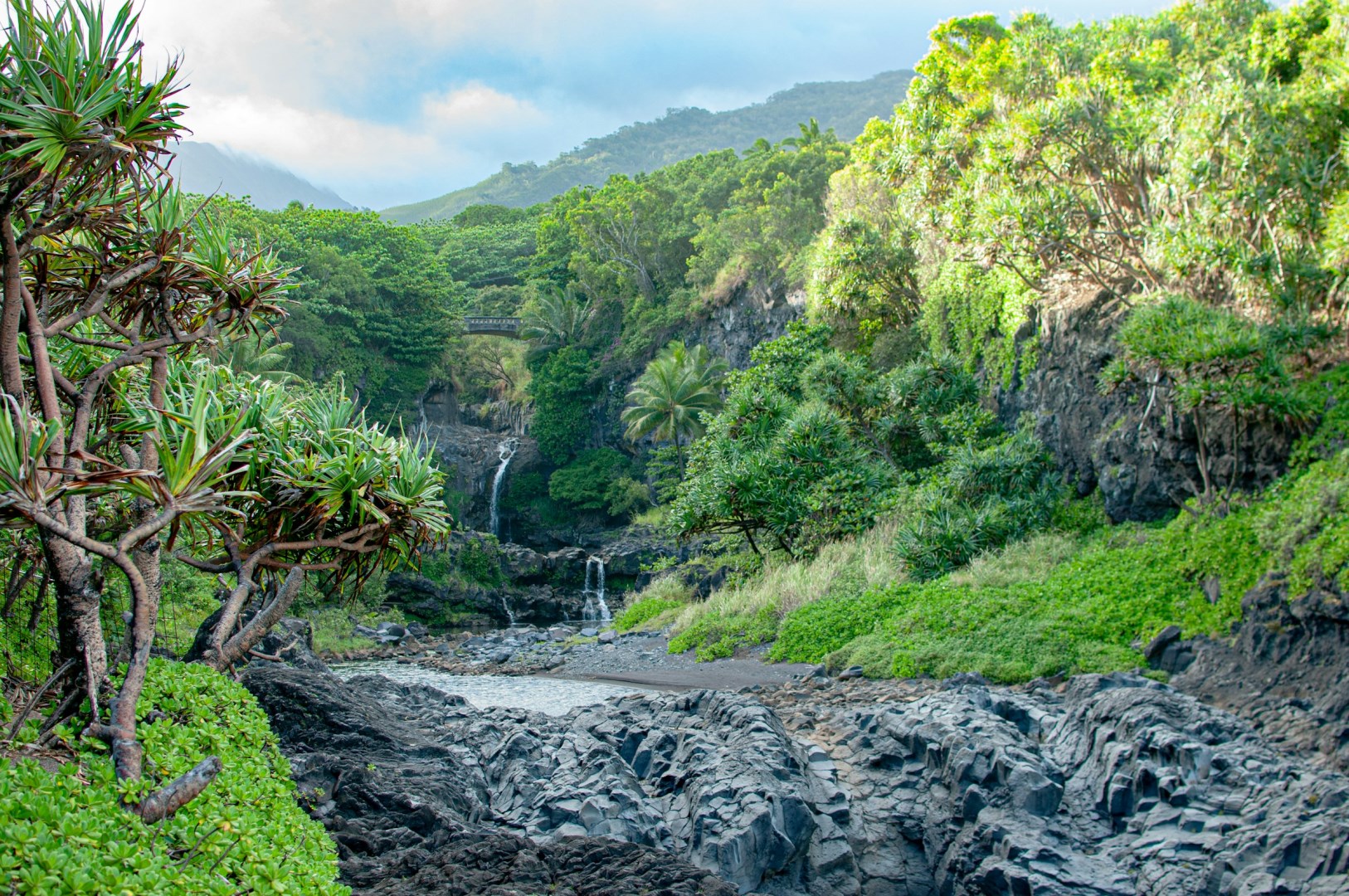
Punakha sits in one of Bhutan’s most fertile valleys, cradled where the Mo Chhu and Pho Chhu rivers meet. For centuries it served as the kingdom’s capital and remains a place rich with stories woven through its fields, temples, and riverbanks. The city’s low elevation brings warmer weather than much of Bhutan’s highland regions, and rice paddies fill the landscape with vivid green during planting and golden hues at harvest.

Skagen
Skagen, Denmark, is a picturesque coastal town where the North Sea meets the Baltic Sea, offering visitors a unique natural experience unlike any other. Known for its stunning light, which has attracted artists for centuries, Skagen is a place where art, nature, and history converge in perfect harmony.
Nurnberg
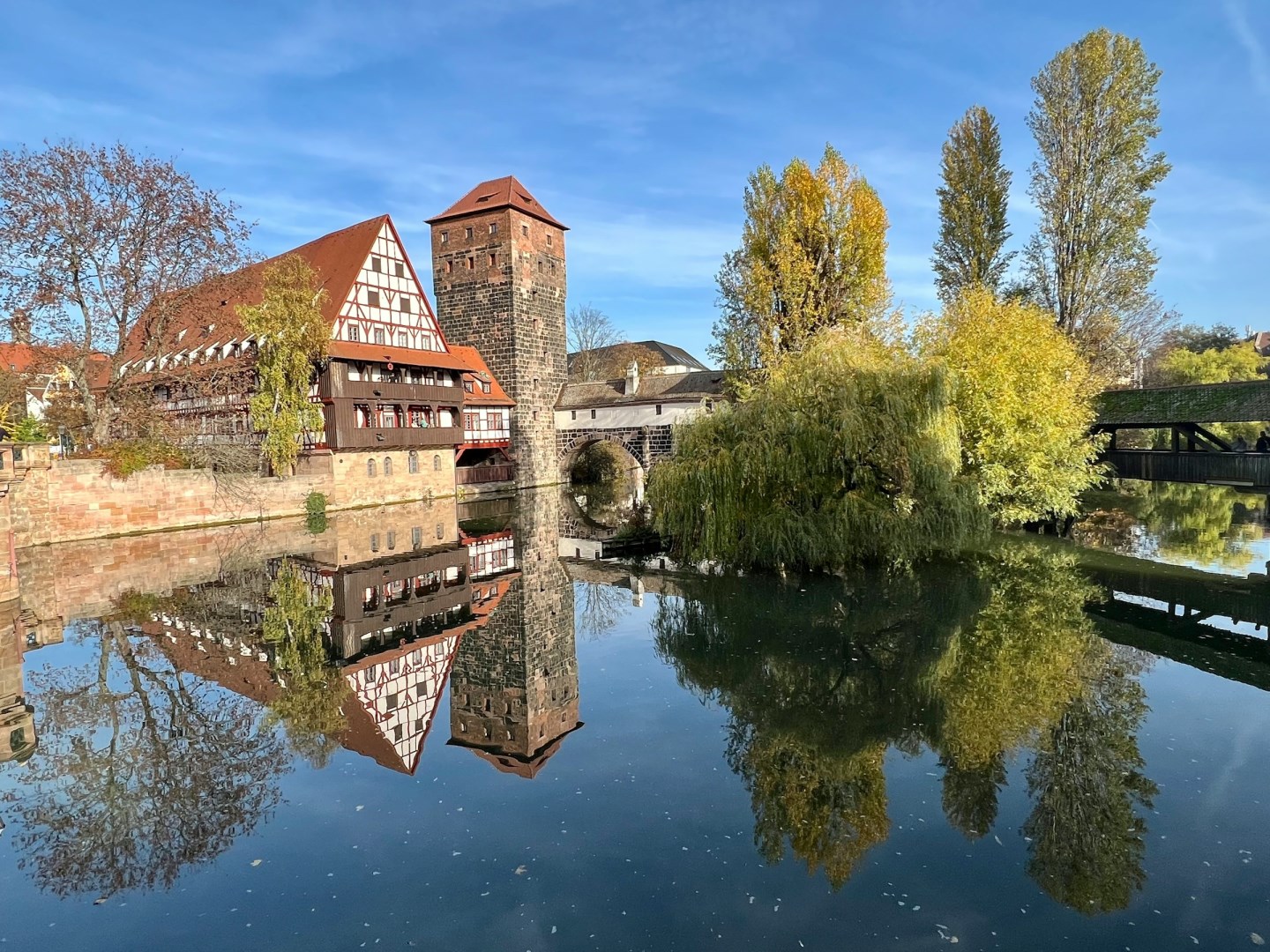
Nürnberg (Nuremberg), located in the heart of Bavaria, Germany, is a city rich in history, culture, and architectural charm. Known for its medieval old town, Nürnberg boasts cobbled streets, half-timbered houses, and the imposing Nuremberg Castle, which overlooks the city and offers panoramic views.
Bhubaneswar
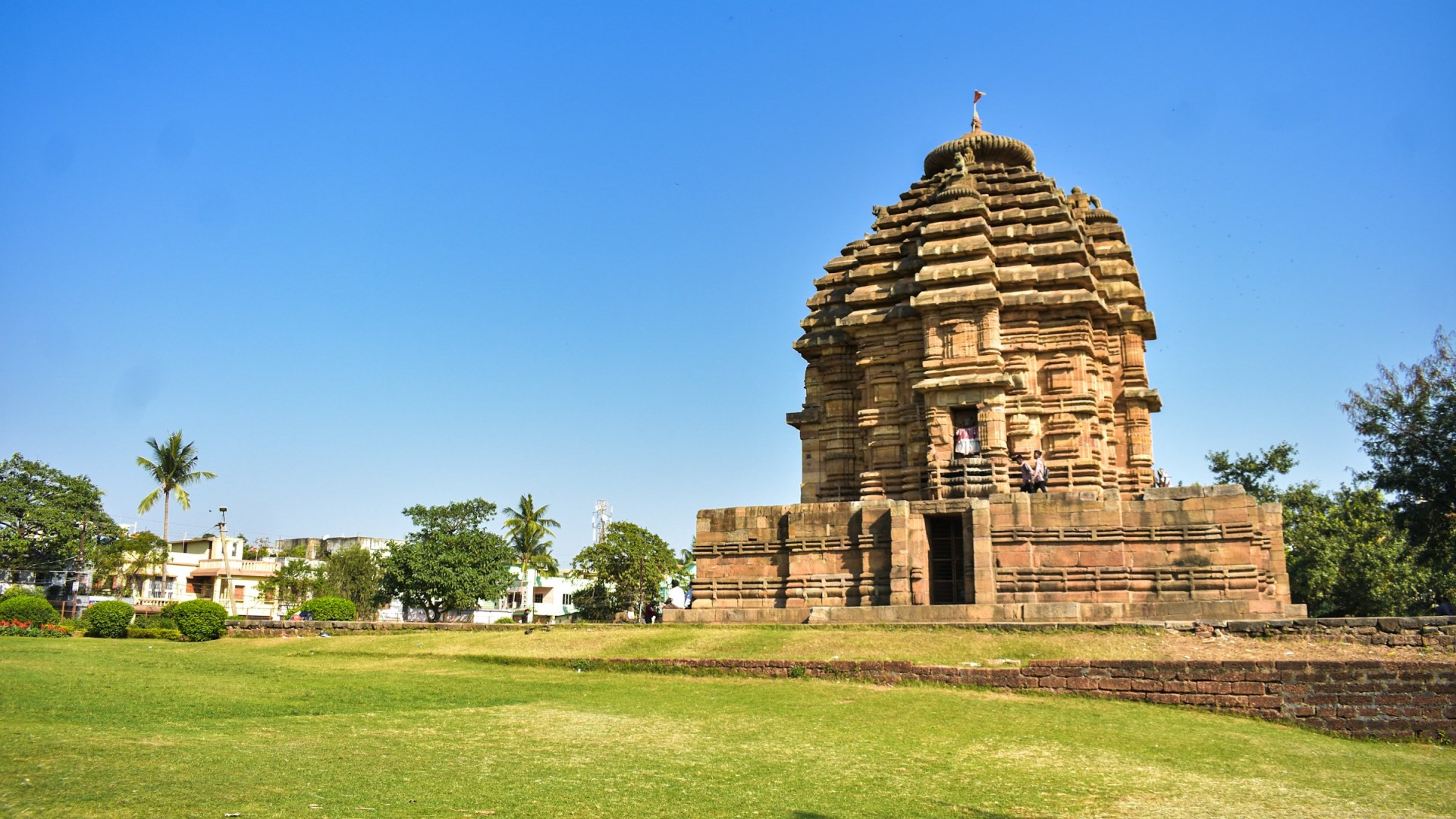
Bhubaneswar is the capital of Odisha in eastern India and a major center of temple architecture, religion, education, and modern administration. Often associated with the title “Temple City,” it combines a growing contemporary city with an old quarter filled with stone shrines and sacred tanks. The city developed around the Ekamra Khetra area, where numerous temples reflect the Kalinga style of architecture. Beyond its historic core, Bhubaneswar has broad roads, parks, museums, markets, and resi
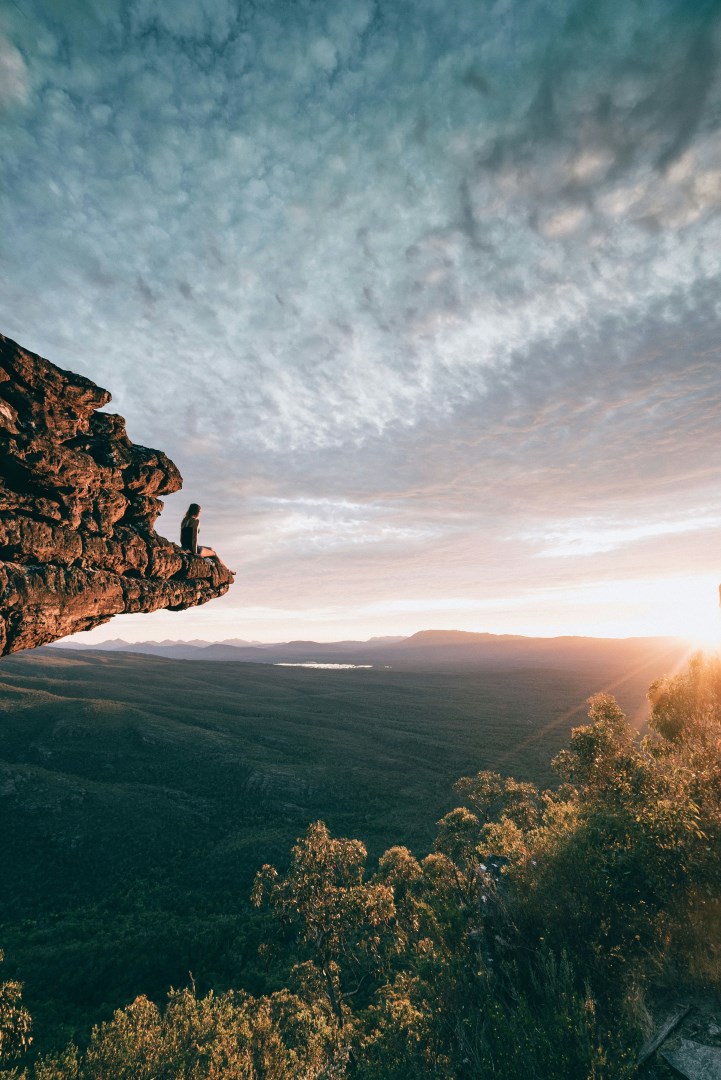
Grampians National Park
Grampians National Park, known as Gariwerd by the Traditional Owners, is a mountainous landscape in western Victoria defined by sandstone ranges, rocky escarpments, forests, waterfalls, and broad valleys. The park forms part of the Grampians-Gariwerd region and contains some of Victoria’s most extensive areas of protected native habitat.