Alexandra Headland
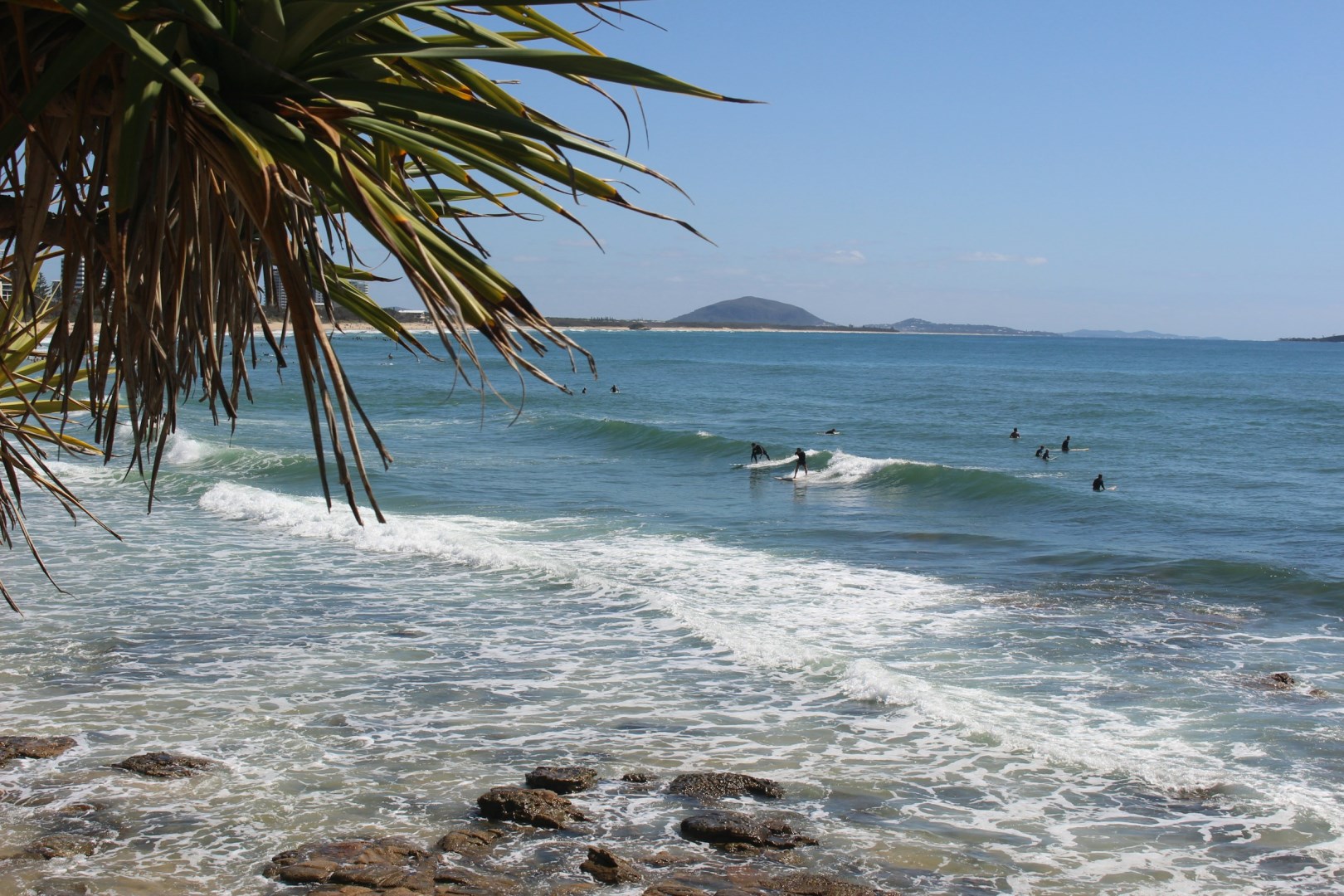
Alexandra Headland is a coastal suburb on Queensland’s Sunshine Coast, situated between Mooloolaba and Maroochydore. Its main feature is a rocky headland overlooking a long sandy beach, with ocean views extending along the surrounding coastline. Alexandra Headland Beach is popular for swimming, surfing, fishing, and walking, while the foreshore includes parks, picnic areas, and paths connecting the beach with neighbouring communities.
Arica
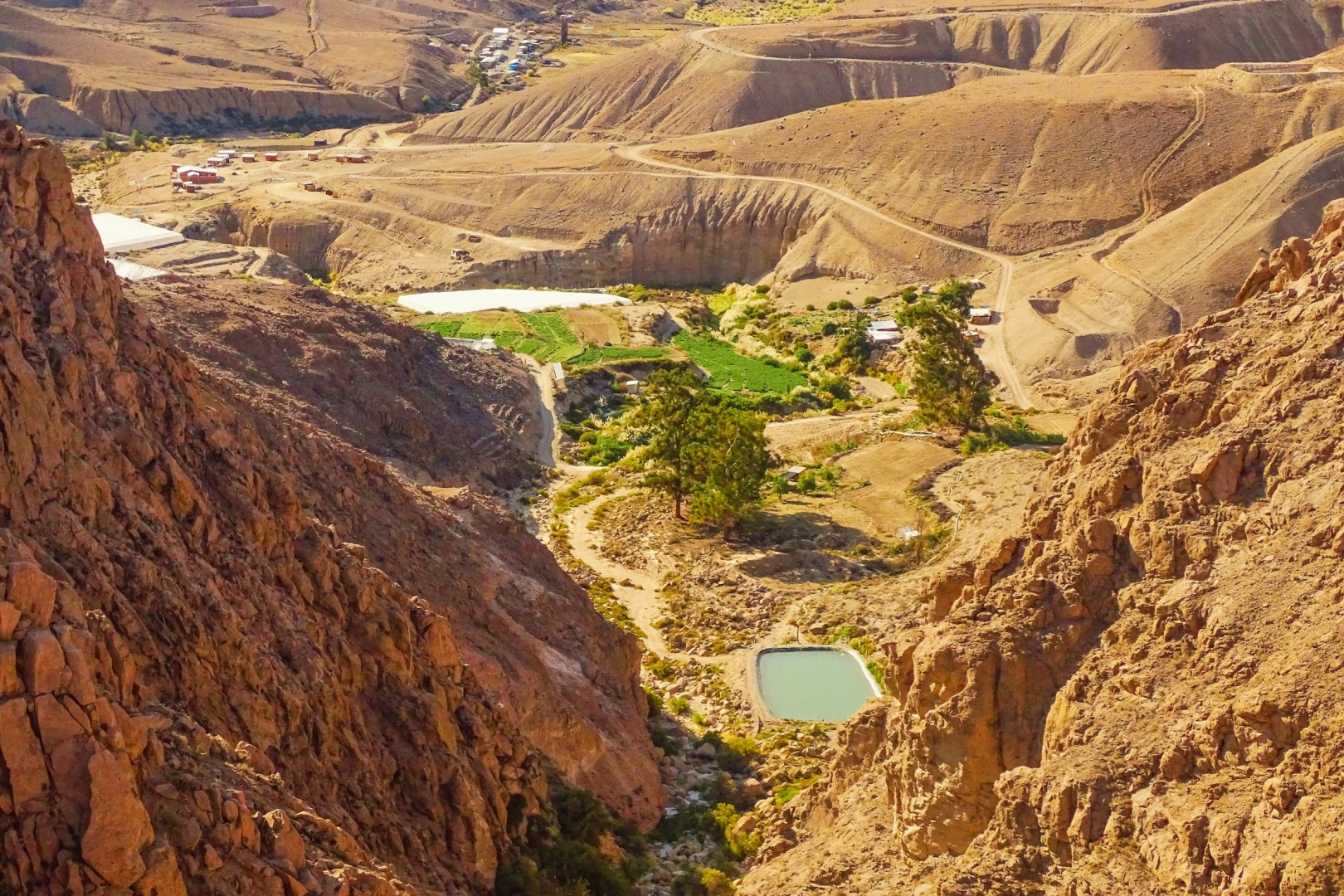
At Chile's northernmost end, the dizzying railway from high Bolivia comes down to the sea. Arica, the City of Eternal Spring, has a population of 169,000. and is located in the Atacama Desert. See San Marcos Cathedral, designed by Gustave Eiffel, and marvel at Pre-Incan relics in the City Museum. Or leave the city to venutre to the White City of Arequipa, the Incan capital of Cuzco and Machu Picchu and the ancient Inca city in the clouds.
Calvinia
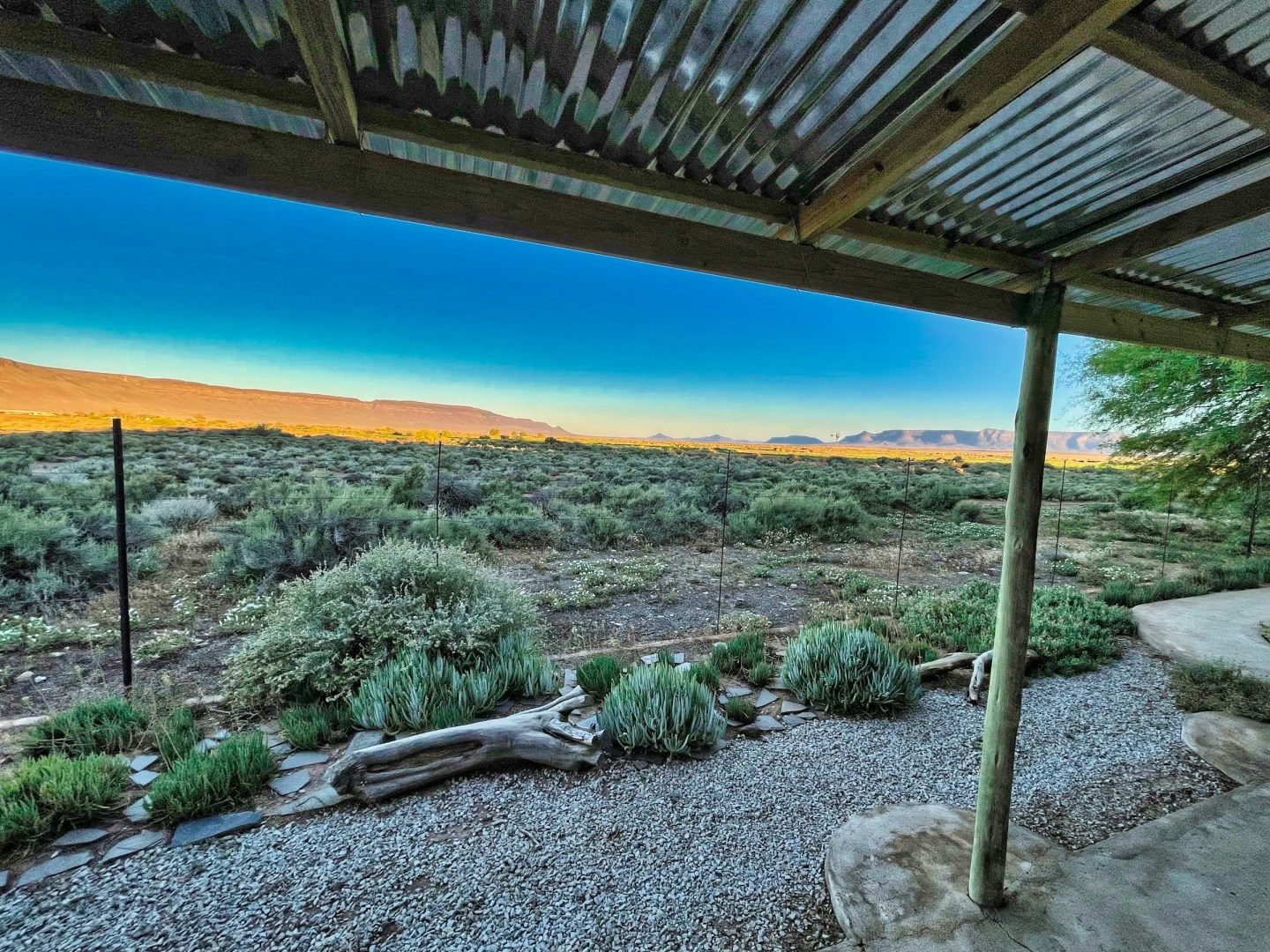
Calvinia is a small town in the Northern Cape’s Hantam Karoo, surrounded by a dry landscape of wide plains, rocky hills, and hardy shrubs. It serves as a regional centre for farming communities and is particularly associated with sheep farming and the production of Karoo wool. The town lies beneath the Hantam Mountain, a prominent local landmark that rises above the surrounding plains.
Ilhabela
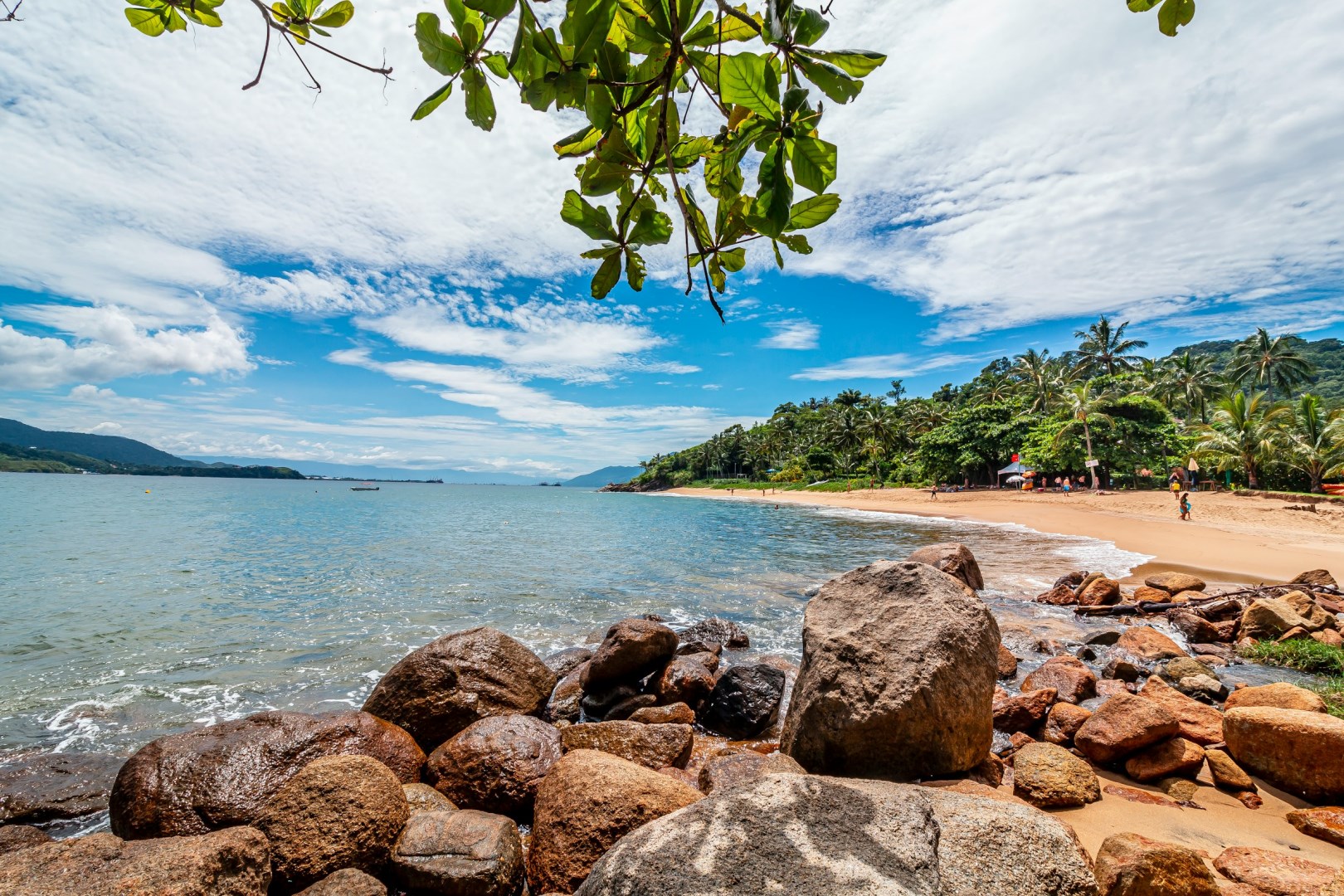
Ilhabela is an archipelago municipality on the northern coast of São Paulo, separated from the mainland by the São Sebastião Channel. Its main island combines a developed coastal area with extensive Atlantic Forest, while smaller islands and islets form part of the same municipality. The town is known for sailing, beaches, waterfalls, and maritime activities, and it holds the official title of National Capital of Sailing.
León
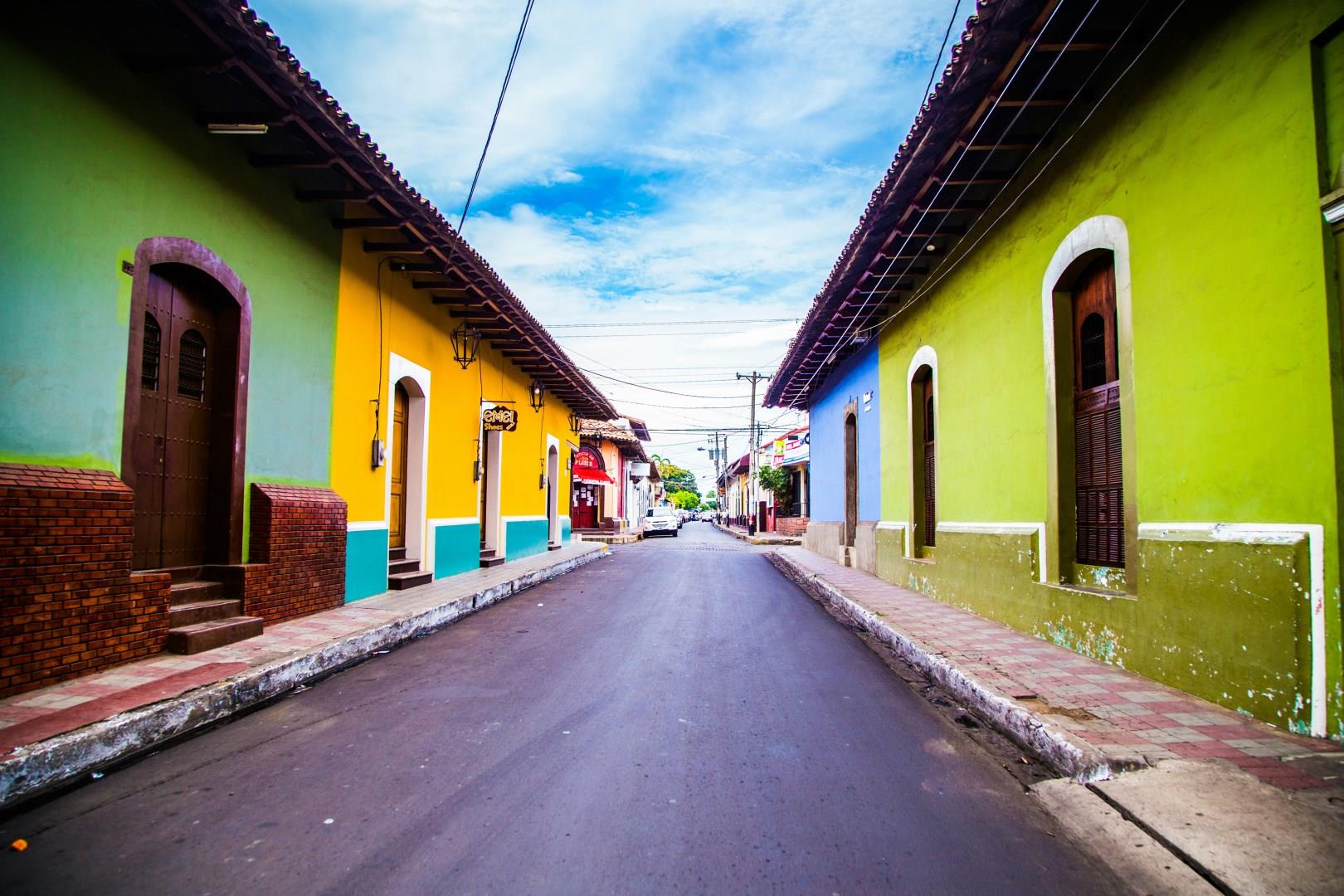
León, Nicaragua serves as the country’s capital for more than two centuries and still feels like the intellectual and political heart of Nicaragua. The city is known for its revolutionary past, visible in murals that stretch across building walls, telling stories of resistance, poets, and everyday citizens. The Cathedral of León, the largest in Central America and a UNESCO World Heritage Site, dominates the central square.