Harstad
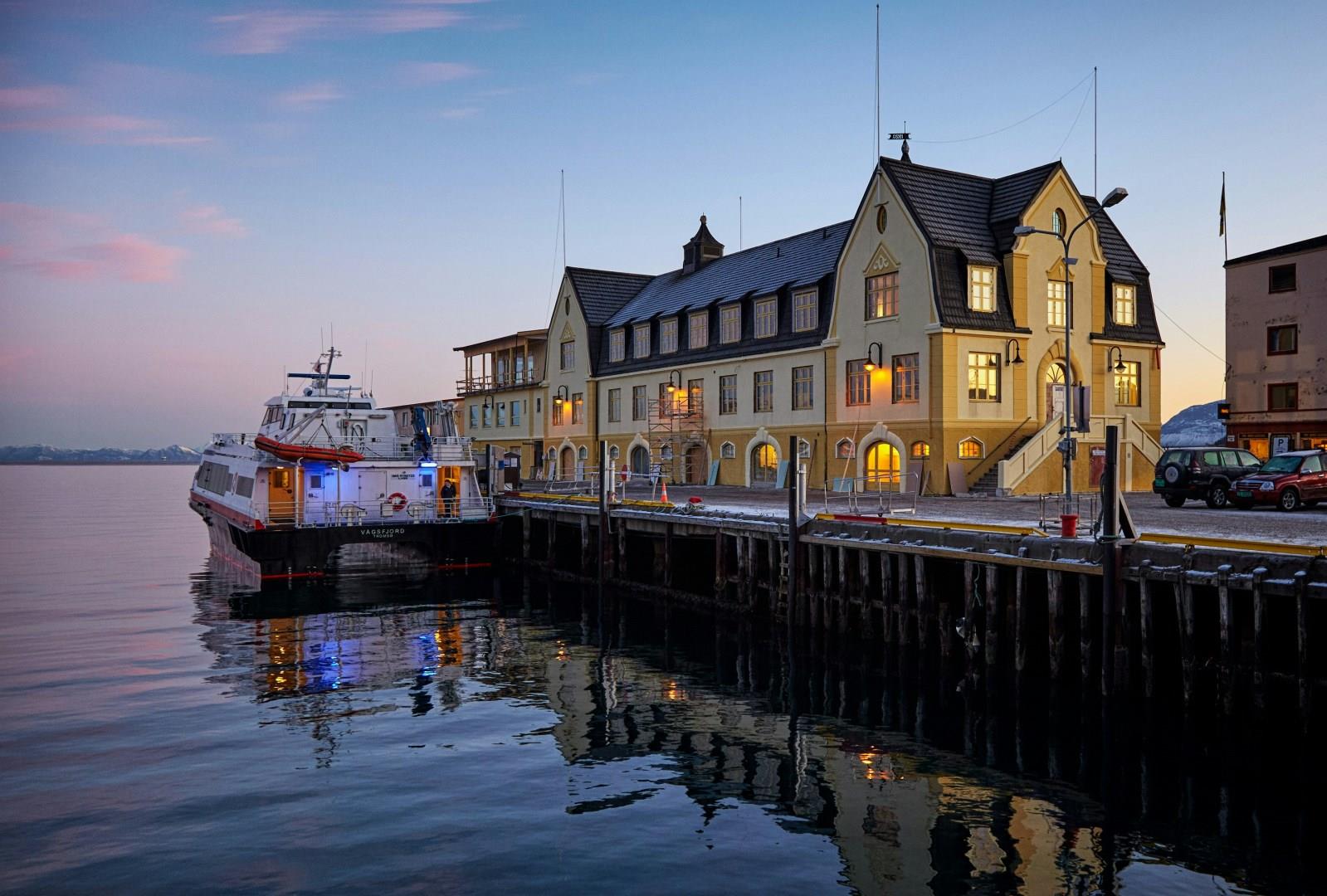
Harstad is a coastal town in northern Norway, located on Hinnøya, the country’s largest island, and overlooking the strategic waters of Vågsfjorden. Its history spans from Viking settlements to modern fishing and shipping, giving the town a blend of maritime heritage and regional importance.
Long Island
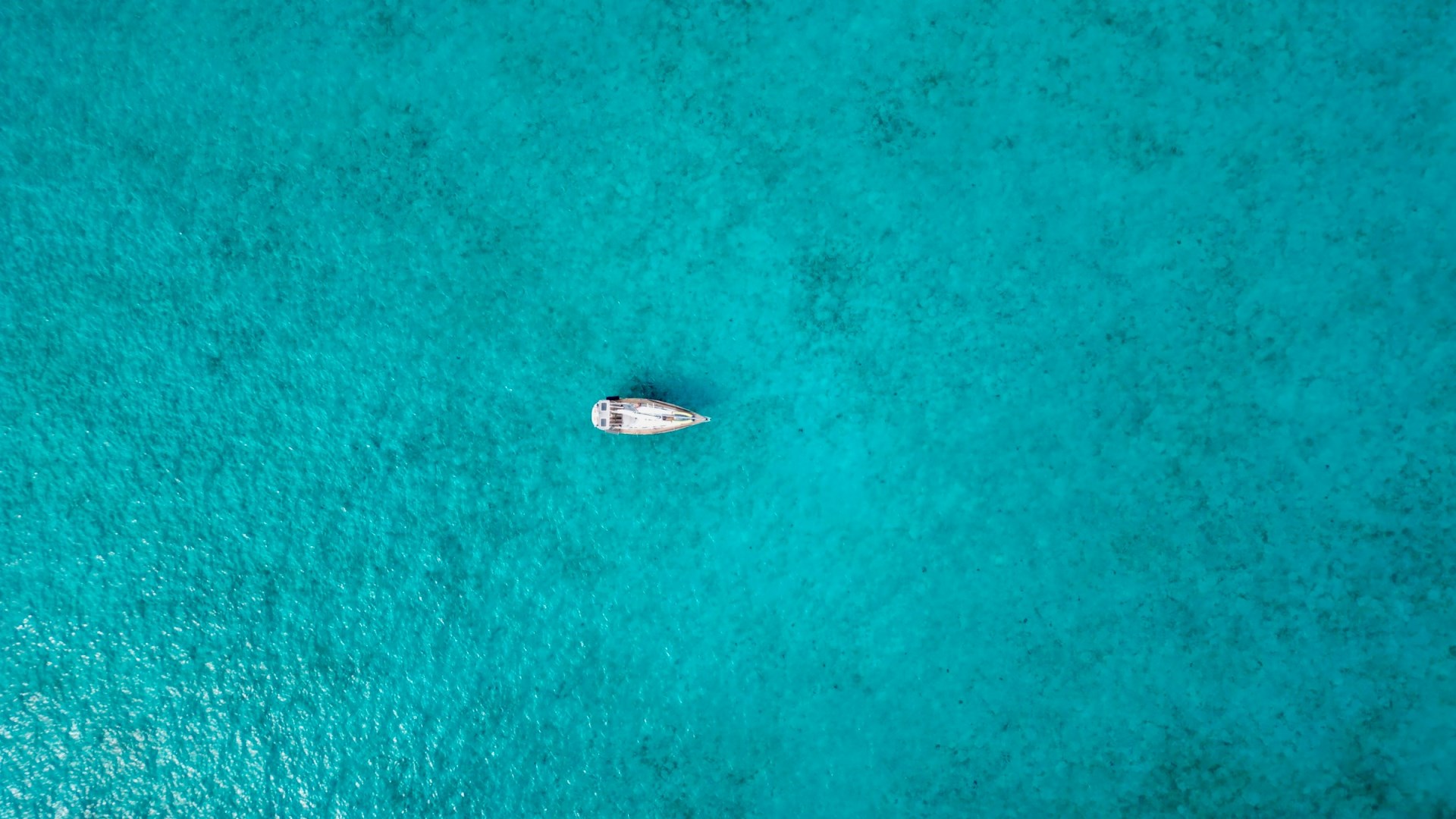
One of the "Out Islands" of the Bahamas, Long Island lies at the eastern reaches of the more than 700 islands and cays that make up thisspectacular archipelago. Located on the Tropic of Cancer, approximately 160 miles southeast of Nassau (a one hour flight), it covers nearly 230 square miles and is 70 miles long by five miles at its widest point.

Whitsunday Island
The Whitsunday Islands sit in the heart of Australia’s Great Barrier Reef, where more than 70 islands rise from wide blue seas and offer an invitation to explore. Whitsunday Island itself is the largest of this group, known internationally for its ribbon of white silica sand stretching over seven kilometers at Whitehaven Beach. This sand feels cool underfoot even in warm sunshine because it’s made of nearly pure silica carried there by ancient ocean currents.
Perugia
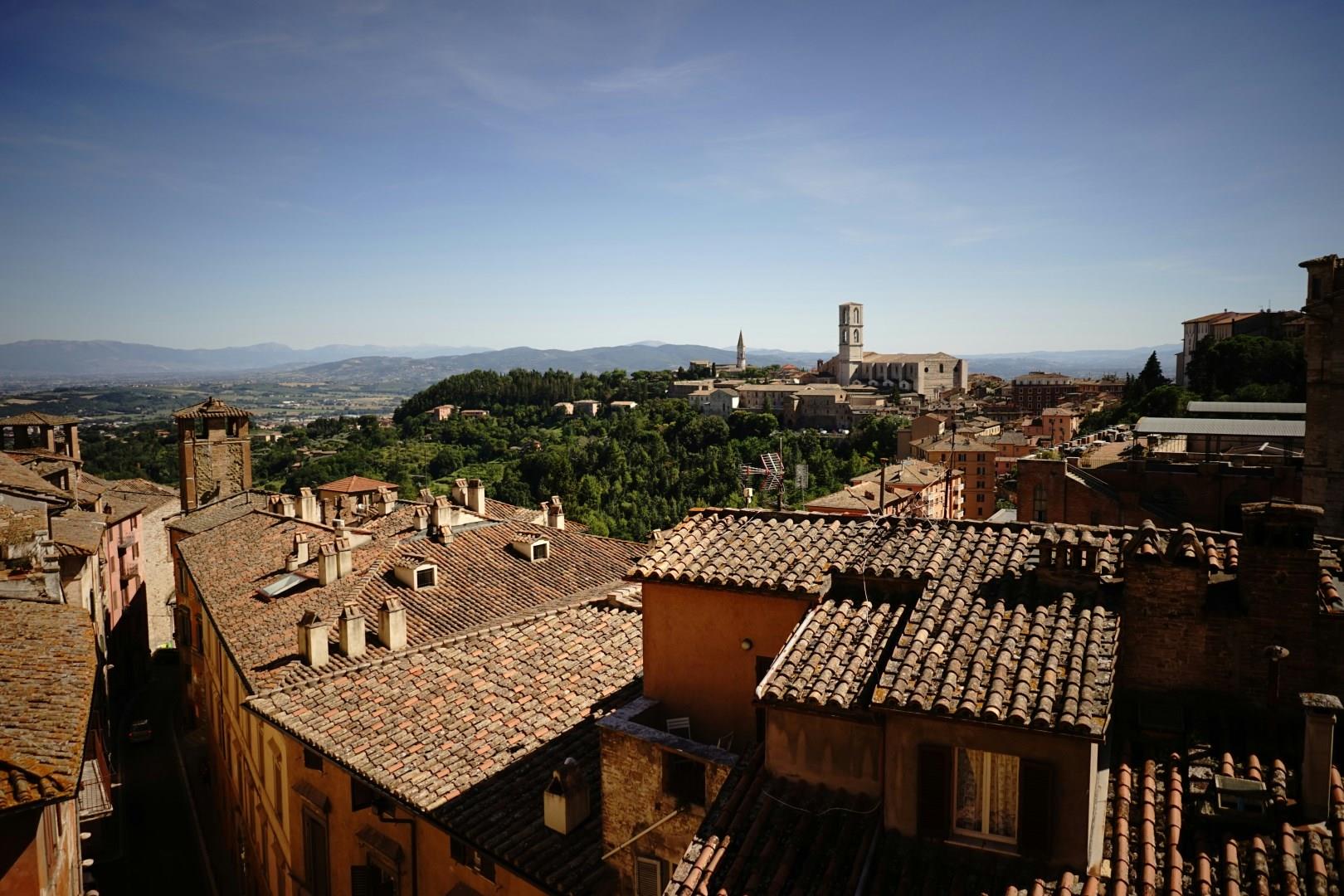
Perugia, the capital of Italy’s Umbria region, is a city built across hills and centuries. Originally settled by the Etruscans more than 2,500 years ago, it still holds remnants of their civilization, including one of the largest surviving Etruscan arches in Italy named Arco Etrusco, which greets visitors at the city’s entrance. Walking through the narrow streets of the historic center reveals layers of Roman, medieval, and Renaissance architecture, all woven together within ancient stone walls.
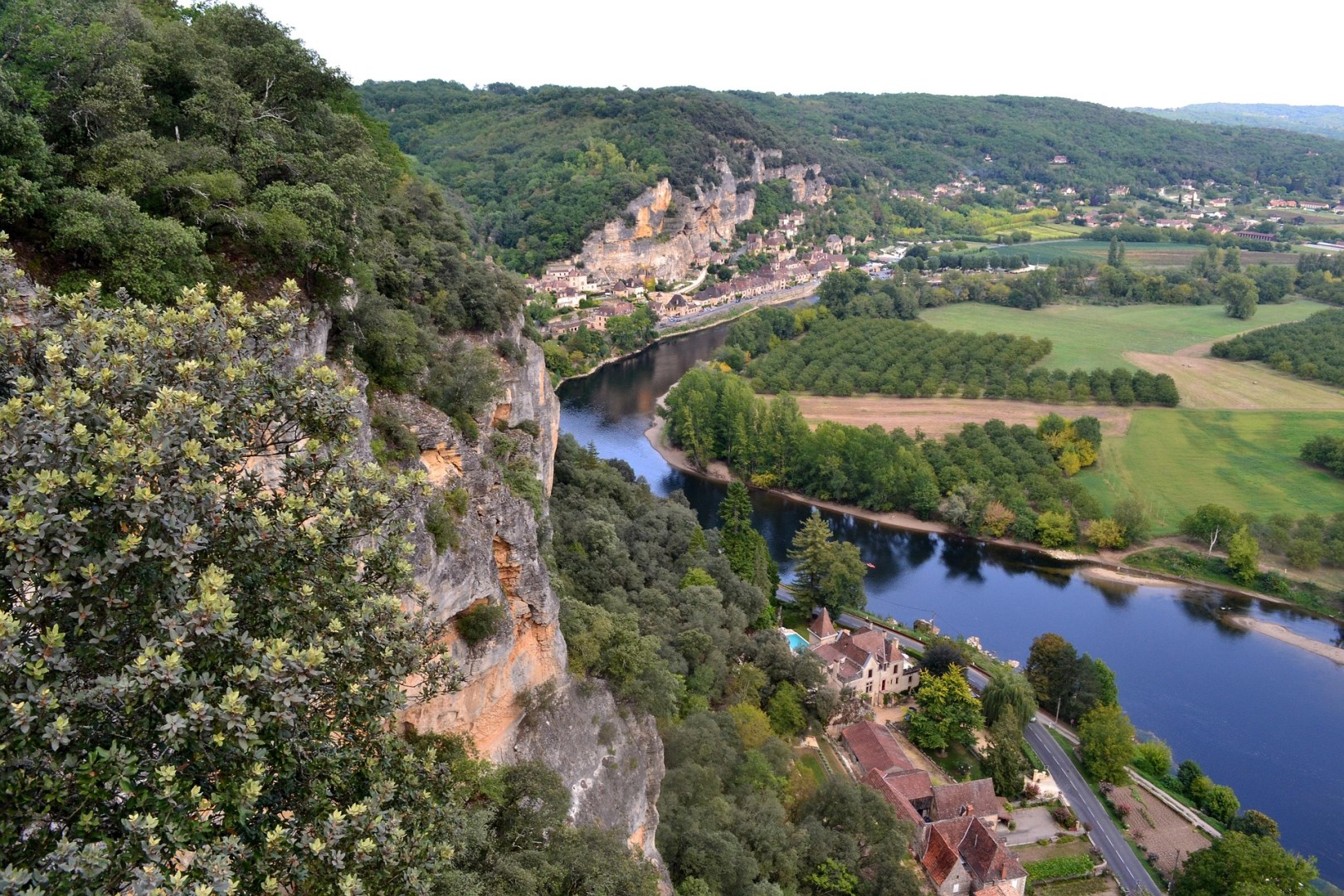
Dordogne River
The Dordogne River flows from the mountains of Auvergne to Bordeaux through the magnificent French countryside. The valley area named for the river is full of bucolic scenery, dotted with welcoming rural villages, quaint riverside castles, and plenty of opportunities for gourmet meals in true French tradition.