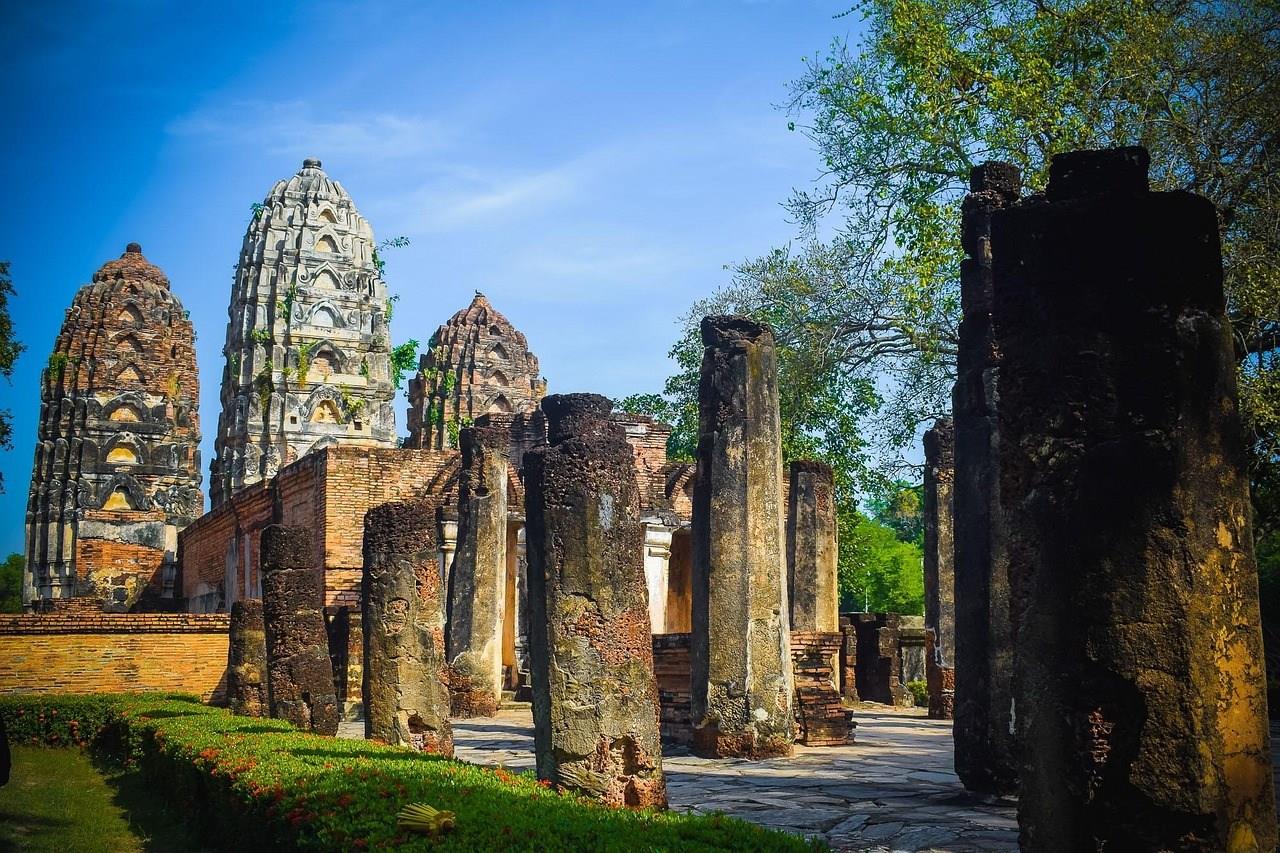
Sukhothai
Sukhothai, located in north-central Thailand, was once the capital of the first independent Thai kingdom in the 13th century. Today, it’s best known for the Sukhothai Historical Park, a UNESCO World Heritage Site filled with stone temples, lotus-filled moats, and ancient Buddha statues. The park spans over 70 square kilometers and features more than 190 ruins.

Laos
Laos, a landlocked country in Southeast Asia, is known for its lush landscapes, winding rivers, and rich Buddhist culture. The Mekong River flows along much of the country’s western border, offering both vital transportation routes and scenic vistas. Rolling hills, dense forests, and limestone karsts provide opportunities for hiking, kayaking, and exploring remote villages.

Las Vegas
Las Vegas, Nevada, is an electrifying city where glitz and glamour meet entertainment and excitement. Known as "The Entertainment Capital of the World," Las Vegas offers an unparalleled array of attractions, from its iconic casinos and luxurious hotels to its world-class dining and live shows. The city's entertainment scene is second to none, featuring legendary headliners, cutting-edge performances, and an array of themed attractions.

Ponta Delgada (Azores)
With its mix of cultural heritage and access to extraordinary landscapes, Ponta Delgada captures the spirit of the Azores. Whether exploring its historic streets, savoring local cuisine, or embarking on adventures in nature, travelers will find plenty to inspire and delight in this charming city.

Liverpool
Northwest England seaport city and the birthplace of the Beatles. Tourism is centered around the city's docks, and no visit is complete without The Beatles Story tour. Live music can be found from day to night at the Cavern Club.