Key West
Beaches, margaritas and relaxed vibes are all part of visiting the island city of Key West, where summer never ends.

Uruguay
Uruguay may be one of South America's smallest countries, but it packs a striking variety of experiences into its compact borders. From the cobbled streets of Colonia del Sacramento to the avant-garde coastline of José Ignacio, Uruguay blends old-world charm with modern personality. Montevideo, the capital, offers a glimpse into everyday life with its seaside promenade, called the “Rambla,” which stretches over 20 kilometers along the Río de la Plata.
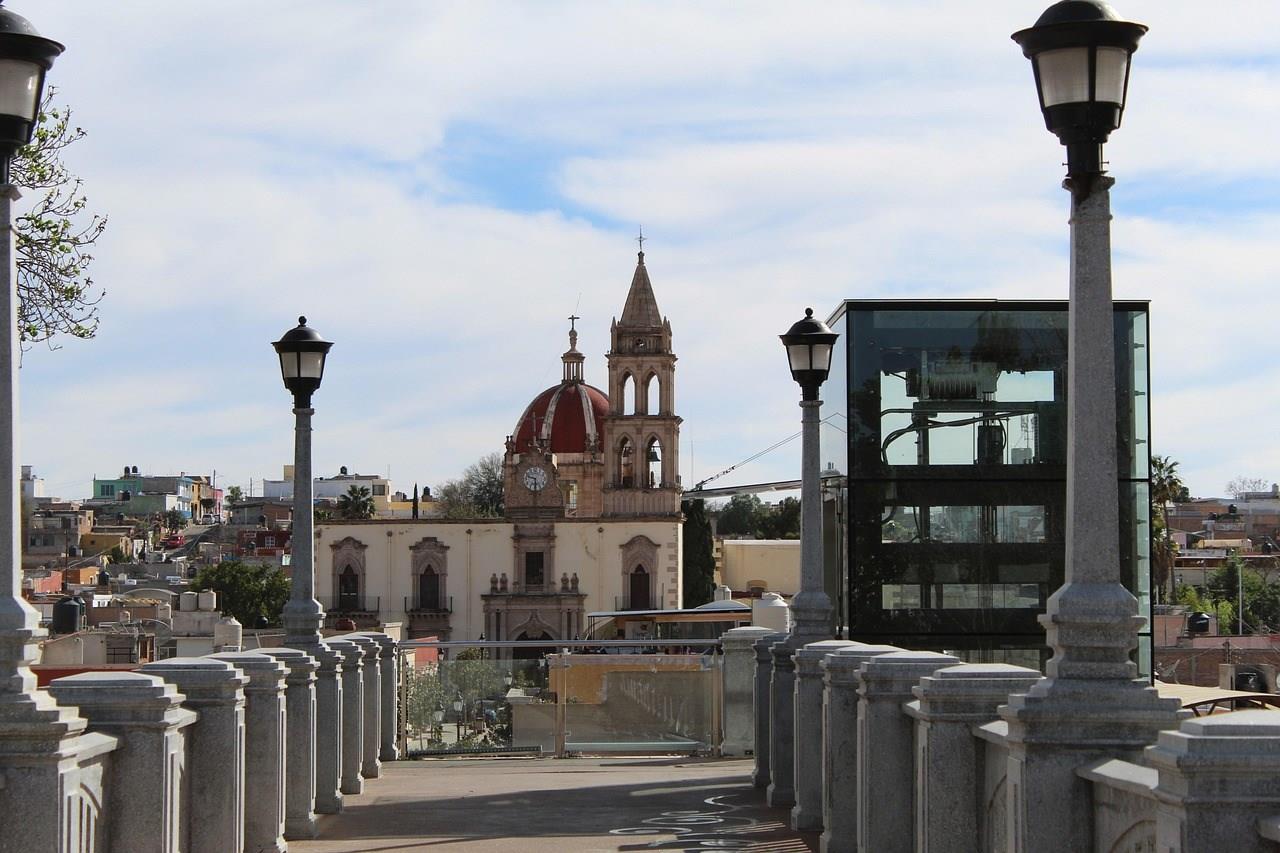
Durango
Victoria de Durango rises on a high plateau Mexico’s Sierra Madre Occidental, founded in 1563 by Francisco de Ibarra. Its streets trace layers of history: the historic center holds the most listed buildings in northern Mexico and remains a notable stop on the Camino Real de Tierra Adentro, now a UNESCO World Heritage route.
Cayenne
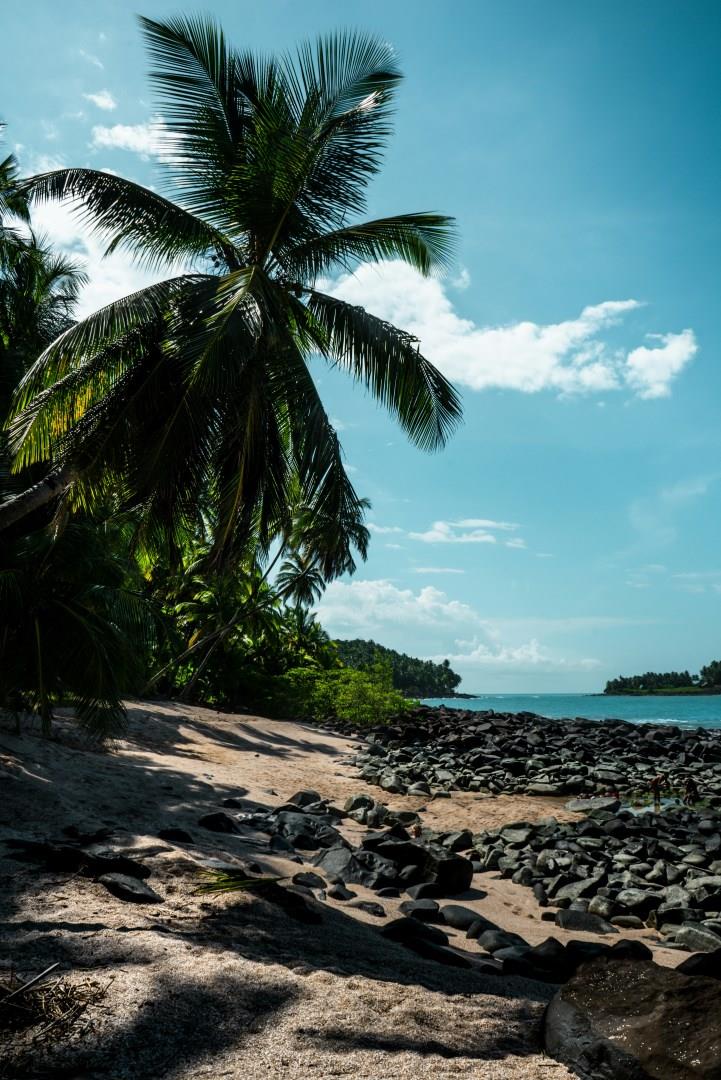
Cayenne, the lively capital of French Guiana, sits where the Cayenne River meets the Atlantic Ocean, blending South American rhythms with French-Caribbean influence. While it's officially part of France, Cayenne feels worlds away from Paris, with colorful markets, colonial architecture, and a language mix that includes French, Creole, Portuguese, and Indigenous dialects.
Sleeping Bear Dunes National Lakeshore
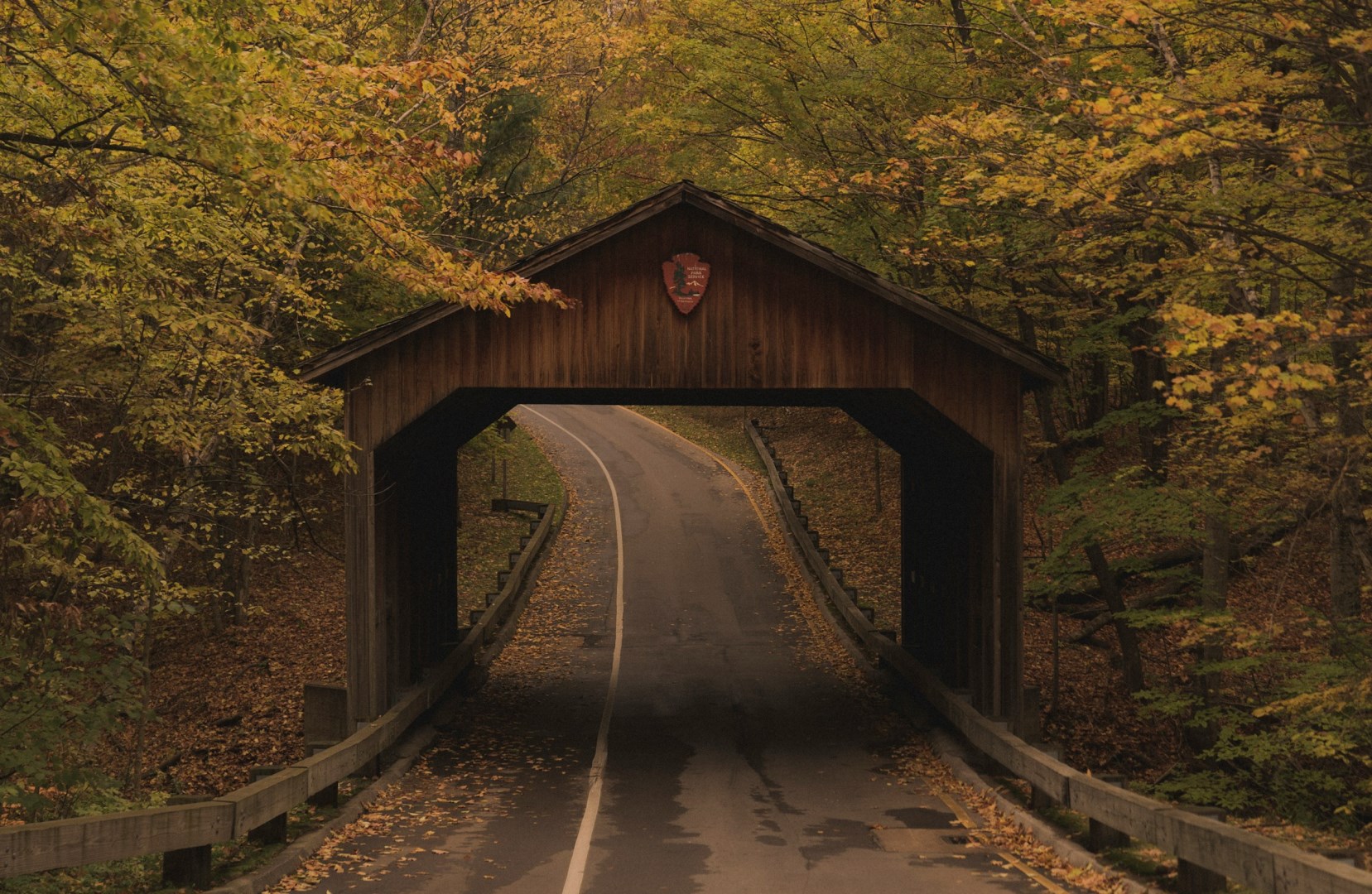
Sleeping Bear Dunes National Lakeshore occupies a long stretch of northwestern Michigan’s Lower Peninsula along Lake Michigan, protecting towering dunes, sandy beaches, forests, inland lakes, and steep coastal bluffs. The protected area extends across the Leelanau and Benzie county region and includes the Manitou Islands offshore. Its most recognizable feature is the Sleeping Bear Dune, which rises high above Lake Michigan and the surrounding landscape.