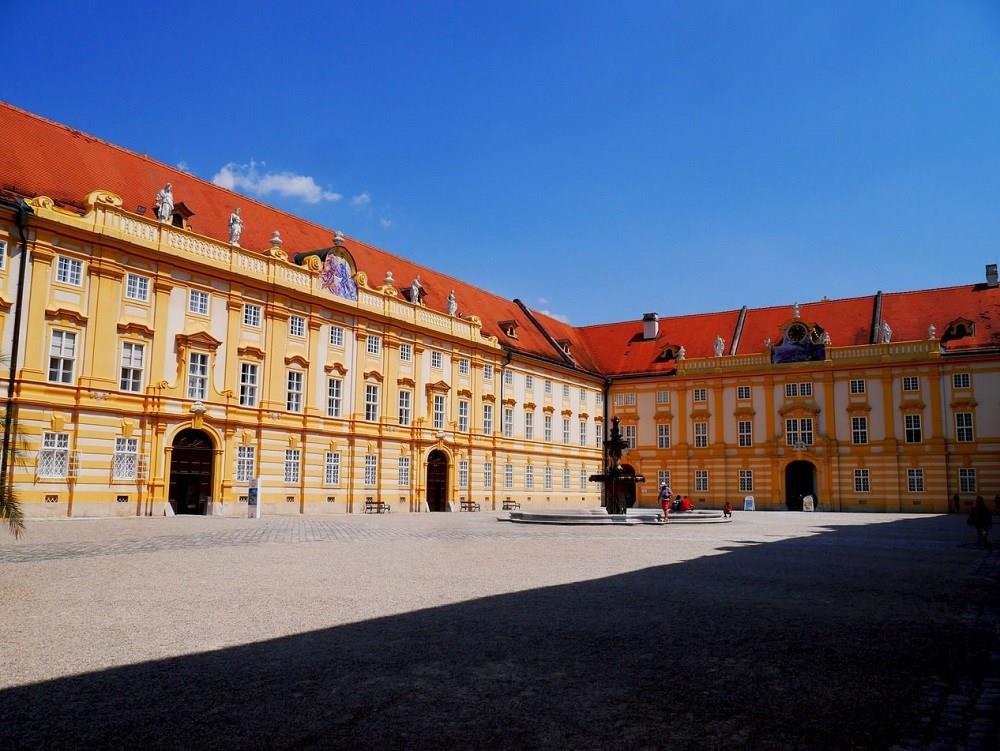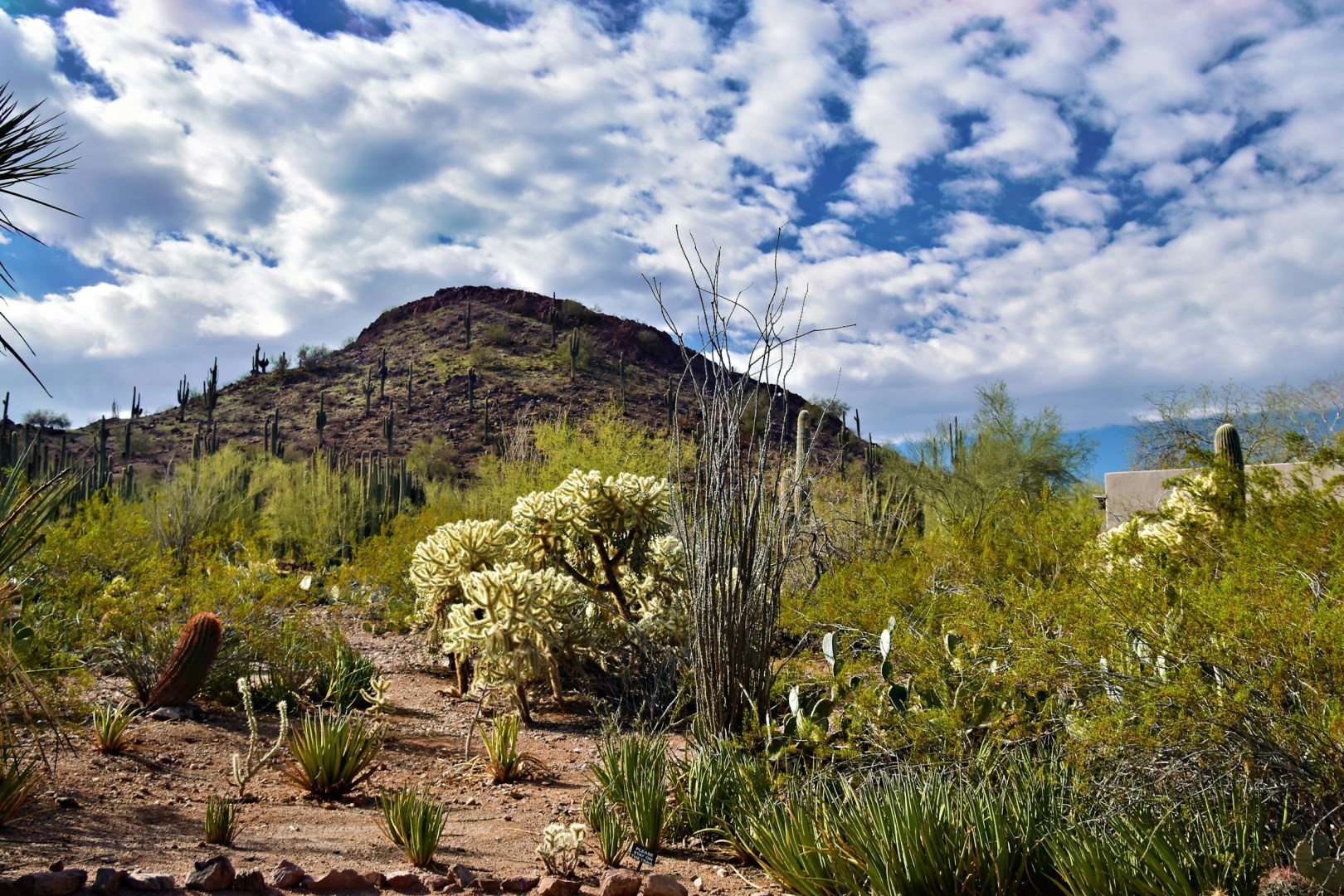
Chandler
Chandler, located in the southeastern part of the Phoenix metropolitan area in Arizona, is a vibrant city that balances modern urban amenities with a strong sense of community and history. Originally founded as an agricultural town in the early 20th century, Chandler has grown into a hub for technology, education, and culture, while still celebrating its roots through local heritage sites and events.

Inca Trail
The Inca Trail is a historic mountain route in Peru’s Cusco Region that leads through the Andes to Machu Picchu. The best-known route begins near Piscacucho, follows a network of stone paths through high valleys and mountain passes, and ends at Intipunku, or the Sun Gate, overlooking the archaeological site.

Oak Bluffs
Oak Bluffs is a coastal town on Martha’s Vineyard, Massachusetts, facing Vineyard Sound on the island’s northeastern shore. It is known for its colorful Carpenter Gothic cottages, harbor, beaches, and long association with summer tourism. The town center developed around Circuit Avenue, while the waterfront includes Oak Bluffs Harbor and a public beach along the sound.

Chioggia
Chioggia, often called "Little Venice," is a hidden gem in the Veneto region of Italy, known for its picturesque canals, charming historic center, and vibrant seafood markets. Located just south of Venice on the Venetian Lagoon, this fishing town offers a more peaceful and authentic experience than its famous neighbor, while still boasting beautiful architecture and rich history.
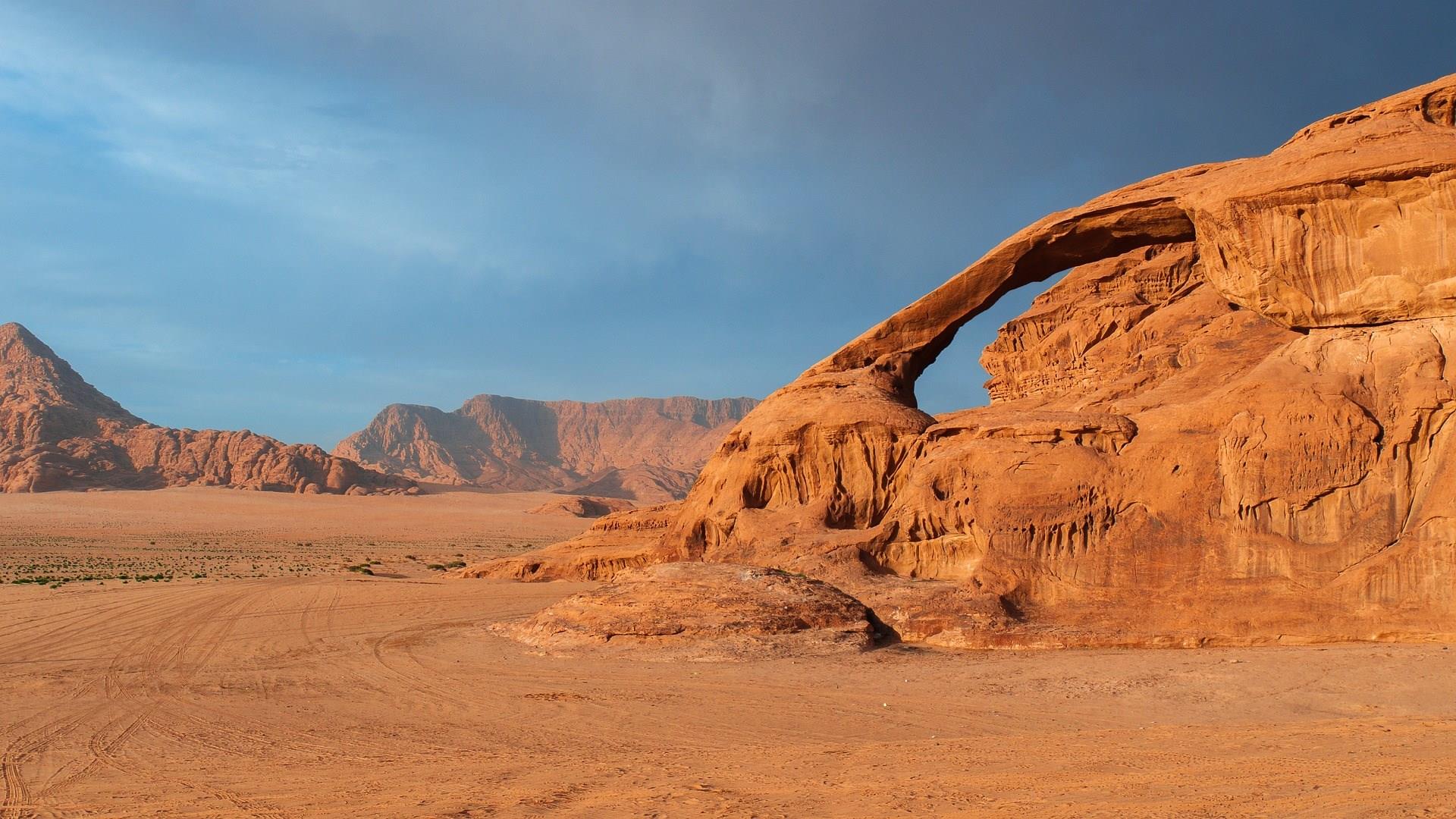
Wadi Rum
Wadi Rum, often called the “Valley of the Moon,” is a desert landscape in southern Jordan renowned for its dramatic sandstone mountains, sweeping red sand dunes, and ancient history carved into the rock. Its vast, otherworldly scenery has made it both a UNESCO World Heritage Site and a backdrop for films set on distant planets.