Germany
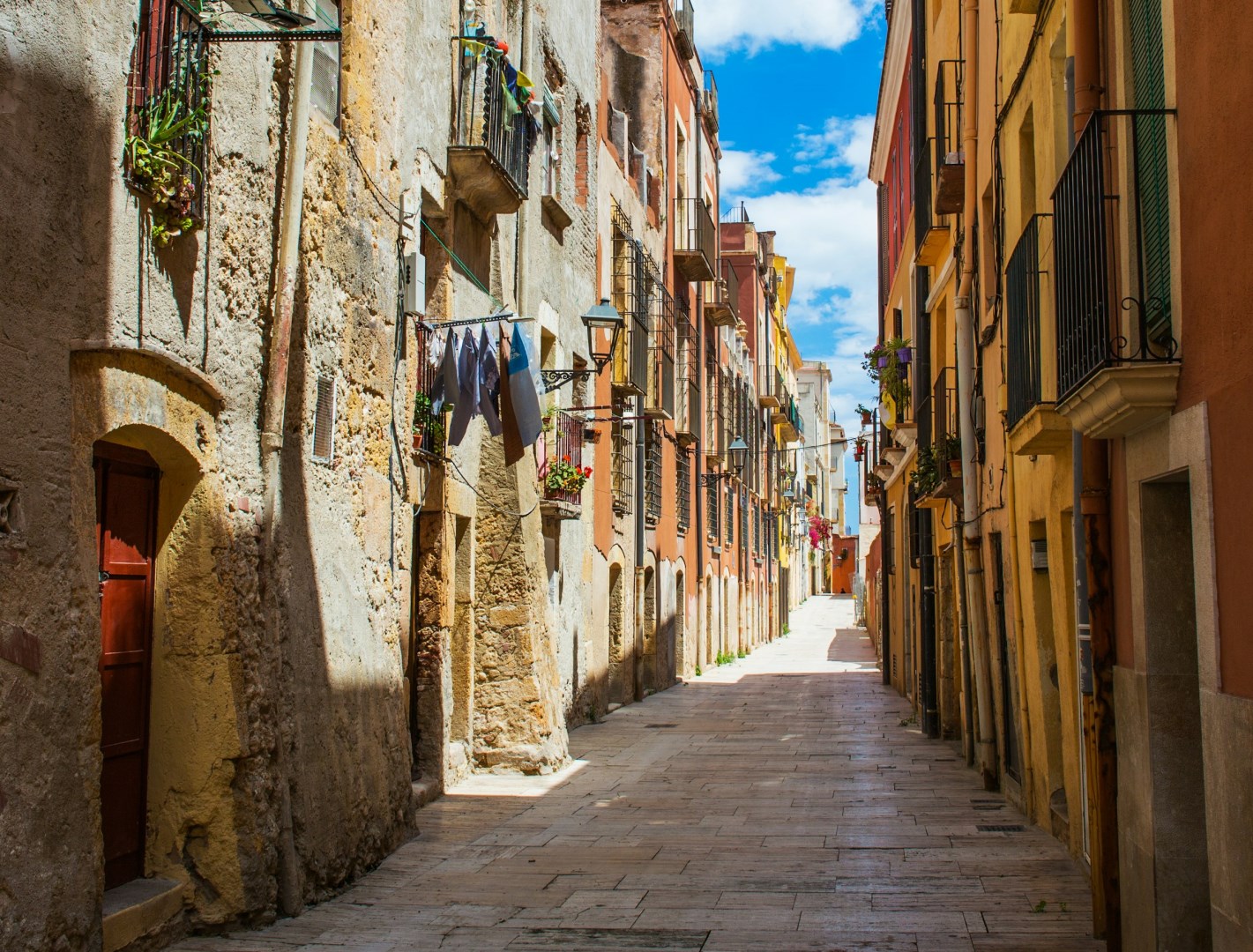
Germany offers a wide range of experiences, shaped by centuries of history, regional traditions, and striking landscapes. In Berlin, the past and present share the same streets. Visitors can walk along remnants of the Berlin Wall and then explore a thriving street art scene in neighborhoods like Kreuzberg and Friedrichshain. The city's Museum Island, a UNESCO World Heritage Site, houses ancient artifacts and 19th-century masterpieces just a short walk from modern coffee shops and rooftop bars.
Maseru
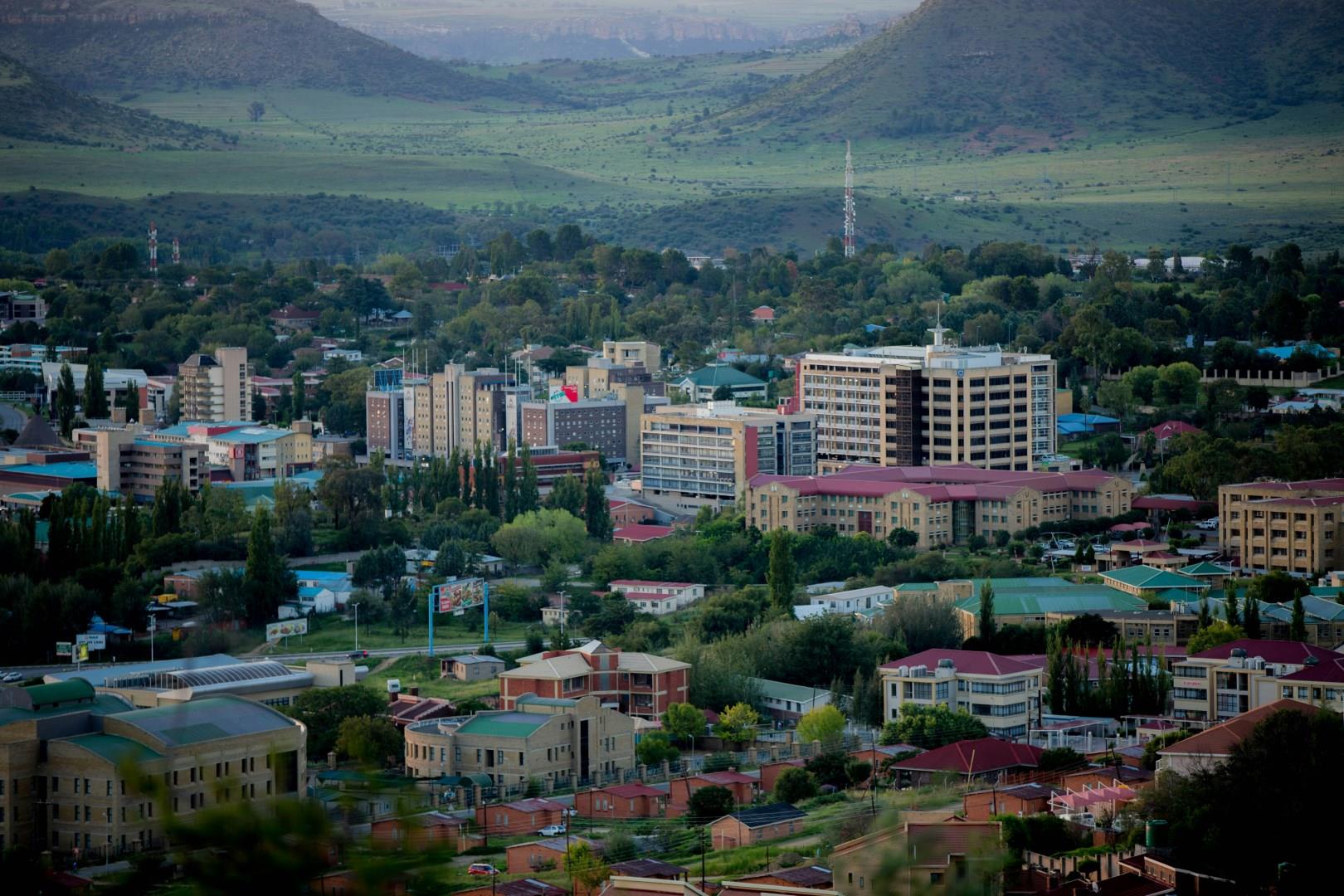
Maseru, the capital of Lesotho, sits along the banks of the Caledon River near the border with South Africa. As the political and economic center of the country, it offers a mix of modern amenities, government offices, and bustling markets.
Réunion
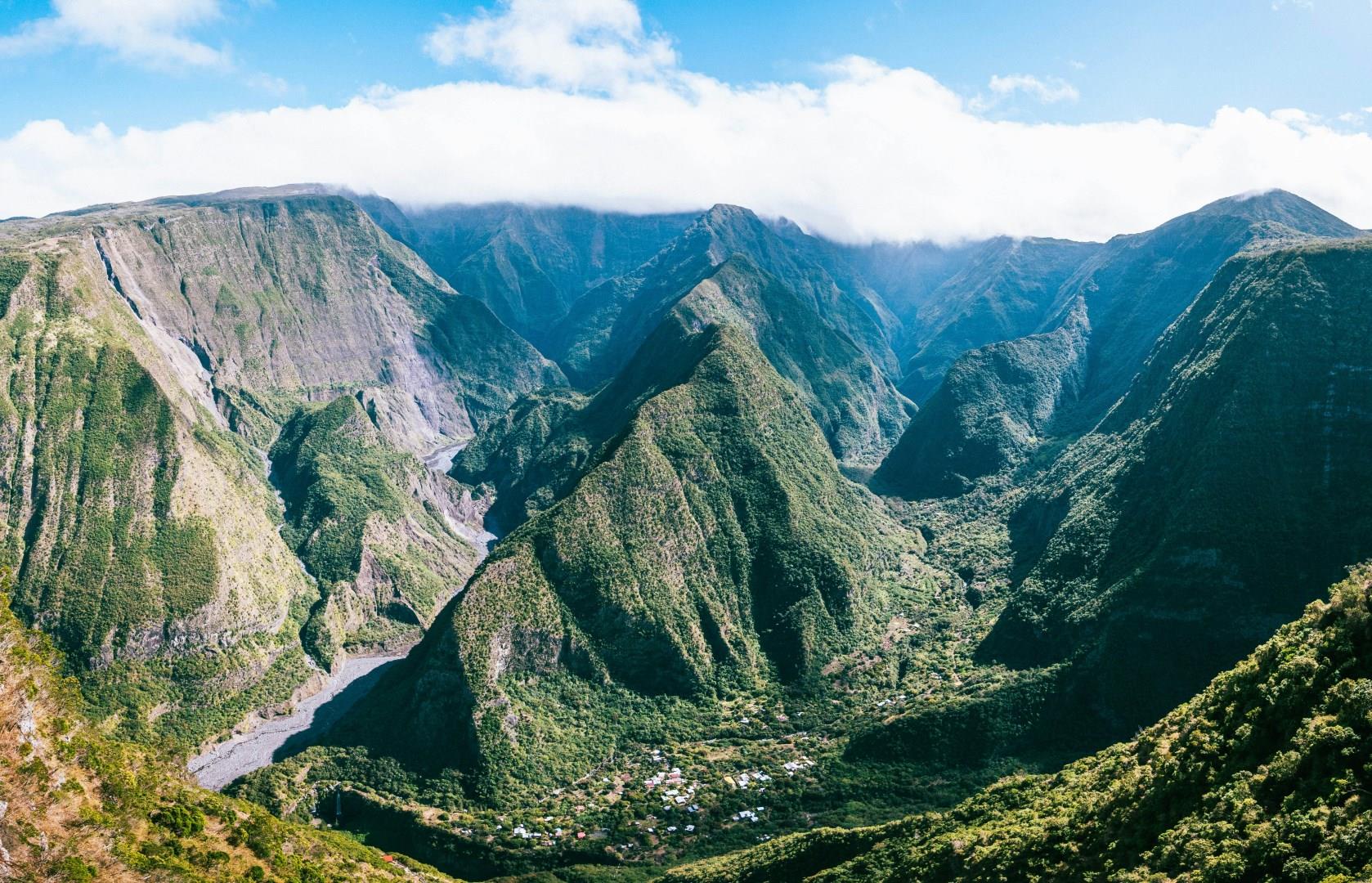
Réunion, a French overseas department in the Indian Ocean, lies east of Madagascar and combines European and Creole influences in a tropical setting. Its volcanic landscapes, lush forests, and coastal towns make it an extraordinary destination for those seeking both culture and nature.

Stanley
Stanley, the charming capital of the Falkland Islands, offers an enchanting glimpse into life at the edge of the world. Located on East Falkland, this quaint town is known for its picturesque harbor and colorful Victorian architecture. The town's rich maritime history is evident at the Falkland Islands Museum, which displays fascinating exhibits about the islands' past.

Bwindi Impenetrable National Park
Bwindi Impenetrable National Park, located in southwestern Uganda, is one of Africa’s most extraordinary natural treasures. Its dense rainforest, often draped in mist, shelters a wealth of biodiversity and has been recognized as a UNESCO World Heritage Site for both its ecological significance and natural beauty. This ancient forest is among the few places on earth where travelers can come face-to-face with mountain gorillas in their natural habitat.