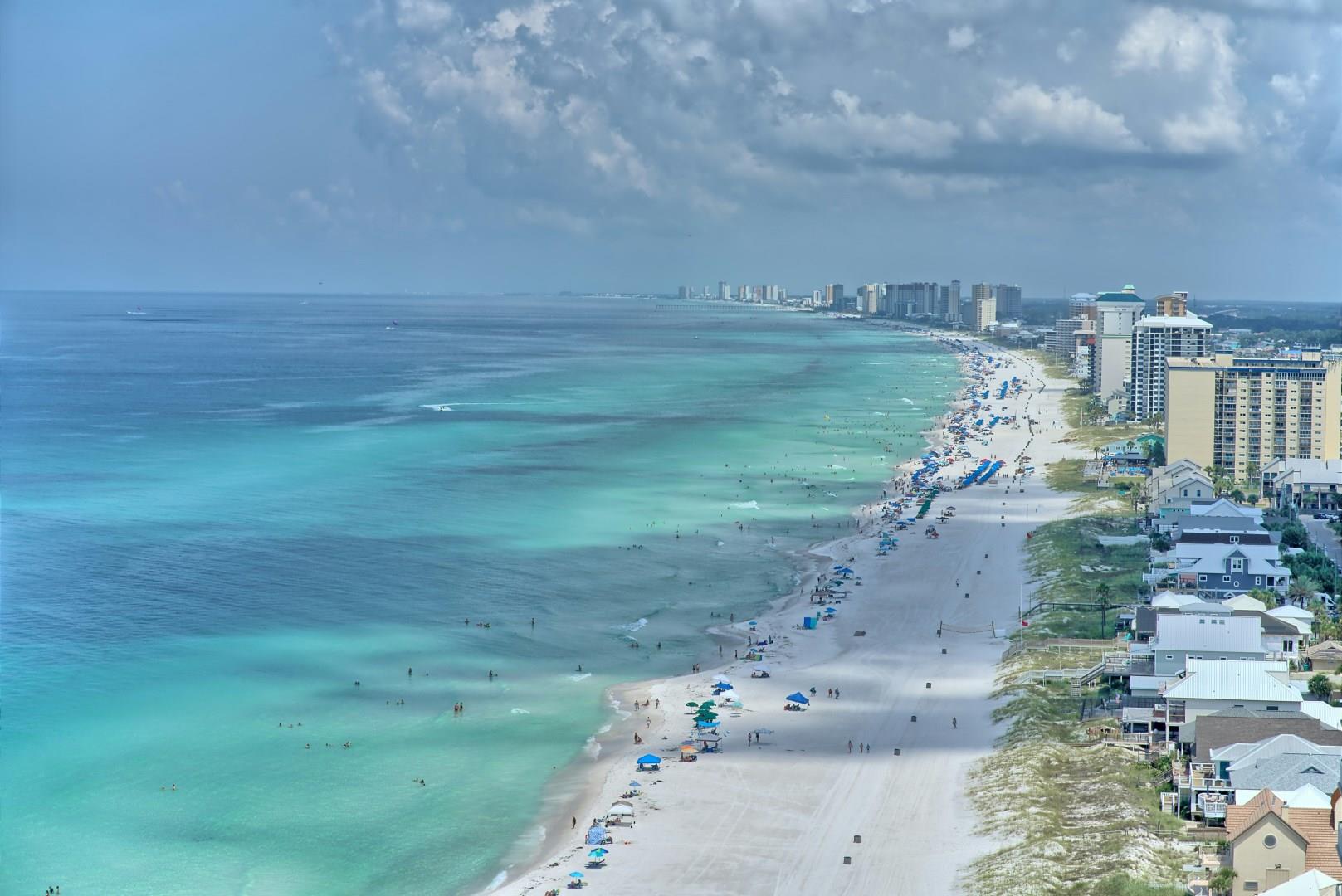
Panama City, Florida, sits along the Gulf Coast where maritime history and modern beach culture intersect. Originally tied to shipbuilding and fishing, the city developed around St. Andrews Bay, which still anchors local identity through working marinas and long-established neighborhoods.
St. George’s, the capital of Grenada, is a picturesque harbor town nestled within the rim of an extinct volcano. Its horseshoe-shaped Carenage, lined with pastel-colored colonial buildings, offers a postcard-perfect introduction to the island.
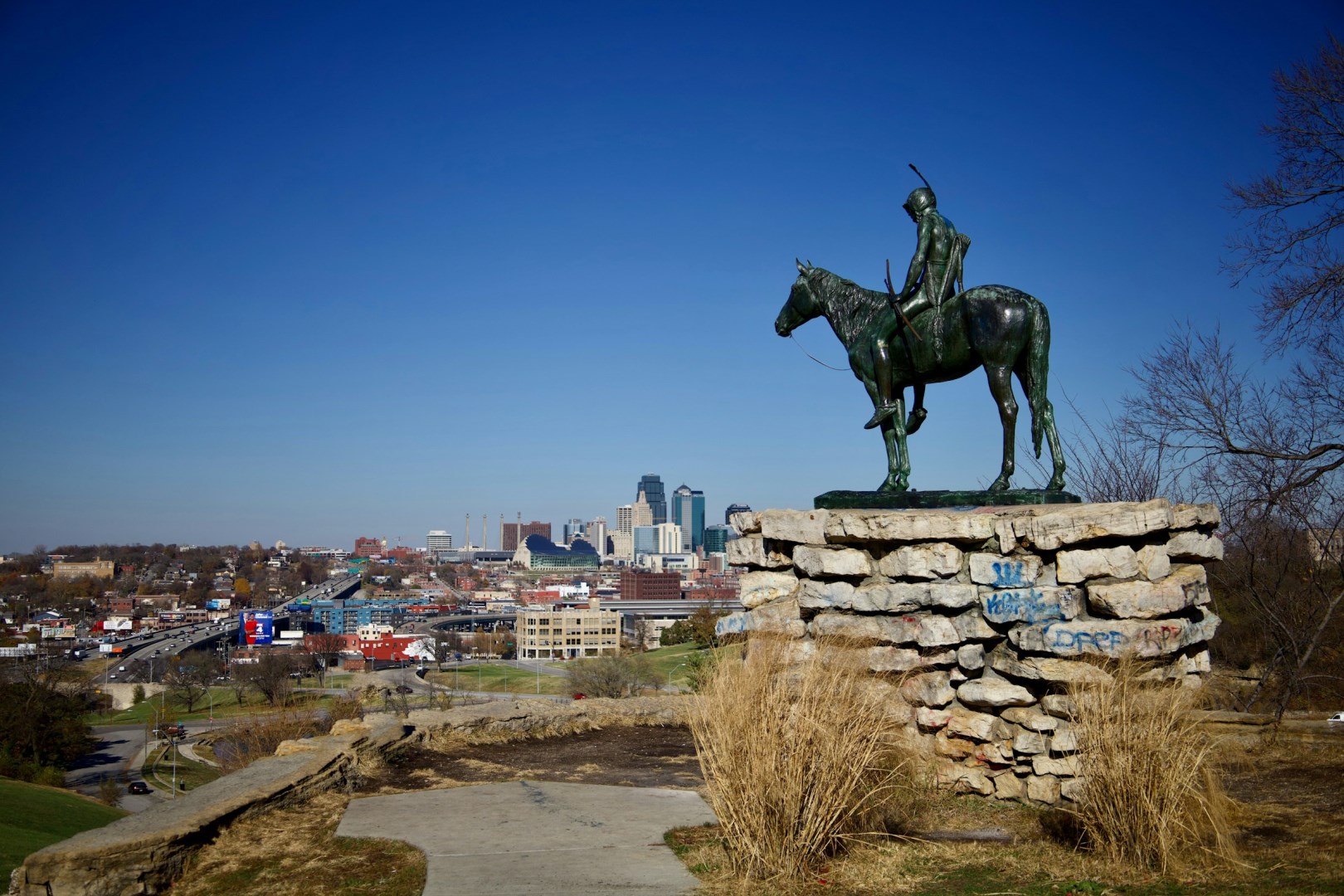
Kansas City is a major city in western Missouri, located where the Missouri and Kansas rivers meet near the Kansas state line. Its landscape includes rolling hills, broad river valleys, wooded parks, and a network of distinctive neighborhoods. The city developed as a transportation and commercial center, with railroads, livestock markets, manufacturing, and river trade shaping its growth.
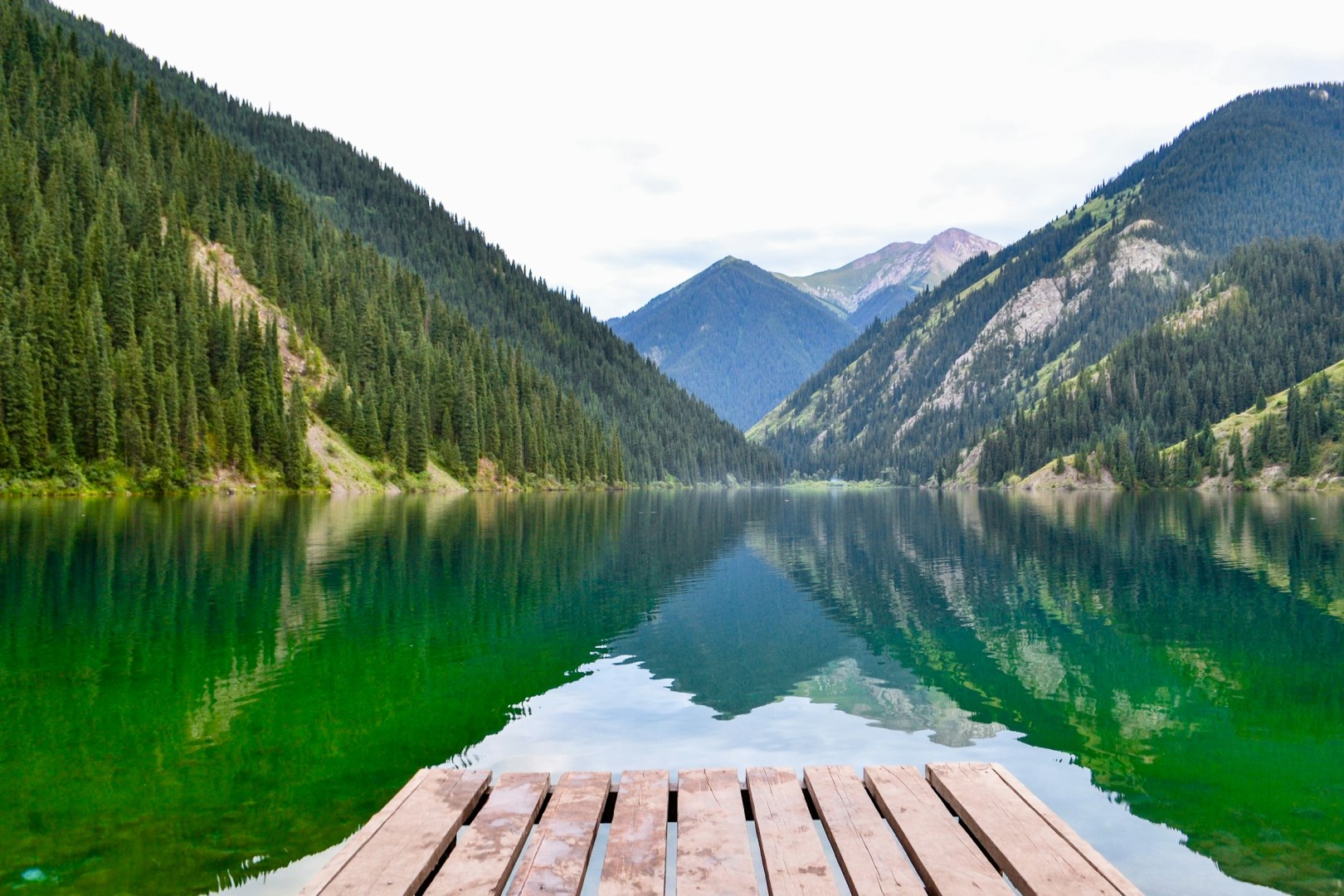
Kolsai Lakes National Park is a protected mountain area in southeastern Kazakhstan, located in the northern Tian Shan east of Almaty. The park is centered on a chain of alpine lakes surrounded by steep forested slopes, rocky peaks, and mountain valleys. The three Kolsai Lakes occupy different elevations along the Kolsai River, with the landscape changing from coniferous forest at lower levels to alpine terrain higher in the mountains.
Seven miles outside of historic Athens, the Greek coastal city of Piraeus lies upon the sparkling waters of the Aegean Sea and is the largest passenger port in Europe, servicing nearly 20 million passengers per year.
Photo Credit: Photo by Tadeusz Zachwieja on Unsplash
Photo Credit: Photo by Maksym Harbar on Unsplash
Photo Credit: Photo by Anna Gru on Unsplash
Photo Credit: Photo by Soheil Arbabi on Unsplash
Photo Credit: Photo by Tadeusz Zachwieja on Unsplash
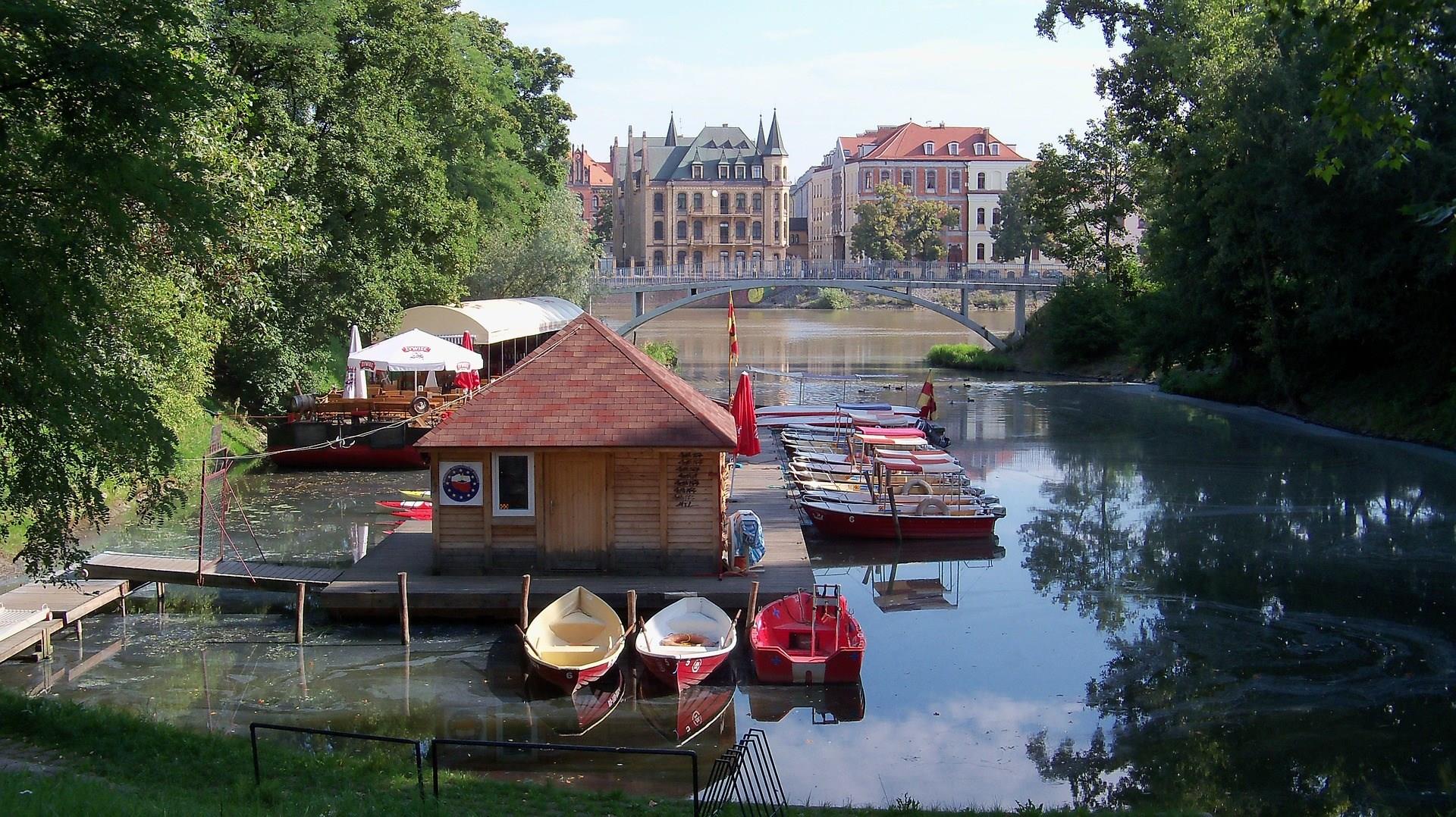
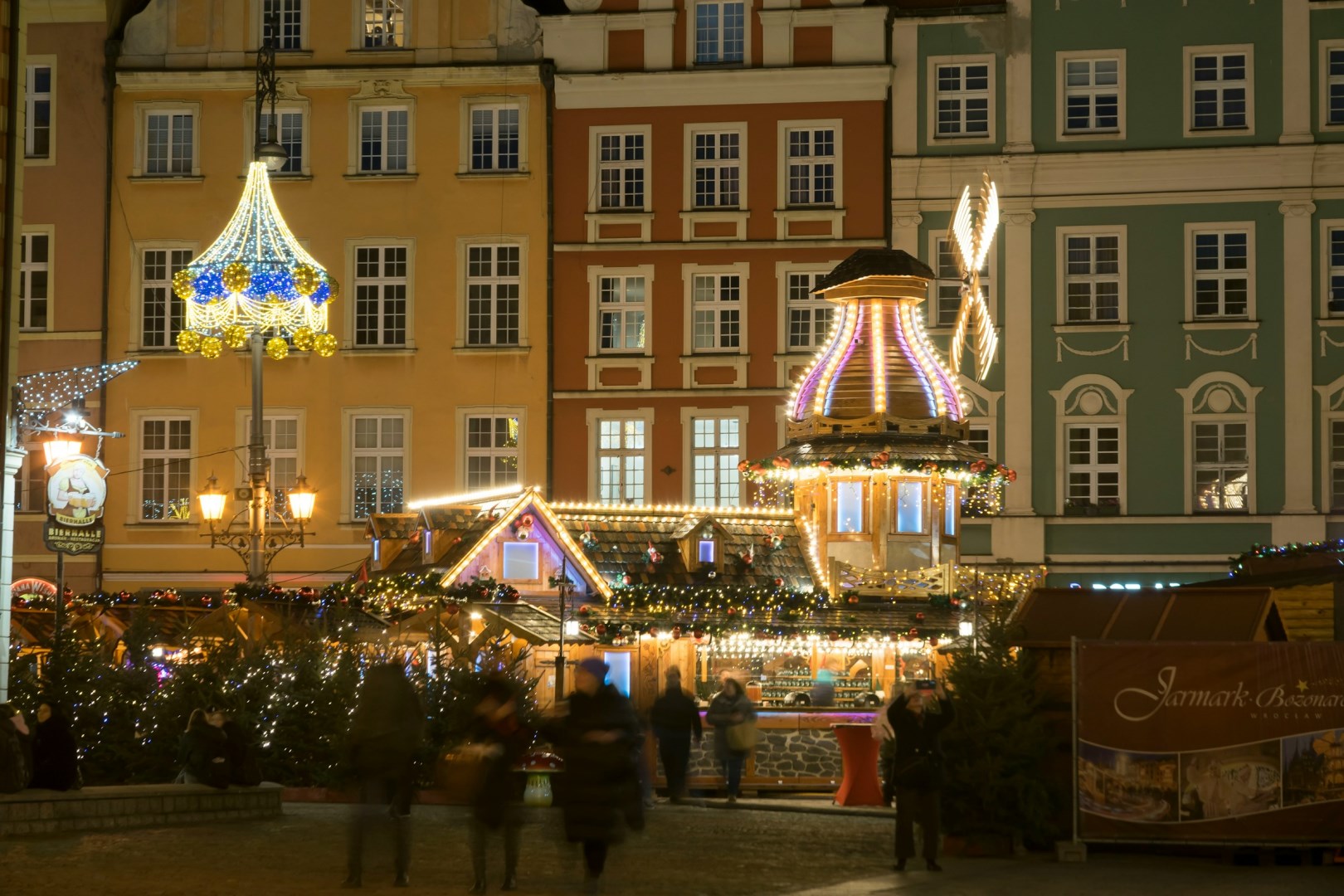
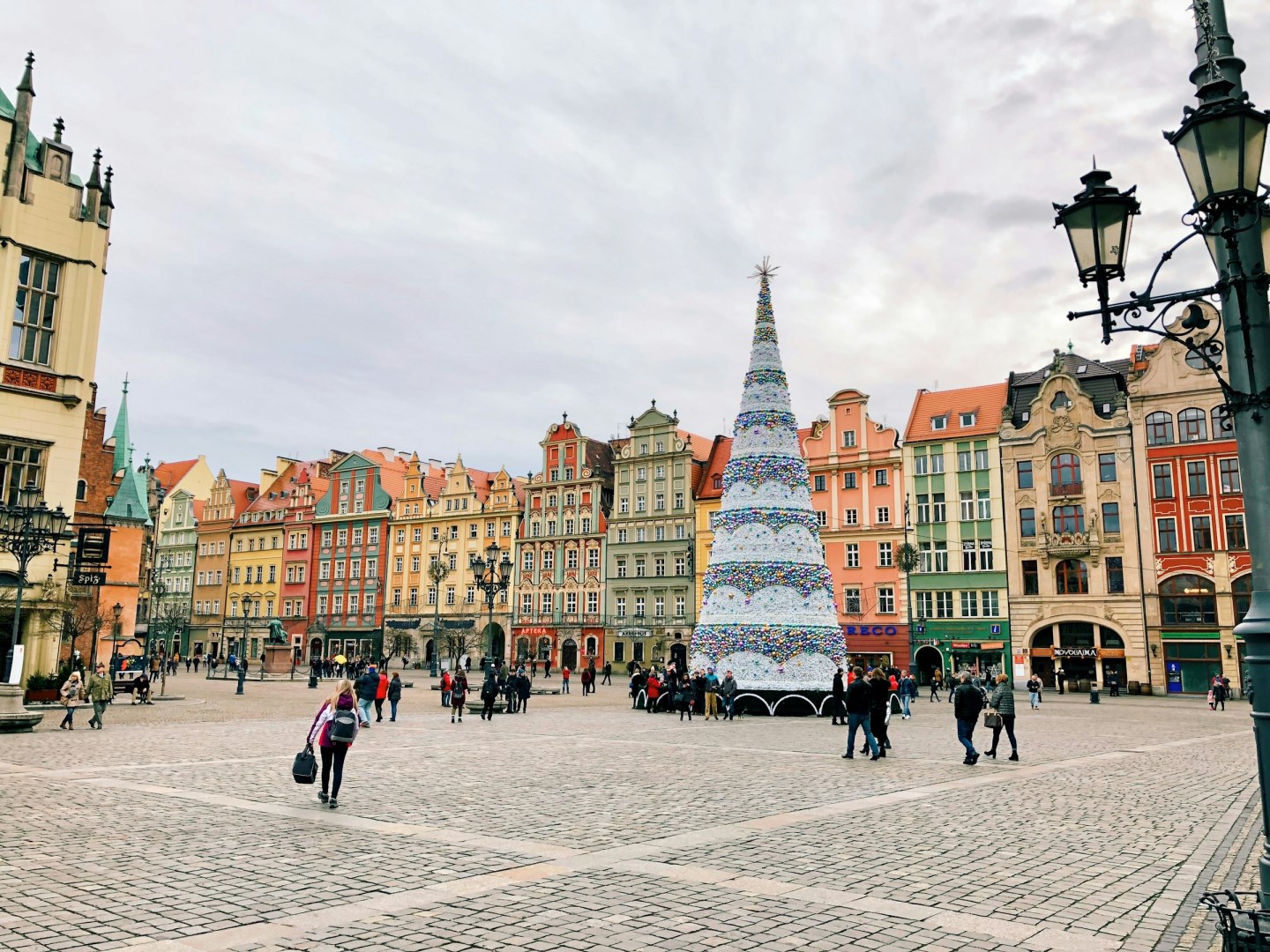
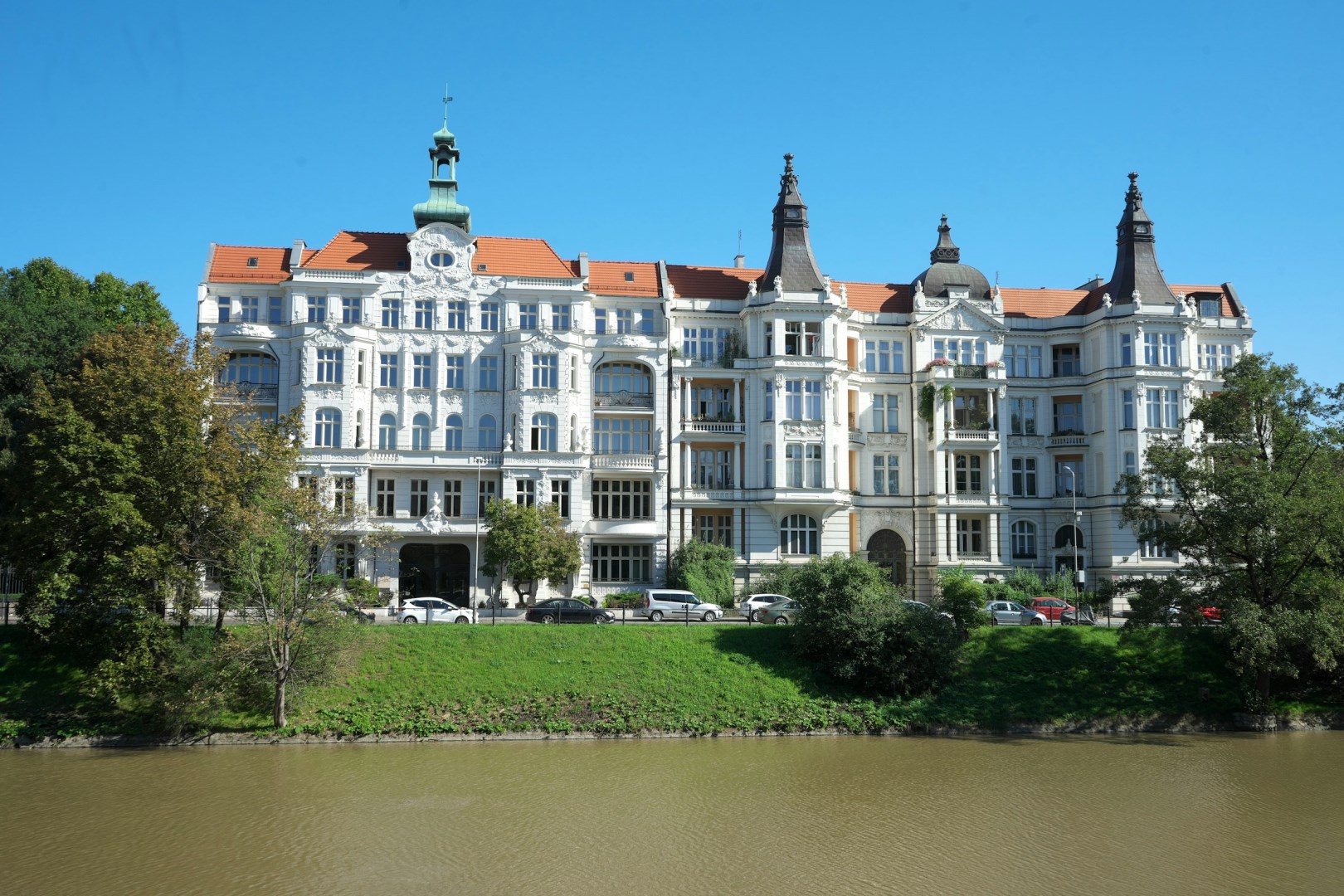
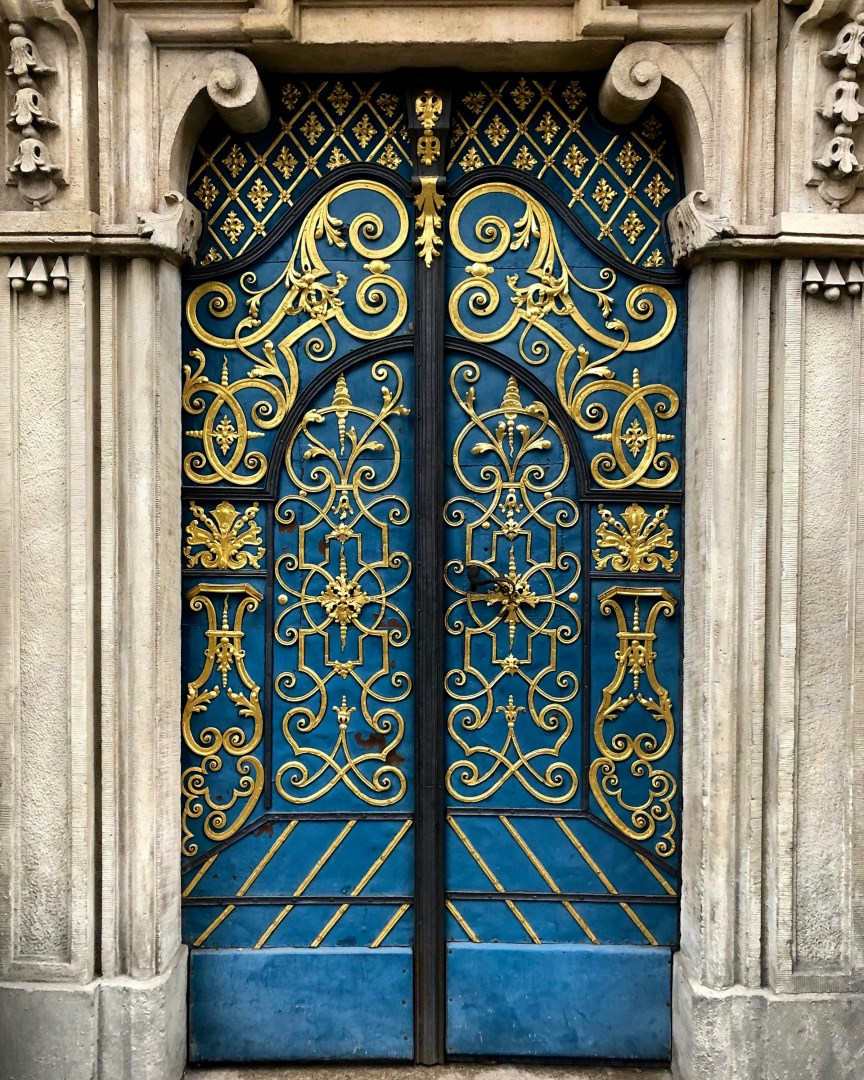
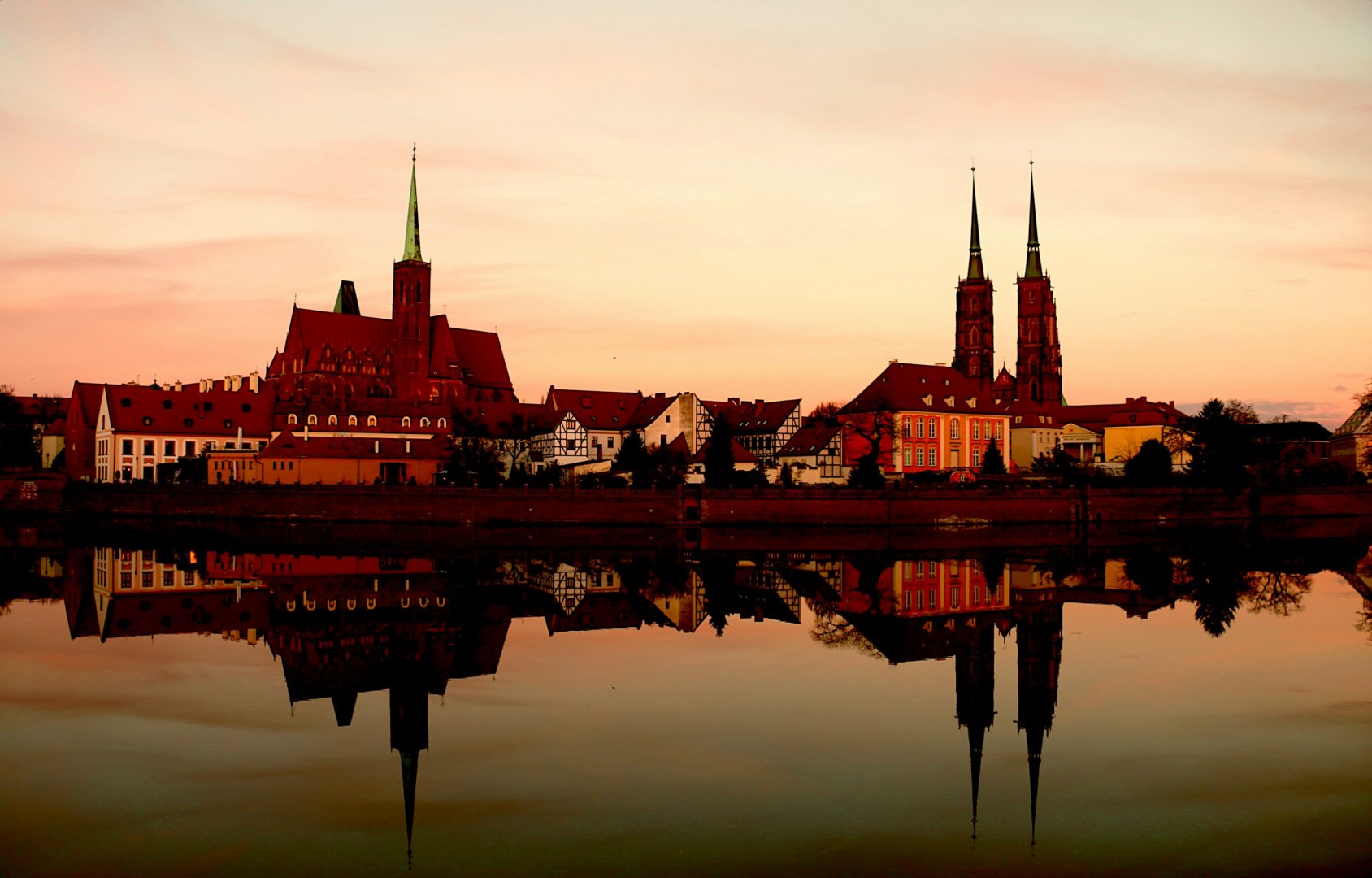
Wrocław, a captivating gem in southwestern Poland, enchants visitors with its rich history, vibrant culture, and stunning architecture. The city’s picturesque Old Town is centered around the magnificent Market Square (Rynek), where colorful facades and historic buildings like the Gothic Wrocław Town Hall create a fairy-tale atmosphere. Stroll through the cobblestone streets and explore the charming squares and alleys that are dotted with lively cafes and shops.
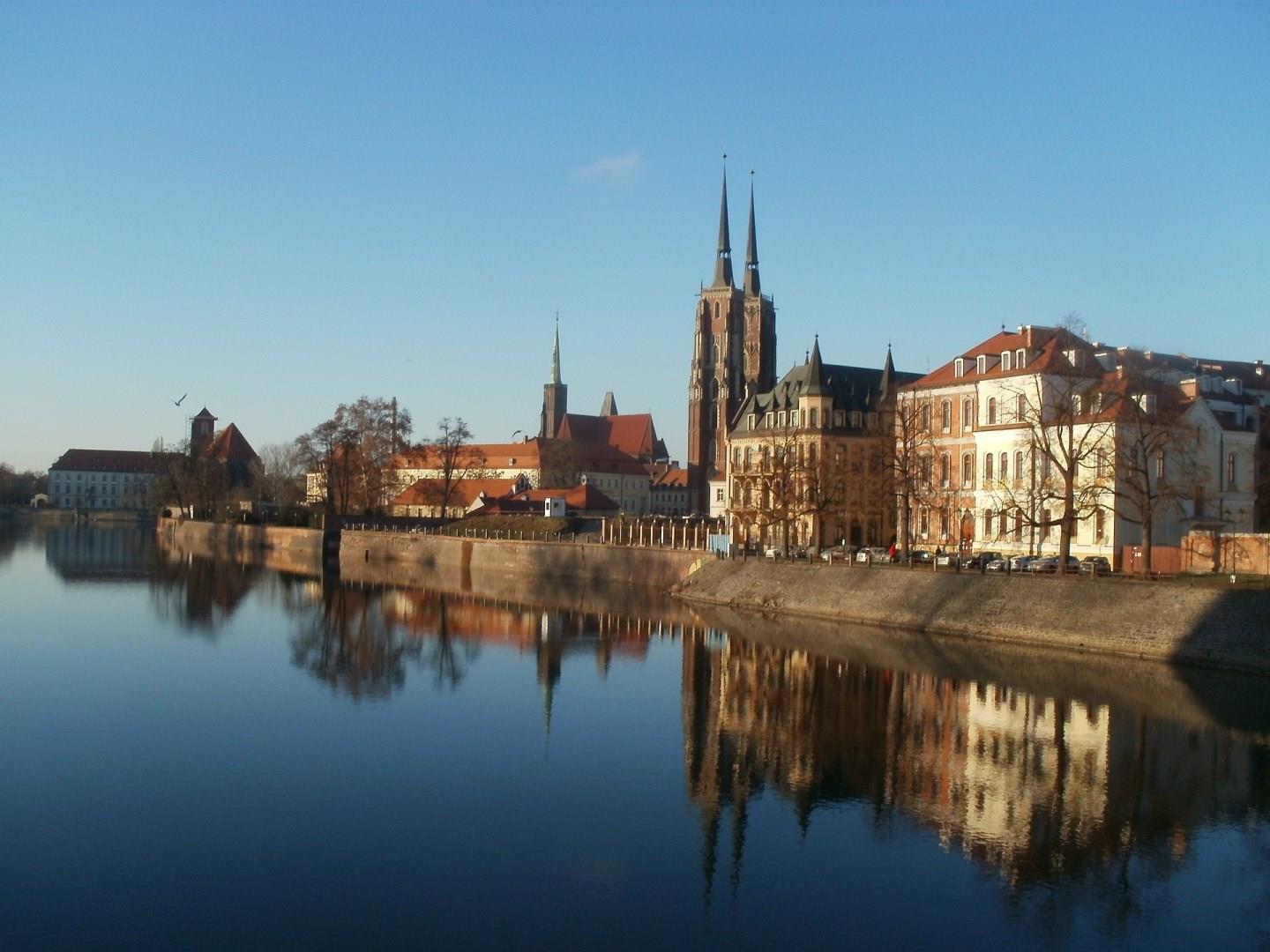
A true highlight of Wrocław is its array of bridges and waterways that weave through the city. Known as the “Venice of the North,” Wrocław boasts more than 100 bridges and over 12 islands. A leisurely boat trip along the Odra River offers unique views of the city’s skyline and historic architecture. Don't miss the Cathedral Island, a tranquil area where you can admire the stunning Wrocław Cathedral and enjoy the serene atmosphere.
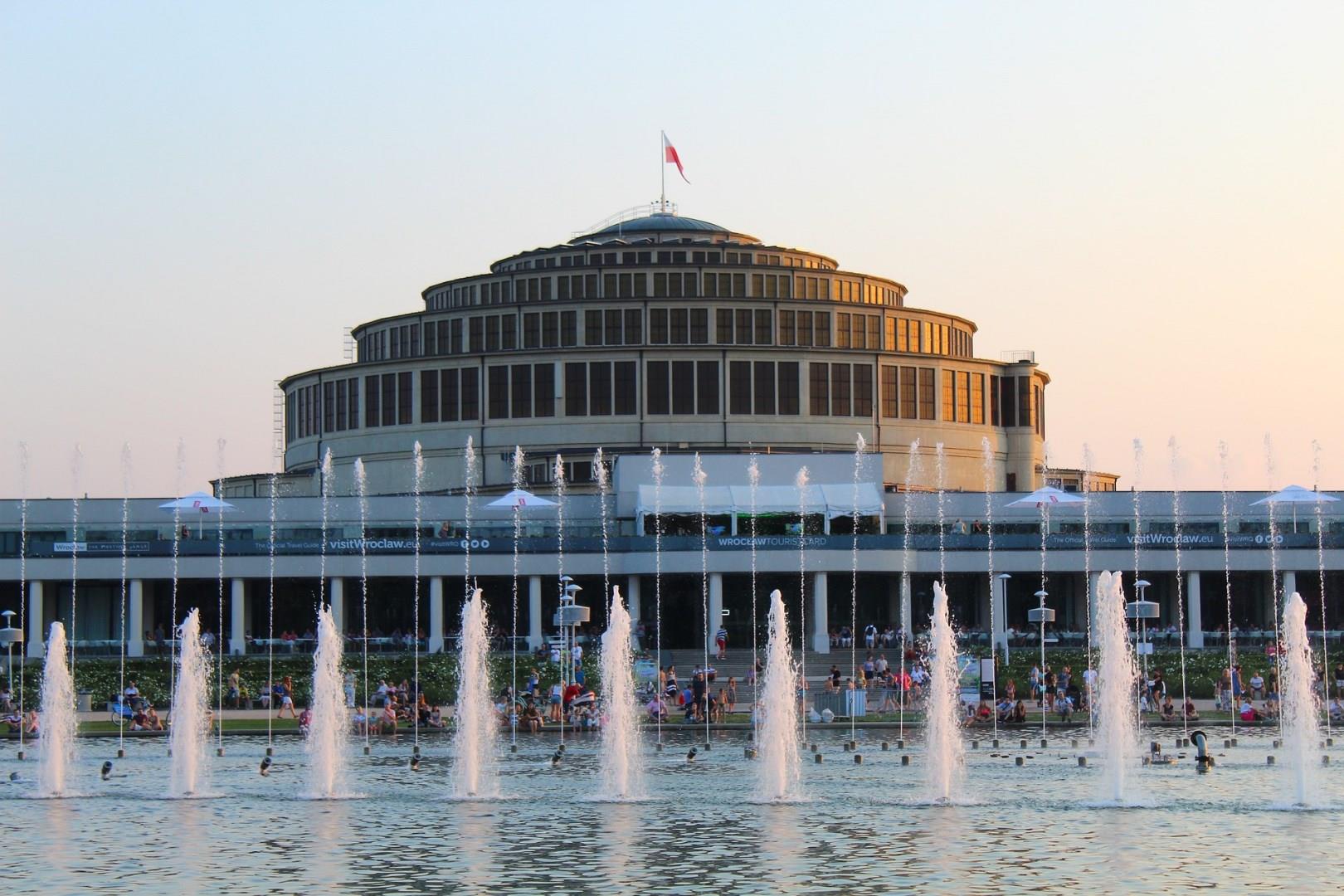
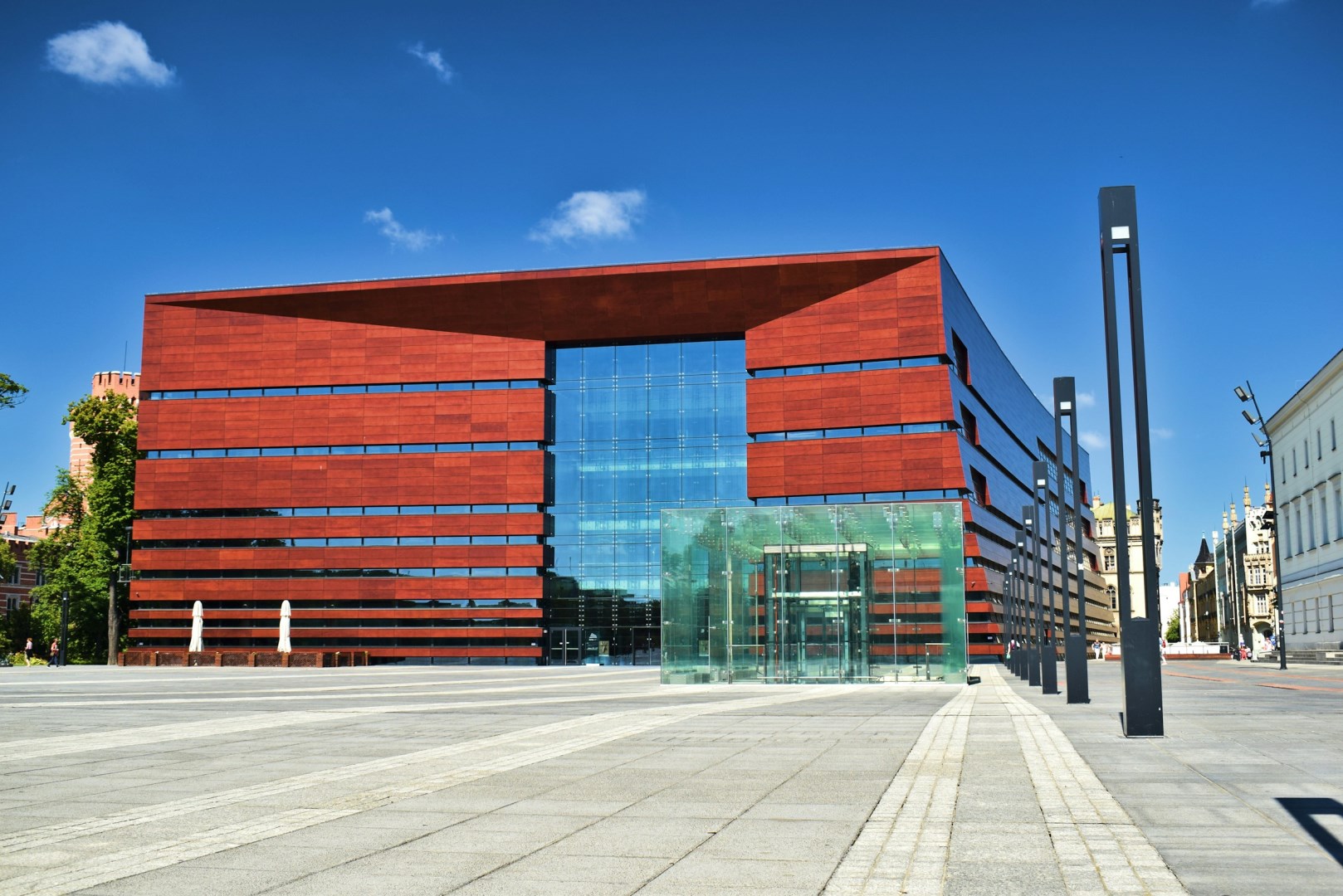
For a taste of Wrocław’s vibrant cultural scene, visit the Centennial Hall, a UNESCO World Heritage Site known for its groundbreaking architectural design. The hall hosts a variety of events, including concerts, exhibitions, and sports activities.
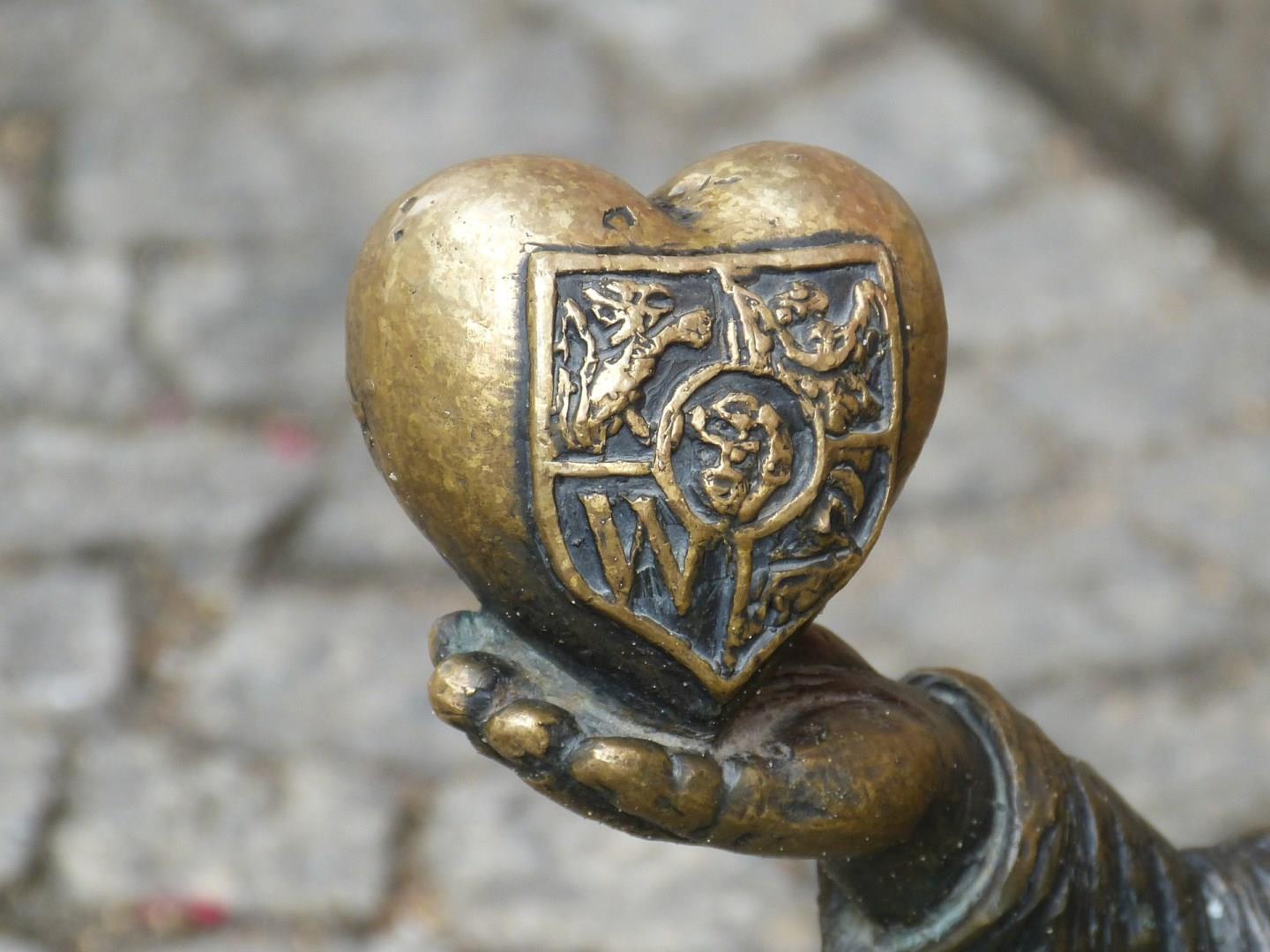
Fun Fact: Wrocław is famously home to over 400 dwarfs scattered throughout the city. These whimsical statues, each with its own unique design, are a delightful scavenger hunt for visitors. The dwarfs started as a symbol of resistance against the communist regime and have since become a charming and beloved part of Wrocław’s urban landscape.
Other Popular Destinations in Poland
Kraków
Kraków lies in southern Poland along the Vistula River and serves as one of the country’s most recognized cultural centers. Its layout is shaped by a well-preserved historic core, with streets radiating from a large central square. The city retains a human scale, where daily life unfolds among historic buildings, universities, and markets. It stands apart for its continuity of urban life, where medieval structures coexist with modern institutions without dramatic contrast.
Gdansk
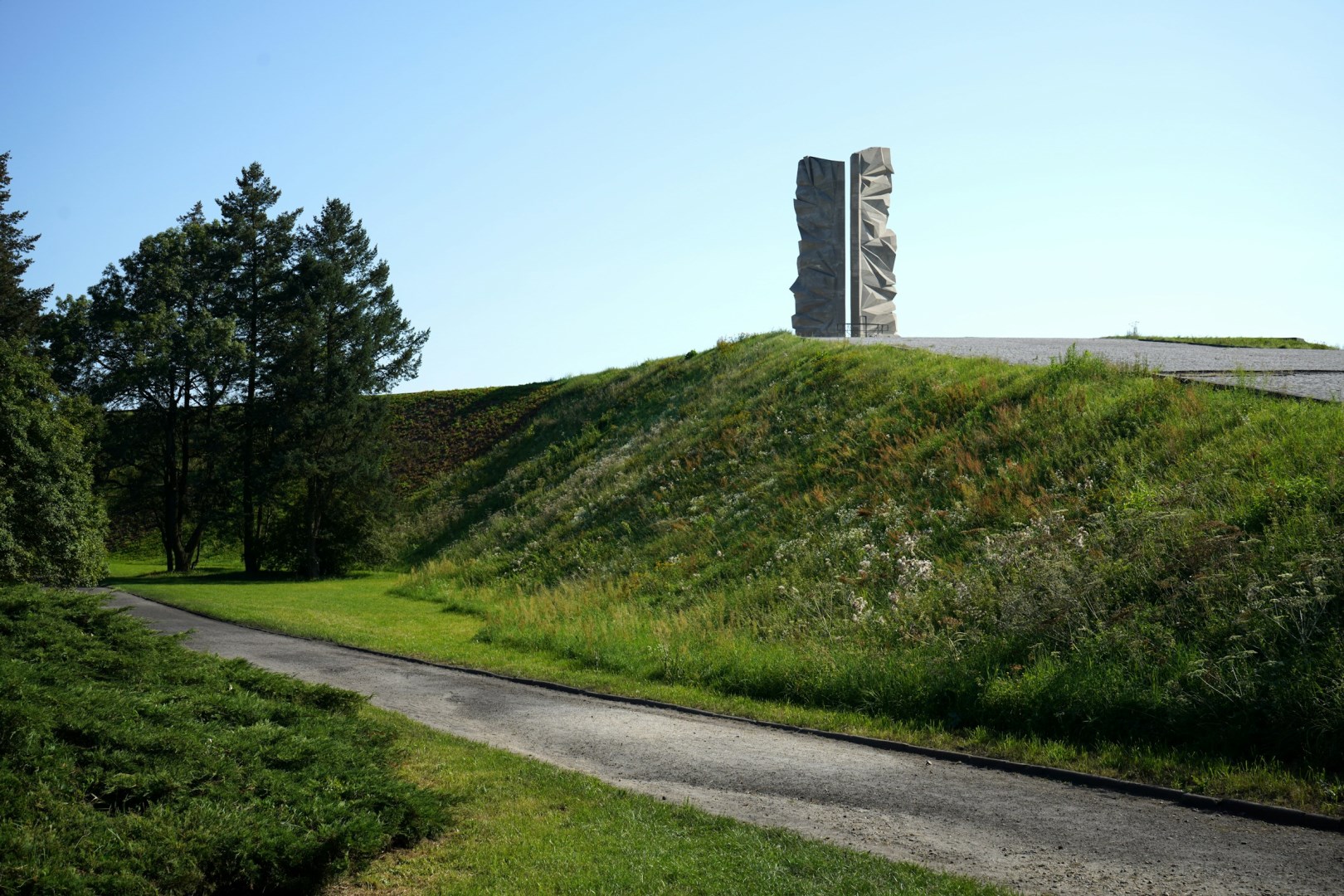
Gdańsk, a vibrant port city on Poland's Baltic coast, is a hidden gem that seamlessly blends rich history with modern charm. As the largest city in northern Poland, Gdańsk has a unique identity shaped by centuries of trade, political turmoil, and cultural exchange. The city's Old Town is a feast for the eyes, with its beautifully reconstructed buildings that harken back to its Hanseatic glory days.