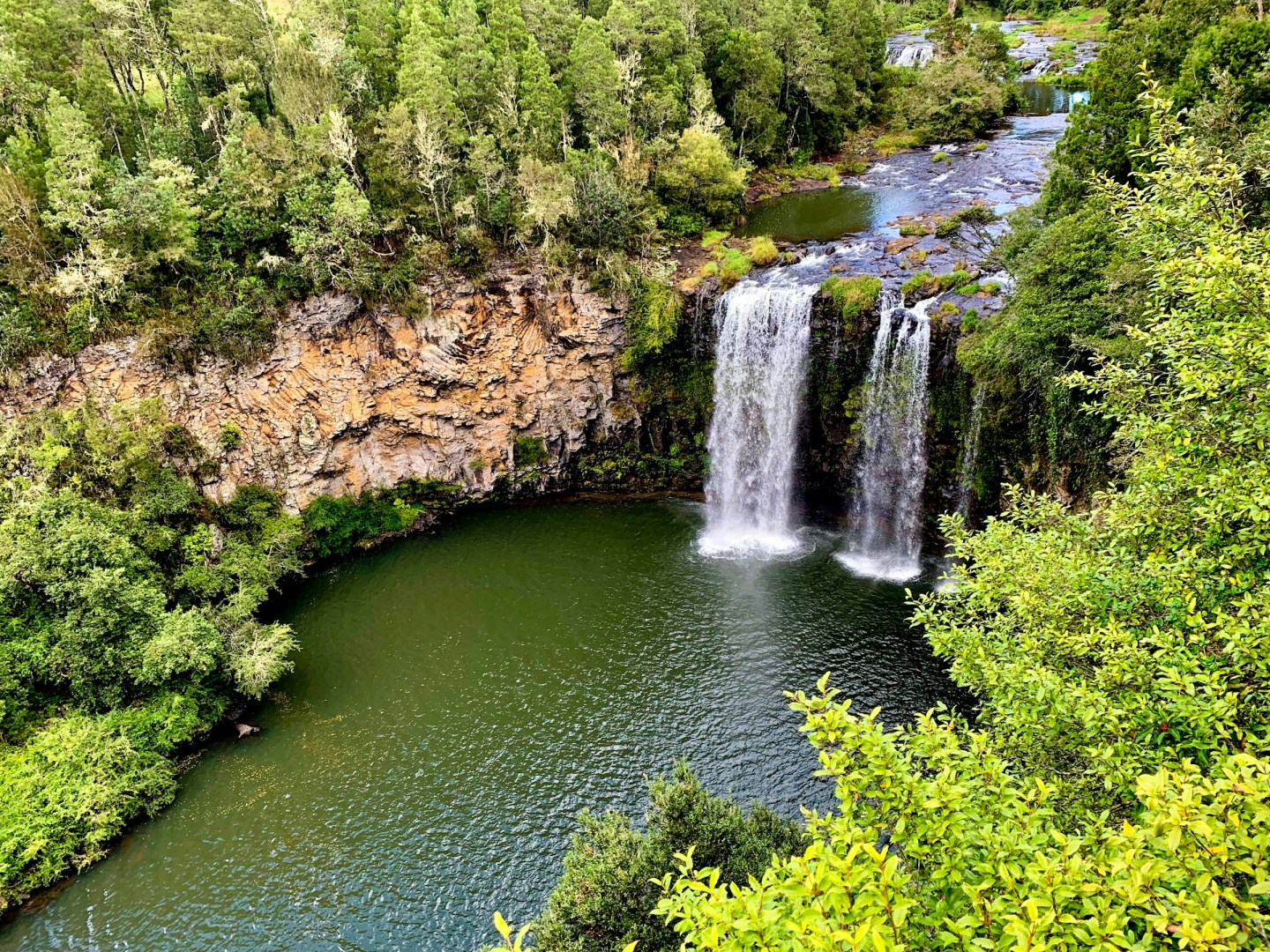
Dorrigo National Park lies on the escarpment of northern New South Wales, about an hour from Coffs Harbour, where subtropical rainforest covers steep valleys and high country. The park forms part of the Gondwana Rainforests of Australia World Heritage Area, protecting plant communities that preserve links to ancient forests. Its elevated position creates broad views toward the Bellinger Valley and the coast, while dense forest keeps many walking tracks cool and shaded.
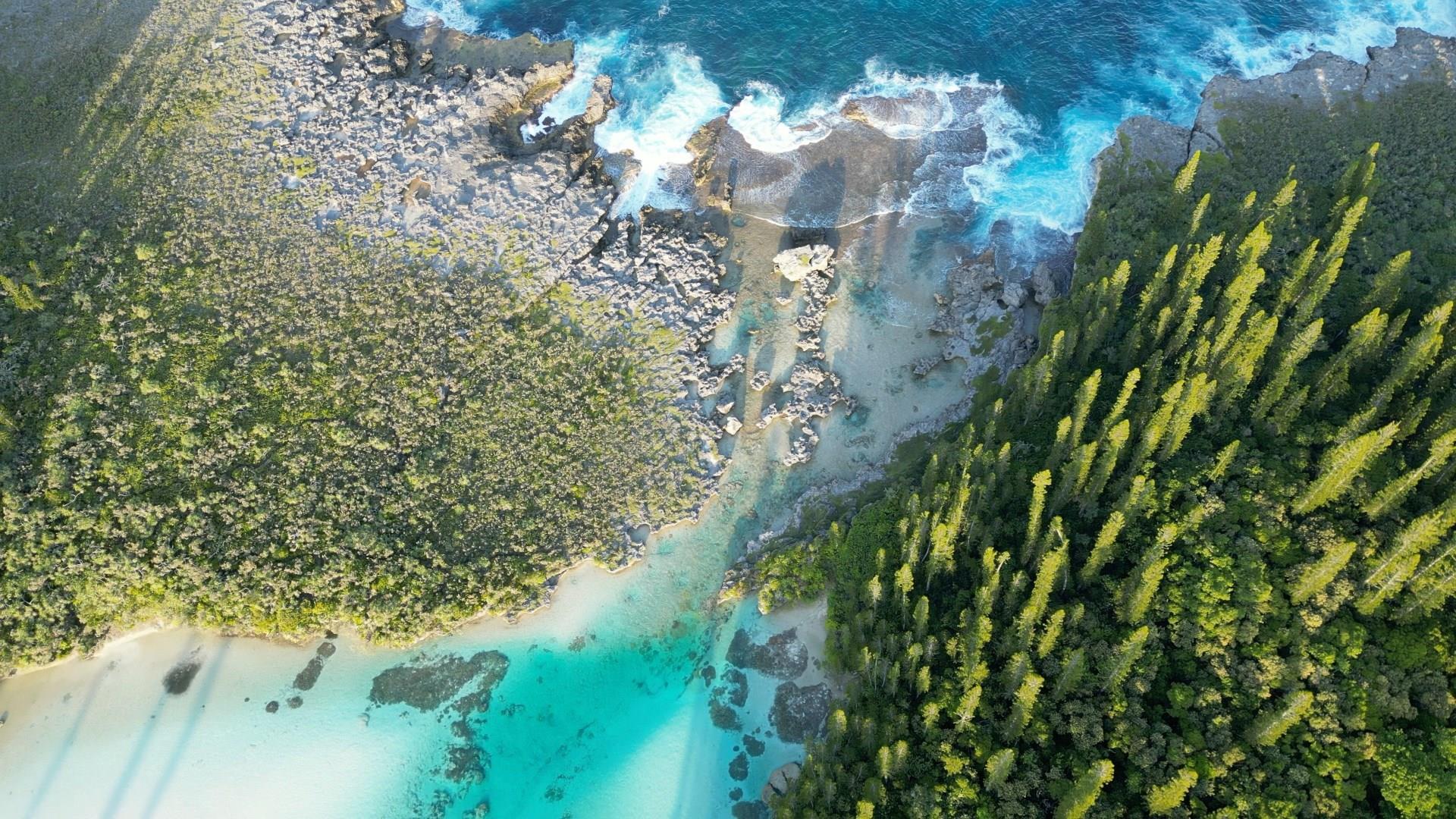
Île des Pins, often referred to as the "Island of Pines," is a serene paradise located in New Caledonia. This tropical haven is renowned for its pristine beaches, turquoise lagoons, and lush pine forests, offering visitors an idyllic escape from the everyday. The island's charm extends beyond its beaches. The Pic N'Ga peak offers panoramic views of the island's lush landscape, accessible via a scenic hike through dense forest.
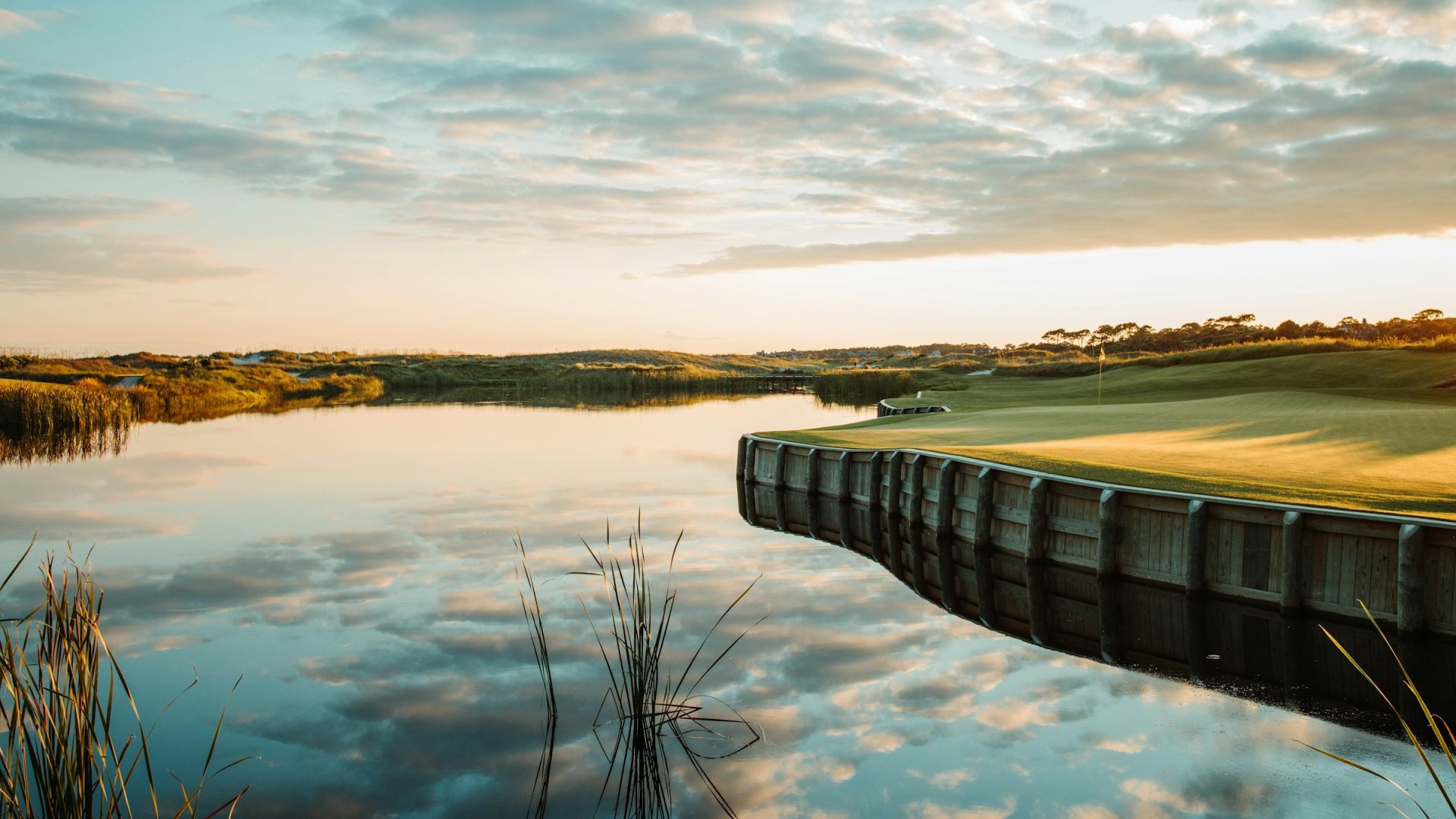
Kiawah Island boasts over 10 miles of wide, immaculate, ocean beach. Soothing by day, romantic by night, the beach is complimented by river, meandering lagoons, and pristine marshlands.
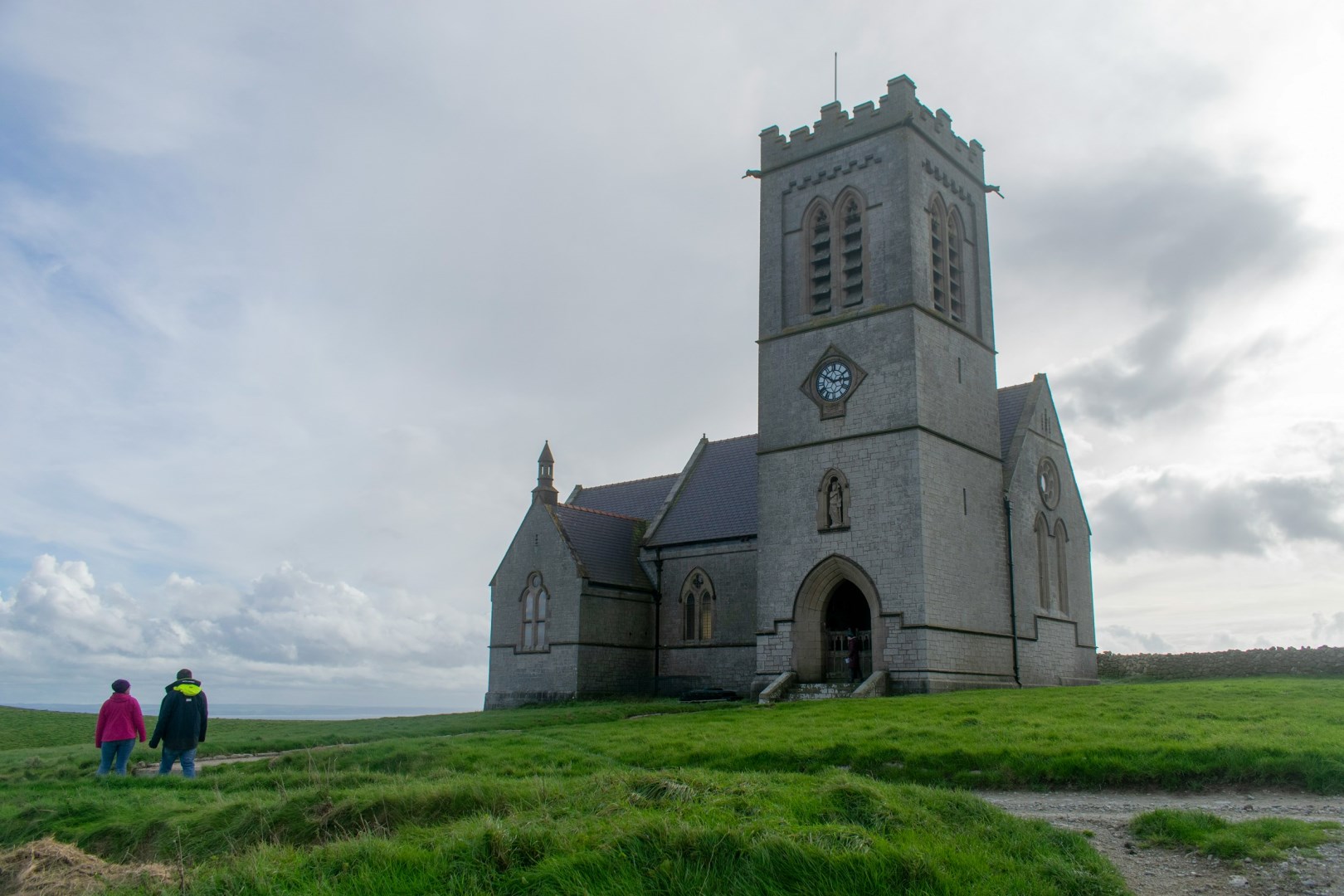
Lundy is a small granite island in the Bristol Channel, about 12 miles off the coast of North Devon. Roughly three miles long and half a mile wide, it has a rugged western coastline of cliffs and a more sheltered eastern side with grassy slopes and Landing Bay. The island is owned by the National Trust and managed by the Landmark Trust, with a small resident community and no cars.
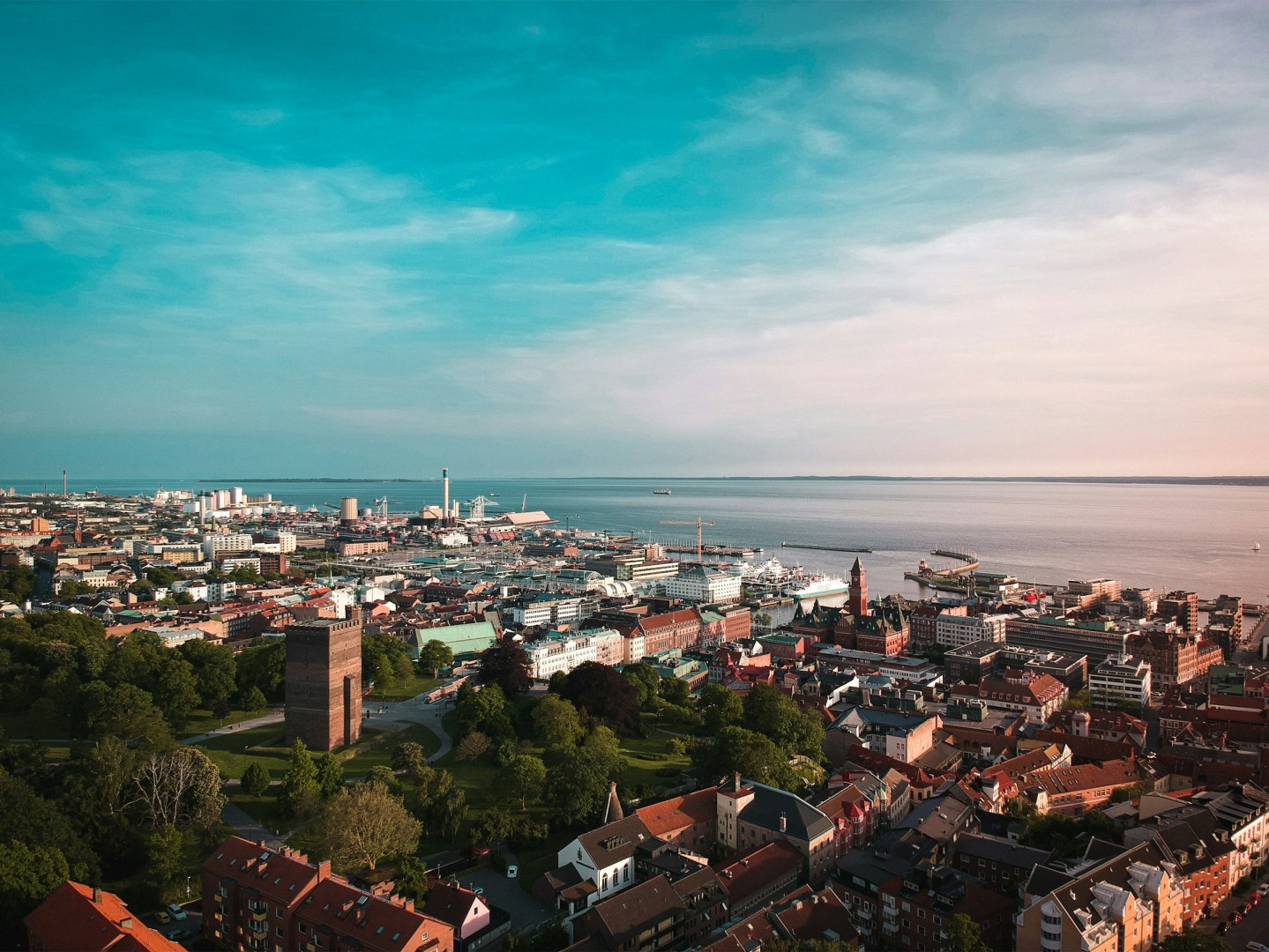
This 900-year old city, often called "The Pearl of the Sound," is situated at the narrowest point of the Oresund Sound. You will be enchanted by the city's international atmosphere. It has everything from golf (23 courses in all), to vast beaches, jazz clubs and restaurants offering a wide variety of cuisine.
Photo Credit: Photo by Tadeusz Zachwieja on Unsplash
Photo Credit: Photo by Maksym Harbar on Unsplash
Photo Credit: Photo by Anna Gru on Unsplash
Photo Credit: Photo by Soheil Arbabi on Unsplash
Photo Credit: Photo by Tadeusz Zachwieja on Unsplash
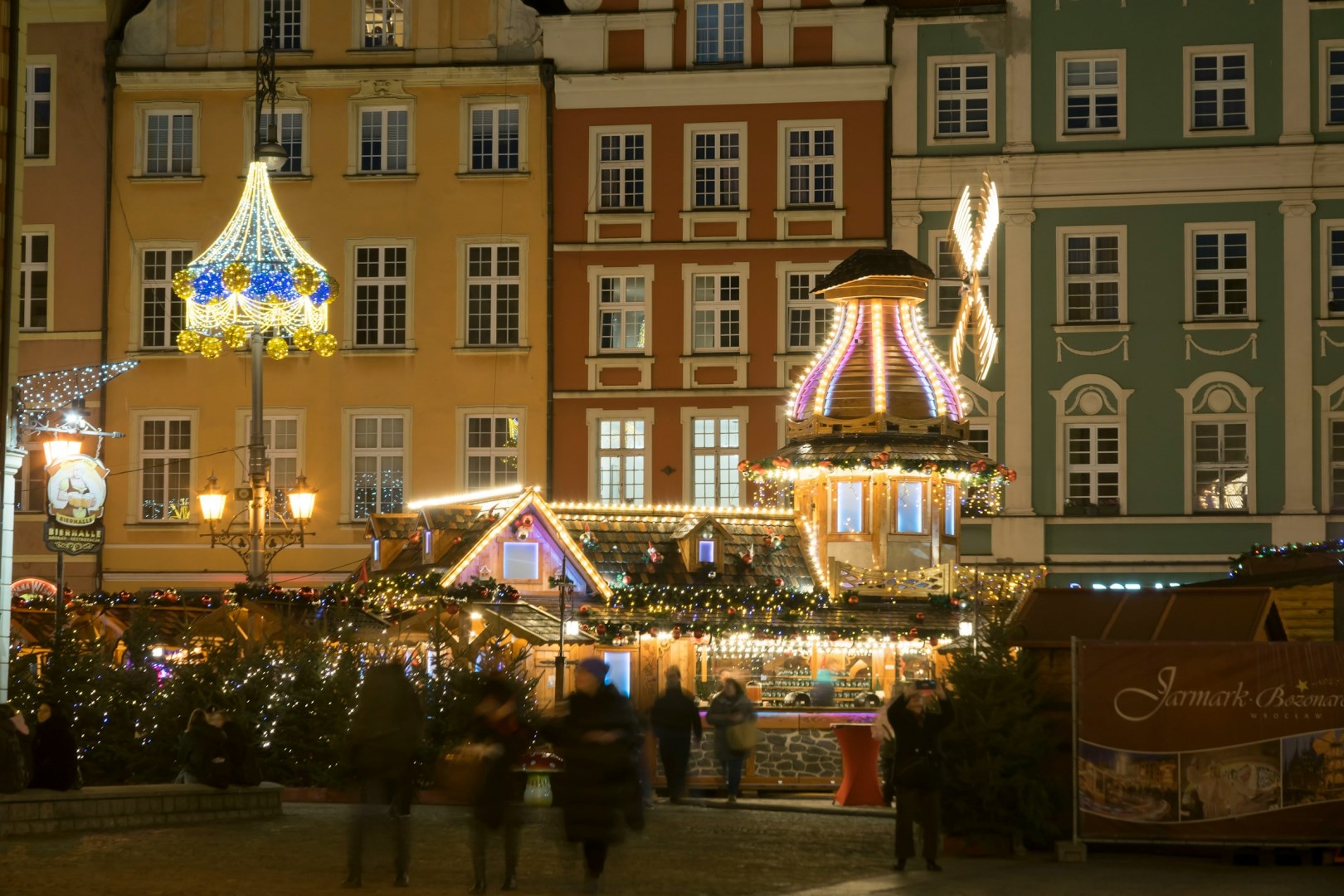
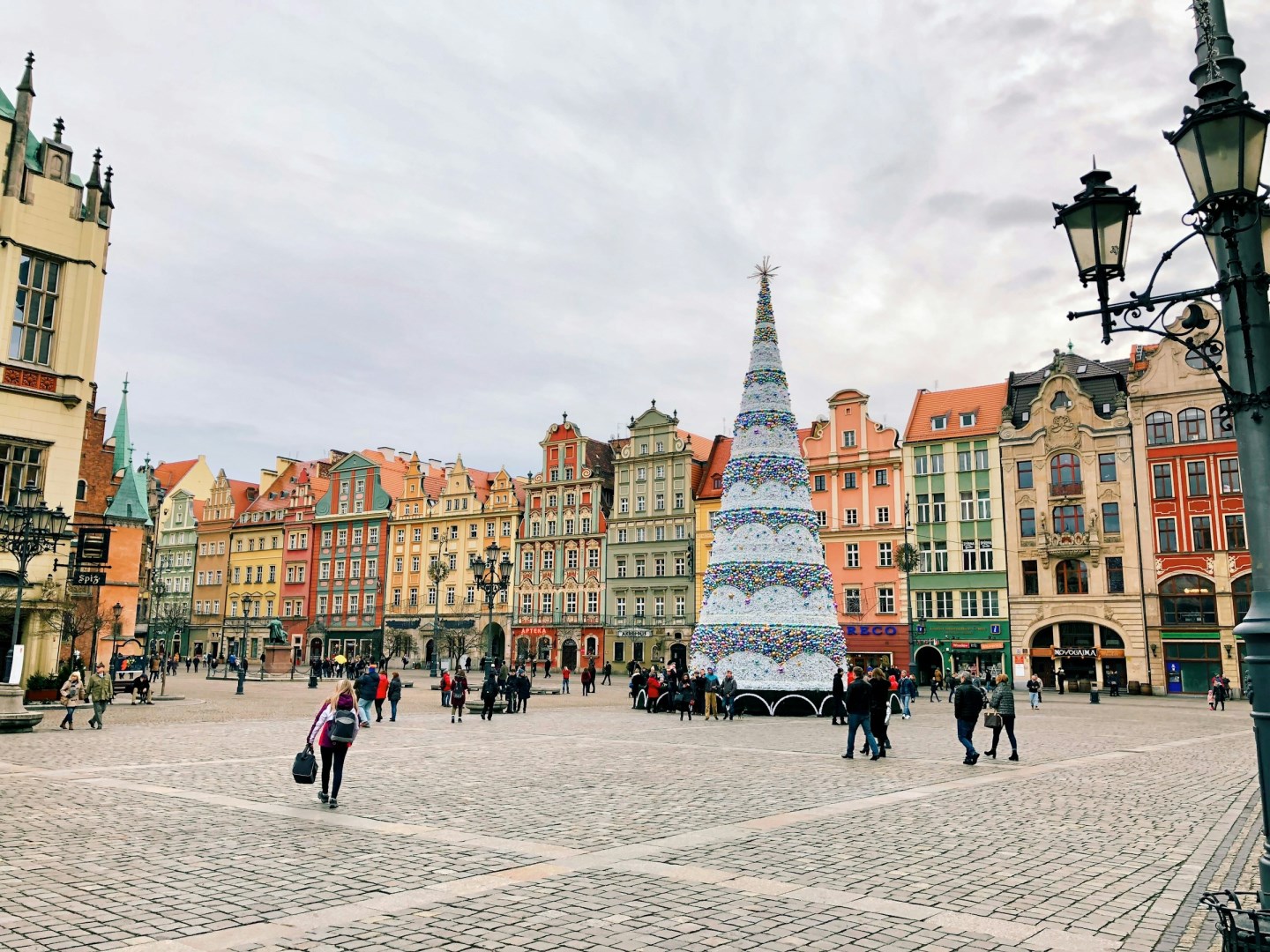
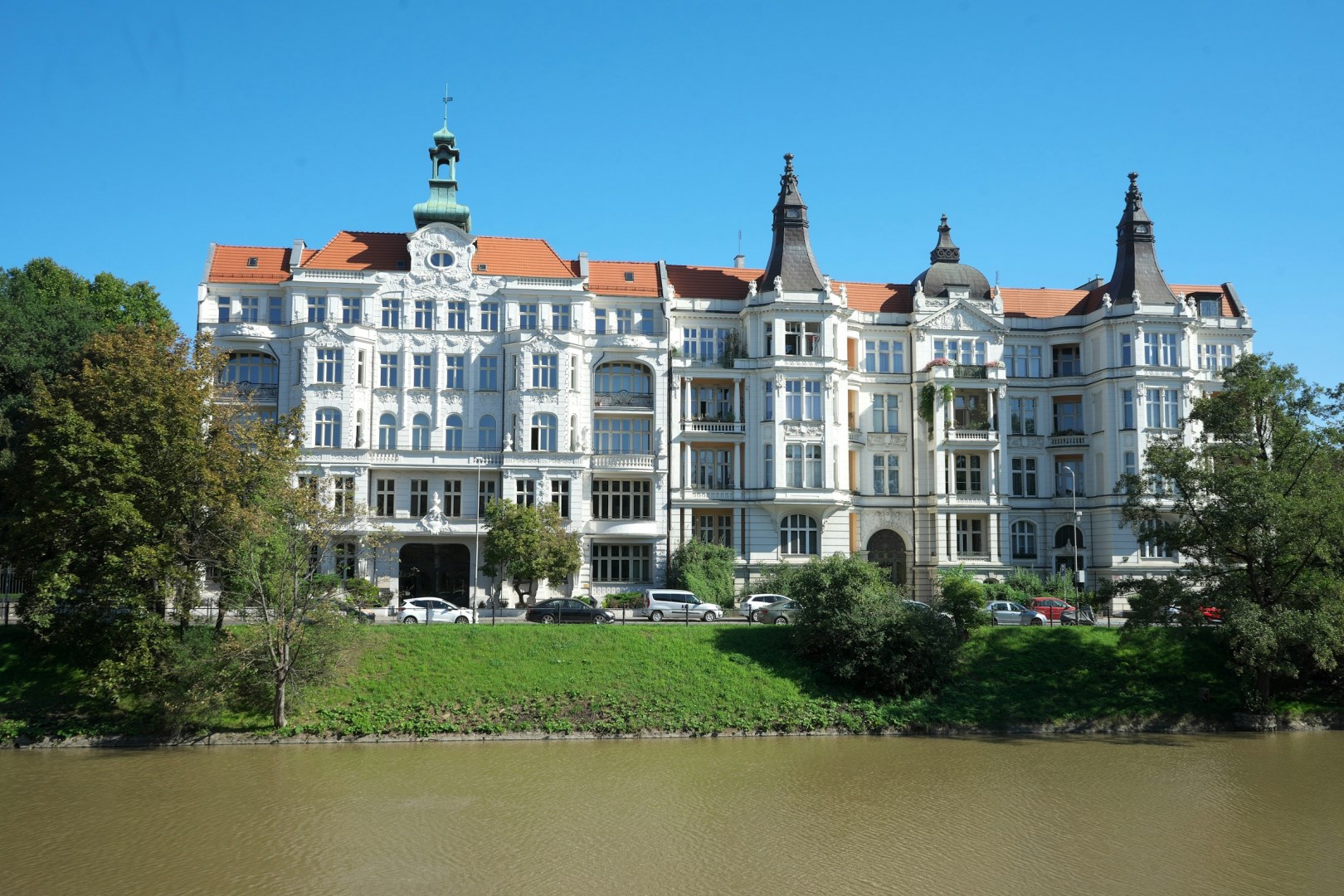
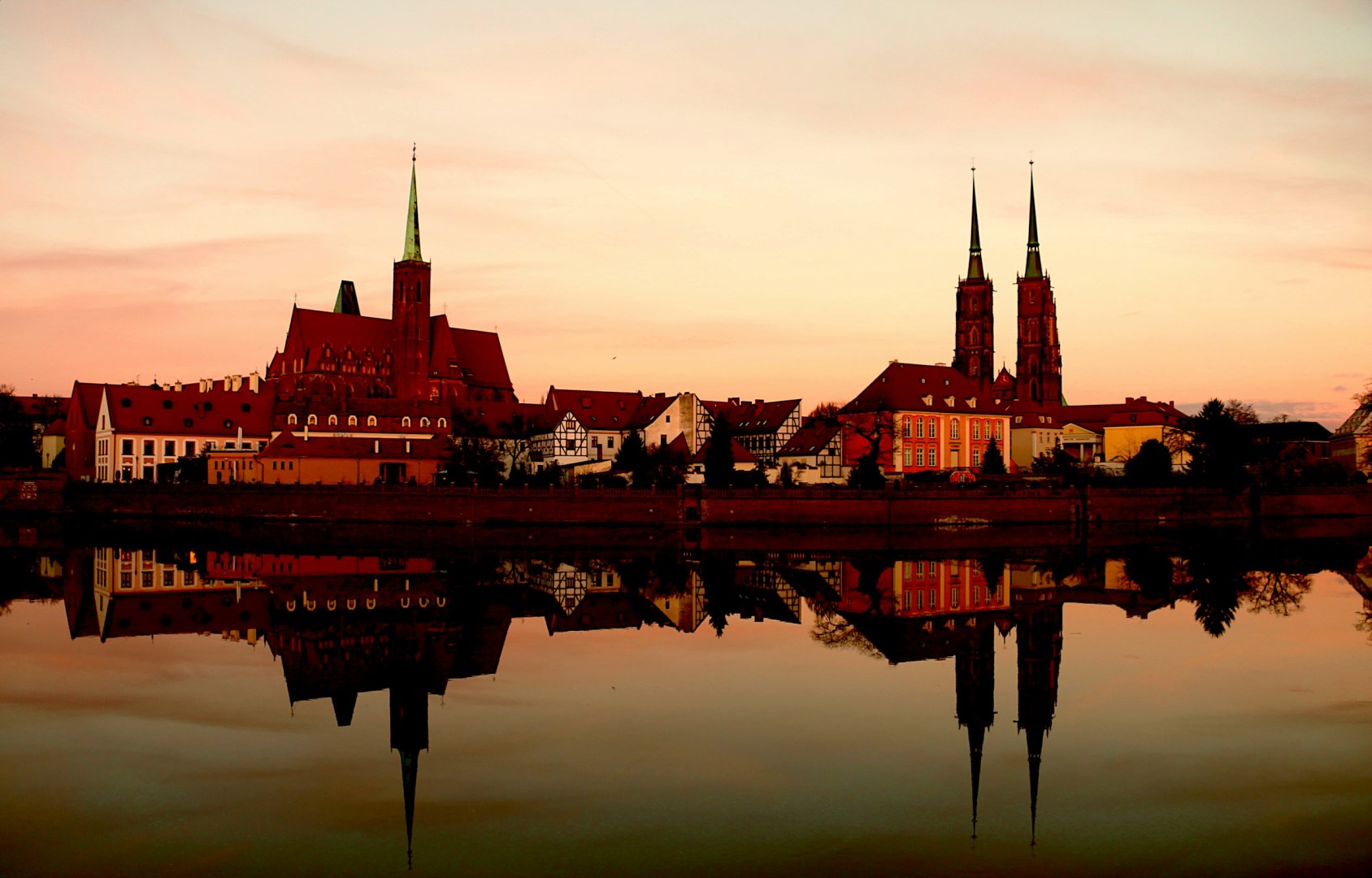
Wrocław, a captivating gem in southwestern Poland, enchants visitors with its rich history, vibrant culture, and stunning architecture. The city’s picturesque Old Town is centered around the magnificent Market Square (Rynek), where colorful facades and historic buildings like the Gothic Wrocław Town Hall create a fairy-tale atmosphere. Stroll through the cobblestone streets and explore the charming squares and alleys that are dotted with lively cafes and shops.
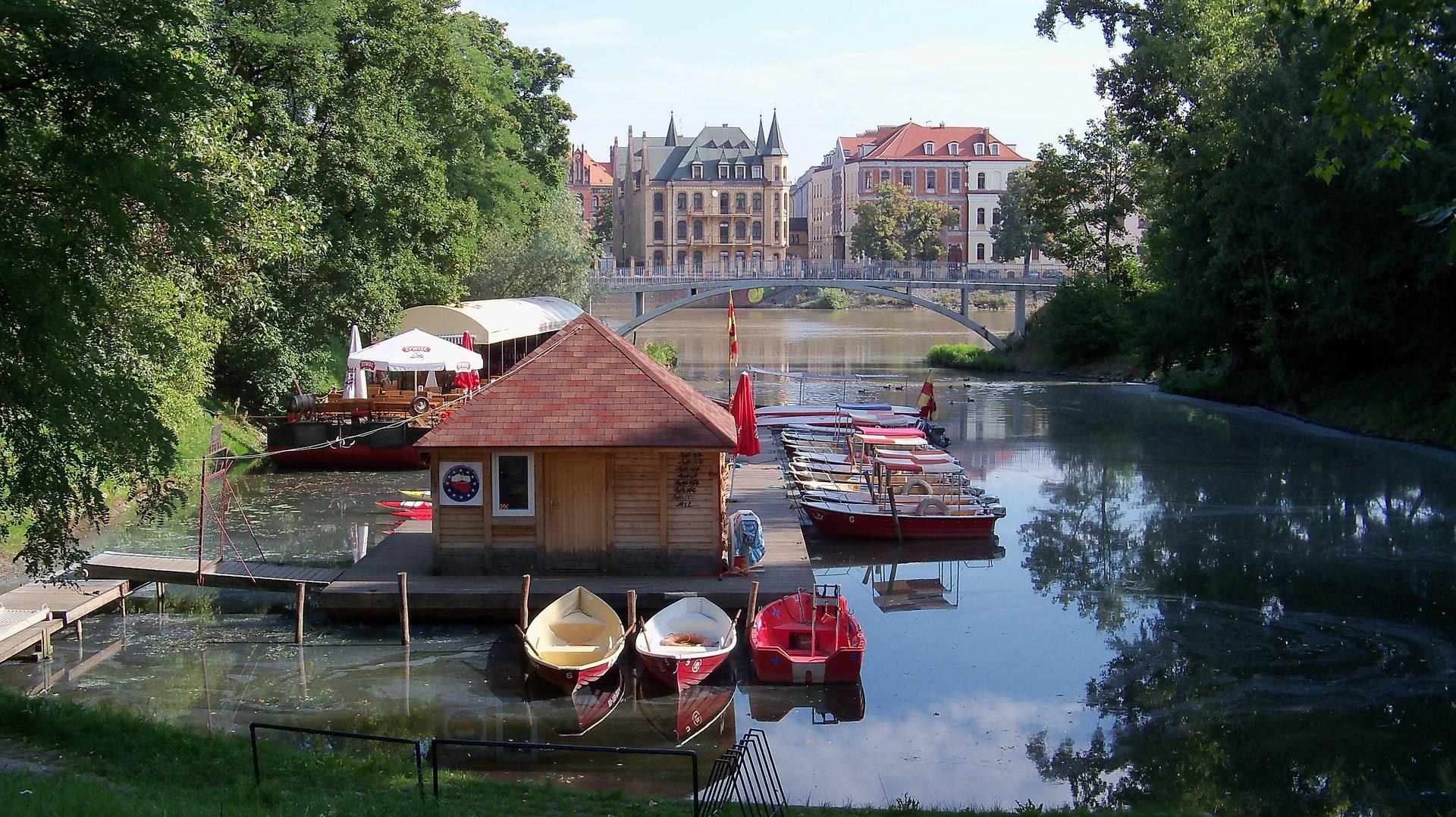
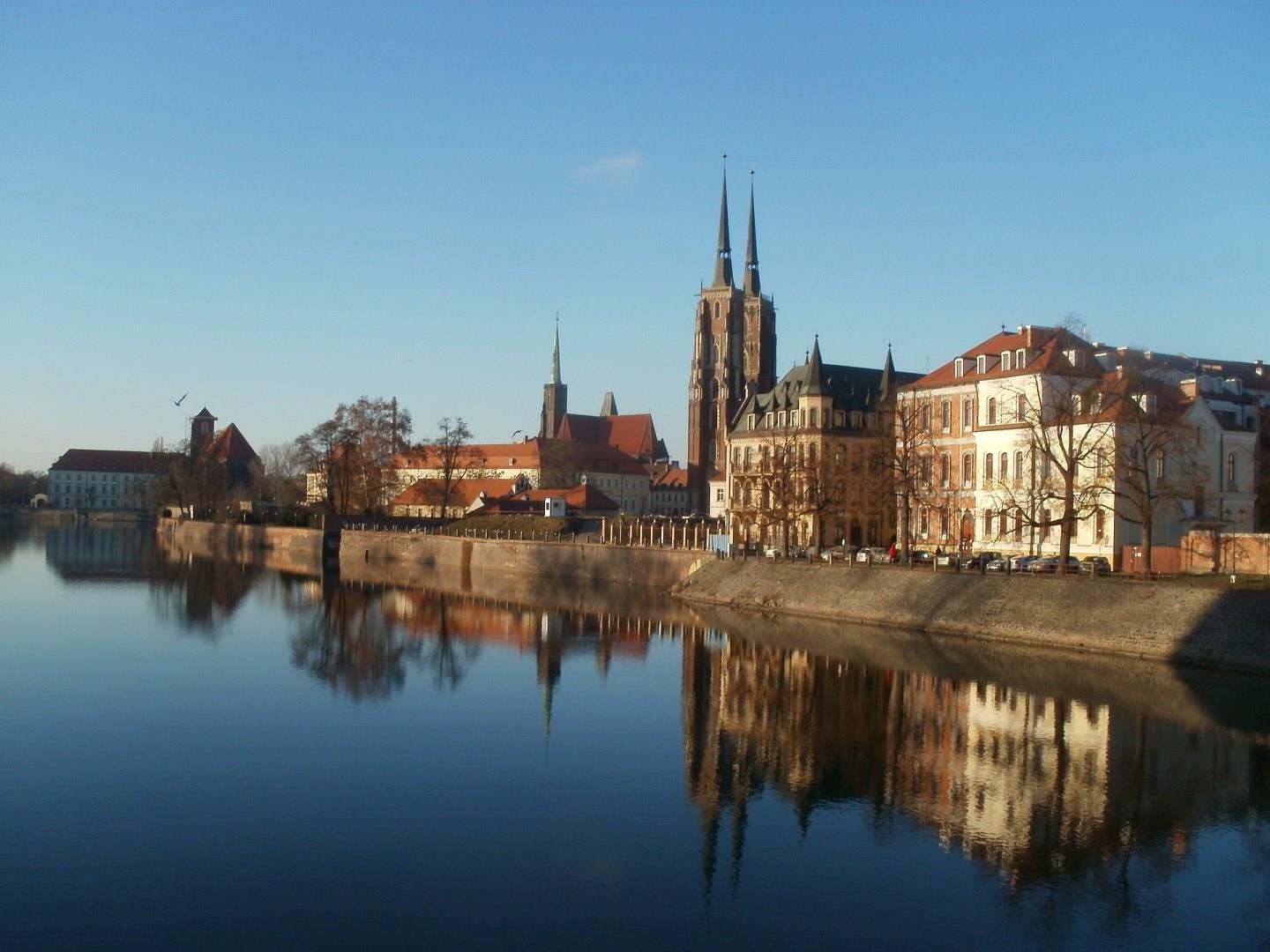
A true highlight of Wrocław is its array of bridges and waterways that weave through the city. Known as the “Venice of the North,” Wrocław boasts more than 100 bridges and over 12 islands. A leisurely boat trip along the Odra River offers unique views of the city’s skyline and historic architecture. Don't miss the Cathedral Island, a tranquil area where you can admire the stunning Wrocław Cathedral and enjoy the serene atmosphere.
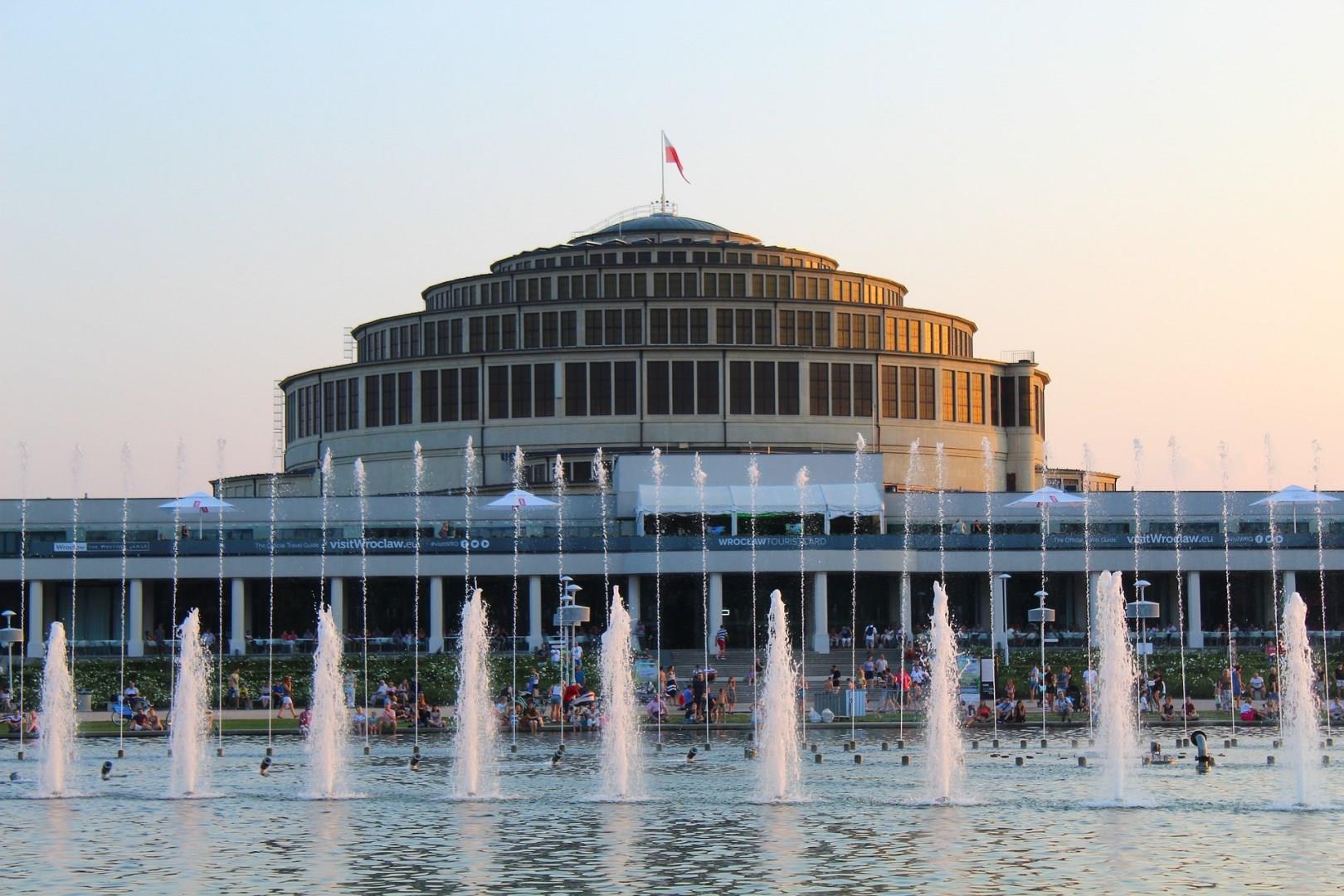
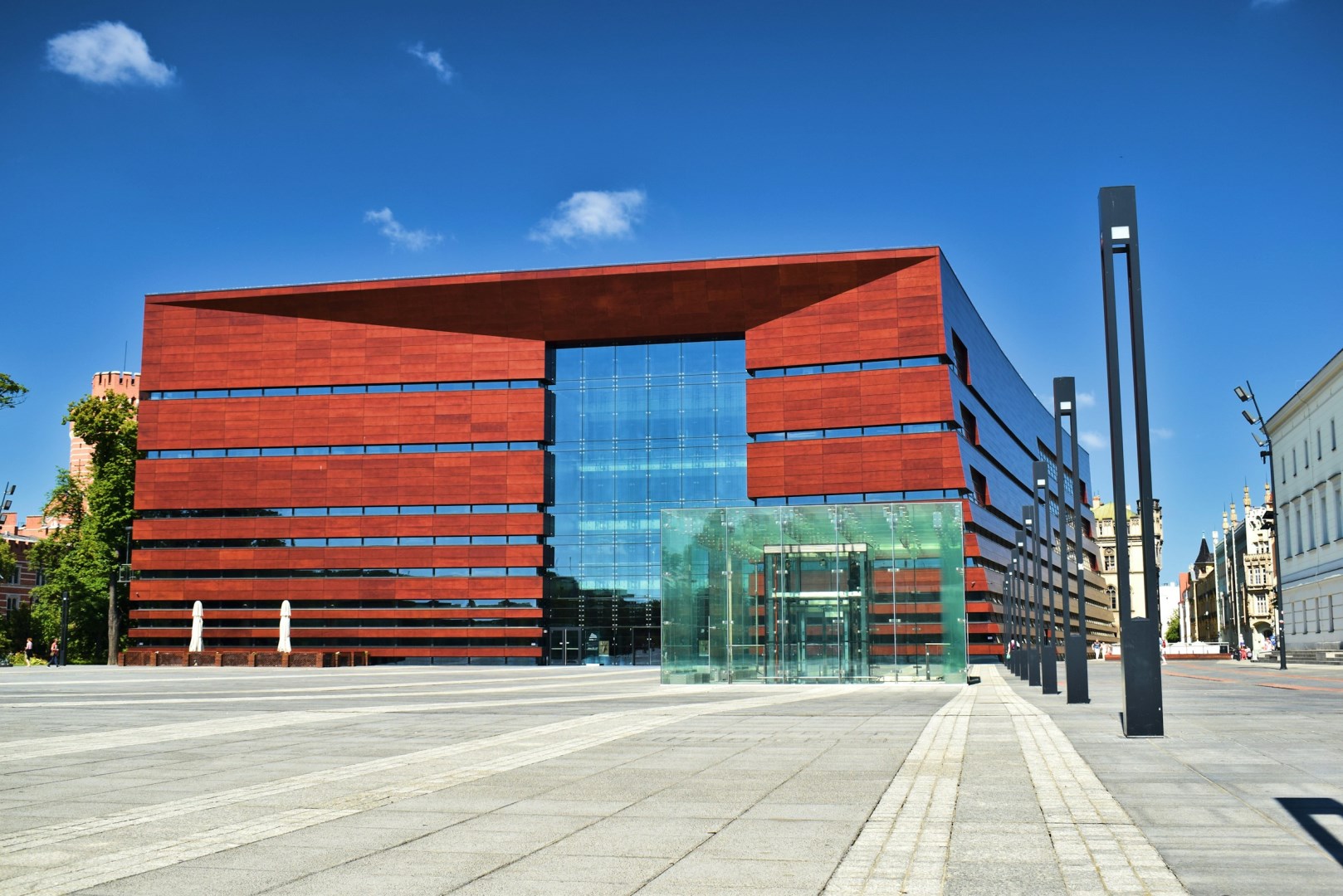
For a taste of Wrocław’s vibrant cultural scene, visit the Centennial Hall, a UNESCO World Heritage Site known for its groundbreaking architectural design. The hall hosts a variety of events, including concerts, exhibitions, and sports activities.
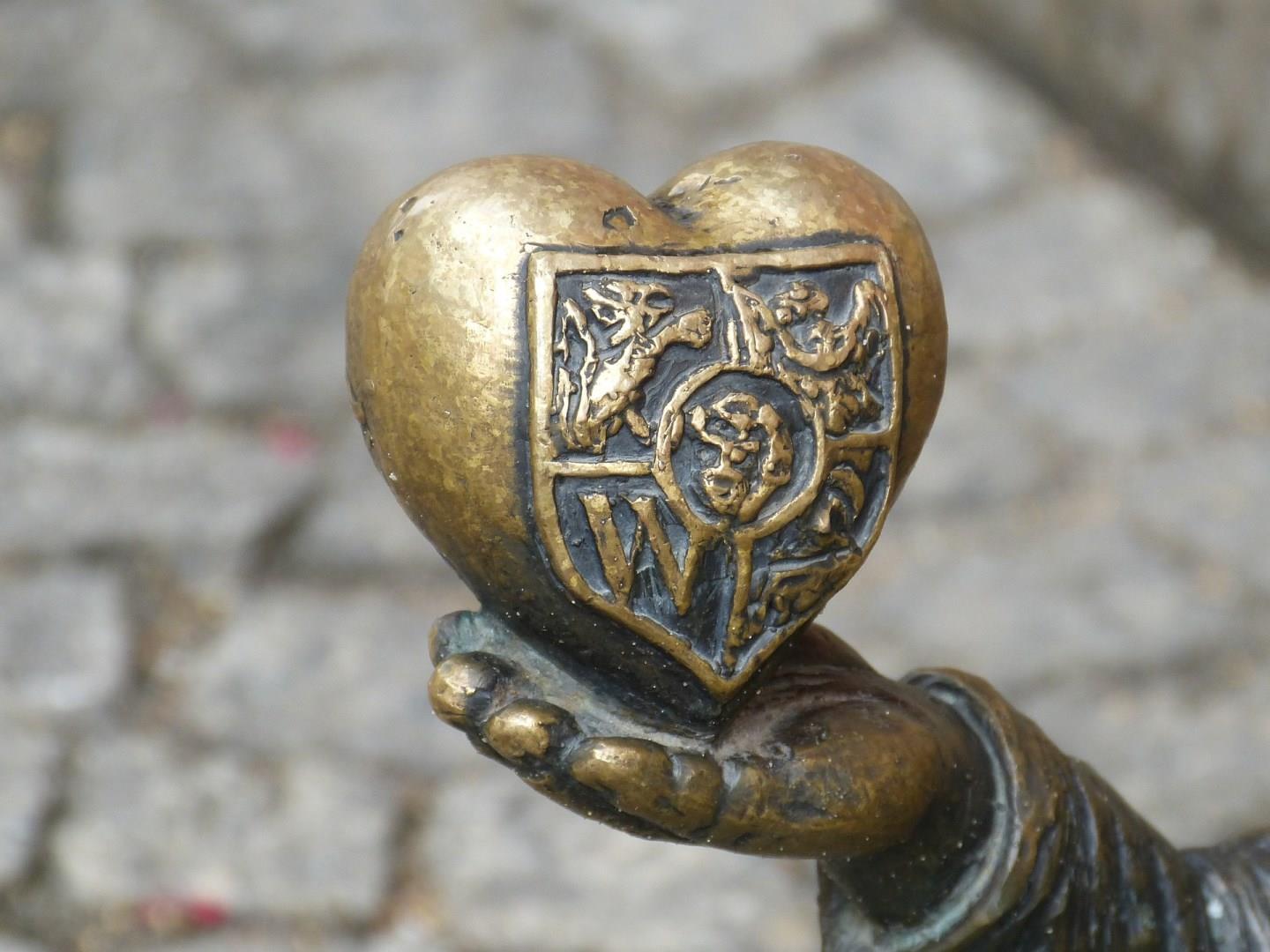
Fun Fact: Wrocław is famously home to over 400 dwarfs scattered throughout the city. These whimsical statues, each with its own unique design, are a delightful scavenger hunt for visitors. The dwarfs started as a symbol of resistance against the communist regime and have since become a charming and beloved part of Wrocław’s urban landscape.
Other Popular Destinations in Poland
Kraków
Kraków lies in southern Poland along the Vistula River and serves as one of the country’s most recognized cultural centers. Its layout is shaped by a well-preserved historic core, with streets radiating from a large central square. The city retains a human scale, where daily life unfolds among historic buildings, universities, and markets. It stands apart for its continuity of urban life, where medieval structures coexist with modern institutions without dramatic contrast.
Warsaw
Warsaw stands as one of Europe’s most resilient cities, having rebuilt itself almost entirely after World War II. The Old Town, meticulously reconstructed using paintings by Italian artist Bernardo Bellotto, feels centuries old but is, in fact, less than a hundred years in its current form. Behind the medieval facades lie stories of uprisings, resistance, and quiet defiance. Visitors walking through Castle Square can enter the Royal Castle, where Poland’s Constitution of May 3, 1791 was adopted.