Lahore
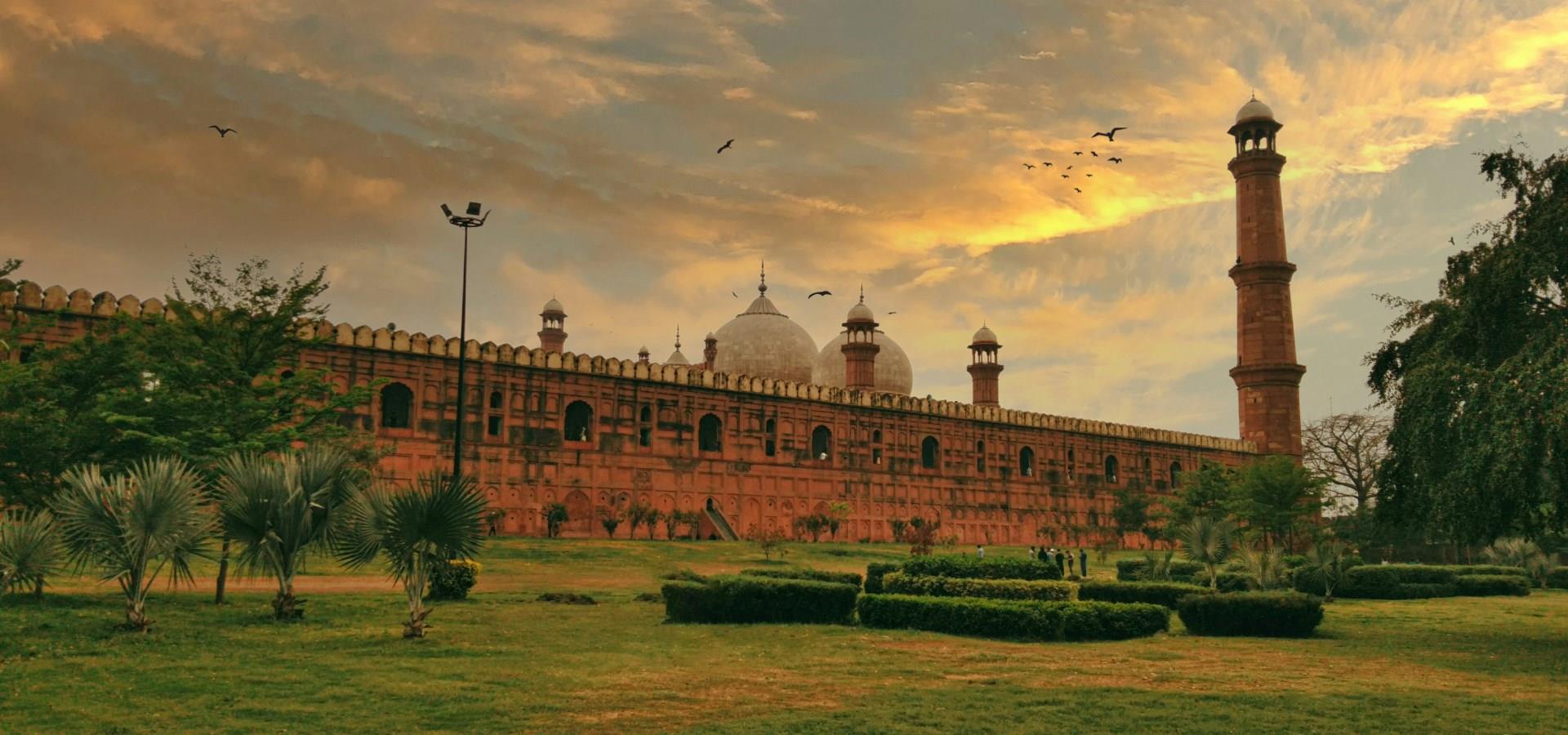
Lahore, the cultural heart of Pakistan, is a city where history, art, and culinary traditions come alive. Known for its vibrant streets and historic architecture, Lahore showcases iconic landmarks such as the Badshahi Mosque, Lahore Fort, and Shalimar Gardens, which reflect the grandeur of the Mughal era.
Connemara National Park
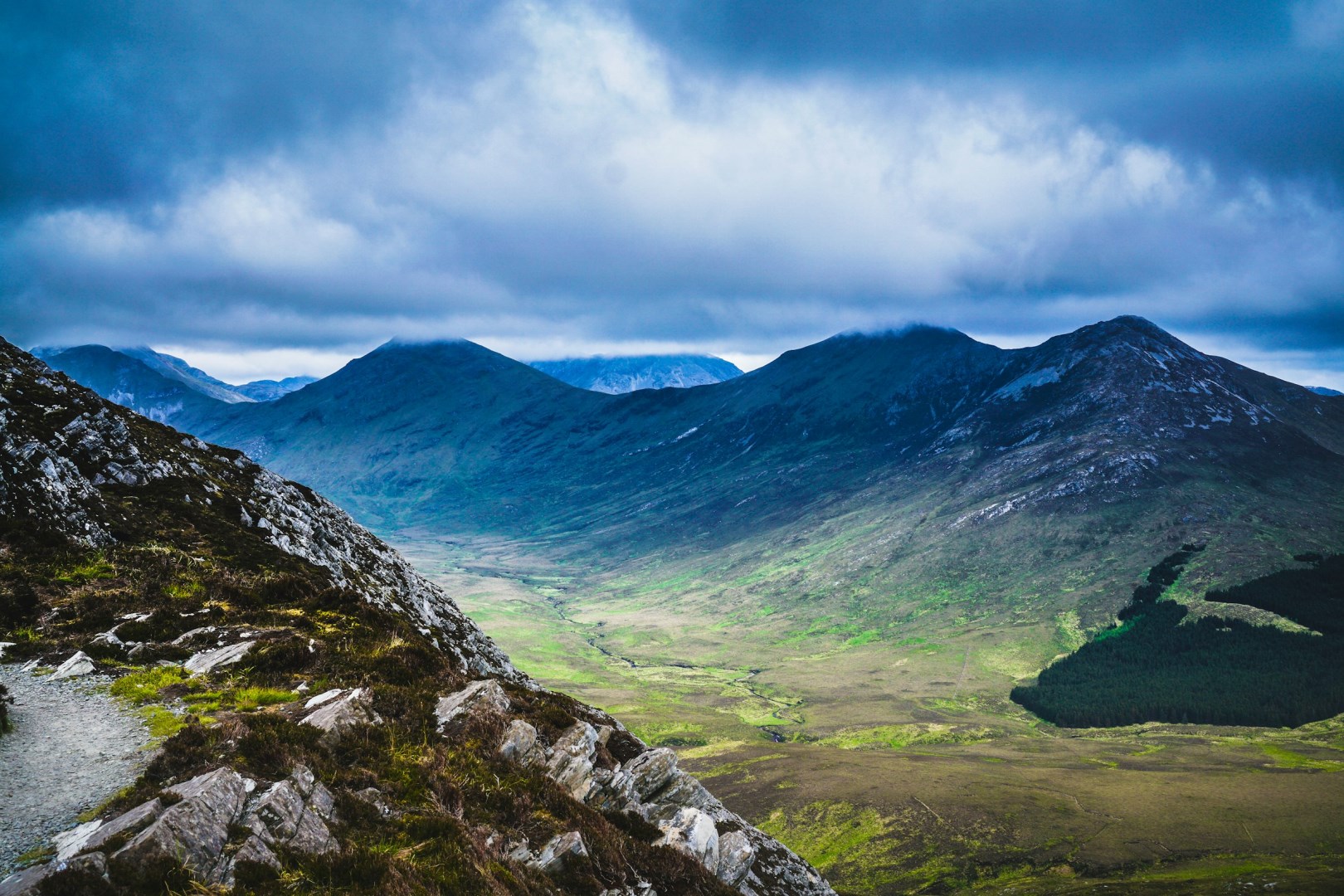
Connemara National Park lies in County Galway in western Ireland, near the village of Letterfrack. The park protects a broad landscape of mountains, western blanket bog, heath, grassland, woodland, and lakes, covering more than 2,000 hectares. Several of its peaks form part of the Twelve Bens range, including Benbaun, the highest mountain in County Galway.
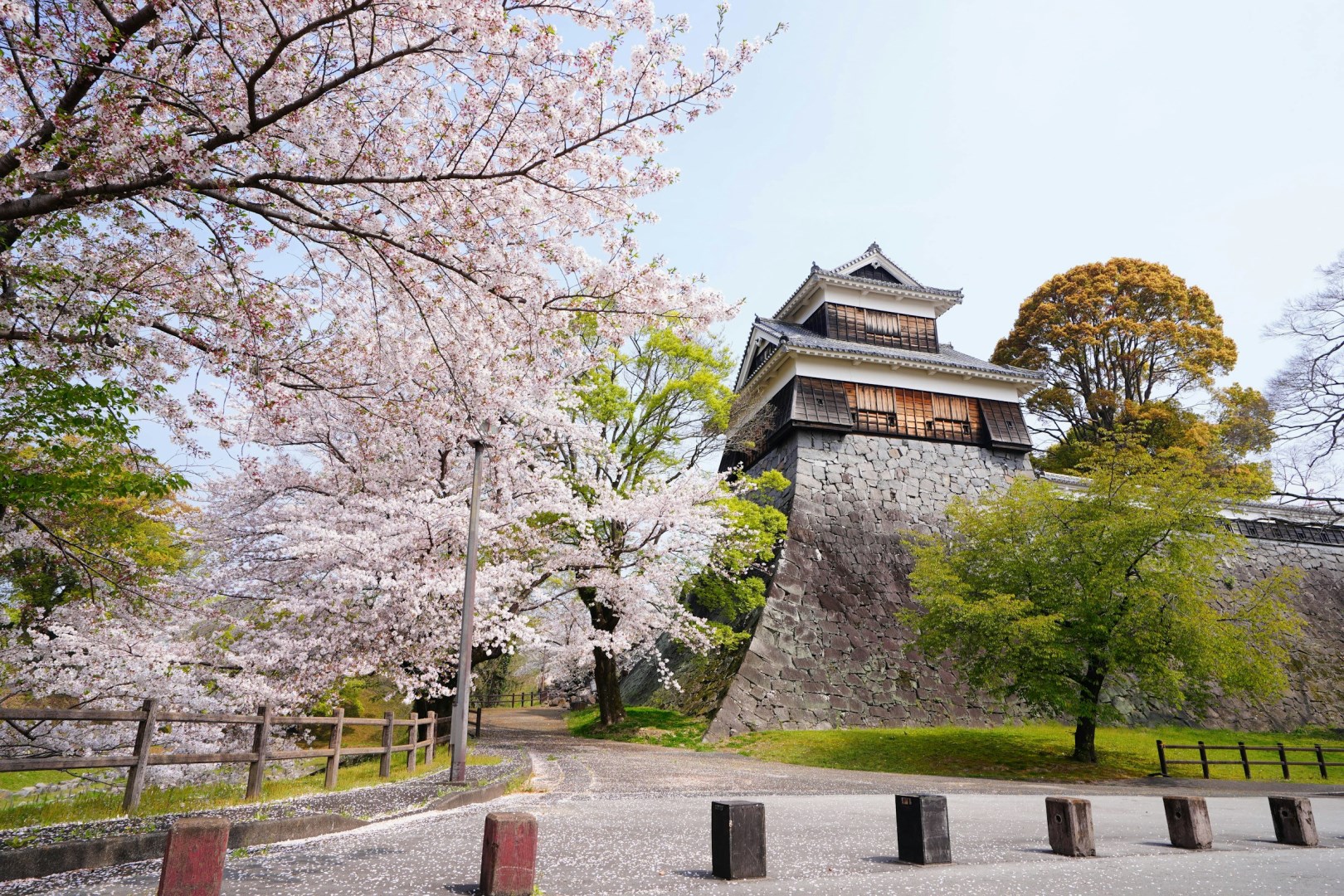
Kumamoto
Kumamoto is a city on Japan’s southern island of Kyushu, known for its castle, volcanic landscapes, and traditional gardens. It serves as the capital of Kumamoto Prefecture and lies on the western side of Mount Aso’s broader volcanic region. The city center combines historic districts with modern shopping streets, tram lines, and riverside neighborhoods.
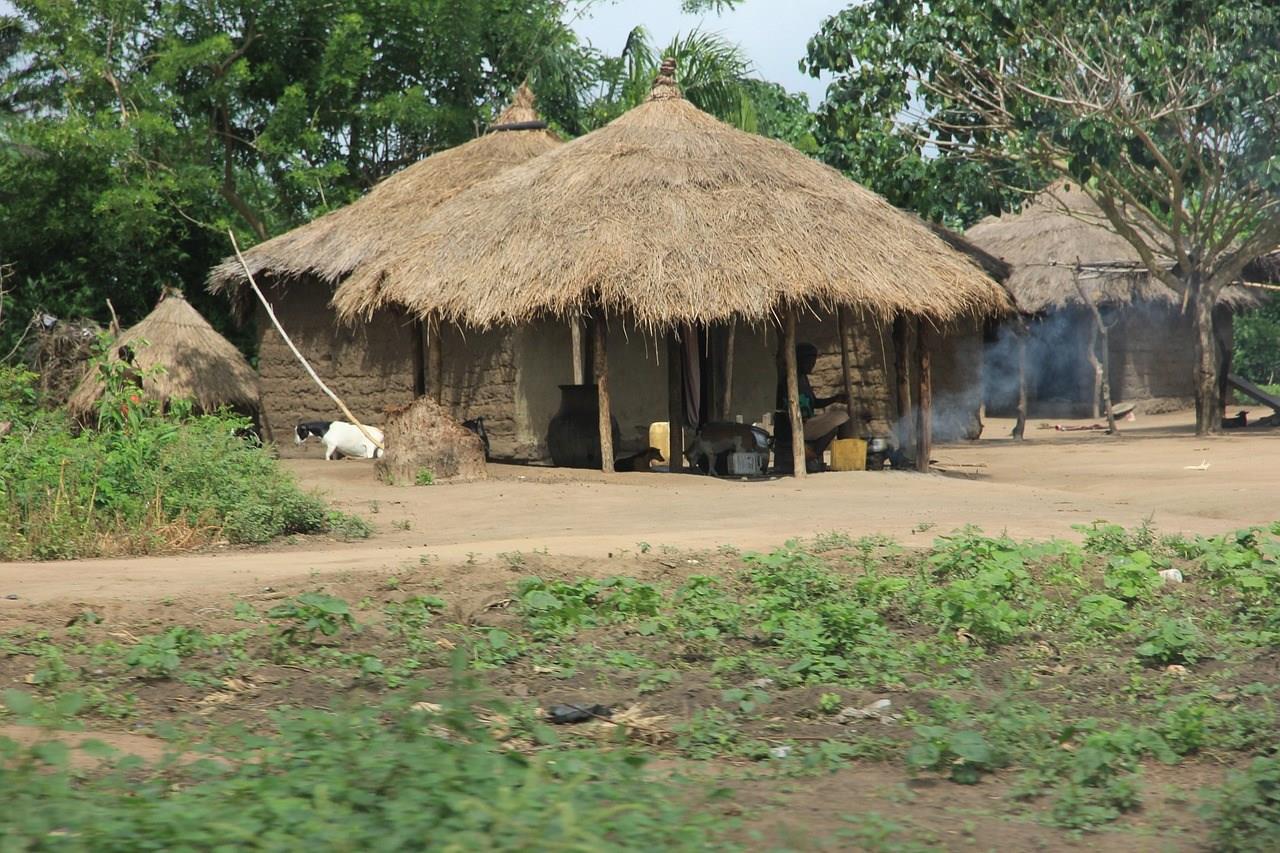
Togo
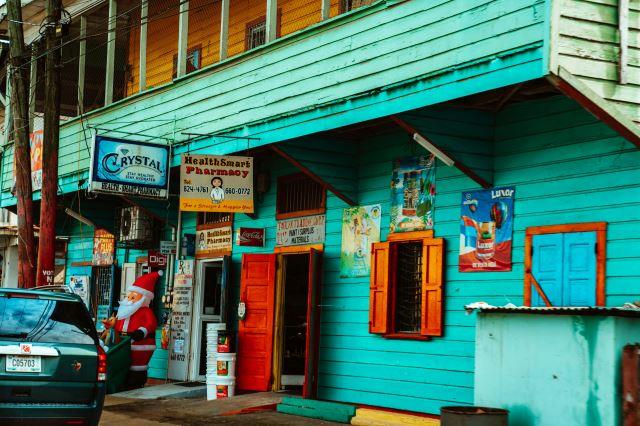
Togo, a narrow country in West Africa, stretches from the Gulf of Guinea in the south to savanna landscapes in the north. Its diverse cultures and languages, combined with vibrant music and dance traditions, create a lively and colorful atmosphere throughout the country.

Mayreau
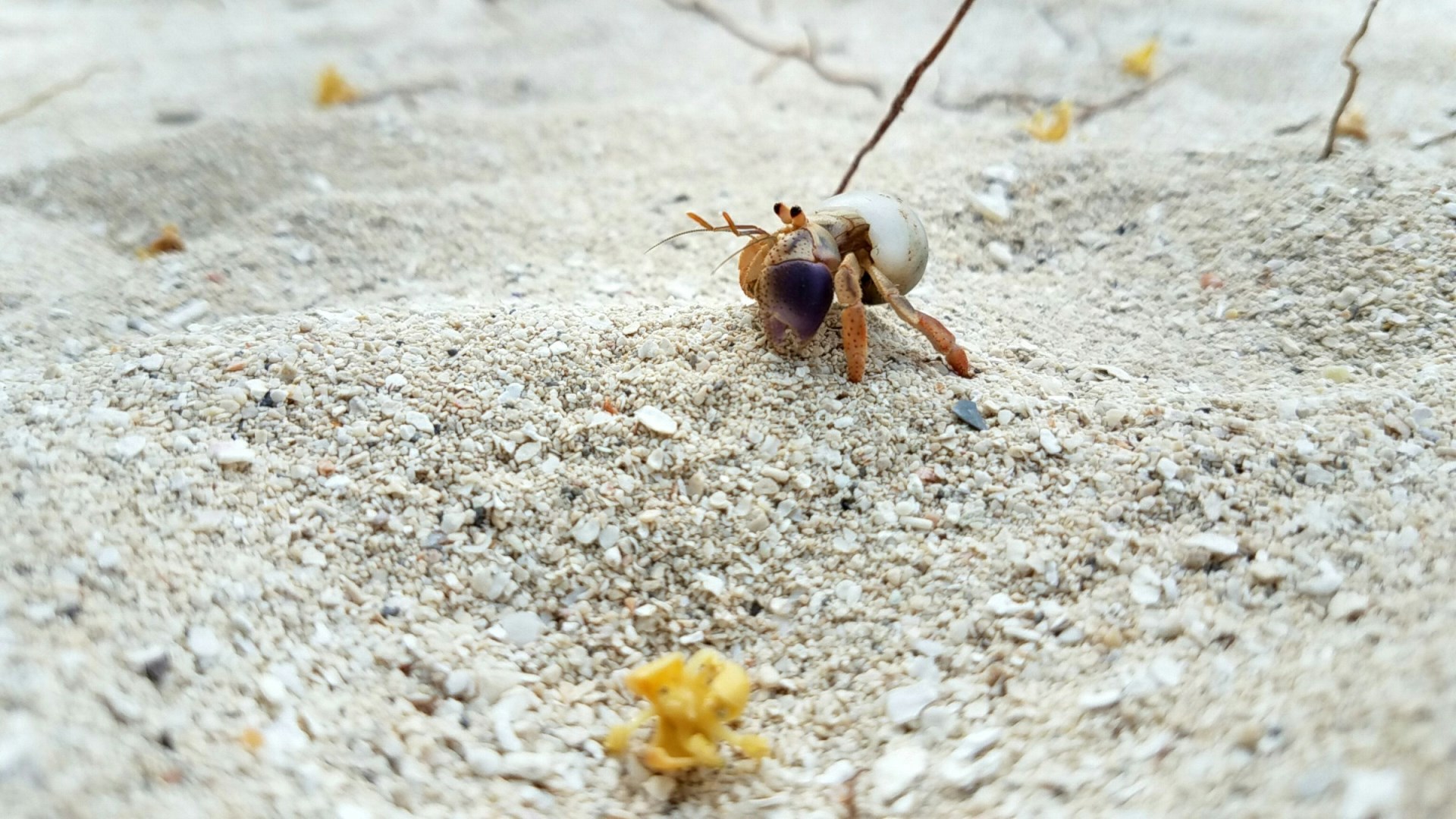
No airport, a single unnamed village, clear waters and white-sand beaches make Mayreau a quiet, rustic getaway.