Aberdeen
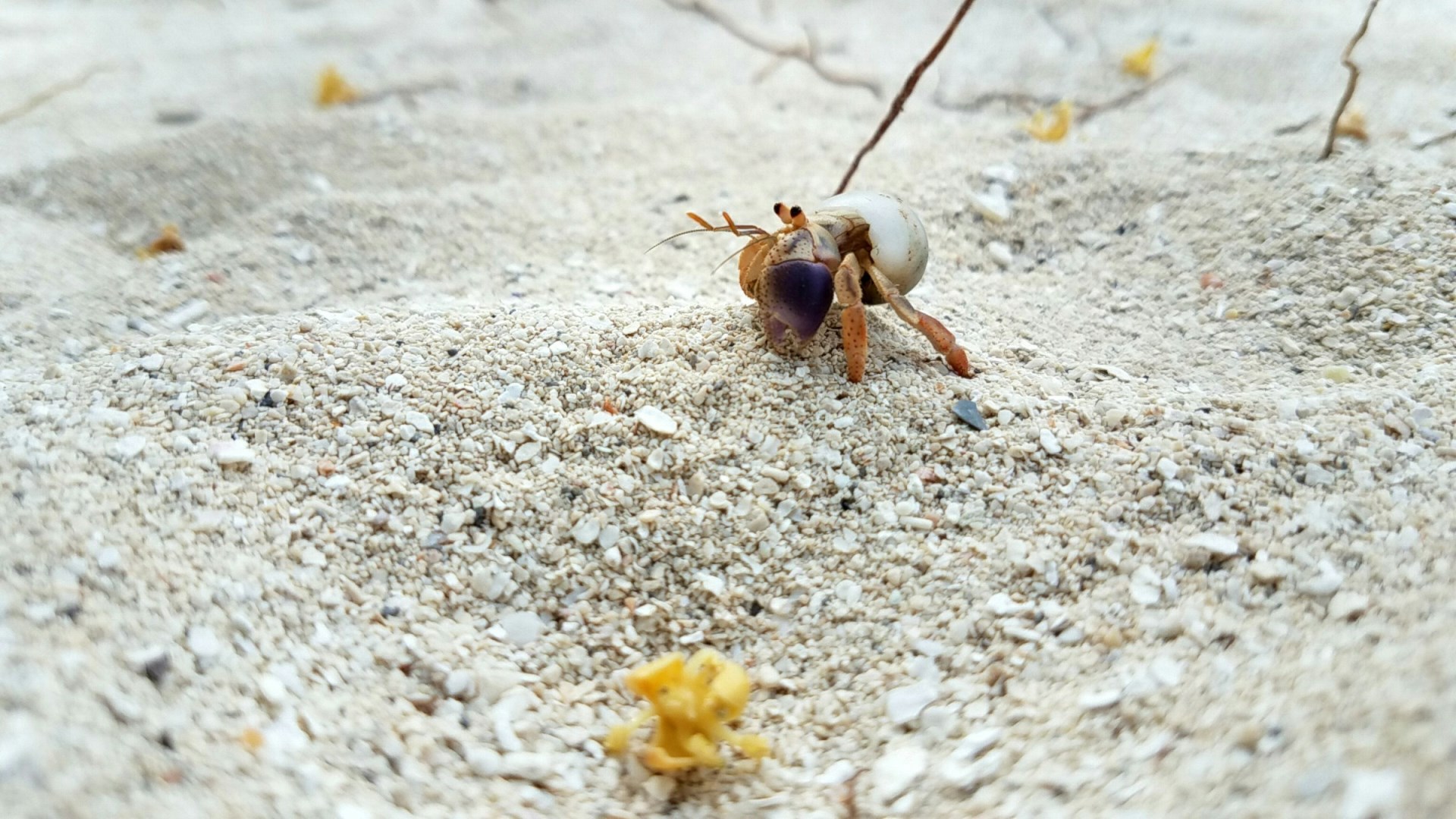
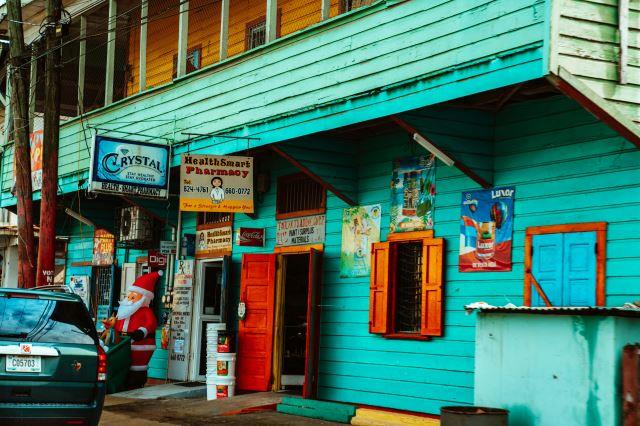
ABERDEEN -- Scotland's third-largest city (pop. 187,000) is characterized by buildings of beautiful white granite. Set beside the North Sea, Aberdeen is both a university town and the capital of the Scottish oil boom. It is also one of Scotland's largest seaside resorts (though its appeal is confined to those who like their water well-chilled).
Depoe Bay
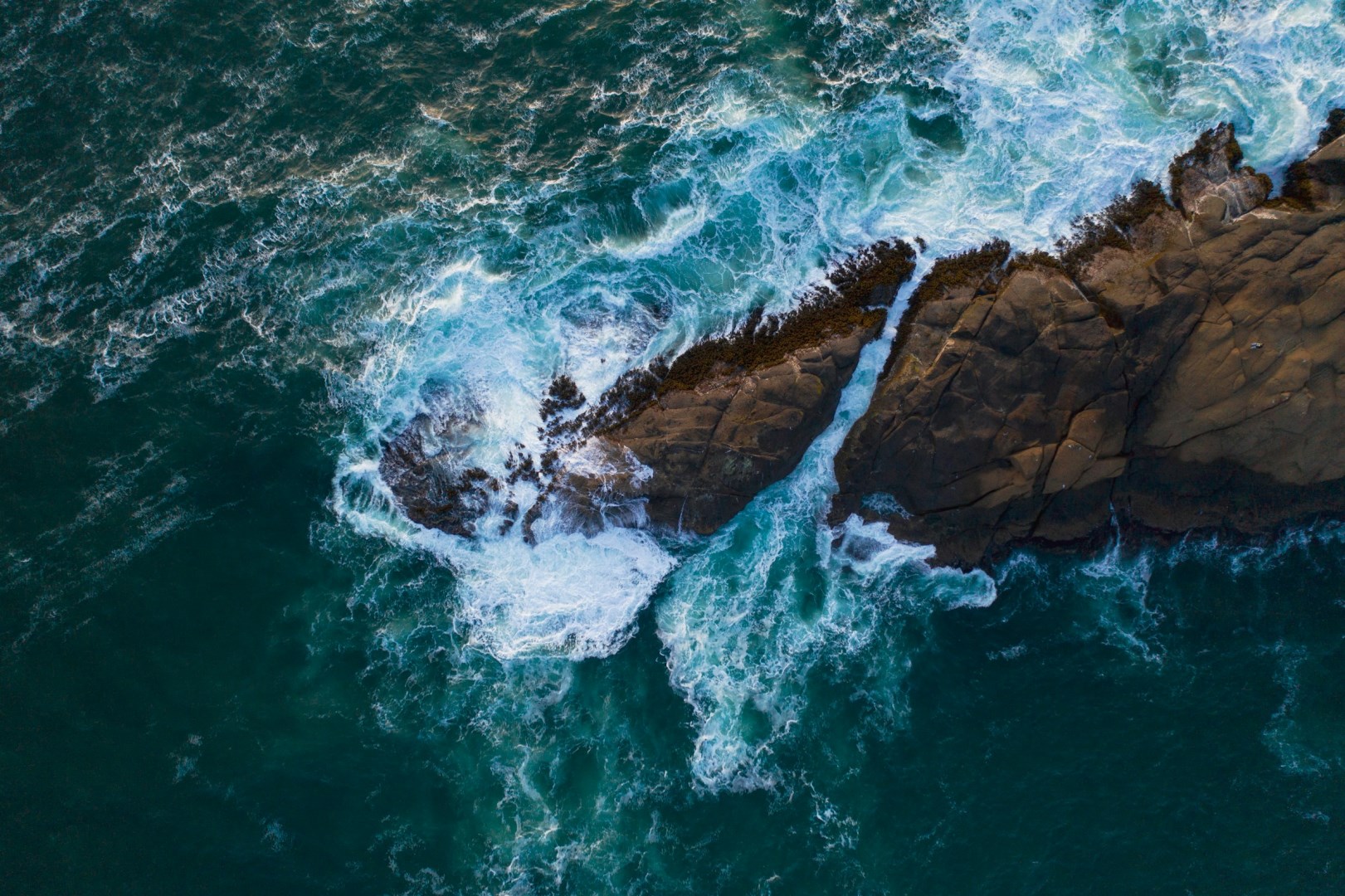
Located on the Oregon coast, and is one of the prettiest beach towns in Oregon.
Ghana
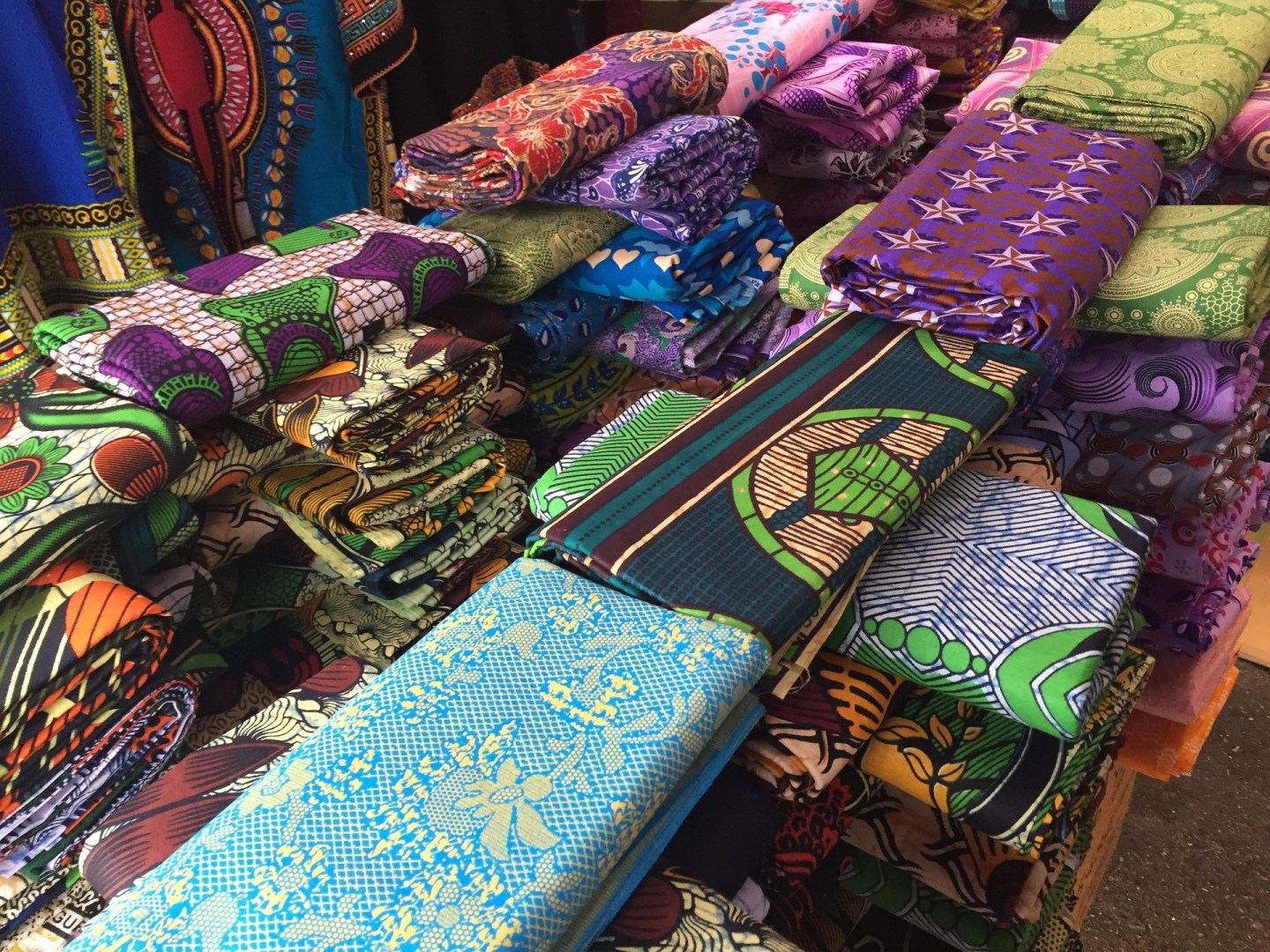
Ghana, located along West Africa’s Gulf of Guinea, offers a rich blend of cultural heritage and history.
Podgorica
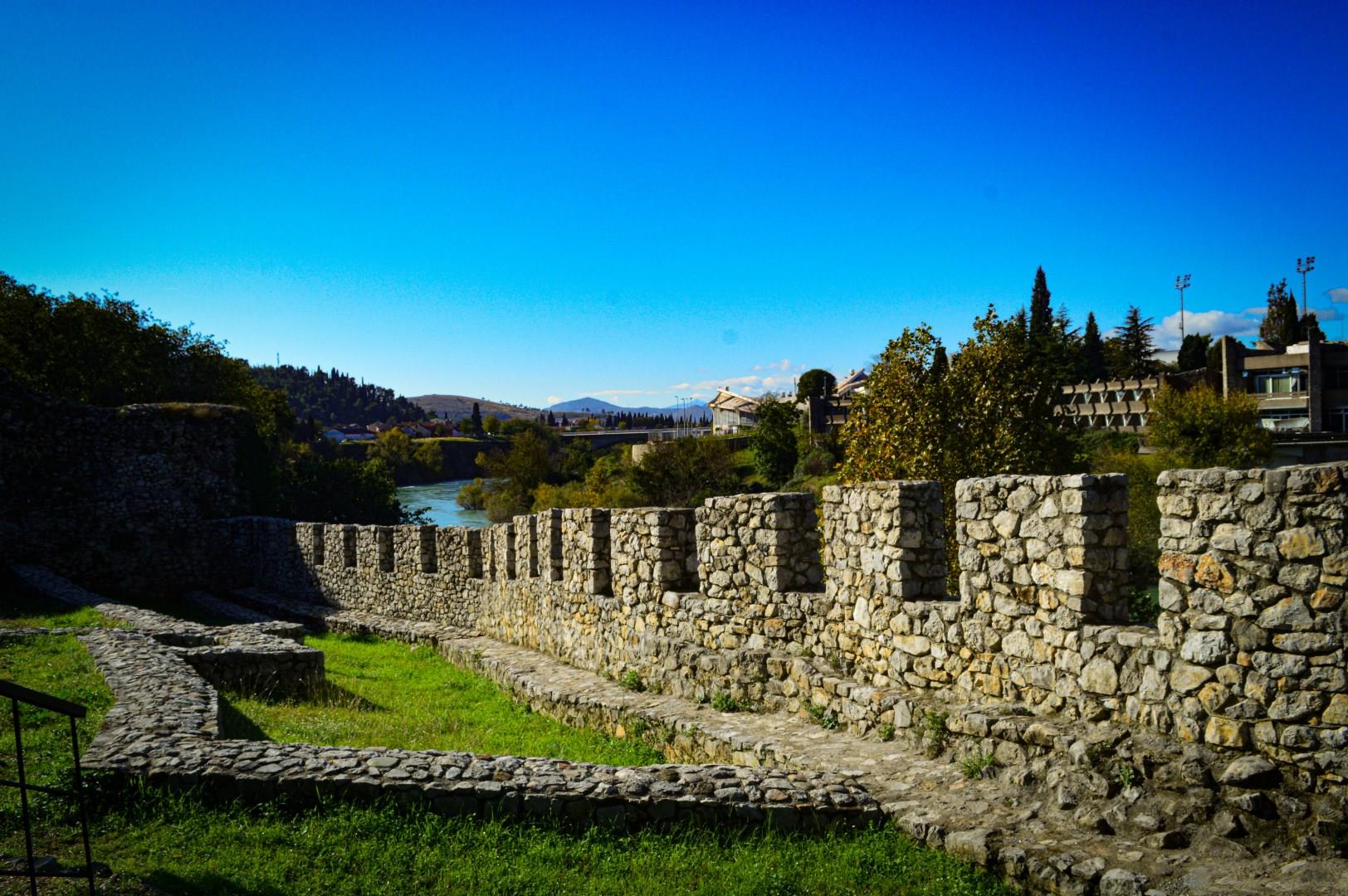
Podgorica, the capital of Montenegro, showcases the country’s contrasting landscapes and deep-rooted history. Although much of the city was rebuilt after World War II, traces of its Roman and Ottoman past still remain. Visitors can explore the ruins of Doclea, a Roman settlement just outside the city, where surviving columns and mosaics give a glimpse into life nearly two millennia ago.
Njalo Island
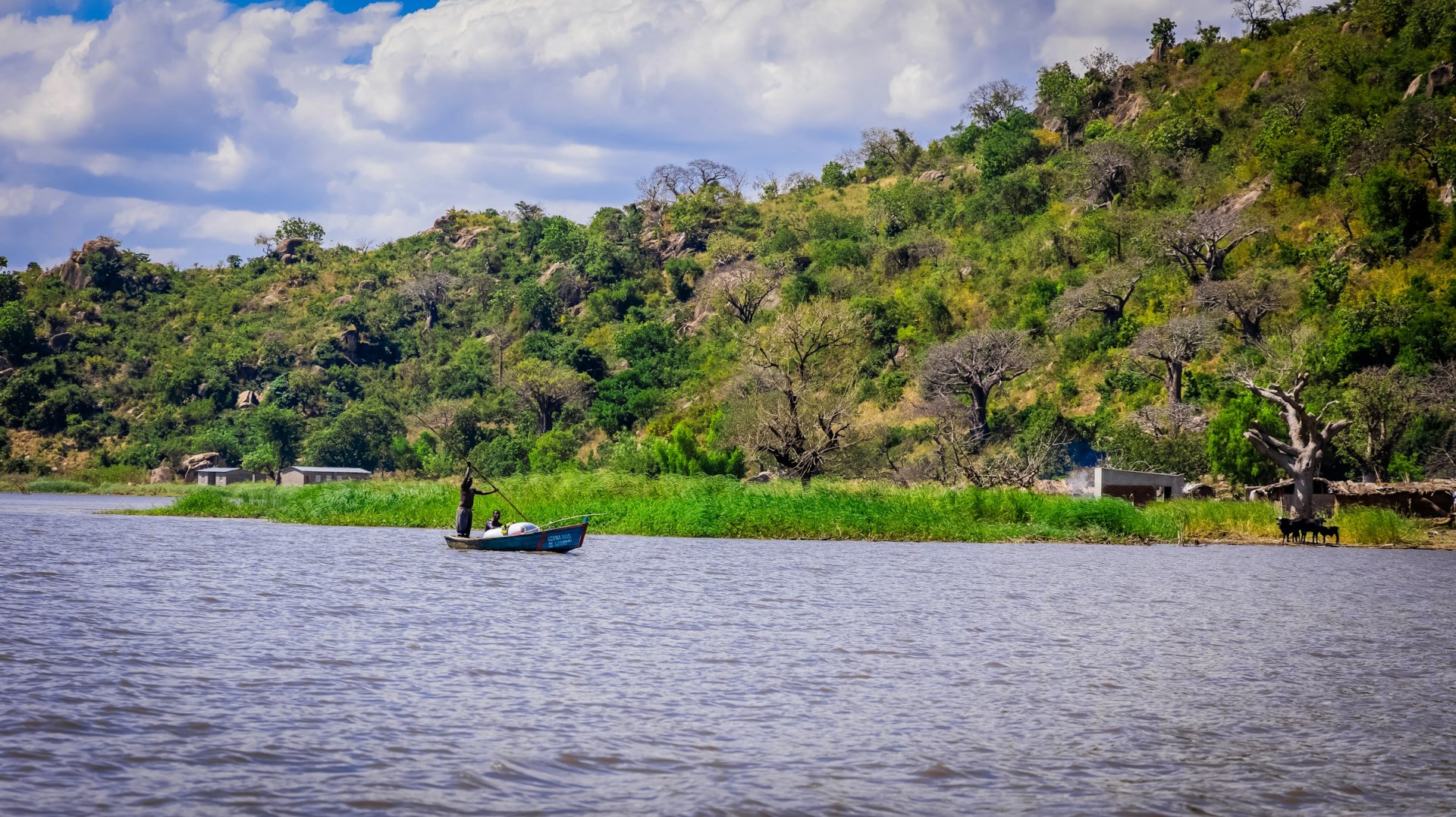
Njalo Island is a small inhabited island in Lake Chilwa, in southern Malawi’s Phalombe District. Situated in the lake’s open waters, it is part of a wetland landscape shaped by changing water levels, shallow channels, marshes, and seasonal fishing activity. The island is home to a close-knit community whose daily life is closely connected to the lake. Fishing provides an important source of food and income, while boats are essential for transport between the island and mainland communities.