Nosy Be
Nosy Be, often called the “Perfume Island” due to its fragrant ylang-ylang trees, is Madagascar’s largest and most popular tourist destination. Situated off the northwest coast of Madagascar, this tropical paradise boasts powdery white sand beaches, turquoise waters, and lush inland rainforests, making it an idyllic escape for beach lovers, nature enthusiasts, and adventure seekers alike. Nosy Be is renowned for its stunning marine life.
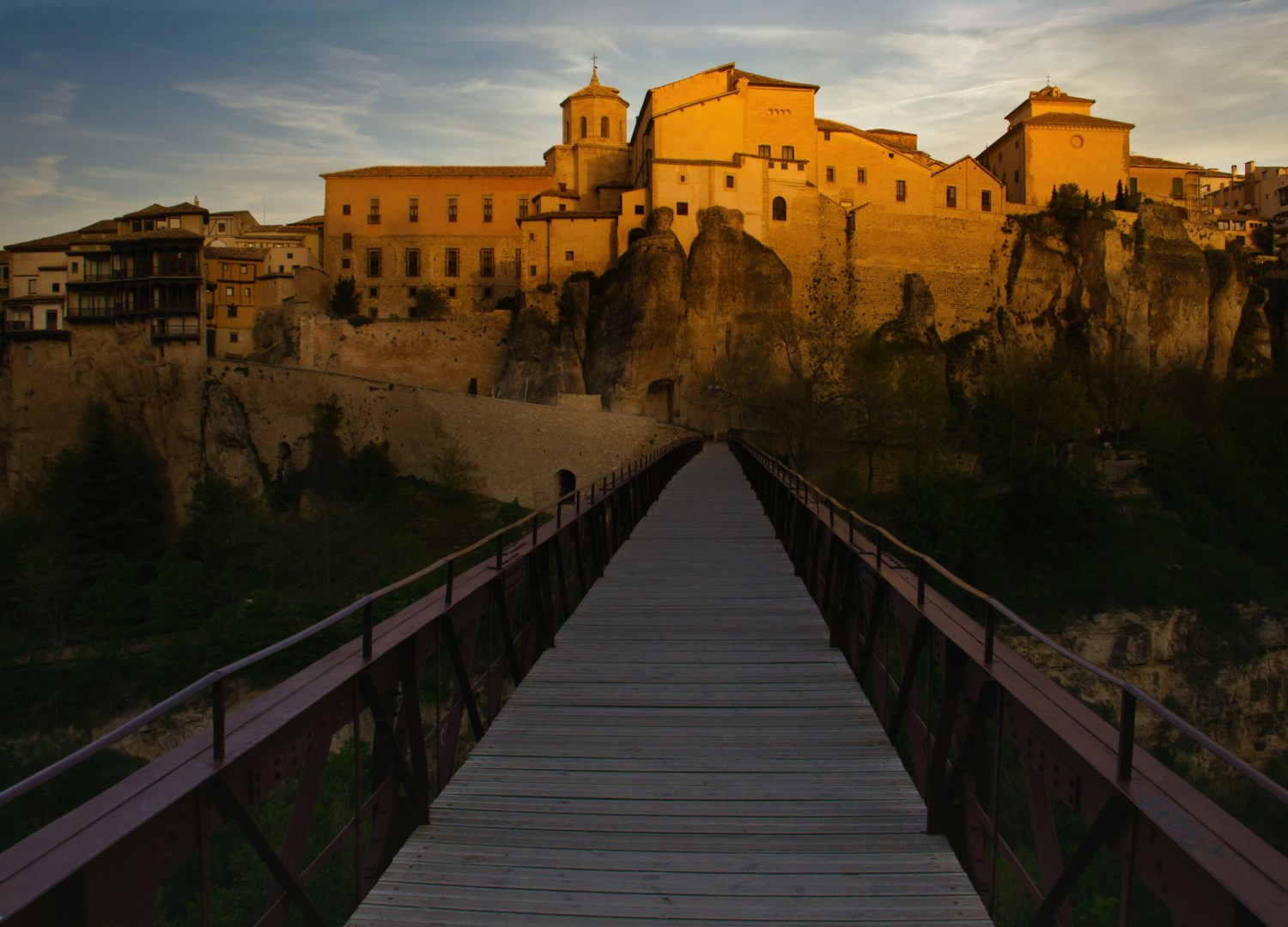
Cuenca
This cliff-side town with it's iconic hanging houses is a true marvel! Walking the steep cobblestone streets surrounded by medieval architecture, you'll feel like you've stepped into a storybook.

Panama
Panama is a country shaped by its geography and defined by its role in global history. The Panama Canal remains its most iconic feature as a 50-mile engineering marvel that connects the Atlantic and Pacific Oceans. Visitors can watch ships pass through the Miraflores Locks from a dedicated observation deck or explore the interactive museum that explains how the canal changed international trade forever.
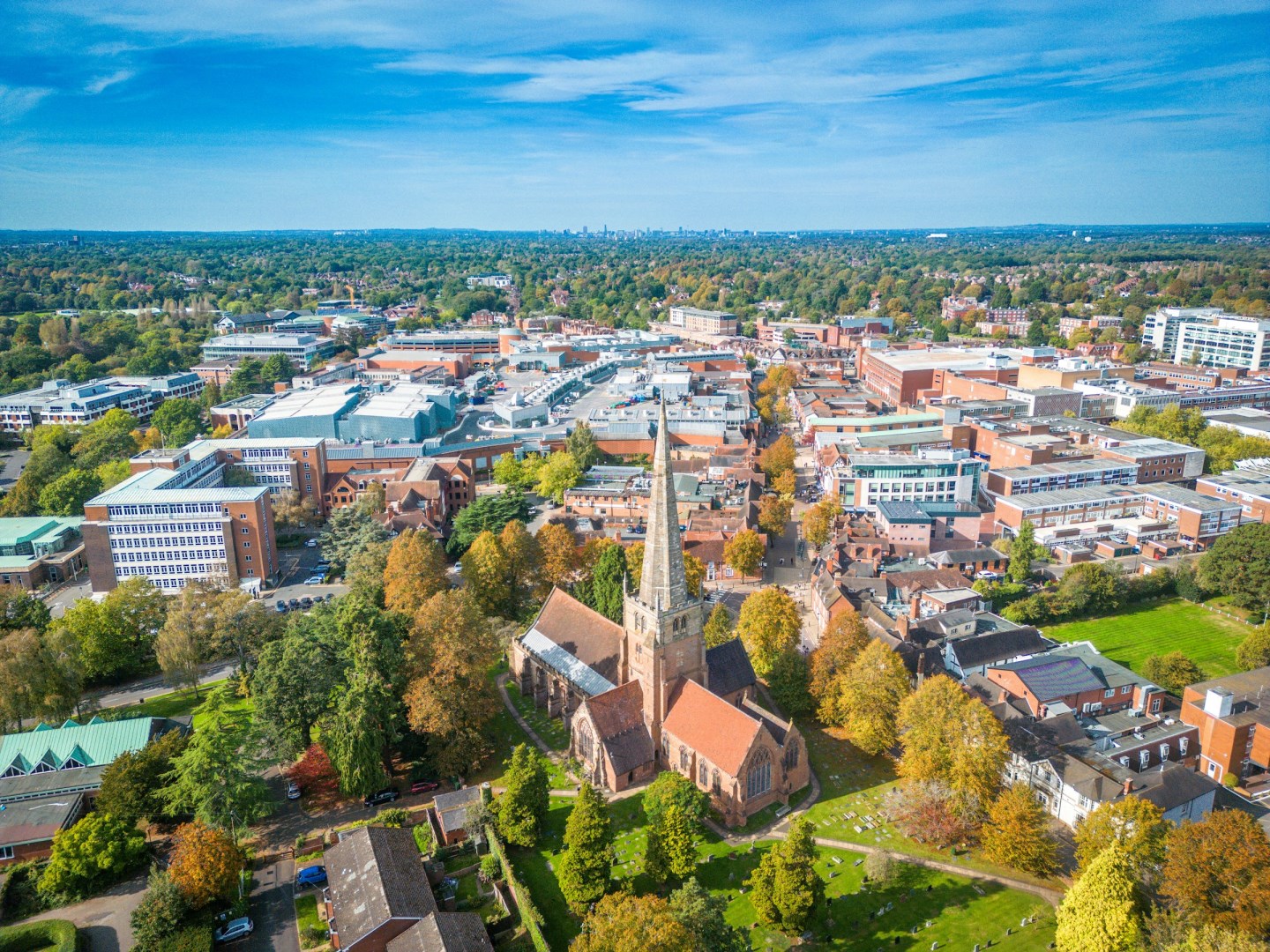
Solihull
If you're looking for a destination that combines picturesque villages, canal towpaths and open countryside, with superb shopping, national exhibitions and first class entertainment, then you could hardly choose a more perfect location than Solihull.
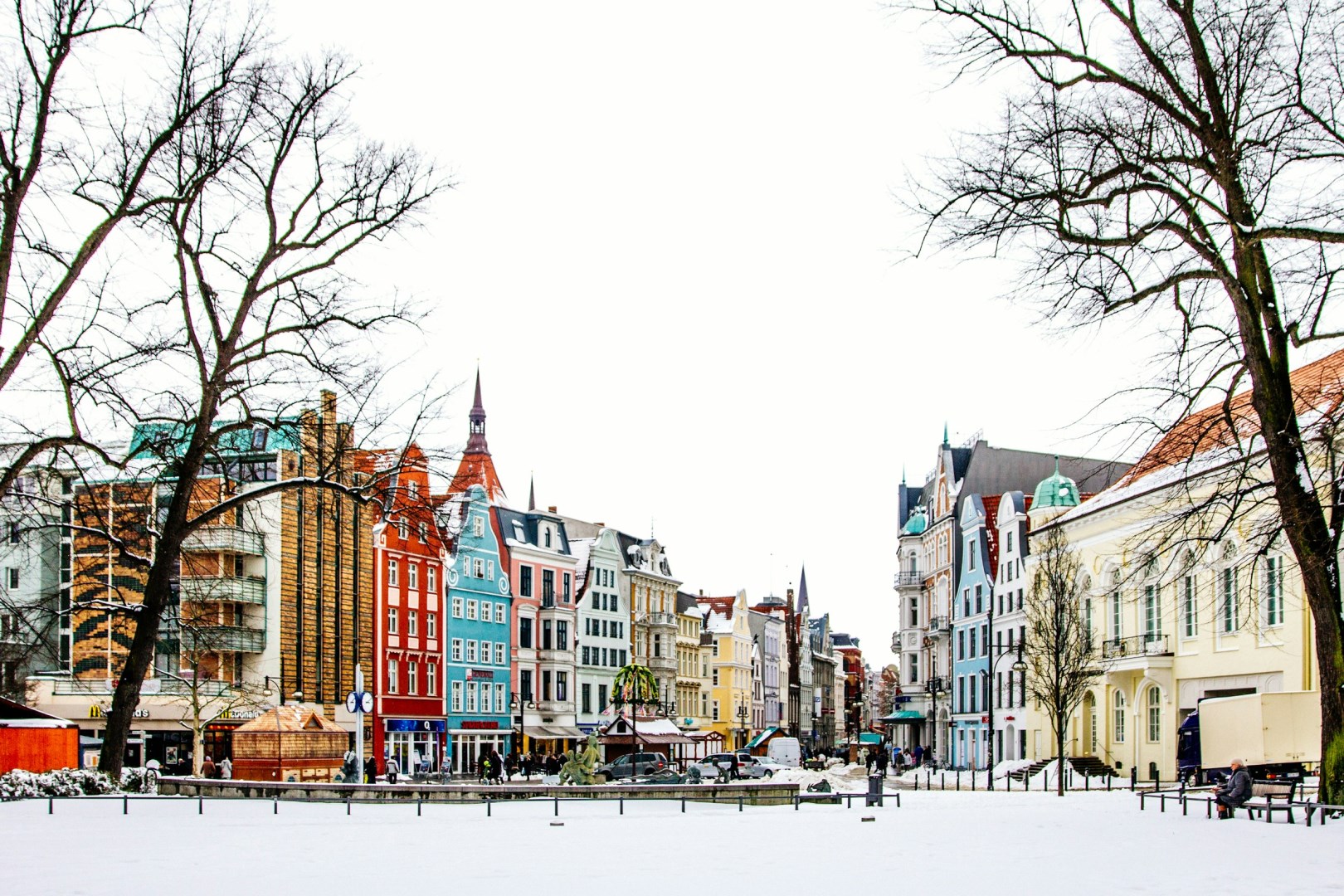
Rostock
Make friends with Rostock, one of Germany's most beautiful Hanseatic cities - where the Baltic Sea laps the shores of Mecklenburg/Western Pomerania and the air tastes slightly salty, where old-fashioned sailboats provoke nostalgic longings, and where brick gables reach into the sky.