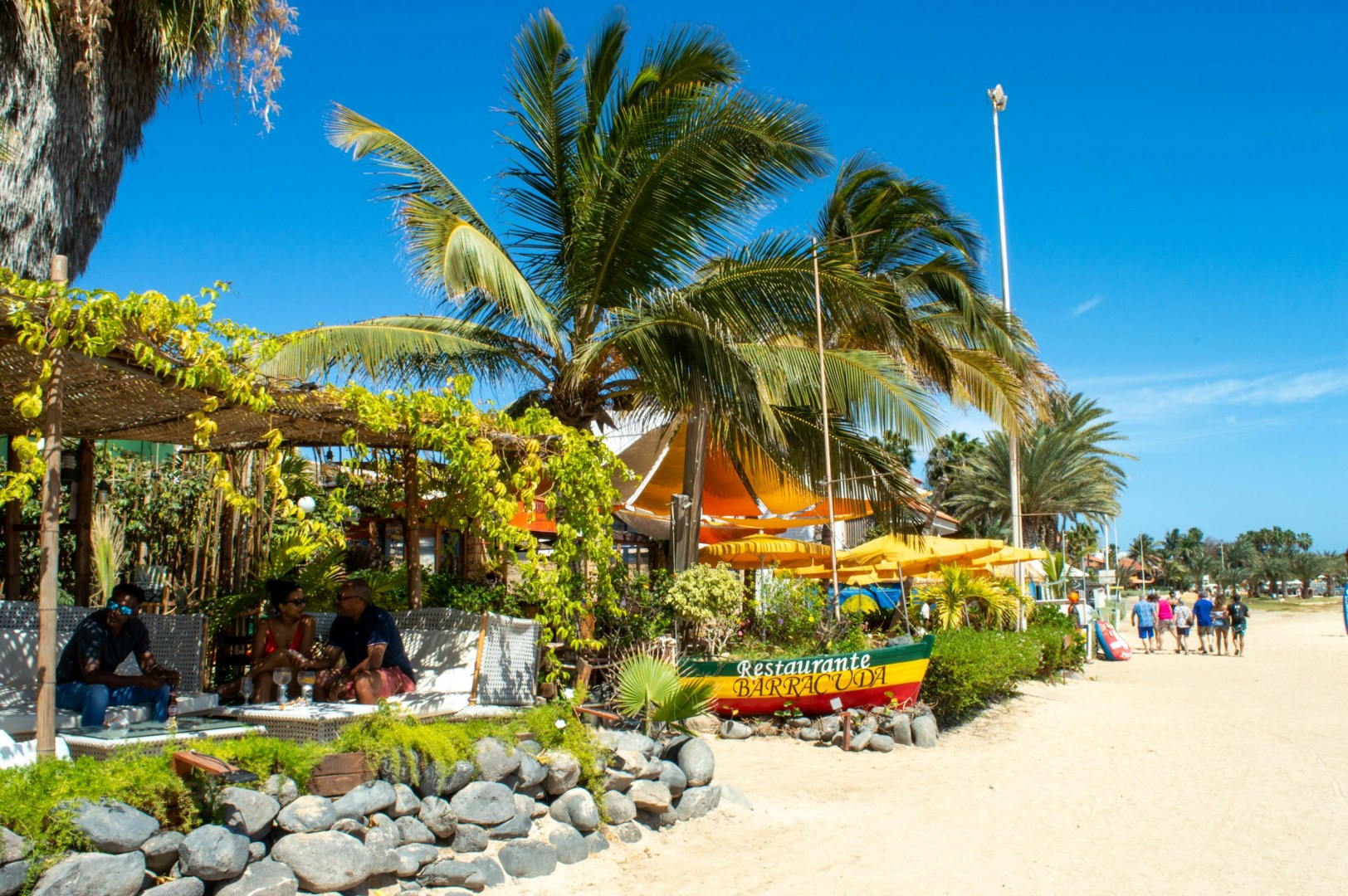
Santa Maria
Santa Maria is the main coastal town on Sal, one of Cabo Verde’s eastern islands, and is closely connected with the island’s fishing and salt-producing heritage. The town developed beside a long sandy beach on the southern coast, with low buildings, narrow streets, small shops, restaurants, and a busy waterfront forming its center.
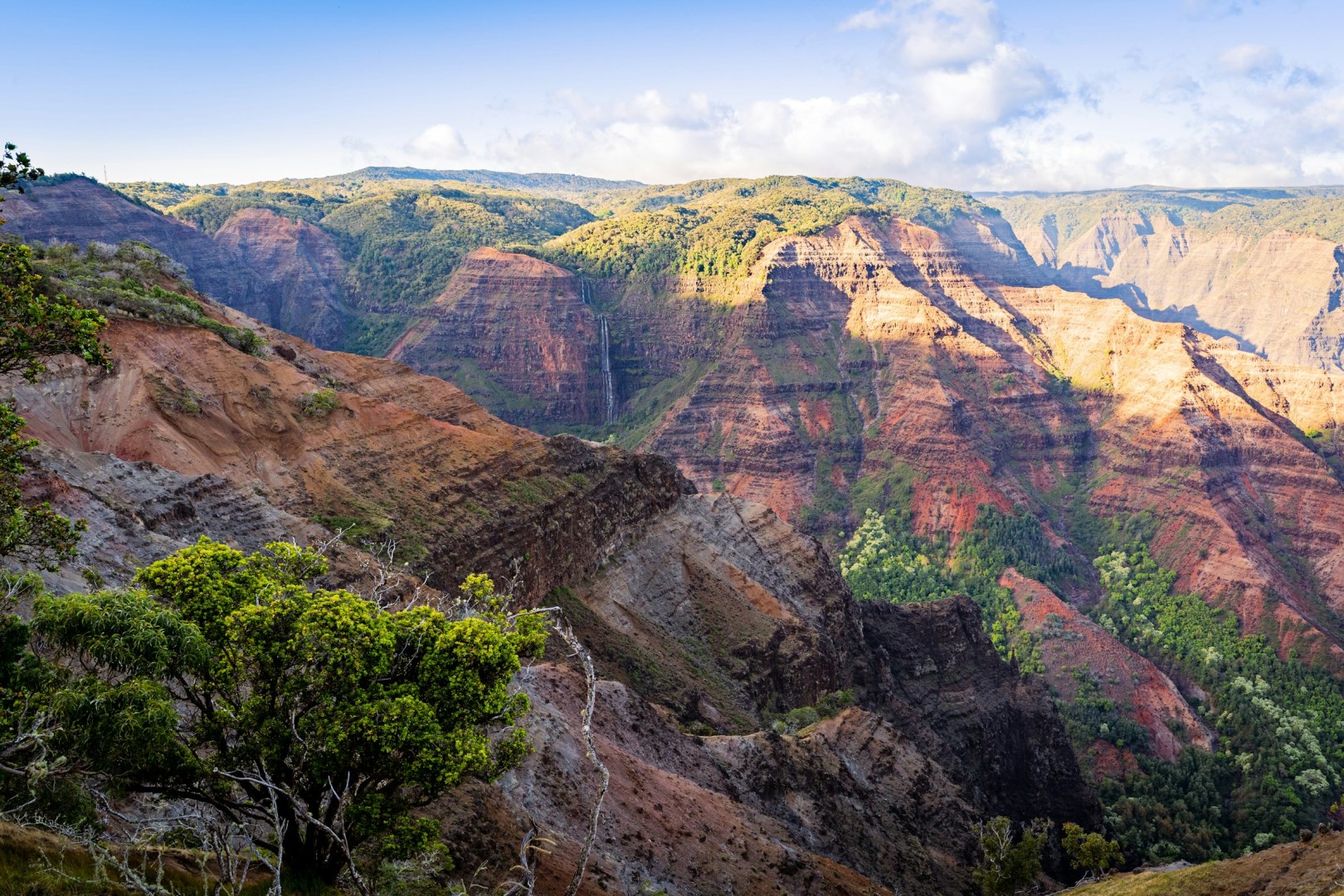
Waimea Canyon, Kauai
The Canyon valleys of the Waimea River and its tributary were once heavily populated, and the town was an early center of native government. It was here that Captain James Cook, English Navigator-Explorer, made his first landing in the Hawaiian Islands on January 20, 1778. Waimea developed as a provisioning port for whalers and sandalwood traders. A ruined Russian fort, built (1815) in a futile attempt to seize the isle, occupies a coastal bluff aboe the Waimea River. A rich sugar-plantation
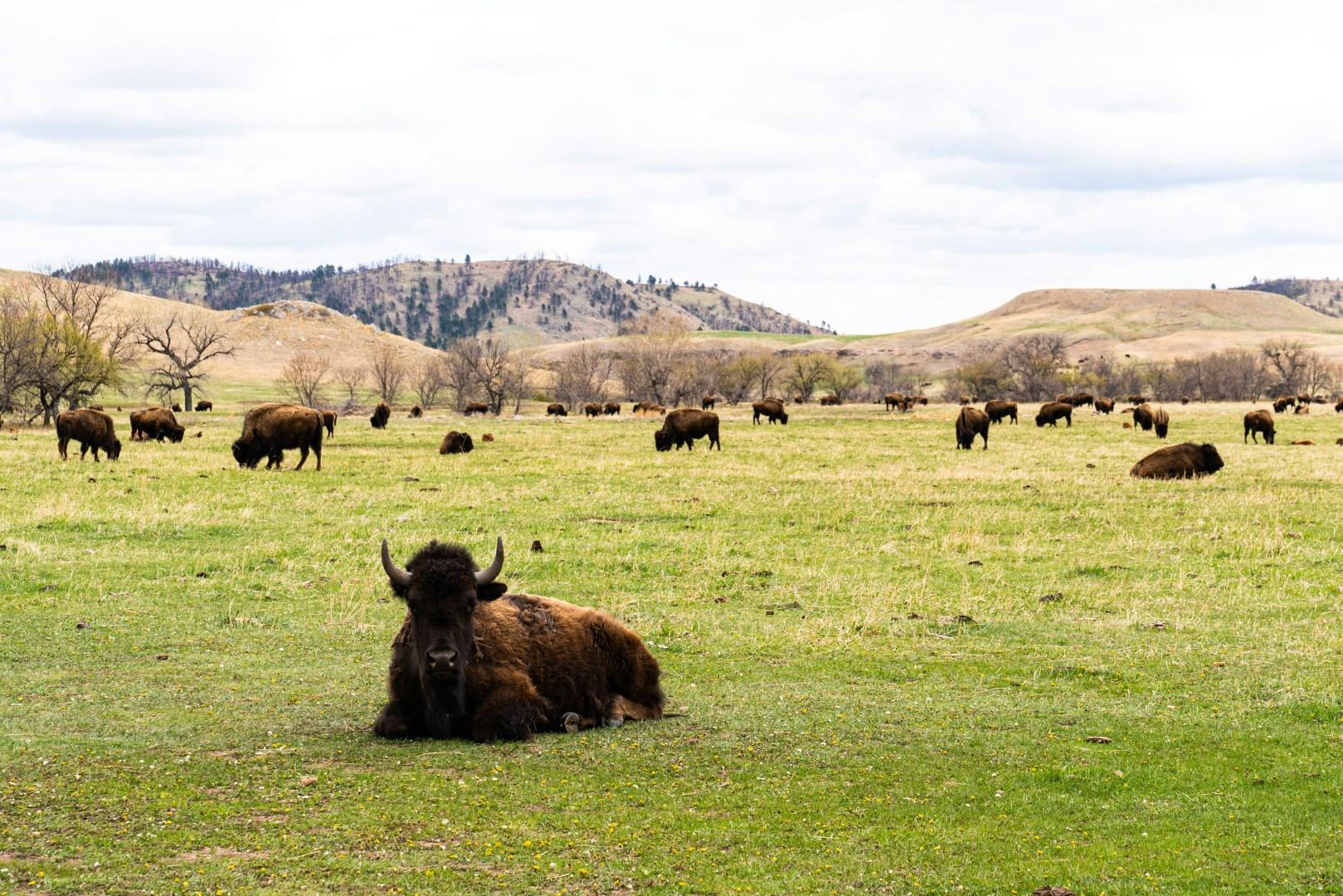
Custer
Nestled in the heart of the Black Hills, Custer, South Dakota is a small town with big stories. Established in 1875 during the Black Hills Gold Rush, Custer holds the distinction of being the oldest town in the region still in existence. Today, it serves as a gateway to some of South Dakota’s most iconic sights. With historic buildings, locally owned shops, and friendly diners lining Mount Rushmore Road, it offers a laid-back atmosphere that balances Old West charm with modern-day hospitality.
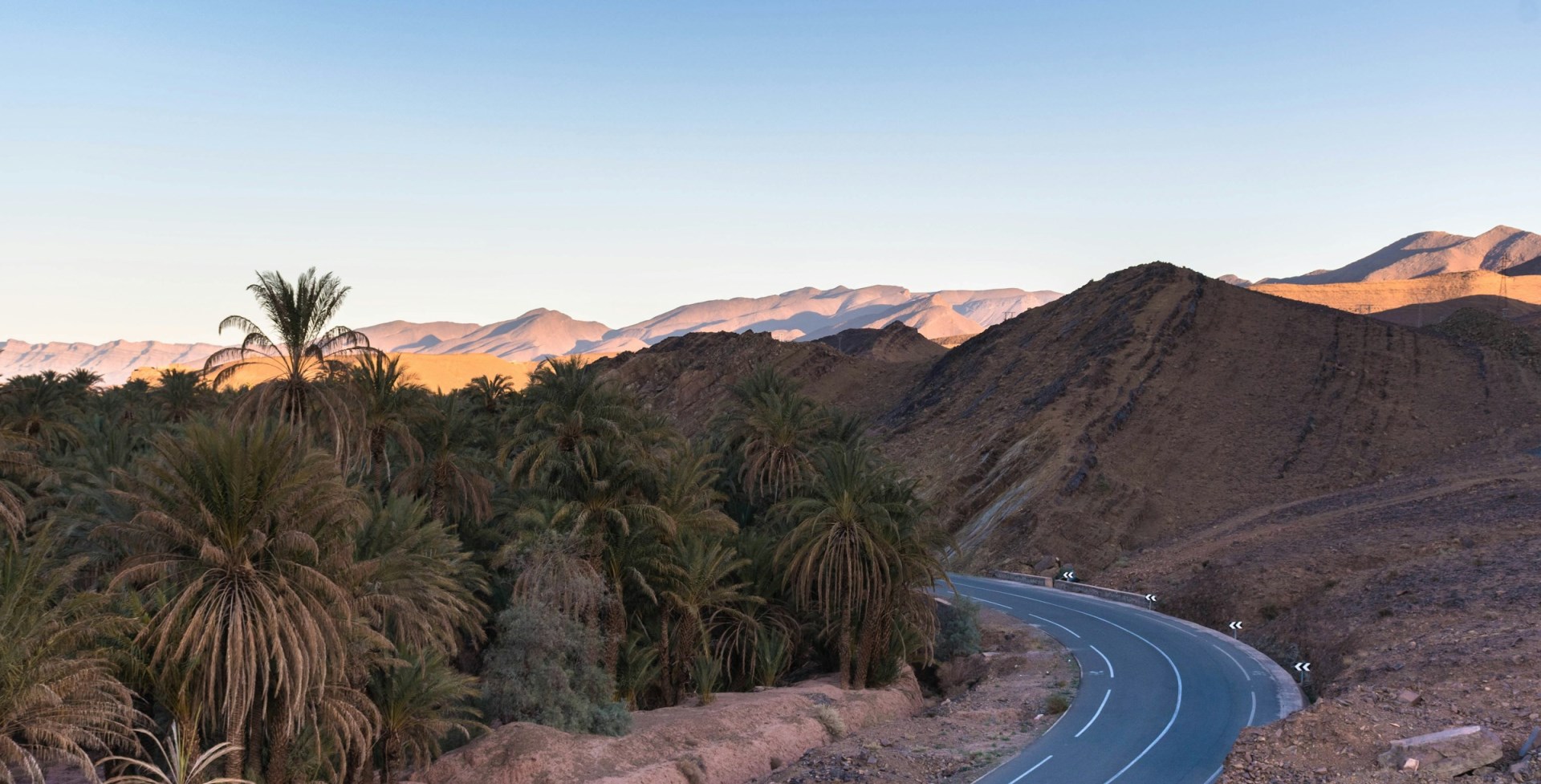
Agdz
Agdz is a small town in Morocco’s Drâa Valley, positioned between the High Atlas Mountains and the long oasis corridor leading toward the Sahara. The town sits beside the Drâa River, where irrigated gardens and dense stands of date palms contrast with the surrounding dry hills. Agdz has traditionally served as a stopping point along routes crossing southern Morocco, and its location still makes it a useful base for exploring the valley.
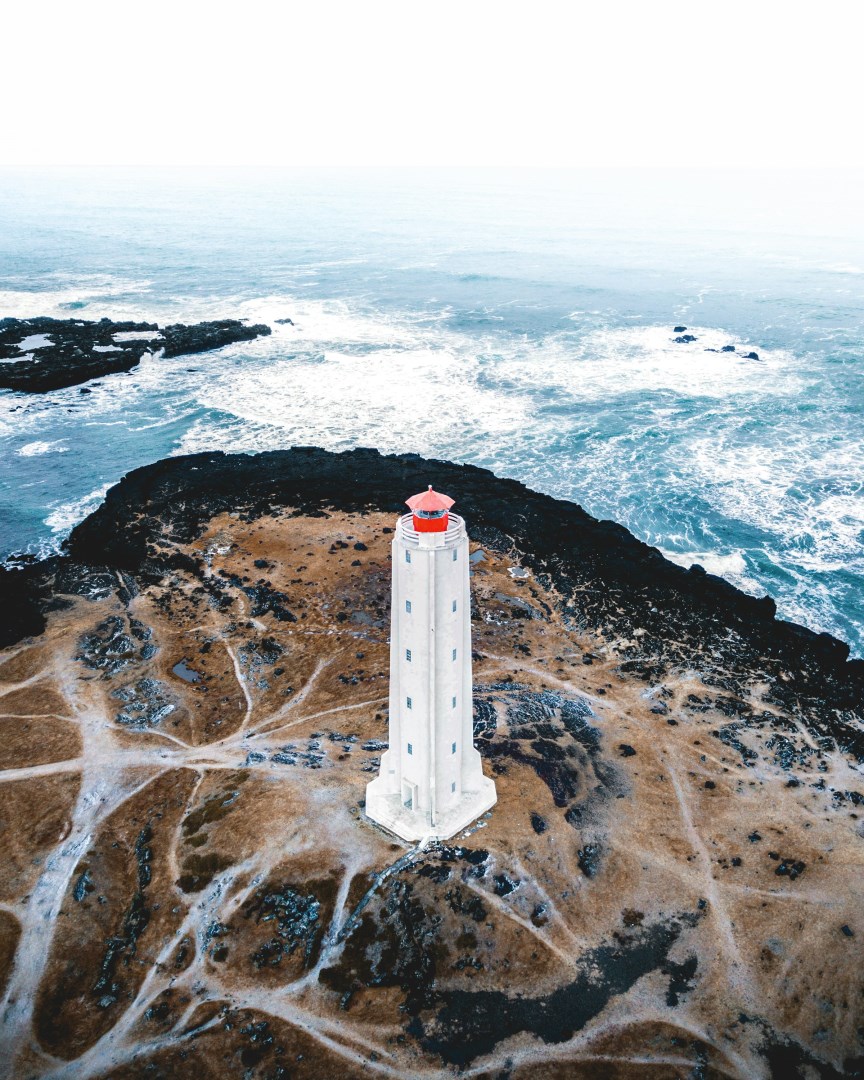
Snæfellsnes
The Snæfellsnes peninsula in western Iceland is sometimes referred to as "Iceland in Miniature" thanks to the many national sights found in the nearby area. The diverse landscape includes fascinating vistas of glistening fjords, dramatic volcanoes, and rugged seascapes.