Barbados
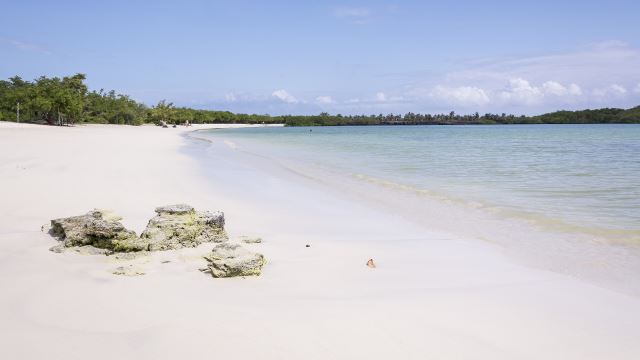
Barbados, an idyllic island in the Caribbean, offers a delightful blend of natural beauty, vibrant culture, and rich history. Known for its stunning beaches, crystal-clear waters, and year-round warm climate, Barbados is a paradise for sun-seekers and adventure enthusiasts alike. The island’s western coast boasts the famous West Coast Beaches, including Payne’s Bay and Sandy Lane, where soft white sands and turquoise waters provide the perfect backdrop for relaxation or water sports.
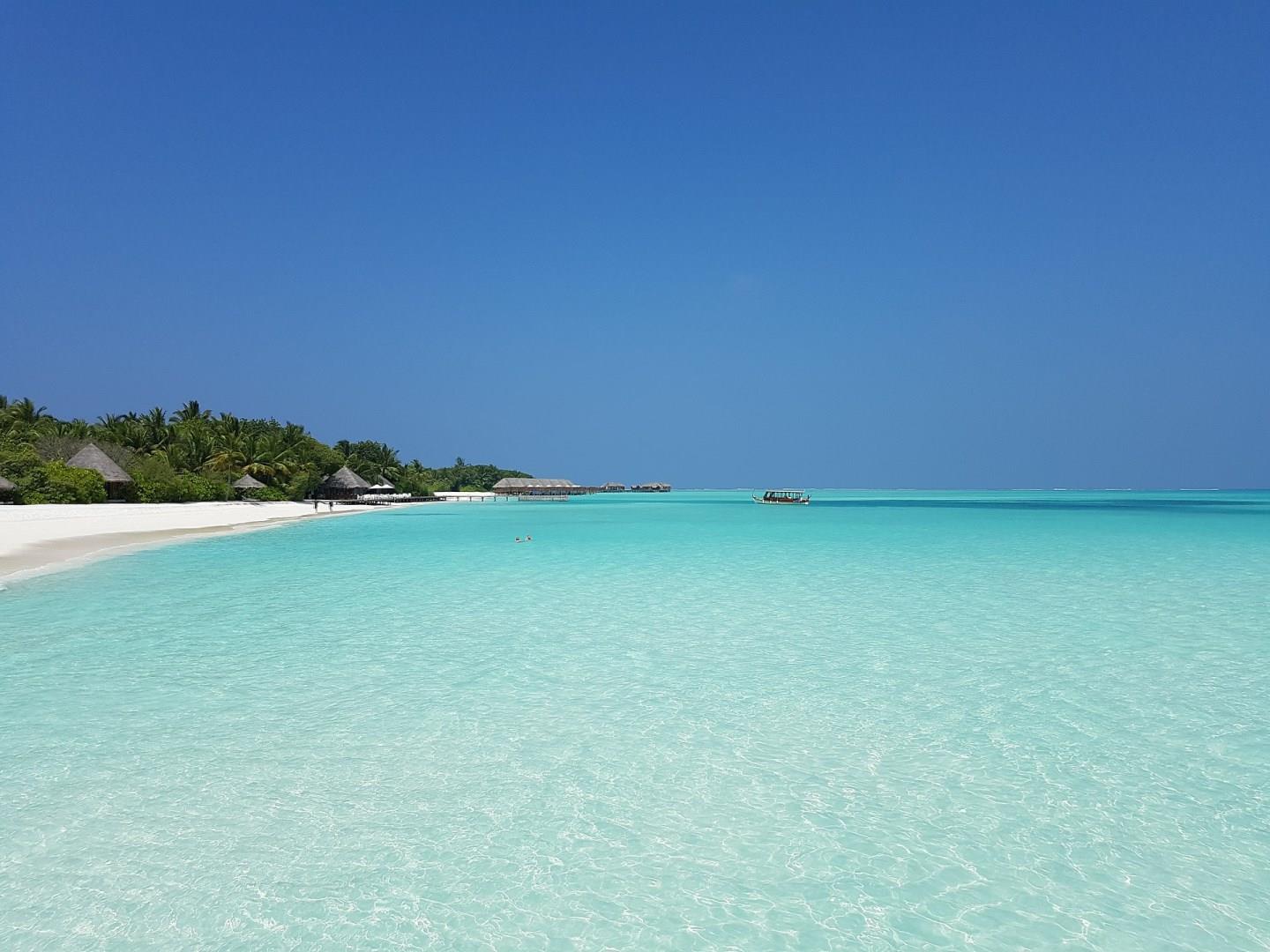
Maldives
The Maldives, a nation of islands scattered across the Indian Ocean, is known for its dazzling turquoise waters, white-sand beaches, and vibrant coral reefs. Stretching across 26 atolls, this tropical paradise is often described as one of the most beautiful places on Earth.
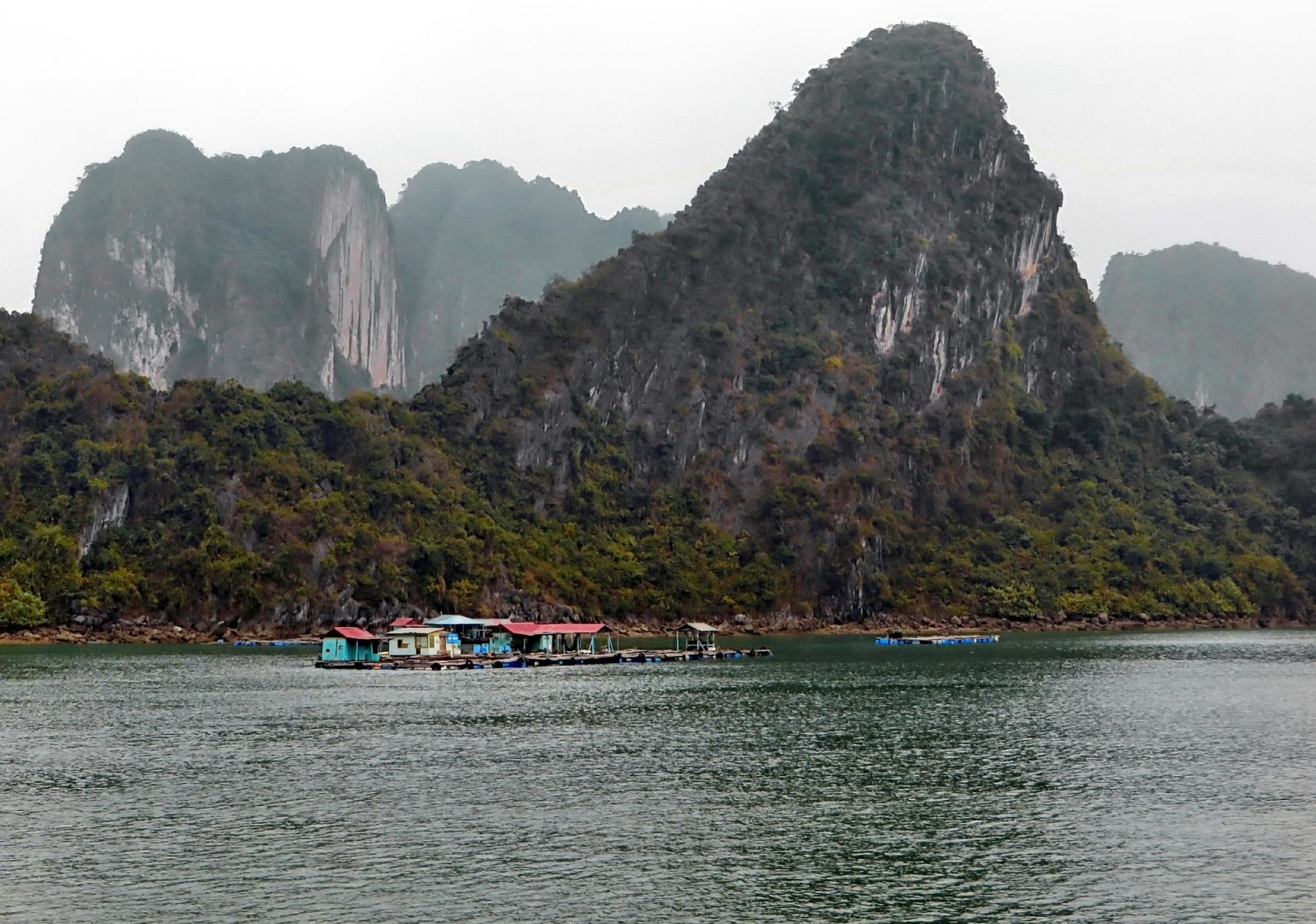
Hạ Long
Ha Long is a coastal city in Quang Ninh Province in northeastern Vietnam, best known as the gateway to Ha Long Bay. The city stretches along the Gulf of Tonkin and combines a modern waterfront, residential districts, fishing communities, and port facilities. Offshore, Ha Long Bay contains hundreds of limestone islands and islets rising from the sea, creating a landscape shaped by geological and marine processes.
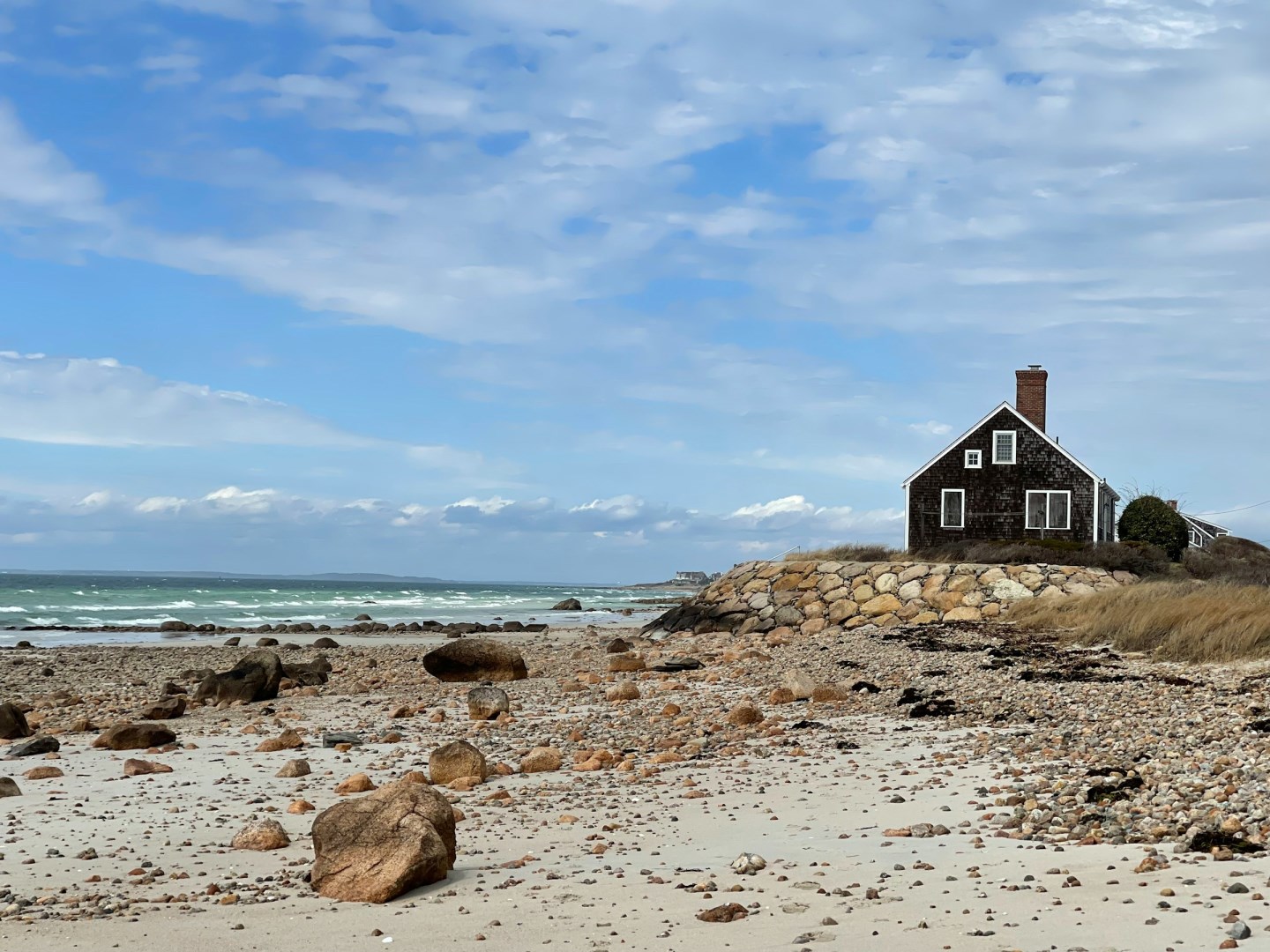
Falmouth
Falmouth, Massachusetts, occupies a broad section of Cape Cod’s southwestern coast, with shorelines facing both Vineyard Sound and Buzzards Bay. The town includes several distinct villages, including Woods Hole, Falmouth Village, North Falmouth, and West Falmouth, each contributing to its coastal identity. Beaches, harbors, salt marshes, wooded areas, and freshwater ponds shape the landscape, while ferry connections provide access toward Martha’s Vineyard. Falmouth is also notable for its concen

Rouen
Set on the River Seine, Rouen is Normandy's capital and a breathtaking city steeped in history, art, and romance. Marvel at the exquisite Gothic architecture of the Palais de Justice, l'Église Saint-Maclou, l'Abbatiale Saint-Ouen, and the Cathédrale Notre-Dame de Rouen.